
A corn crib is a slatted store for maize on the cob. Its walls are not solid boards but spaced slats, and those gaps are the whole point: air moves through the stored ears, drying them after harvest and keeping them dry through the winter. The crib stands on posts or a raised base so that damp cannot creep up from the ground and rodents cannot walk straight in, and a wide roof keeps rain off the top while the sides stay open to the wind. It is one of the oldest farm buildings in America, and it still earns its place on farms that grow maize for feed, because no sealed bin dries ear maize as cheaply as moving air does.
A corn crib installation startup builds these cribs for farms, smallholdings and estates. The work starts with a site visit and a conversation about how much maize the farm grows, how wet it comes in from the field, and where the crib should sit so the prevailing wind does the drying. Then comes the build itself: posts set true, slatted walls fixed at a gap that lets air through without letting ears slip out, a floor that carries the weight of a full crib, and a roof with enough overhang to shed rain away from the slats. The startup also advises on filling the crib in layers, on checking moisture as the season turns, and on keeping rats and mice out of a store that is, by design, open to the air.
Artificial intelligence tools now help at every step of that job, from the first survey to the final invoice. They model airflow through slatted walls before a single board is cut, read moisture in the stored maize without opening the crib, plan the roof so rain stays out, and keep the paperwork for permits, quotes and payments in order. This guide compares the nine best AI tools for corn crib installation startups in 2026, chosen because each one solves a problem that is specific to the slatted maize-storage build: slats, airflow, maize and roof.
Key Takeaways
- A corn crib is a slatted, roofed store for maize on the cob, and airflow through the slats is what dries and protects the crop.
- Slat spacing, roof overhang and post height are the three measurements that decide whether a crib works, and all three should be modelled before building.
- Moisture monitoring matters more than any other running cost, because damp maize in a crib spoils fast and quietly.
- The nine tools below cover design, airflow, moisture, filling, pest control, permits and invoicing, with no overlap between them.
- A first crib job should start small, prove the airflow on one crib, and only then take on larger or repeat orders.
What a Corn Crib Is — and What It Is Not
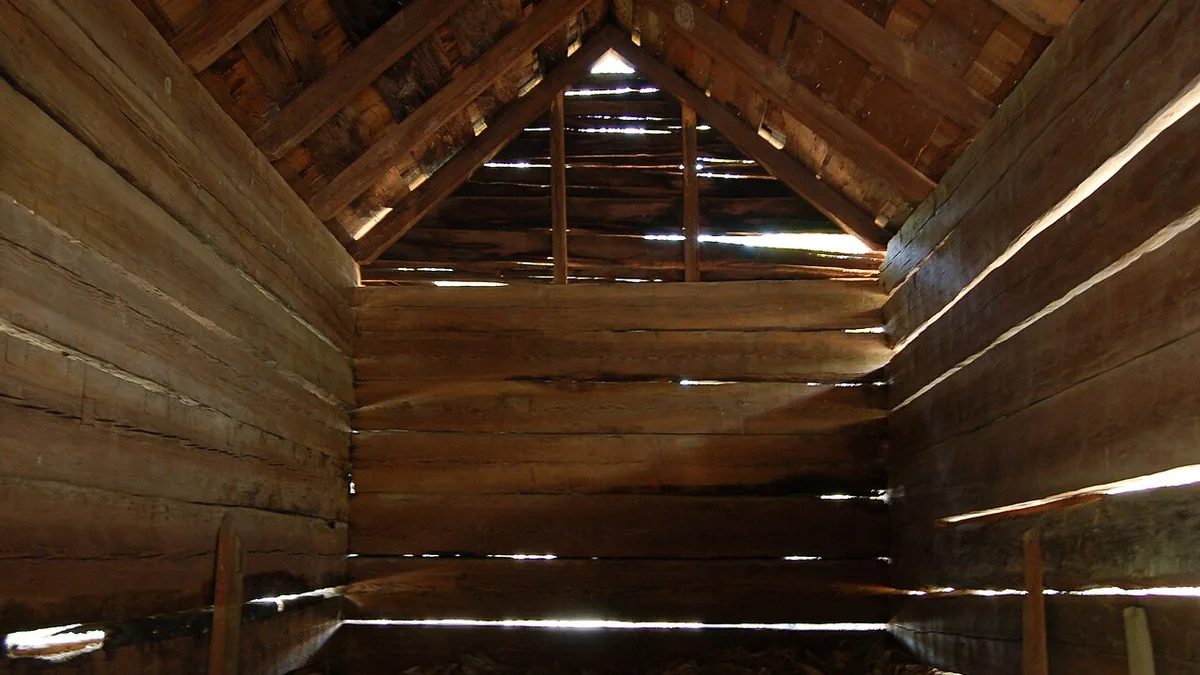
A corn crib is not a barn, and it is not a silo. A barn is a general farm building with solid walls, doors and often a loft, built to shelter animals, machinery or hay. A silo is a sealed tower or bunker that stores grain or silage away from air. A corn crib sits between those ideas and belongs to neither: it is a narrow, roofed bin with slatted sides, built for one crop only, and it works precisely because air passes through it. The classic American crib has walls that slant outward toward the top, which sheds rain and gives the load room to settle, and a central passage in larger cribs that lets the farmer reach the maize and lets air move through the middle of the store.
It is also not a granary installation job, even though the two buildings are cousins. A granary stores threshed grain in a sealed, raised bin, and its design problem is keeping air and pests out. A corn crib stores maize still on the cob, and its design problem is the opposite: letting air in, in a controlled way, while keeping rain and rodents out. That single difference changes the slat spacing, the roof, the floor and the way the store is filled, so the tools that suit a granary do not automatically suit a crib. The nine tools in this guide were chosen for the crib’s own build, not borrowed from its neighbours.
Nor is a corn crib a pole barn or a Dutch barn with a different name. A pole barn is a wide, open structure framed on posts, and a Dutch barn is a large aisled barn with a gambrel roof; both are general-purpose farm buildings with solid cladding. A corn crib is a single-purpose store, usually much narrower than a barn, because a crib that is too wide will not dry in the middle. The width of the crib, the gap between the slats and the pitch of the roof are the numbers that make or break the build, and a startup that gets them right will have a crib that dries maize year after year with almost no running cost.
How We Chose These 9 Tools
Every tool below was judged against the same four tests. First, it must solve a problem that belongs to the corn crib itself: slat spacing, airflow, maize moisture, roof cover, filling, pests, permits or payment for crib work. A general building tool that happens to work on a crib did not make the list unless it has a feature aimed at the slatted store. Second, it must be usable by a small startup, which means a price a two- or three-person crew can carry, a learning curve measured in days rather than months, and support that answers when a job is on site. Third, it must produce something the customer can see: a drawing, a moisture reading, a quote or a schedule, because a startup sells confidence as much as timber. Fourth, it must not duplicate another tool on the list; each of the nine covers its own part of the job, so a founder can adopt the full set without paying twice for the same feature.
| Tool | Best for | Crib job it solves |
|---|---|---|
| SlatGap AI | Slat spacing design | Sets the gap between slats for airflow and ear retention |
| CribSite Survey AI | Site survey and post layout | Levels the site and places posts for wind and drainage |
| CribRoof Estimator | Roof pitch and overhang | Sizes the roof so rain stays off the slatted walls |
| CribFlow Planner | Airflow simulation | Models air movement through a full crib before building |
| MaizeDry Sense | Moisture monitoring | Reads maize moisture inside the crib without opening it |
| EarCorn Stock AI | Filling and stock planning | Plans layers, loads and the order the crib is filled |
| RodentGuard AI | Pest monitoring | Watches for rodent activity around the raised store |
| CribPermit AI | Permits and compliance | Prepares farm-building permit paperwork and checks |
| CribLedger | Quotes and invoicing | Prices crib jobs and tracks payment from quote to invoice |
Design, Measure and Model the Slatted Crib
The design stage is where a corn crib succeeds or fails, and it is decided before any timber is ordered. Three numbers carry the build: the gap between the slats, the height of the posts, and the pitch and overhang of the roof. Get the slat gap wrong and the maize either falls through or stays damp; set the posts too low and damp and rodents reach the store; pitch the roof too flat and rain drives in through the slats. The three tools in this section handle those numbers, and they are worth using on every job, even a small one, because a crib that is designed on paper is far cheaper to fix than a crib that is built wrong. The post work here is close to a pole barn installation, where posts carry the whole structure, but a crib’s posts are set for a narrow bin rather than a wide open span.
1. SlatGap AI: The Best Tool for Slat Spacing Design
SlatGap AI does one job and does it well: it works out the gap between the slats of a corn crib for the maize the customer actually grows. The founder enters the variety, the average ear size and the moisture at harvest, and the tool returns a slat spacing that lets air move freely while keeping ears inside the crib. It also flags the trade-off that catches out new builders, which is that a gap wide enough for fast drying in a dry autumn can be too wide for small-eared varieties, so it suggests a spacing for the smallest ears in the load rather than the average. That single habit prevents the most common complaint a crib builder hears, which is maize on the ground beneath the walls.
The tool also produces a cutting list for the slats, with lengths, quantities and a waste allowance, and it adjusts the list when the crib length or height changes. A founder can show the customer the spacing on a simple diagram, explain why the gap is what it is, and order timber to the list rather than guessing on site. Its limits are honest ones: it does not design the frame, the posts or the roof, and it assumes the timber is straight and dry, so a builder still needs to check boards as they arrive. Used for its own job, though, it is the fastest way to get the defining detail of a corn crib right.
2. CribSite Survey AI: The Best Tool for Site Survey and Post Layout
CribSite Survey AI turns a phone walk around the farmyard into a usable site plan for the crib. It records levels across the proposed site, marks the fall of the ground, and places the post positions so the crib floor sits level while the ground beneath it drains away from the posts. It also checks the wind, using local weather records to show which way the prevailing wind blows across the yard, so the long slatted sides can face into the wind rather than across it. A crib that faces the wind dries faster and more evenly than one that does not, and this is the cheapest performance gain in the whole build.
3. CribRoof Estimator: The Best Tool for Roof Pitch and Overhang
CribRoof Estimator sizes the roof of a corn crib so that rain stays off the slatted walls. It takes the crib width, the local rainfall and the wind direction from the site survey, and returns a pitch and an overhang that keep driving rain clear of the slats while keeping the roof itself simple to build. A roof with too little overhang lets rain soak the top rows of maize, and a roof pitched too steeply wastes timber and makes the crib top-heavy, so the tool’s value is in finding the middle ground for each site rather than applying one standard roof to every crib.
The estimator also prices the roofing material for the size it recommends, comparing corrugated metal, timber shingles and modern sheet options, and it produces a cutting list for rafters and purlins. The comparison with a Dutch barn installation is instructive here: a Dutch barn roof is a large gambrel structure built to cover a wide aisled interior, while a corn crib roof is a narrow, steep cover whose only job is to shed rain away from slatted walls, and the estimator keeps the design at crib scale rather than barn scale. Its limit is that it does not design the wall frame beneath the roof, so it works best alongside the slat and survey tools above.
Dry the Maize: Airflow and Moisture
Once the crib is built, the crop still has to dry, and drying is where most crib owners need help. Maize comes in from the field wet, and it must lose moisture steadily through the autumn without heating, moulding or sprouting. Airflow does the work, but only if the crib is filled in a way that lets air reach every part of the load, and only if the founder can tell the owner when the maize is dry enough to leave alone. The two tools in this section cover that pair of jobs: one models the air before the crib is filled, and the other reads the moisture while the maize is stored.
4. CribFlow Planner: The Best Tool for Airflow Simulation
CribFlow Planner simulates air moving through a corn crib before the first ear goes in. The founder enters the crib dimensions, the slat gap, the fill depth and the wind data for the site, and the tool shows where air moves well and where it stalls. The usual finding is that the middle of a wide crib dries slowest, which is why traditional cribs are narrow, and the planner makes that visible on a simple diagram rather than leaving it as a rule of thumb. It also tests the effect of the central passage in larger cribs, showing how an open middle improves drying enough to justify the space it takes.
The planner is most useful at the quoting stage, because it lets the founder show a customer why a narrower crib, or a crib with a central passage, is worth the extra timber. It also helps after the build, when a customer reports damp maize on one side: the founder can re-run the model with the actual fill and wind and see whether the problem is the design, the filling or the weather. It is a simulation, not a measurement, so its answers are only as good as the dimensions entered, and it should always be checked against a moisture reading once the crib is full. Used that way, it is the best tool in this guide for proving that a crib will dry before it is built.
5. MaizeDry Sense: The Best Tool for Moisture Monitoring
MaizeDry Sense reads the moisture of stored maize without opening the crib or digging into the load. Small sensors sit inside the crib at different heights and depths, and they report moisture and temperature to the farmer’s phone, with alerts when any part of the store starts to heat or hold damp. That early warning matters, because maize that starts to heat in the middle of a full crib is hard to reach and quick to spoil, and a founder who can warn the owner in time will be remembered when the next crib is ordered.
The sensors are placed during filling, following a plan the tool generates from the crib dimensions, so the readings cover the slow-drying middle as well as the fast-drying edges. The tool also keeps a season’s readings as a record, which helps the owner learn how their own crib dries and helps the founder refine the next design. Its limits are practical: sensors need batteries and a signal, so a remote crib with no coverage will need a different arrangement, and the sensors measure the maize around them rather than the whole load. Even with those limits, it is the tool that turns a corn crib from a box that is filled and forgotten into a store that is watched and managed.

Fill, Guard and Store the Crop
Filling a corn crib is not a matter of tipping maize in until it is full. The order and the layers matter: filling in even layers keeps the load stable and lets air move through it, while filling from one end creates a slope that dries unevenly and can push a wall out of true. The store also has to be guarded, because a crib is an open invitation to rodents, and a founder who hands over a crib without a pest plan has handed over half a job. The two tools in this section cover filling and guarding, and they are the pair that protects the customer’s crop after the builder has left the site.
6. EarCorn Stock AI: The Best Tool for Filling and Stock Planning
EarCorn Stock AI plans how a corn crib is filled, layer by layer, and how much it holds. The founder enters the crib dimensions and the expected harvest, and the tool returns a filling plan that keeps layers level, spreads the load across the floor, and leaves the central passage clear in larger cribs. It also estimates the weight of the full crib, which matters for the floor and the posts, and it warns when a planned harvest will overfill the crib, so the customer can plan a second store or a staggered harvest rather than piling maize above the walls.
The tool also tracks what is in the crib through the season, recording how much has been taken out for feed and how much remains, which gives the farmer a simple stock record without a separate notebook. Its value to the startup is that it turns filling from a job the farmer does alone into a service the founder can offer: a filling visit, a stock check and a moisture report in one call. Its limit is that it depends on honest figures for the harvest, so a founder should measure a trial load rather than trusting an estimate. Used with real numbers, it keeps the crib safe, level and properly filled.
7. RodentGuard AI: The Best Tool for Pest Monitoring
RodentGuard AI watches for rats and mice around a corn crib, which is the weak point of any slatted store. The slats that let air in also let pests see and smell the maize, and the raised floor that keeps damp out is no barrier to a rat that can climb a post. The tool uses connected traps and sensors placed around the base of the crib, and it reports activity to the farmer’s phone, showing where rodents are approaching and whether the numbers are rising. That turns pest control from a monthly check into a live picture.
The tool also records which deterrents work on each site, whether that is metal post guards, cleared ground around the base, or traps placed at the routes the sensors reveal. A founder can offer the monitoring as part of the handover, returning after a month to review the readings and adjust the guards, which builds a relationship that leads to maintenance work and referrals. Its limits are that it monitors rather than eliminates, so it must sit alongside good building practice: tight post guards, no gaps at the floor, and clear ground around the crib. On its own it cannot save a badly built crib, but on a well-built one it is the best defence the store has.
Run the Business: Permits, Quotes and Records
Building corn cribs is a trade, but running a corn crib installation startup is a business, and the business side is where many good builders struggle. Farm buildings need permits, and the paperwork differs from place to place; quotes need to be accurate enough to make a profit and clear enough for a farmer to accept; and payments need chasing without souring a relationship. The two tools in this section handle that side of the startup, and they are chosen because they understand farm building work rather than treating a crib like any other construction job.
8. CribPermit AI: The Best Tool for Permits and Compliance
CribPermit AI prepares the paperwork for a corn crib as a farm building. The founder enters the site, the crib dimensions and the local authority, and the tool returns the forms, the drawings and the checks that the application needs, with the crib described in the terms planners use for agricultural stores. It flags the common reasons farm building applications are delayed, such as a crib sited too close to a boundary or a roof height that crosses a threshold, and it suggests a siting or a size change before the application goes in rather than after it comes back.
The tool also keeps a record of each application, so a founder who works across two or three council areas can see which requirements repeat and which are local. That record becomes a quiet advantage: the second application in an area is faster than the first, and the founder can tell a customer honestly how long approval is likely to take. Its limits are that planning rules change and vary, so the tool’s output must be checked against the current local guidance before submission, and it does not replace professional advice on a difficult site. For the ordinary farmyard crib, it turns a dreaded form into a routine step.
9. CribLedger: The Best Tool for Quotes and Invoicing
CribLedger prices corn crib jobs and follows the money from quote to payment. The founder builds a quote from the cutting lists produced by the design tools, adds labour, delivery and a margin, and the tool produces a clear written quote that a farmer can accept with a signature. It then tracks the job through deposit, build and final payment, sending polite reminders when an invoice is overdue and keeping a record of every job’s true cost against its quoted price. That record is the most valuable thing in the tool, because it shows a founder which crib sizes make money and which ones do not.
Your First Crib Job: A Six-Step Checklist
- Walk the site with the farmer, agree where the crib will sit, and check the wind direction and the drainage before anything is measured.
- Survey the site and model the slat gap, the post layout and the roof with the design tools, then show the customer the drawings and the quote.
- Order timber to the cutting lists, check every board for straightness and dryness on delivery, and reject what will not do the job.
- Set the posts true and level, build the floor to carry a full load, and fix the slats at the modelled gap from the bottom up.
- Fit the roof with the full overhang, place moisture sensors during filling, and fit post guards against rodents before handover.
- Return after a month to read the moisture record, check the pest monitors, and record what the crib taught you for the next build.
Frequently Asked Questions
What is a corn crib installation startup?
It is a small building business that designs and builds corn cribs: slatted, roofed stores for maize on the cob. The startup surveys the site, designs the slat spacing, posts and roof, builds the crib, and advises the farmer on filling it, drying the maize and keeping pests out. Some founders also offer moisture monitoring and maintenance as a repeat service.
How is a corn crib different from a granary?
A granary stores threshed grain in a sealed, raised bin and works by keeping air and pests out. A corn crib stores maize still on the cob in a slatted bin and works by letting air through the store to dry the crop. The difference changes the walls, the roof, the filling and the monitoring, which is why the two buildings need different tools and different designs.
How wide should a corn crib be?
A corn crib should be narrow enough for air to reach the middle of the load, which usually means a width of around one to two metres for a single crib, with larger stores built as two narrow cribs with a central passage between them rather than one wide bin. The exact width depends on the maize, the slat gap and the wind at the site, and it should be modelled with an airflow tool before building.
What slat gap should a corn crib have?
The gap depends on the size of the maize ears being stored: it must be wide enough for air to move freely and narrow enough that ears cannot slip through. A spacing chosen for the smallest ears in the load, rather than the average, is the safe rule, and a tool such as SlatGap AI can work it out from the variety and the ear size the farmer grows.
Do corn cribs need planning permission?
It depends on the location, the size of the crib and the local rules for farm buildings. Many small agricultural stores are permitted without a full application, while larger cribs, or cribs near boundaries and roads, may need approval. A founder should check the local rules for every job and keep a record of what each authority requires.
How much does it cost to build a corn crib?
The cost depends on the size of the crib, the timber chosen, the roof material and the site work needed, and it varies widely by region. A small single crib for a smallholding costs far less than a large double crib with a central passage for a working farm. A written quote built from a cutting list and a labour estimate, such as one produced with CribLedger, is the honest way to price each job.
The Bottom Line
A corn crib is a simple building with a demanding job: dry maize on the cob with nothing but moving air, a good roof and well-spaced slats. A startup that respects that simplicity, models the slats, the airflow and the roof before building, and watches the moisture after filling will build cribs that work for decades. The nine tools in this guide cover the whole job, from the first survey to the final invoice, and a founder who adopts them one at a time, starting with slat spacing and moisture monitoring, will have a business that is built on measurements rather than guesswork. Start with one crib, prove the airflow, and let the maize do the talking.

Keep what speaks to you.
Leave room for your own perspective.


