The best AI tools for pet door installation startups in 2026 give a brand-new business something this trade has never had before: a way to measure a door or a wall, price the job, order the right flap and frame, and book the crew without ever sitting at a desk. A founder with one van and a small crew can now answer every call, send a clear quote the same evening, and arrive with the right door, tunnel kit, and sealing materials, looking as organised as a company ten times the size.
The first year of a pet door business is won or lost on the work around the job, not on how straight the flap hangs. Measuring the opening, choosing between a door mount and a wall mount, picking a flap that actually seals, programming a microchip lock, and keeping the customer warm and draught-free are what sink new firms. A pet door is a small job with a long list of ways to get it wrong. Cut the hole in the wrong place and the door is unusable. Fit a flap that does not seal and the customer pays for it in heating bills all winter. Fit a lock the cat cannot trigger and the customer rings you back the same night.
This guide is written for founders of pet door installation startups, not large established contractors. Every tool below is judged on what a startup needs: low starting cost, no long contract, useful from the first week, and able to grow from one crew to several. The tools are grouped by the job they do, so you can buy only what you need now and add the rest later. They fit flap doors in timber and uPVC doors, wall-mount doors with tunnel kits, sliding-door panel inserts, and microchip and electronic doors for cats and dogs of every size.
Key takeaways
- Start with three tools only: an AI measuring app, one flap and lock product range you know inside out, and a quoting and scheduling app.
- Sealing decides whether a customer recommends you or rings to complain, so learn dual-flap and magnetic sealing before you spend anything on marketing.
- Microchip locks are the highest-value job in this niche, so learn one microchip range properly instead of offering every flap badly.
- Quote on site, the same day: fast, accurate quotes win pet door jobs because customers usually call two or three installers and pick the first clear price.
- Keep the human in charge of measuring, pet safety, and customer relationships. AI should speed those decisions up, never make them alone.
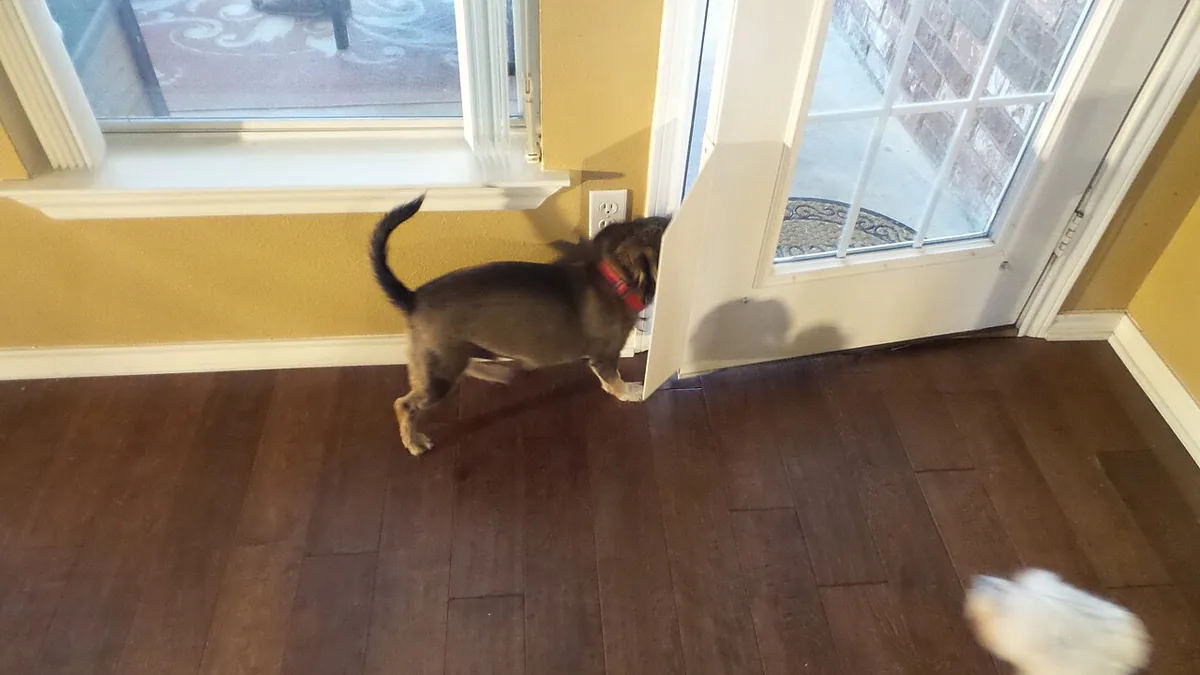
The 9 best AI tools for pet door installation startups at a glance
| Tool | Best for | Starting price | Standout feature |
|---|---|---|---|
| PetSafe | Electronic and microchip flap range | From around $150 | Selective-entry doors that read a pet’s microchip or collar key |
| Sure Petcare | App-connected microchip cat flaps | From around $180 | App control, curfew mode, and per-pet access records |
| Hale Pet Door | Wall-mount and oversized doors | From around $200 | Made-to-size aluminium frames for walls, doors, and windows |
| Endura Flap | Draught-proof sealing in cold climates | From around $250 | Dual-flap system with magnets that seals tight against wind |
| PlexiDor | Large dogs and security | From around $300 | Rigid panel doors with electronic locks for strong dogs |
| Ideal Pet Products | Budget flap and wall kits | From around $60 | Wide retail range, including wall kits with tunnel sections |
| Polycam | Measuring door and wall openings | Free tier; Pro from around $10 a month | LiDAR phone scans that give exact opening dimensions |
| Workiz | Quoting, scheduling, and invoicing | From around $65 a month | Jobs, crews, quotes, and payments in one app |
| Angi | Finding local customers | Free to list; pay per lead | Homeowners searching for a pet door installer find you first |
What makes a pet door installation startup different
A pet door installation startup is not a general handyman service and it is not a fencing company. It sits where joinery, glazing, weatherproofing, animal behaviour, and customer service meet in one small doorway. The customer is usually a homeowner who loves their pet and worries about it: that it will be shut in or shut out, that a stray will wander in, that the house will get cold, or that the new hole will ruin a good door. They expect the installer to have thought about the flap, the frame, the seal, the lock, and the pet itself before the first cut is made.
The opening decides everything on a pet door job. A timber door, a uPVC panel, a glass sliding door, and a brick or timber-framed wall all demand different tools, different fixings, and different time. A door that looks standard can hide a steel core, a foam core, or a glazed unit that cannot be cut at all. The best installers measure and photograph the door or wall before promising a date, because that photograph is the difference between a fair extra charge and an argument. AI measuring tools make that evidence easy to collect and share with the customer.
Sealing is the quiet profit-killer in this trade. A pet door without a proper seal becomes a cold draught within days, and the customer blames the installer, not the weather. Wind, rain, and heat loss all find the same weak point: the gap around the flap. A single thin flap flaps in the wind and lets in rain. A dual-flap system with magnets, a brush seal, and a tight frame keeps the house warm and the flap quiet. The installer who explains the seal before quoting gets the repeat work and the referrals, and the tools below capture those answers instead of losing them in a text thread.
The pet itself is the part of the job that no other door trade has to think about. A flap is not just a small hole in a door. It is a doorway a living animal must choose to use, several times a day, in all weathers, and the design has to respect how that animal behaves. A nervous cat needs a light flap and a clear view through it. A large dog needs a tall, wide, rigid flap that will not bend under its weight. An older pet needs a low step-over height, and a multi-pet household needs a lock that tells one animal from another. The installer who asks about the pet before quoting gets the work, and the microchip tools below solve the hardest version of that problem.
Wall versus door mounting is the decision that separates a professional from a handyman. A door mount is fast and cheap, but it only works when the door suits it. A wall mount takes longer and needs a tunnel kit, but it works on almost any house. Fitting a screen door installation is about the frame and the mesh; a pet door is about the flap, the seal, and the lock, and that difference is what this guide is built around.
The 9 best AI tools for pet door installation startups
Each tool below earns its place by solving one specific pet door problem. You do not need all nine on day one. Start with a measuring tool, one flap and lock range, and a quoting tool, then add the rest as the jobs pile up.
1. PetSafe: The best tool for an electronic and microchip flap range
PetSafe makes the widest range of electronic and microchip pet doors a startup is likely to need, and it is the product range to learn first if you want to serve both cats and dogs. Its SmartDoor and microchip doors read a pet’s implanted microchip or a collar key, so only the customer’s own animals can come and go. That selective entry is easy to sell once a customer has had a stray cat in the kitchen or a neighbour’s dog in the garden, and it is a job a general handyman rarely offers, which means less competition on price.
For a startup, the practical value is that one supplier covers the whole electronic range: small flaps for cats, medium doors for small dogs, and large doors for bigger breeds, in door-mount and wall-mount versions. You learn one programming method, one ordering process, and one set of frames, and you can quote confidently because you know exactly what fits where. Battery-powered models keep the install simple where there is no socket nearby, while mains-powered versions suit customers who want the door always on and never want to think about batteries.
The trade-off is that electronic doors cost more than a plain flap, so the quote has to carry the explanation with it. Show the customer how the lock learns the pet’s chip, how the curfew settings work, and what happens when the batteries run low. Keep one demo door in the van so the customer can watch a flap unlock for the right animal and stay shut for everything else. Start with the standard cat and small-dog sizes, add the large-dog models once your measuring is reliable, and use a microchip door as the showpiece in your quotes.
Best for: installers who want a single electronic range that covers cats, small dogs, and large dogs.
2. Sure Petcare: The best tool for app-connected microchip cat flaps
Sure Petcare, known for its SureFlap range, makes the microchip cat flap most cat owners already ask for by name, and that recognition is worth real money to a startup. Its Microchip Cat Flap Connect links to a phone app, so the owner can lock and unlock the flap remotely, set curfew hours, and see which cat came and went and when. For a customer with an indoor-outdoor cat, that record is the feature that closes the sale, because it answers the question every cat owner asks at night: is the cat in or out?
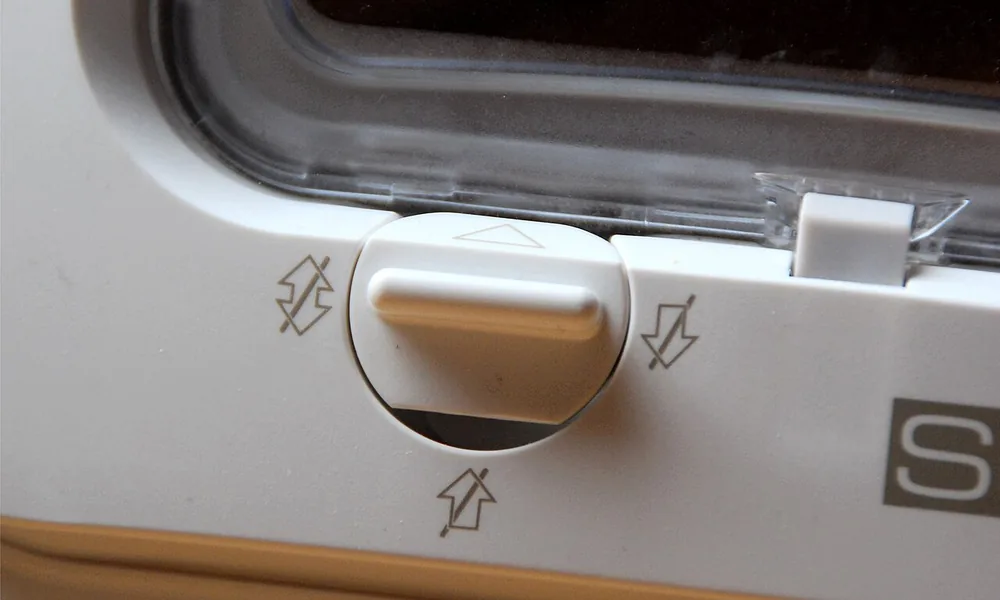
For a startup, the practical value is the install itself. The flap fits timber, uPVC, glass, and brick walls with the right mounting accessories, so one product covers most houses you will visit. Learn the glass-mount and wall-mount kits properly, because those are the jobs other installers turn down and the ones that pay the best. The app setup is part of the job, not an afterthought: pair the flap, register the cat’s chip, test it with the cat in the room, and show the owner the app before you leave. A customer who watches their own cat walk through a flap that unlocks only for them will tell their friends.
The trade-off is that app-connected flaps need a little more aftercare than a plain flap. Batteries, Wi-Fi, and app updates all generate the occasional call, so build a short follow-up into your price: a message after a week asking how the cat is getting on. That one message earns more reviews than any advert. Many customers who book a microchip flap also ask about cat enclosure installation for a safe outdoor space, so keep that conversation in mind when you are already in their home.
Best for: installers who want the microchip cat flap customers already ask for, with app control as the selling point.
3. Hale Pet Door: The best tool for wall-mount and oversized doors
Hale Pet Door makes made-to-size pet doors in aluminium frames, and it is the range to learn when the job does not fit a standard off-the-shelf size. A wall mount through brick or timber, a very large dog, a tall narrow door, or a customer who wants the door to match the house all point to the same answer: a door built to the opening, not an opening cut to fit a door. Hale builds each door to order, in door, wall, window, and screen versions, with single or double flaps.
For a startup, the practical value is that custom sizing turns difficult jobs into your best jobs. Most competitors walk away from a thick brick wall or a giant breed, and the customer remembers the installer who said yes. Learn to measure a wall properly, including its thickness, its structure, and what sits inside it, and learn the tunnel kit that bridges the gap between the inner and outer frames. Price wall mounts as a separate, higher-value service with their own checklist, and photograph every stage so the customer can see the insulation and sealing going in.
The trade-off is lead time. A made-to-size door is not sitting on a shelf, so you need to manage the customer’s expectations from the first visit: measure, order, and book the fitting date in the same conversation. Keep the customer updated while the door is being made, and never promise a next-day fitting on a custom order. Start with standard sizes for your first few jobs, then take on one wall mount a week until the process feels routine.
Best for: installers who want to win the wall-mount and oversized jobs other firms turn down.
4. Endura Flap: The best tool for draught-proof sealing in cold climates
Endura Flap makes dual-flap pet doors built around one idea: the flap should seal like a door, not flap like a curtain. Two flexible flaps sit in a frame with magnets that pull them closed, so wind cannot push the flap open and cold air cannot slip around its edges. In a cold climate, that seal is the whole sale. A customer who has lived with a rattling single flap through one winter will pay for a door that stays shut and quiet.
For a startup, the practical value is the callback you never get. Most pet door complaints are really sealing complaints: draughts, rattling, rain blowing in, and heating bills going up. A dual-flap system with a proper brush seal and a tight frame removes most of them in one fitting. Learn to explain the seal in plain language at the quote stage, and show the customer the magnets closing the flap with a fingertip push. That small demonstration does more than any brochure.
The trade-off is that a well-sealed flap is stiffer than a loose one, so some pets need a day or two to learn it. Build that into your handover: show the owner how to prop the flap open for the first day, tape it up so the pet gets used to the opening, then let it close on its own. A follow-up message after a week asking whether the pet is using the door catches the rare case where the flap needs adjusting, and it earns a review either way.
Best for: installers working in cold or windy areas where draughts and rattling flaps lose customers.
5. PlexiDor: The best tool for large dogs and security
PlexiDor makes rigid panel pet doors with electronic locks, and it is the range to learn when the pet is strong, the door is big, or the customer worries about security. A flexible flap works for most cats and small dogs, but a large dog can bend, chew, or push through one, and a determined intruder can reach through a soft flap too. A rigid acrylic panel that slides or swings on a solid frame, locked electronically to the pet’s collar key, solves both problems at once.
For a startup, the practical value is the premium job. Large-dog doors and security-conscious customers pay more, argue less about price, and refer friends with the same problem. Learn the electronic lock setup properly, including how to programme new collar keys, how to set the lock modes, and what to do when a key is lost. Keep spare keys in the van, because a customer locked out of their own pet door is a customer who rings you in a panic.
Best for: installers who want the large-dog and security-conscious end of the market.
6. Ideal Pet Products: The best tool for budget flap and wall kits
Ideal Pet Products makes the budget end of the pet door market, and that is exactly why a startup needs it. Not every customer wants a microchip lock or a custom aluminium frame. Many want a solid flap fitted neatly, at a fair price, this week. Its Ruff-Weather range covers flap doors for cats and dogs, with wall kits that add tunnel sections for thicker walls, and the parts are widely stocked, so you can pick them up the same day.
For a startup, the practical value is speed and cash flow. Budget jobs are quick to quote, quick to fit, and quick to pay, and they fill the diary between the bigger microchip and wall-mount jobs. Keep the most common sizes in the van so a straightforward door mount can be finished in a single visit. A customer who gets a tidy, well-sealed budget door on the first visit is a customer who calls you back when they move house or get a second pet.
Best for: installers who want fast, fairly priced flap and wall-kit jobs that fill the diary.
7. Polycam: The best tool for measuring door and wall openings
Polycam turns a phone into a 3D scanner, using its LiDAR sensor to build an accurate model of a door, a wall, or a whole room. For pet door work, that matters because the opening is the job: a frame that is out of square by a few millimetres will bind, gap, or refuse to seal, and a wrong measurement means a wasted door, a second visit, and an unhappy customer. A scan taken on the first visit gives you dimensions you can order from, and a record you can check before you cut anything.
For a startup, the practical value is the quote. Scan the door or wall while you are talking to the customer, and you can price the job on the spot with the measurements in front of you, instead of going home, measuring from a photograph, and ringing back the next day. The scan also settles the two questions that cause most arguments: is this door cuttable, and how thick is this wall? Share the scan with the customer so they can see what you measured and why the price is what it is.
Best for: installers who want exact opening measurements and same-day quotes from a phone scan.
8. Workiz: The best tool for quoting, scheduling, and invoicing
Workiz is the app that runs the business side of a pet door startup: quotes, bookings, crew schedules, invoices, and payments in one place. A pet door job is short, often under two hours, so the profit is in the number of jobs you can fit into a week, not in any single job. That means the scheduling has to be tight, the quoting has to be fast, and the invoice has to go out the same day. Workiz is built for exactly that kind of trade.
For a startup, the practical value is the diary. Jobs can be booked while you are still at the customer’s door, the crew can see the next job and the address on their phones, and the customer gets a message when you are on your way. Quotes go out with photos of the door and the chosen flap attached, so the customer is agreeing to a specific product, not a vague price. Payments can be taken on site, which means no chasing invoices at the end of the month.
The trade-off is that any job system is only as good as the information in it. Log the door type, the wall thickness, the pet’s size, and the flap ordered for every job, or the system cannot help you when the customer rings back in a year. Spend the first week setting up your price list properly, with separate prices for door mounts, wall mounts, glass mounts, and microchip programming, and the quoting will take care of itself after that.
Best for: small crews who want quotes, schedules, and payments in one app.
9. Angi: The best tool for finding local customers
Angi is where homeowners go when they want a local installer, and for a new pet door startup it is the fastest way to get the phone ringing. Customers post the job they need, installers in the area get the lead, and the first clear, professional reply usually wins it. Pet door jobs are exactly the kind of small, well-defined work that does well here: the customer knows what they want, the price is easy to understand, and the job can be booked within days.
For a startup, the practical value is that you only pay for the leads you take, and every finished job is a chance to earn a review that brings the next customer without another lead fee. Answer leads fast, within minutes where possible, and reply with a specific question about the door and the pet, not a generic message. A reply that asks whether the door is timber or uPVC, and how big the dog is, tells the customer you know the trade, and it starts the measuring conversation before you have even visited.
The trade-off is that lead costs vary by area, and not every lead turns into a job. Track what each lead costs against what it earns, and stop buying leads in areas where the numbers do not work. Pair the leads with your own reviews and a simple website, so customers who find you on Angi can see finished doors and real feedback before they book. Start with a small weekly lead budget, learn which jobs convert best, and spend more only where the return is proven.
Best for: new installers who need a steady flow of local pet door jobs from week one.
Your first-month checklist
Use this checklist to get the business running in the right order. Do the measuring and product learning first, and leave the marketing spend until the fitting is reliable.
- Pick your starting range: one microchip flap, one dual-flap sealing door, and one budget flap kit. Learn to fit all three blindfolded before you take a paying job.
- Set up Polycam and practise scanning doors and walls at home until the measurements match your tape measure every time.
- Build your price list in Workiz: door mount, wall mount, glass mount, microchip programming, and a call-out fee, all as separate line items.
- Fit three doors for friends or family at cost, photograph every stage, and use those photos and reviews to open your Angi profile.
- Write a one-page handover sheet for every customer: how the flap works, how to train the pet, when to change the batteries, and how to reach you.
- Pair the pet door with the garden: customers who fit a door often want safe outdoor access too, so learn the basics of dog run installation and mention it when the garden suits it.
Frequently asked questions
Do I need all nine tools to start a pet door installation business?
No. Start with three: Polycam for measuring, one flap and lock range you know well, and Workiz for quoting and scheduling. Add the microchip ranges and Angi leads once you have fitted your first ten doors and the process feels routine. Buying every tool on day one spreads your money thin and your attention thinner.
Is a wall-mount pet door better than a door-mount one?
Neither is better in general; they suit different houses. A door mount is faster and cheaper, and it works well when the door is timber or uPVC and the pet is the right size for it. A wall mount costs more and takes longer, but it works on almost any house, leaves the doors untouched, and suits thick walls and very large pets. Quote both where both are possible, and let the customer choose with the prices in front of them.
How do microchip pet doors actually work?
A microchip door reads the small chip a vet implants under the pet’s skin, or a tag on the pet’s collar, and unlocks only for the animals registered to it. Strays, neighbours’ pets, and wildlife stay outside. The owner programmes the door once, usually with a button press while the pet walks through, and the lock learns the chip. Most models run on batteries and work for months between changes.
Will a pet door make my house cold?
A badly fitted single flap will, but a well-fitted dual-flap door with magnets and a brush seal loses very little heat. The seal matters more than the brand. Ask your installer what sealing the door has, how the flap closes, and whether the frame is sealed to the door or wall. A good installer will show you the flap closing and explain the draught rating before you pay.
Can a pet door be fitted in a glass door?
Yes, but not by cutting the existing glass. A glass door needs a new glazed unit with a hole cut for the flap, or a panel insert that fits into a sliding door track. Both are specialist jobs, so they cost more and take longer to arrange than a timber door fitting. Tell your installer the door is glass at the first call, so the quote and the lead time are right from the start.
How long does a pet door installation take?
Most door mounts take one to two hours, including measuring, cutting, fitting, sealing, and testing with the pet. Wall mounts usually take three to four hours because of the tunnel kit, the insulation, and the sealing on both sides. Glass mounts take longer overall because the glazed unit has to be ordered and made before the fitting day. A straightforward job should be finished in a single visit.
The bottom line
A pet door installation startup wins on three things: measuring the opening right, fitting a flap that seals, and choosing a lock that suits the pet. The tools in this guide cover all three, plus the quoting, scheduling, and customer-finding that turn good fitting into a good business. Start small, with a measuring app, one flap range you trust, and a job system that keeps the diary full. Learn the microchip locks properly, because they are the jobs that pay best and bring the most referrals. Fit every door as if the customer will stand in the hallway watching the flap close, because they will, and a quiet, draught-free close is the best advert you will ever have.

Keep what speaks to you.
Leave room for your own perspective.