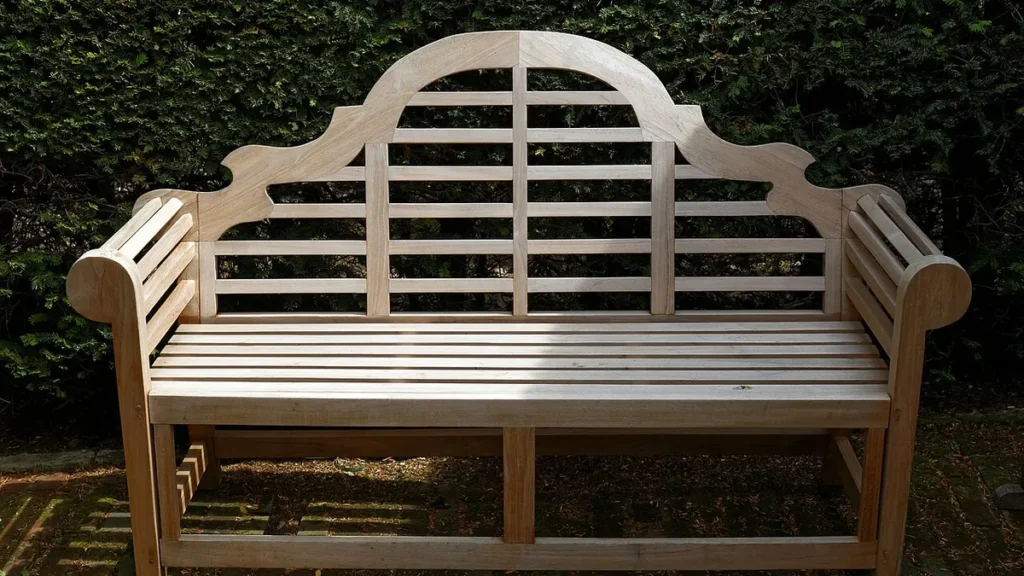
An outdoor bathtub installation startup is a small building business, a plumbing business and a garden design business sharing one van, one phone number and one reputation. The customer is not buying a bath. They are buying a warm soak under the sky, on a deck that will not rot, beside a house that will not flood, behind a screen that keeps the neighbours out. Every part of that promise has to be planned before the tub arrives, because a freestanding tub full of water weighs hundreds of kilos, the deck underneath it has to carry that weight for years, and the drain has to take the water somewhere sensible every single time the tub is emptied.
The best AI tools for outdoor bathtub installation startups in 2026 understand that the job happens outside. They help a two-person crew design a tub, deck and privacy screen on a photo of the customer’s own garden, price the plumbing and drainage as separate lines instead of one vague labour figure, schedule a job that depends on dry weather, and keep a photo record of the deck frame, the waste run and the finished soak. A tool built for indoor bathrooms will happily quote a tiled alcove and a glass screen, but it will not ask where the water goes when it hits open ground, how the pipes survive a hard frost, or whether the tub can be seen from the house next door.
This guide compares nine AI tools that fit an outdoor bathtub installation startup at launch. Every tool was judged on the same practical questions: does it help with the outdoor-specific work of deck design, plumbing, drainage and privacy; does it work from a phone on a muddy job site; does it cost less than the work it replaces; and can a small crew learn it in a week? You will find a comparison table, detailed reviews, a startup checklist, and answers to the questions new owners ask most often.
Key Takeaways
- Start with one design tool, one quoting tool and one job-management tool. Those three carry most of the revenue for a new outdoor bathtub installation startup.
- The deck decides the job. A tub that is level on a deck that sags, rots or drains toward the house will generate callbacks no amount of clever software can fix, so design the structure and the fall before you quote.
- Drainage and privacy are selling points, not afterthoughts. A clear waste route and a screen the customer helped choose protect the business and create repeat work.
- Photograph every stage, from the deck frame to the finished tub. Outdoor work is judged in daylight, and a photo record settles disputes about levels, drainage and finish.
- Keep the stack small and the customer record single. One record per household, with every measurement, quote, photo and invoice in the same place, stops missed visits and forgotten follow-ups.
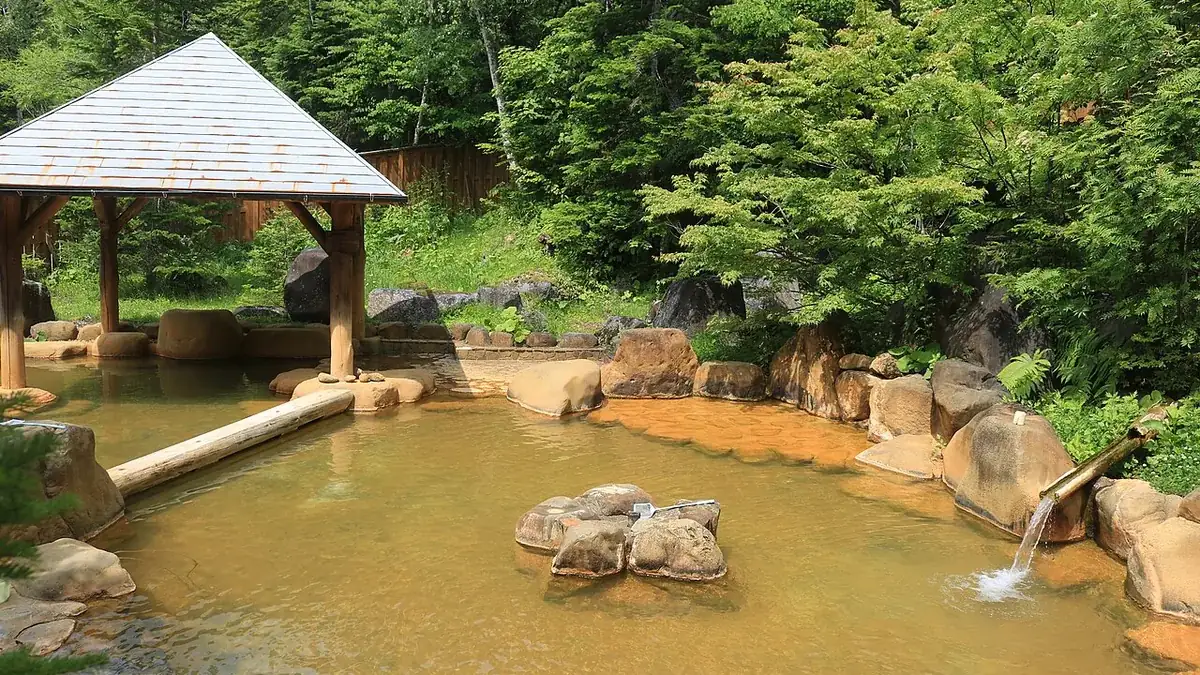
Outdoor Bathtub Jobs Are Not Indoor Bath Jobs
The first mistake a new installer makes is treating an outdoor bathtub like a bathroom bath that happens to sit outside. An indoor bath sits in a sealed room with a trapped drain, a waterproof floor and a roof over it. An outdoor bathtub sits in the weather. Rain falls into it, leaves blow into it, sun fades the deck around it, and frost gets into any pipe that holds water. The tub itself is only part of the job. The deck or pad underneath it, the screen around it, the water supply to it and the drain away from it are all part of the installation, and the customer judges all of them every time they step outside to soak.
Weight is the detail that surprises most beginners. A freestanding soaking tub is heavy when it is empty, and far heavier when it is full of water with a person in it. A standard timber deck built for chairs and a barbecue will not carry that load safely, and a deck that flexes under a full tub will crack its own fixings, tilt the tub and eventually leak at the waste connection. A good design tool shows the customer the tub on their own deck, but the quoting tool behind it has to price the strengthened frame, the footings and the right fixings as separate lines. The crew needs to record the joist spacing, the footing depth and the load calculation against the job, so that nobody is guessing on install day.
Privacy shapes the sale as much as plumbing does. Most customers will not buy an outdoor bath they cannot use without being watched, and the screen that solves that problem is a design decision, not an afterthought. A cedar slat screen looks warm and ages gracefully, but it needs oiling and moves with moisture. A composite screen stays straight and needs little care, but it costs more and can look cold next to a garden. A living screen of planting takes time to grow and needs watering, yet it softens the whole garden. The tools in this guide help a startup show those options on a photo of the customer’s own garden before anyone orders timber, which matters far more outdoors than indoors, because the customer cannot picture a garden bath from a brochure photograph.
Drainage is where outdoor jobs are won or lost. Water from a bathtub has to go somewhere legal and sensible, and a full tub empties a large volume of water in a short time. In many areas it cannot run straight into a storm drain, and it must never run toward the house foundations or pool against the deck posts. A gravel soakaway, a connection to an existing waste run or a pumped discharge each suit different ground, and the right answer depends on soil, slope and local rules. The crew needs to measure the fall from the tub waste to the discharge point, record the soil type and photograph the trench before it is backfilled. Software that stores those measurements and photos against the job protects the business when a customer later asks why water pools near the patio.
The same outdoor logic applies to the water supply and to winter. A plumbed outdoor bath in a cold climate needs a drain-down point, a frost-proof supply and a shut-off inside the house so the whole run can be emptied in autumn. A long garden run loses pressure, so a filler that trickles will be blamed on the installer even when the house supply is the cause. A heater, where one is fitted, adds gas or electric supply and venting to the design. Installers who work on outdoor shower installation startups face the same weather, drainage and freeze-protection questions, and the tools that help them are a useful warning about what happens when any of those details are left to chance.
How We Compared the Best AI Tools for Outdoor Bathtub Installation Startups
We judged every tool on the work an installer actually does in a week. Quoting speed came first: how fast can a site survey become a quote, and how professional does it look on a phone? Design and visualisation came second, because a customer who can see the tub, deck and screen in their own garden says yes faster and changes their mind less. Job scheduling came third, parts and materials tracking fourth, customer messaging fifth, and reviews and price last, because a cheap tool that loses jobs is expensive.
Finally, we checked the fresh-product rule against the nearest neighbours on this site. The outdoor shower guide is built around enclosure and freeze-protection tools, the cold plunge guide around chiller and water-care tools, the hot tub guide around delivery, pad and water-chemistry tools, and the indoor bathtub guide around alcove measuring and tile-surround tools. None of the nine products below appears in any of those guides. This guide is about outdoor soaking tubs: deck design, plumbing, drainage, privacy and the long, slow soak a customer pictures when they first call.
The Best AI Tools for Outdoor Bathtub Installation Startups at a Glance
| Tool | Best for | Standout strength | Starting price |
|---|---|---|---|
| Houzz Pro | Outdoor living design and client presentations | Photo-based garden designs and polished proposals | From about $65 per month |
| JobNimbus | All-round job management for install crews | Quotes, scheduling and invoicing in one place | From about $69 per user per month |
| STACK | Deck, plumbing and tub takeoffs | Digital measurements and material lists from plans | From about $165 per month |
| Matterport | 3D site scans and tub placement | Accurate digital twins of gardens and decks | From about $19 per month |
| Cedreo | 3D deck and garden design visualisation | Fast outdoor layouts a customer can understand | From about $109 per month |
| Xero | Quotes-to-cash accounting | Clean invoicing, expenses and bank reconciliation | From about $20 per month |
| Square Invoices | Deposits and on-site payments | Simple invoices and card payments on a phone | Free to send; card fees apply |
| Thumbtack | Local leads for new installers | Homeowners searching for outdoor installers | Pay per lead; no monthly fee |
| Notion AI | Checklists, SOPs and crew notes | One searchable home for every install process | Free plan; paid from about $10 per user per month |
The Tools in Detail
1. Houzz Pro: Best for Outdoor Living Design and Client Presentations
Houzz Pro is the strongest first buy for an outdoor bathtub startup that sells on the finished picture, not on a list of parts. A customer who is spending serious money on a garden bath wants to see the tub, the deck and the screen together, in their own garden, before they sign. Houzz Pro lets a small crew build that picture from a photo of the garden, add the tub and the planting around it, and send a proposal that looks like it came from a much larger design studio. That presentation matters, because the sale is usually made in the customer’s home, often with two decision makers present, and trust matters as much as price.
2. JobNimbus: Best All-Round Job Management for Install Crews
JobNimbus is the centre of the stack for a startup that wants one system for the whole job, from first call to final invoice. A lead comes in, a site survey is booked, a quote is sent, the job is scheduled, the crew is assigned, photos are attached, and the invoice goes out, all against the same customer record. For an outdoor bathtub business, that single record is the point. The deck measurements, the drain route, the screen choice and the winter drain-down date all live in one place, and nobody has to ask the founder where a detail was written down.
3. STACK: Best for Deck, Plumbing and Tub Takeoffs
STACK earns its place on the jobs where the quote is won or lost on materials. An outdoor bathtub install is a takeoff job: deck boards, joists, footings, fixings, screen panels, pipe, fittings, waste pipe, gravel and membrane all have to be counted, and a quote built from memory will miss one of them on a regular basis. STACK lets a startup measure from a plan or a photo, count the materials by the square foot or the linear foot, and build a material list that the supplier can price. That discipline matters more outdoors than indoors, because the deck and the drainage are most of the cost and most of the risk.
The workflow is straightforward once the templates are set up. A standard deck size, a standard screen height and a standard waste run become reusable assemblies, so a new quote starts from a template rather than a blank page. The material list goes to the supplier, the price comes back, and the quote goes to the customer with the margin already in it. The limit is that STACK is an estimating tool, not a customer-facing design tool, so it will not help a customer picture the finished garden. It also takes a week of real jobs to build templates that are accurate. Start with it if your quotes keep missing materials, and keep the templates updated after every job until the numbers stop moving.
4. Matterport: Best for 3D Site Scans and Tub Placement
Matterport is the tool for the site survey that has to be right the first time. An outdoor bathtub job lives or dies on measurements that cannot be guessed: the width of the gate the tub must pass through, the slope of the garden, the distance from the house wall to the tub, the height of the fence, and the fall from the waste to the drain. A Matterport scan turns a garden and a deck into an accurate digital twin that the whole crew can measure from, long after the survey visit is over. The installer who orders the tub, the deck boards and the pipe can check the real dimensions instead of trusting a scribbled note.
5. Cedreo: Best for 3D Deck and Garden Design Visualisation
Cedreo is the fastest way to show a customer a garden bath they can understand. A 3D layout of the deck, the tub, the screen and the planting takes an hour rather than a day, and the customer can see the result from the patio door, from the garden gate and from the neighbour’s side of the fence. That matters for an outdoor bathtub, because the customer is buying a view as much as a bath, and a flat plan does not show whether the screen is tall enough or the deck is wide enough for two chairs beside the tub.

6. Xero: Best for Quotes-to-Cash Accounting
Xero is the quiet tool that keeps an outdoor bathtub startup solvent. Installs are lumpy work: a deposit in March, a big materials bill in April, a final payment in May, and a quiet winter when the only money coming in is service visits. A spreadsheet will track that for a month, then it will not, and the founder will discover the gap when a supplier asks to be paid. Xero keeps invoices, expenses, bank reconciliation and tax in one place, and it shows the cash position on a phone before the founder orders the next tub.
7. Square Invoices: Best for Deposits and On-Site Payments
Square Invoices is the simplest way for a small outdoor bathtub crew to get paid without chasing cheques. A deposit can be sent from the van after the survey, the customer can pay by card on a phone, and the final balance can be taken on handover day, while the customer is standing beside the finished tub and feeling good about the job. That timing matters. A customer who has just soaked in a warm tub on their own deck is far more likely to pay promptly and leave a review than one who receives an invoice three days later.
8. Thumbtack: Best for Local Leads for New Installers
Thumbtack is the lead source for a new outdoor bathtub startup that has no reputation yet and no referral network. Homeowners searching for an outdoor installer, a deck builder or a garden bath specialist find the business through Thumbtack, read its reviews, and send a request with a description of the job and a photograph of the garden. For a founder who is good at installing tubs and bad at marketing, that steady flow of enquiries is worth more than a clever website that nobody visits.
9. Notion AI: Best for Checklists, SOPs and Crew Notes
Notion AI is the tool that stops a two-person crew from making the same mistake twice. An outdoor bathtub install has a fixed sequence: survey the garden, measure the access, design the deck and screen, quote the tub and the plumbing, order the materials, build the deck frame, set the tub, connect the waste, test for leaks, fit the screen, and walk the customer through the care of the new bath. When that sequence lives in one person’s head, a busy week will break it. When it lives in Notion, with a checklist for every stage and a note for every lesson learned, a new installer can follow it on day one.
Plumbing, Drainage and Privacy: Where AI Tools Earn Their Keep
Plumbing is the part of an outdoor bathtub job that looks simple and is not. A freestanding tub needs a filler, a waste and an overflow, and all three have to work outside, in the weather, for years. The filler has to deliver enough water at enough pressure to fill a large tub in a reasonable time, which means the supply run from the house has to be sized properly and the pressure has to be measured at the tub, not at the kitchen tap. The waste has to carry a full tub away quickly without flooding the deck, which means the pipe has to be the right size, the fall has to be right, and the discharge point has to be legal. The overflow has to be tested before the first bath, because a customer will look at the waterline every morning.
Drainage deserves its own paragraph because it is the most common reason an outdoor bath job goes wrong. A full tub empties a large volume of water in a short time, and that water has to go somewhere. A soakaway needs the right soil and the right size. A connection to an existing waste run needs the right fall and the right access for cleaning. A pumped discharge needs power and a pump that the customer understands how to maintain. The crew needs to record the soil type, the fall and the discharge point on every job, and the quote has to reflect the real cost of that work rather than a guess. The indoor side of the trade is a useful comparison here, and the way bathtub installation startups measure alcoves, drains and overflows shows how much of the job is decided by measurements taken before anyone orders a tub.
Privacy is the third leg of the same stool. A screen that is too low, too thin or too ugly will ruin a job that is otherwise perfect, and a screen that the customer helped choose will be loved even if it costs more. A design tool that shows the screen from the neighbour’s side of the fence is worth more than a paragraph in a quote, because the customer can see the answer to the question they are too polite to ask. A job manager that records the screen height, the material and the finish against the job protects the business when a customer later asks for a taller screen, because the record shows what was agreed and what was paid for.
Choosing Your Starter Stack
A new outdoor bathtub installation startup should start with three tools and add the rest only when a clear gap appears. Pick one design tool, Houzz Pro or Cedreo, one quoting and job tool, JobNimbus, and one money tool, Xero or Square Invoices. That trio covers the sale, the install and the payment, and it costs less than a single wasted day of rework. Add STACK when quotes keep missing materials, Matterport when access and levels keep causing surprises, Thumbtack when the order book is empty, and Notion AI when the crew is growing and the founder is repeating the same instructions.
Budget honestly. A sensible starting stack costs roughly $150 to $300 a month, which is less than a single day of install labour and far less than a single callback to rebuild a deck. The money is not the risk. The risk is buying five tools in the first week, spending a month learning them, and discovering in June that the diary is empty because nobody was selling jobs while the founder was learning software. The tools that win are the ones that help the founder sell the next job, install it well, and get paid for it, in that order. The wider world of warm-water installs is a useful check on that order, and the way hot tub installation startups plan deliveries, pads and water care shows how much of the business is won before the tub ever leaves the yard.
Outdoor Bathtub Installation Startup Checklist
- Survey the garden in person, measure the gate, the slope, the deck area and the fall to the drain, and photograph the access route before you quote.
- Design the tub, deck and screen on a photo of the customer’s own garden, agree the screen height and material in writing, and price the deck frame, plumbing and drainage as separate lines.
- Order the tub, timber, pipe and fittings against a single material list, confirm the delivery date with the supplier, and check the deck load calculation before the tub arrives.
- Build the deck frame, photograph it before the boards go on, set the tub level, connect the waste and overflow, and test for leaks before the screen is fitted.
- Walk the customer through the fill, the drain, the winter drain-down and the care of the deck and screen, take the final payment on the day, and ask for a review while the tub is still warm.
- Schedule the winter drain-down visit and the annual service check before you leave, file every photo and measurement against the customer record, and review the job costs within a week.
Frequently Asked Questions
What is the best AI tool for an outdoor bathtub installation startup?
Start with JobNimbus for job management, Houzz Pro or Cedreo for design, and Xero or Square Invoices for money. That trio covers the sale, the install and the payment, and it costs less than a single day of rework. Add STACK for takeoffs and Matterport for site scans when those specific gaps appear, rather than buying every tool in the first week.
How is an outdoor bathtub different from an indoor bathtub to install?
An indoor bath sits in a sealed room with a trapped drain and a roof over it. An outdoor bath sits in the weather, on a deck that must carry a full tub, with a waste run that has to be invented for every garden, a water supply that needs frost protection, and a screen that keeps the neighbours out. The deck, the drainage and the privacy are part of the installation, not extras.
Where does the water from an outdoor bathtub drain to?
It depends on the garden, the soil and the local rules. A gravel soakaway, a connection to an existing waste run or a pumped discharge each suit different ground, and the right answer depends on the fall from the tub waste to the discharge point. The crew should measure that fall, record the soil type and photograph the trench before it is backfilled, and the quote should price the drainage as a separate line.
How do I stop an outdoor bathtub freezing in winter?
Fit a drain-down point and a shut-off inside the house, insulate the supply run, and empty the whole system in autumn. Schedule a winter drain-down visit for every customer, record it against the customer record, and use the visit to check the deck, the screen and the waste at the same time. A frozen pipe in January costs far more than a planned visit in October.
Do I need planning permission for an outdoor bathtub?
It depends on where the customer lives, how tall the screen is, and whether the deck is raised. Most simple ground-level installs do not need permission, but a tall screen, a raised deck or a listed building can change the answer. Check the local rules before you quote, record the answer against the job, and do not promise a start date until the question is settled.
How much should an outdoor bathtub installation startup spend on software?
A sensible starting stack costs roughly $150 to $300 a month. That is less than a single day of install labour and far less than a single callback to rebuild a deck. Spend the money on the three tools that carry the sale, the install and the payment, measure quote turnaround and callback rates for a month, and add a fourth tool only when a clear gap appears.
The Bottom Line
An outdoor bathtub installation startup wins by doing the outdoor work properly: a deck that carries a full tub, a drain that takes the water somewhere sensible, a supply that survives winter, and a screen the customer helped choose. The nine tools in this guide help a small crew design that job on a photo of the customer’s own garden, price it as separate lines, schedule it around the weather, and keep a photo record of every stage. Start with one design tool, one quoting tool and one money tool, run them on real jobs for a month, and add the rest only when the numbers say you need them. The tub is the easy part. The deck, the drain and the privacy are the business.

Keep what speaks to you.
Leave room for your own perspective.