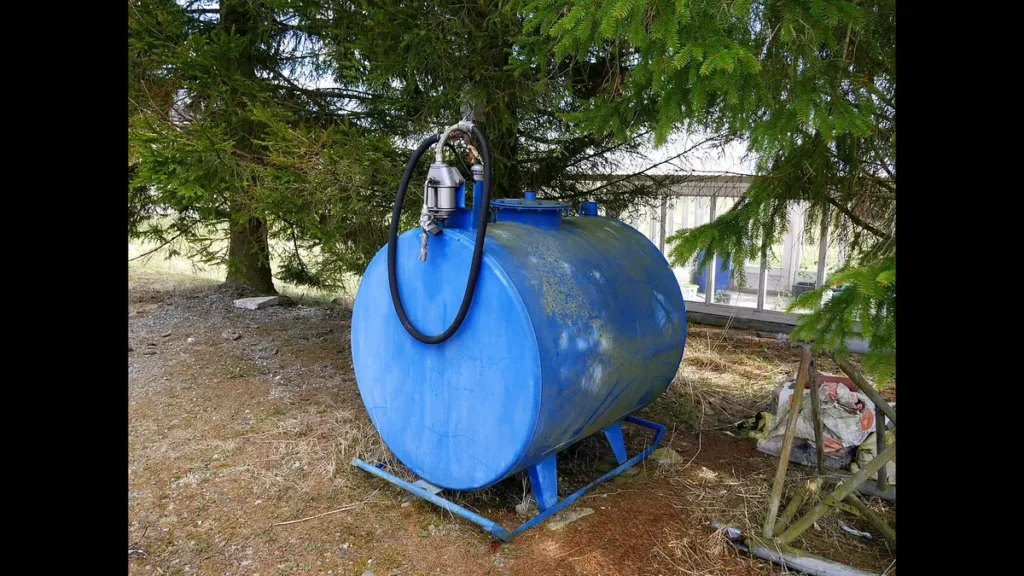
An oil tank installation is not a boiler swap and it is not a gas job. It is a small building project with a liquid fuel store at its centre: a bunded tank that can hold its own contents twice over if something goes wrong, a concrete base that will not tilt or sink, a fill line the delivery driver can reach without dragging a hose across a garden, and a gauge the homeowner can actually read. Get those four pieces right and the heating system that hangs off the tank is almost an afterthought. Get one of them wrong and the startup gets the call back, the spill, or the insurance claim.
That is why the AI tools that matter for an oil tank startup look different from the tools that matter for most heating trades. The work starts outside, in the rain, measuring a patch of ground and working out whether a tank will fit, whether the base can take the weight of a full store, and whether the bund will catch a leak before it reaches a drain. A tool earns its place here only if it helps with that physical build: the survey, the siting, the estimate, the gauge and the photo trail that proves every step was done properly.
This guide compares the nine tools that do that job best in 2026, from live oil-level gauges that warn a customer before the tank runs dry to estimating and job-management software that keeps a two-van startup organised. Every tool was picked for the oil-store build itself, not for generic heating work, and the prices, strengths and weak points are set out plainly so a new startup can pick a small stack and start quoting with confidence.
Key takeaways
- An oil tank install is a heating-oil store build: bund, base, lines and gauge come first, and the boiler is secondary.
- Live tank gauges are the highest-value tools in the stack, because they turn a one-off install into a monitored customer who never runs dry.
- SketchUp and Buildxact cover the two jobs most startups get wrong: siting the tank properly and pricing the base and bund honestly.
- Jobber and Buildertrend run the business side, from the first quote to the final photo record, without heating-trade bloat.
- A sensible starter stack costs roughly $150 to $400 a month, and the gauges pay for themselves in retained customers and fewer emergency call-outs.
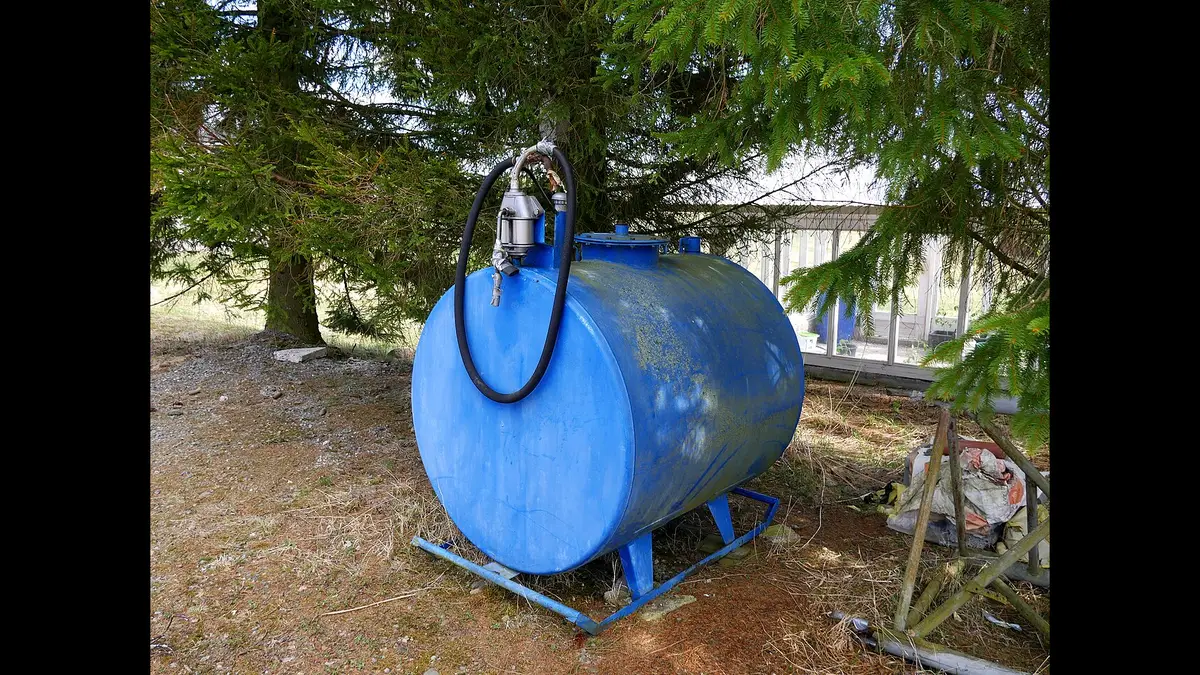
Best AI Tools for Oil Tank Installation Startups at a Glance
| Tool | Main Job | Standout Feature for Oil Tank Installs | Pricing Model |
|---|---|---|---|
| Smart Oil Gauge | Live oil level and usage forecasting | Daily level readings and refill forecasts from real burn data | Per gauge, subscription |
| Kingspan Watchman Sonic | Ultrasonic tank level gauge | Wireless level readings with low-level alerts for the homeowner | Per gauge, one-off plus app |
| Apollo Ultrasonic | Tank gauge with app and alerts | Simple app readings and leak-pattern alerts after every install | Per gauge, one-off plus app |
| Veeder-Root TLS-450PLUS | Commercial tank gauging | Automatic gauging with leak detection for larger oil stores | Per site, quoted |
| Monnit Wireless Tank Level Sensors | Remote monitoring across many tanks | One dashboard for every tank a startup looks after | Per sensor, subscription |
| SketchUp | 3D siting and layout | Modelling the tank, bund, base and pipe runs before a spade is lifted | Monthly subscription |
| Buildxact | Estimating and takeoffs | Honest pricing for the base, bund and lines in one quote | Monthly subscription |
| Jobber | Quotes, scheduling and invoicing | Fast estimates, crew scheduling and payments for small teams | Per user, monthly |
| Buildertrend | Project tracking and customer updates | Photos, checklists and progress updates shared with the customer | Monthly subscription |
How an Oil Tank Installation Startup Really Works
The job begins with a survey, and the survey is mostly about ground. An oil tank full of heating oil is heavy, often well over a tonne, and it sits outside in all weathers for decades. The base has to be level, solid and big enough to carry the whole footprint of the tank plus its bund, and it has to stay level after a wet winter. A base that settles by a few centimetres can tilt a tank, strain a pipe joint and turn a tidy install into a slow leak. The best startups treat the base as the job, not as an afterthought, and they price it that way.
The bund is the second piece, and it is the one that separates a proper oil store from a tank sitting on a slab. A bunded tank has an outer skin that holds at least 110 percent of the inner tank’s contents, so a split seam or a failed fitting dumps oil into the bund instead of into the soil. Regulations in many areas expect bunding as standard now, and insurers ask about it first. A startup that can explain bunding in plain language, show the customer the capacity figure, and photograph the bund before the tank goes in wins trust that a cheaper unbunded quote never will.
Then come the lines: the fill pipe the delivery driver connects to, the vent that lets air out as the tank fills, and the supply line that carries oil to the boiler. Each one needs the right fall, the right protection from knocks and frost, and a route that does not cross a drain, a path or a flower bed. A fill point tucked behind a hedge means the driver drags a hose across the garden twice a year, and every drag is a chance to damage the line. Good siting puts the fill point where the truck can reach it, and the gauge where the homeowner can see it without climbing over anything.
The gauge is the part the customer lives with. A sight gauge on the side of the tank is cheap and honest, but it means going outside in the rain to check a level. An electronic gauge sends the reading to a phone, warns before the tank runs low, and learns how fast the household burns oil through the winter. For a startup, that gauge is also the beginning of a relationship: the customer who can see their level is the customer who calls you for the next service and the next tank. This is a different trade from a propane tank installation startup, where the fuel arrives as pressurised gas and the safety questions centre on pressure and ventilation rather than liquid containment, a concrete base and a bund.
What to Look for in an AI Tool for Oil Tank Installation
Start with the physical job. A tool that cannot help with siting, measuring, pricing or proving the build is a tool for a different trade. Estimating software should handle a concrete base, a bund and pipe runs as line items, not as a single vague “materials” figure. A survey tool should measure the space and show the tank in it, so the customer can see the finished store before agreeing to it. If a tool’s demo shows office work and nothing outdoors, it will not survive the first muddy survey.
Next, look at the gauge story. The gauge is the only part of the install the customer touches every week, so the tool that supplies it matters more than any back-office feature. Ask whether the gauge reads reliably in cold weather, whether the alerts reach the customer before the tank is empty, and whether the readings feed into something the startup can use, like a refill forecast or a service reminder. A gauge that only shows a number on a small screen is a missed chance to stay in touch with the customer.
Then check the compliance trail. Oil is a pollutant, and a spill is expensive, so the record matters. The right tools make it easy to photograph the base before the pour, the bund before the tank goes in, and the finished lines with their clips and guards. Time-stamped photos organised by address, a checklist the installer signs on site, and a customer copy of the finished record are worth more than any amount of automated marketing.
The 9 Best AI Tools for Oil Tank Installation Startups
1. Smart Oil Gauge
Smart Oil Gauge is an ultrasonic gauge that sticks to the top of a heating oil tank and sends live level readings to an app, and it is the single most useful tool an oil tank startup can fit. The sensor measures the oil level several times a day, learns how quickly the household burns fuel, and tells the customer how many days of oil are left instead of how many inches are in the tank. That one change, from inches to days, is what makes customers actually look at the gauge instead of ignoring it until the boiler stops.
For the startup, the value is in the alerts. A low-level warning goes to the customer and, with their permission, to the installer, which means the startup can book a top-up or a service visit before an emergency call-out. The gauge also builds a burn-rate history, so a quote for a larger replacement tank can be based on real usage instead of a guess about the size of the house.
The weakness is that the gauge needs a phone signal or Wi-Fi to report, so rural properties with poor coverage get fewer readings, and the sensor needs a clear mounting point on top of the tank. It is also a per-gauge cost on every job, so the startup has to build it into the quote rather than absorbing it. Even so, for a new business that needs repeat work, this is the first tool to buy and the first thing to mention in a quote.
2. Kingspan Watchman Sonic
Kingspan’s Watchman Sonic is the gauge most heating-oil households already know, and that familiarity is exactly why a startup should fit it. The ultrasonic sensor sits on the tank and talks to a small receiver plugged in inside the house, showing the level at a glance without anyone going outside. Newer versions connect to an app, so the reading travels to a phone as well as to the hallway receiver.
The strength of the Watchman is reliability. It is a simple, proven device that installers know how to fit in minutes, and customers understand it without a lesson. The low-level alarm is loud enough to be noticed, and the reading is steady enough to trust. For a startup, fitting a Watchman as standard removes the most common after-install phone call, which is the customer asking how much oil is left.
The trade-off is that the Watchman is a gauge, not a management system. It does not forecast burn rates as cleverly as the smartest app gauges, and it does not feed a dashboard the startup can monitor across many customers. What it does, it does without fuss, and for a new business that needs installs to go smoothly, that is a genuine strength rather than a limitation.
3. Apollo Ultrasonic
Apollo’s ultrasonic gauge is a close cousin of the Watchman, built for the same job: a sensor on the tank, a reading in the house, and an app for the phone. Where it stands out is in the alerts. The Apollo flags unusual drops in level, which can be the first sign of a leak or a theft, and it keeps a simple history the homeowner can scroll through to see how the tank has behaved over the winter.
For an oil tank startup, that leak-pattern alert is worth more than it looks. A slow fall in level that does not match the heating usage is exactly the kind of problem a customer notices months too late, when the ground is already stained. A gauge that raises the question early lets the startup investigate while the fix is still small, and that is the kind of service that earns a recommendation.
The gauge is affordable and quick to fit, which makes it a good standard fitting on smaller installs where a premium smart gauge would push the quote too high. Its app is simpler than the most advanced options, and it does not offer the same depth of forecasting. For a startup working through its first twenty installs, though, simple, reliable and fitted as standard is the right call.
4. Veeder-Root TLS-450PLUS
The Veeder-Root TLS-450PLUS is the heavy end of the list, and it belongs on the bigger jobs: farms, schools, hotels and commercial premises with large oil stores. It is an automatic tank gauging system that watches level, temperature and leaks across one or more tanks, and it raises the alarm the moment the numbers stop adding up. For a startup that wants to take on commercial work, knowing this system is a door-opener.
The strength here is precision and proof. The system records inventory continuously, runs leak tests on a schedule, and produces the kind of report a facilities manager or an insurer can file without asking questions. A startup that can install and commission a Veeder-Root system can quote commercial stores that a domestic-only installer cannot touch, and the margins on that work are better.
The weakness is obvious: this is quoted, installed and commissioned equipment, not a gadget fitted in an afternoon. It needs training and a different sales conversation, and it is overkill for a standard domestic tank. A new startup should not buy one on day one, but it should know the system exists, because the first commercial enquiry will ask about it.
5. Monnit Wireless Tank Level Sensors
Monnit makes wireless sensors that report tank levels to a single online dashboard, and the dashboard is the point. A startup that looks after fifty or a hundred tanks can see all of them on one screen, sort them by days of fuel remaining, and plan the week’s service visits around the tanks that actually need attention. That is a different way of running the business from waiting for customers to phone.
The sensors are small, battery-powered and easy to fit, and the software sends alerts by text or email when a level crosses a threshold the startup sets. The burn history for each tank builds up over time, so the startup can spot the customer whose usage has jumped, which usually means a boiler problem worth investigating.
The cost is per sensor plus a subscription, so the numbers only work once the startup has a base of monitored customers. The sensors also need a wireless gateway with decent coverage on the property. For a startup that wants to grow into a service and monitoring business rather than staying an install-only outfit, Monnit is the tool that makes that growth manageable.
6. SketchUp
SketchUp is the siting tool, and siting is where oil tank installs are won or lost. The software lets the installer build a simple 3D model of the garden or yard, drop in the tank and its bund at the right size, and show the customer exactly where the finished store will sit, how much space it takes, and where the fill point and the supply line will run. That picture ends arguments about position before the work starts.
The real value is in catching problems early. A model shows that the tank blocks a gate, that the fill hose cannot reach from the road, or that the base would sit over a drain, and each of those is a problem that costs far more to fix after the concrete is poured.
SketchUp is not a heating product, so it knows nothing about oil regulations, and the installer still has to apply the clearance rules by hand. It also takes a little practice to model quickly on site. But for a startup that wants customers to approve the position with confidence, a clear 3D picture is worth more than a page of measurements.
7. Buildxact
Buildxact is the estimating tool, and honest estimating is where a new oil tank startup either makes money or quietly loses it. The software builds a quote from measured line items, so the concrete base, the bund, the pipe runs, the fittings, the gauge and the labour each appear as their own figure instead of disappearing into a single round number. That detail is what stops a job from costing more than the quote.
The takeoffs help too. Measurements from the site survey feed straight into the estimate, and the software flags when a quantity looks wrong, which catches the base that was measured a metre short or the pipe run that forgot the bends. The AI drafting in Buildxact also turns a finished estimate into a tidy customer-facing quote, with the scope written clearly enough that the customer knows what is included and what is not.
Buildxact is built for builders, so it has features an oil tank startup will never use, and the monthly price is real money for a one-van business. But the discipline it forces, pricing every part of the oil-store build separately, is exactly the discipline a new startup needs. The first time a quote survives a job without a surprise cost, the software has paid for itself.
8. Jobber
Jobber runs the day-to-day business: quotes, scheduling, invoicing and payments in one place, built for small field-service teams. An oil tank startup can send a quote from the survey, turn it into a job with one tap, schedule the crew, and invoice the moment the install is signed off, all from a phone on site. The customer gets a clear quote, a reminder before the visit, and a simple way to pay.
The AI features are practical rather than flashy. Jobber drafts quote follow-ups, suggests the best time to chase an unanswered estimate, and turns a visit note into a tidy invoice line. The scheduling view shows which crew is where, which matters when a base pour and a tank delivery have to land on the same day in the right order. A missed delivery slot because the diary was wrong is an expensive mistake, and Jobber makes it harder to make.
Jobber does not know anything about oil tanks, so the startup has to build its own quote templates for the bund, base and lines. It is also a per-user cost, so a growing team pays more. For a startup that needs to look professional from the first job, though, the speed from survey to signed quote is the feature that wins work.
9. Buildertrend
Buildertrend is the project record, and the project record is what protects an oil tank startup. The software holds the job’s photos, checklists, documents and messages in one place, and shares a simple progress view with the customer, so the homeowner can see the base going in, the bund arriving and the gauge being fitted without phoning the office. That transparency is worth a lot on a job that takes days and happens mostly outside.
The checklists are the strongest feature for this trade. A startup can build a sign-off list for the oil-store build, base level and cured, bund capacity checked, lines clipped and guarded, leak test passed, gauge reading confirmed, and the installer ticks each item on site with a photo attached. The finished record goes to the customer as a tidy document, and the same record sits on file if an insurer or a buyer asks for it in two years.
Choosing Your Stack and What It Costs
A new oil tank startup does not need all nine tools on day one. The sensible starter stack is three: a gauge fitted as standard, SketchUp for siting, and Jobber for quotes and scheduling. That combination covers the customer-facing parts of the job, the part most likely to go wrong, and the part that gets the business paid. The gauges cost a little on every job, SketchUp and Jobber together run to roughly $150 a month, and the whole stack pays for itself the first time a customer approves a siting drawing without a second visit.
The second wave, once the startup is doing steady work, is Buildxact for estimating and Buildertrend for the project record. These two tighten up the money and the paperwork, and they matter most when the jobs get bigger and the team grows past one van. Monnit joins at the same stage, when the startup has enough monitored tanks to make a dashboard worth looking at. The commercial gauge, the Veeder-Root system, waits until the first commercial enquiry arrives. The monthly cost of the full stack lands somewhere between $150 and $400, before the per-gauge hardware, and that is a modest figure against the price of a single install.
The pattern is worth copying from the heating trades around it. A boiler installation startup faces the same question, how much software a small team really needs, and the answer is the same: buy the tools that touch the customer and the money first, and add the rest when the work justifies it. The oil tank version of that rule is simpler still, because the gauge does so much of the customer work on its own.
Common Mistakes Oil Tank Startups Make With AI Tools
The first mistake is buying software before fitting a gauge. A startup can have the tidiest diary in the county and still lose customers to the installer who fitted a smart gauge, because the gauge is the thing the customer sees every week and the diary is something they never see at all. Tools that touch the customer come first, and tools that touch the office come second.
The second mistake is quoting the tank and forgetting the store. A quote that prices the tank but treats the base, the bund and the lines as a single vague allowance will lose money on the first job with a sloping garden or a long pipe run. Estimating software only helps if the startup puts every piece of the build into it, and the cheapest quote is usually the one that forgot something.
The third mistake is skipping the photo record. An install without photographs is an install the startup cannot prove, and the proof matters when a buyer, an insurer or a neighbour asks questions. The tools that make photos easy are not a luxury, they are the insurance policy, and the installer who ticks the checklist on site is the one who sleeps well.
Oil Tank Installation Startup Checklist
- Survey the ground, measure the space, and model the tank, bund and base in SketchUp before quoting.
- Price every piece of the oil-store build separately in Buildxact: base, bund, fill line, vent, supply line, gauge and labour.
- Confirm the bund capacity, the base dimensions and the fill point access, and photograph the site before work starts.
- Fit a live gauge as standard, test its readings and alerts, and show the customer how to read it before leaving.
- Run the leak test, photograph the finished lines, clips and guards, and complete the signed checklist in Buildertrend.
- Send the customer the finished record, book the first service reminder in Jobber, and file the photos by address.
The groundwork matters as much for a tank as it does for any buried or outdoor installation, and the survey habits are similar across tank trades. A septic tank installation startup faces the same questions about ground, access and drainage, and the same discipline, measure first, price every piece, photograph everything, is what keeps both trades out of trouble.
Frequently Asked Questions
What is the best AI tool for an oil tank installation startup?
Smart Oil Gauge is the best first buy, because it is the only tool on this list the customer touches every week. It shows days of oil remaining, warns before the tank runs dry, and turns a one-off install into a monitored customer who calls you for service. Pair it with Jobber for quotes and scheduling, and the startup has a customer-facing stack from the first job.
How much should an oil tank installation startup spend on AI tools each month?
Plan for roughly $150 to $400 a month for software, plus the cost of the gauge fitted on each job. The starter stack of a gauge, SketchUp and Jobber sits at the low end, and the full stack with Buildxact, Buildertrend and Monnit sits at the high end. The gauges should be built into the quote, not absorbed, because they are part of the finished oil store.
Does an oil tank installation need a bund?
In most areas, yes, and even where the rules allow a single-skin tank, a bunded tank is the safer and more saleable choice. The bund holds at least 110 percent of the tank’s contents if the inner tank fails, which protects the ground and the water nearby. Insurers ask about bunding first, and a startup that fits bunded tanks as standard has a simpler conversation with every customer.
How long does an oil tank installation take?
A straightforward replacement on an existing base takes a day. A new install with a fresh concrete base takes longer, because the base needs time to cure before the tank is set on it, so the job usually runs across two or three visits.
Can AI tools really help a small oil tank installation business?
Yes, in the places where the business actually loses money: the quote that forgot the base, the customer who ran dry on a Sunday, and the install with no photo record. A gauge that forecasts refills, estimating software that prices every piece, and a checklist that captures the photos are not glamorous, but they are the tools that keep a small startup profitable.
Should an oil tank installation startup also offer boiler work?
It can, once the oil-store work is solid, because the customer already trusts the startup with their fuel supply. But the two trades need different tools and different records, so the startup should add boiler work as a second service with its own checklist rather than blurring the two jobs together. A clean oil-store record is worth more than a muddled offer to do everything.
The Bottom Line
An oil tank installation startup succeeds on the strength of the oil store it builds: a level base, a proper bund, tidy lines and a gauge the customer can read. The AI tools that matter are the ones that help with those four pieces, and the nine in this guide do, from the smart gauge on the tank to the estimating software that prices the base honestly. Start with a gauge, a siting tool and a job system, add estimating and a project record as the work grows, and photograph everything.

Keep what speaks to you.
Leave room for your own perspective.


