
An ice house is a building with one job: keep ice cold for as long as possible. Before mechanical refrigeration reached every farm, fishery and country house, cut ice was harvested in winter, packed into a thick-walled, well-drained store, and drawn out through the warm months that followed. The building did not make the ice. It protected it. Thick insulation slowed the heat coming in, a raised floor and a drain carried meltwater away, and a shaded shell kept the stored blocks solid, clean and ready to use.
A modern ice house is a working store for a fish merchant who needs block ice at four in the morning, a farm shop that sells bagged ice through the summer, a game dealer who chills carcasses before collection, or a caterer who keeps drinks and produce cold at outdoor events. Some clients want a restored historic icehouse with lime plaster and a slate roof. Others want a neat, modern insulated room with racking, a loading door wide enough for a pallet, and a drain that never blocks. In both cases the installer sells the same four things: insulation that holds, ice that stays clean, drainage that works, and storage that is easy to load and clean.
That is where AI tools earn their place. The tools in this guide do not replace the carpenter, the insulation fitter or the drainage contractor. They take the slow, error-prone parts of the job — measuring a site, modelling heat gain through a wall, sizing a cold store, pricing a build and scheduling a small crew — and make them faster and more reliable. A startup that uses them well can quote in a day instead of a week, show a client a clear drawing before a single board is cut, and prove, with numbers, that the finished store will hold its temperature.
Key takeaways
- An ice house stores cut ice; it does not make it, so insulation, drainage and clean storage matter more than any machine.
- Model heat gain and moisture before you build — a wall that looks thick enough on paper can still sweat, drip and melt ice if the vapour path is wrong.
- Price the drain, the floor fall and the door seals as carefully as the walls; most failed ice houses fail at water, not at insulation.
- Use one quoting tool, one scheduling tool and one bookkeeping tool from the start, and keep every job in the same system.
- Show the client a drawing, a heat-loss figure and a drainage plan before asking for a deposit — it closes jobs faster than any discount.
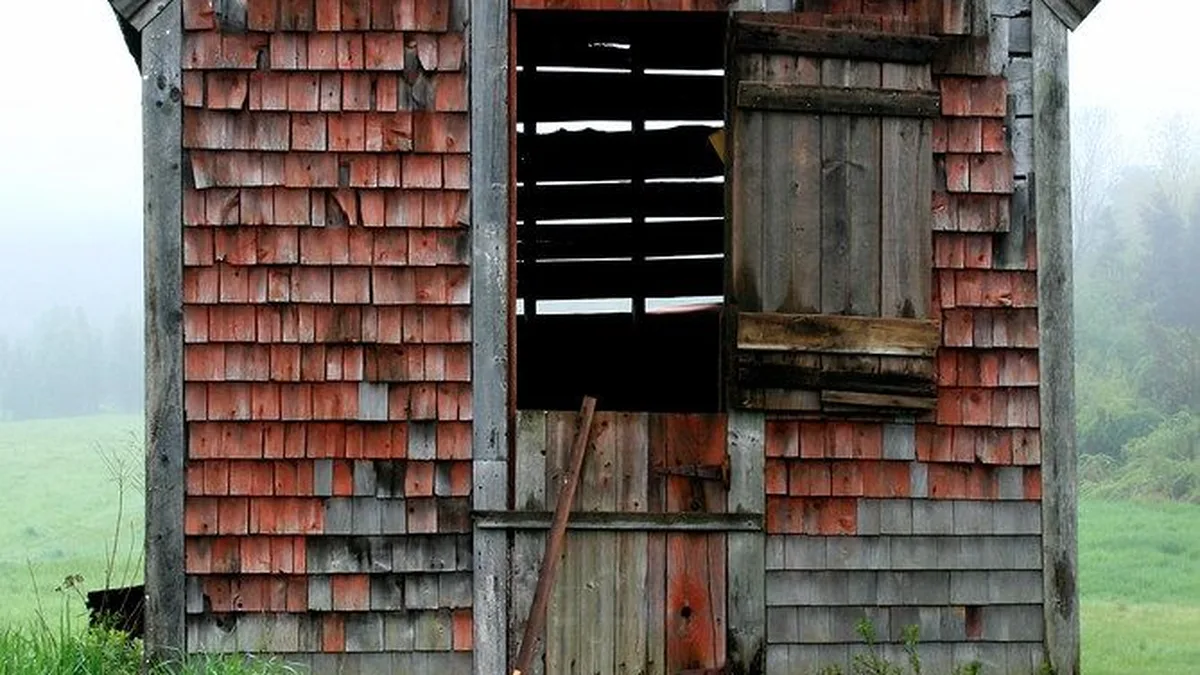
What an ice house installation startup actually builds
An ice house is an insulated store for cut ice, and every decision follows from that definition. The walls are thick, the joints are sealed, and the insulation is continuous, because every gap is a path for warm air. The floor sits above the surrounding ground, falls gently toward a drain, and is finished in a material that can be washed down without soaking up water. The door is small, tight-fitting and shaded, because a wide door left open on a warm day can undo a week of careful insulation in an afternoon. Inside, the ice sits on clean racking, with air able to move around the blocks.
The work divides into four parts, and a good installer thinks in those four parts on every job. Insulation comes first: the material, its thickness, how it is fixed, and how the vapour barrier is detailed at corners and around the door frame. Ice comes second: how it arrives, how it is handled without contamination, and how it is stacked so air moves evenly. Drainage comes third: the fall of the floor, the position of the drain, and the run to a soakaway that will not freeze in winter. Storage comes fourth: racking, pallets, loading access, and a cleaning routine that keeps the store hygienic.
The client base is wider than most founders expect. Fisheries need block ice every day and judge a store by how little ice they lose between delivery and use. Farms need ice for produce, game and events, and often want a building that looks right beside older farm buildings. Caterers need a clean store they can load from quickly on a busy weekend. Country houses may want a historic icehouse restored faithfully. Each client buys the same four things, but each weighs them differently, and the installer who asks the right questions at the first visit wins the job.
It helps to be clear about what an ice house is not. It is not an underground root cellar, which stores vegetables in cool, damp earth and relies on the ground itself for its temperature. A root cellar installation is a different trade, with different moisture, ventilation and temperature targets. It is not a general garden shed either: a shed keeps tools dry, while an ice house must keep ice frozen, which demands continuous insulation, sealed joints and a working drain. And it is not an ice-making appliance. An ice maker produces ice; an ice house stores it.
How the ice-house build differs from a cellar, a shed and an ice maker
A root cellar is dug into the ground and uses the earth as its insulation. Its temperature is steady because the soil around it is steady, and its humidity is high because vegetables need damp air to stay fresh. An ice house is the opposite in almost every detail. It is usually built above ground or only partly sunk, its insulation is a manufactured layer that must stay dry to work, and its humidity must be controlled so meltwater drains away instead of soaking the insulation or pooling on the floor. A tool that models a cellar as a hole in cool earth will give the wrong answers for an ice house.
A shed is a simpler building still. Its walls keep out rain and wind, its floor keeps tools off the ground, and a small gap under the eaves is a benefit, because it lets the building breathe. An ice house cannot afford those gaps. Every joint is a leak, every unsealed penetration is a warm draught, and a floor without a fall is a puddle that warms the lowest blocks first. The shed trade teaches useful skills — framing, roofing, door hanging and site work — but the ice-house trade adds a thermal discipline that shed work never requires. That is why the products in this guide were chosen for insulation modelling, drainage planning and cold storage.
The ice maker is the closest neighbour, and the easiest to confuse with the ice house. An ice maker installation is about a machine: its water supply, its filter, its drain, its power and its service schedule. The machine makes ice on demand, and the installer is judged on whether it runs reliably. An ice house installation is about a building: its walls, its floor, its drain and its racking. The store holds ice made elsewhere or harvested in winter, and the installer is judged on how little of it melts. The two trades share a drain and a hygiene standard, but the products that size a machine do not size a store.
The nine AI tools at a glance
| Tool | Best for | Ice-house strength |
|---|---|---|
| WUFI | Insulation and moisture modelling | Proves a wall stays dry and cold |
| EnergyPlus | Thermal simulation | Predicts melt and heat gain over a year |
| Danfoss Coolselector 2 | Refrigeration and cold-store sizing | Sizes cooling for a modern ice store |
| Matterport | Site capture | Measures an existing building exactly |
| Planner 5D | Layout and client drawings | Shows insulation, drainage and racking clearly |
| Buildxact | Estimating and quoting | Prices the full build without missing items |
| simPRO | Job scheduling and crew management | Keeps insulation, drainage and fit-out in order |
| ServiceM8 | Field service and maintenance | Handles call-outs, cleaning and re-sealing visits |
| FreshBooks | Invoicing and bookkeeping | Keeps a small startup paid and organised |
The table above is a shortlist, not a shopping list. No new startup needs all nine tools on the first day. The sensible order is to start with the tools that prove the building — WUFI or EnergyPlus, Matterport and Planner 5D — then add Buildxact when quoting volume grows, simPRO when the crew grows past two people, and ServiceM8 and FreshBooks when maintenance and invoicing become a daily job.
The nine tools in detail
1. WUFI for insulation and moisture modelling
WUFI stops an ice house from failing quietly. It models how heat and moisture move through a wall, a roof and a floor over months and years, using real weather data for the site, and it shows whether insulation will stay dry or slowly soak up water and lose its performance. For an ice house that question is the whole job: wet insulation is little better than no insulation, and a wall that looks thick enough in a brochure can still sweat on its cold face and melt the lowest blocks first. WUFI lets a startup test a build-up before buying materials, and the result becomes part of the quote — a client can see, in plain figures, why the proposed wall works and why a cheaper, thinner alternative would not.
2. EnergyPlus for thermal simulation of the whole store
EnergyPlus simulates the thermal behaviour of a whole building over a full year, hour by hour, and for an ice house that is exactly the test that matters. A store does not face one hot afternoon; it faces a season of warm days, a door opened dozens of times, and a run of humid nights. EnergyPlus takes the geometry, the insulation, the door schedule and the local weather file, and predicts internal temperatures and heat gain — and, by extension, how much ice will melt. That turns a sales claim into a number a client can weigh. The answers are often surprising: shading and door discipline frequently save more ice than an extra fifty millimetres of insulation in the walls.
3. Danfoss Coolselector 2 for refrigeration and cold-store sizing
Danfoss Coolselector 2 is the sizing tool for the modern end of the trade, where a store is kept cold with a small refrigeration plant rather than with harvested ice alone. Many clients now want a hybrid: a well-insulated store that holds cut or delivered ice, with a compact cooling unit that holds the temperature steady through the hottest weeks. Coolselector helps the installer size that plant correctly — the evaporator, the condenser and the controls — based on the store volume, the insulation, the door openings and the product load. Oversizing wastes money and cycles the plant too often; undersizing leaves the store warm when it matters most. It replaces a guess with a calculation the installer can show the client.
4. Matterport for capturing the site exactly
Matterport turns a phone or a 360-degree camera into a measured digital model of a site, and for ice-house work that accuracy is worth more than a fast sketch. Many ice houses are restorations of old buildings with walls that are not straight, floors that are not level and door openings that have settled over a century. A tape measure can record those quirks, but it can also miss them, and a missed slope on a floor shows up later as a drain that does not fall or a door that does not seal. A Matterport scan records the space as it is, with dimensions the installer can measure from the model back at the office, and it gives the client a walkthrough they can open on a phone. The scan also becomes the job record for later questions.
5. Planner 5D for layouts the client can approve
Planner 5D turns a modelled wall and a measured site into a drawing a client can understand in a minute. The installer builds the store in plan and in three dimensions — the walls with their insulation thickness, the floor with its fall to the drain, the door and its seals, the racking and the loading route — and the client sees the finished building rather than a list of materials. That clarity matters, because the features that make the store work are easy to miss on a flat plan: the fall of the floor, the position of the drain, and the clearance for a pallet. The tool is quick to learn, and a founder can revise a layout in front of the client when a door needs to move. It is not a thermal modelling tool — its place is beside WUFI and EnergyPlus, not instead of them.
6. Buildxact for estimating and quoting the full build
Buildxact stops an ice house quote from missing the parts that make the job profitable. A build has a long list of small items that are easy to forget: vapour barrier tape, door seals, drain traps, floor falls, racking fixings and cleaning materials. A quote built in a spreadsheet can miss several of those items and still look complete, and the installer only discovers the gap when the job is half built and the margin is gone. Buildxact holds the job as a structured estimate with materials, labour and a clear markup, so the installer can see the whole cost before the price goes to the client. Once a price is approved, the same figures become the purchasing list and the job budget. A founder should build one good ice-house template and reuse it on every job.
7. simPRO for scheduling crews and keeping jobs in order
simPRO is the job-management tool for the point when an ice house startup stops being one person with a van and becomes a small crew. The work has a natural sequence — survey, insulation, floor and drainage, door fitting, racking, sealing and cleaning — and each stage depends on the one before it. If the insulation crew arrives before the floor fall is set, or the racking arrives before the walls are sealed, the job loses days. simPRO holds that sequence as a schedule with assigned staff, materials and site notes, so everyone knows what happens on which day. It also keeps the paperwork that protects a small business: site photos, drain positions and client sign-offs attached to the job, so a question months later can be answered from the record rather than from memory.
8. ServiceM8 for call-outs, cleaning and maintenance visits
ServiceM8 is the field-service tool for the work that follows the build: the annual re-seal, the drain check before summer, the cleaning visit, and the call-out when a door seal fails or a drain blocks. An ice house earns its reputation in its second and third years, not in its first week, and a startup that stays in touch with its clients wins the repeat work and the referrals that keep a small business alive. ServiceM8 holds the client list, the service history and the recurring job schedule, and lets a small team book, route and invoice those visits from a phone on site. A visit that reveals a worn seal becomes a quoted repair rather than a note lost in a van, and that steady maintenance work is one of the most reliable incomes in the trade.
9. FreshBooks for invoicing and bookkeeping that stays simple
FreshBooks is the bookkeeping tool for a founder who would rather be on site than in front of a spreadsheet. It handles the parts of running a small business that are easy to postpone and expensive to get wrong: sending a clear invoice, tracking who has paid, chasing the ones who have not, recording expenses, and showing whether the business made money last month. For an ice house startup, where jobs are a mix of larger builds and smaller maintenance visits, that clarity is essential — a business can be busy every week and still lose money if its invoicing lags behind its work. An invoice can be raised on site when the job is finished, with photos attached, and the client can pay from the invoice itself. It will not replace an accountant, but it keeps the records clean from the start.

Insulation first: the wall is the business
Every ice-house job should start with the insulation, because every other decision depends on it. The installer needs to know the material, its thickness, how it will be fixed, and how its joints will be sealed, before the floor is poured or the door is ordered. A wall built first and insulated as an afterthought will have gaps at corners, around the door frame and where services pass through, and those gaps are exactly where warm air enters. A wall designed as an insulated system from the start can be detailed properly, with continuous insulation, taped joints and a vapour barrier that is not punctured by fixings nobody planned for.
The choice of insulation is a balance between performance, moisture resistance, cost and appearance. A restored historic icehouse may need breathable, traditional materials and a lime plaster finish. A modern store for a fish merchant may need rigid boards with a high performance per millimetre and a washable internal finish. Both can work, but they work for different reasons, and the installer should be able to explain why the chosen material suits that client. Modelling with WUFI or EnergyPlus gives that explanation a number. Sealing deserves the same attention as thickness: a thick wall with leaky joints will perform worse than a thinner wall that is properly sealed.
Ice, drainage and storage: the three details that decide the result
Ice handling is the part of the trade that clients notice first, because it is the part they touch. Blocks should arrive clean, be stacked with air able to move around them, and be kept clear of the floor so meltwater never sits against the lowest layer. Racking should be strong, washable and easy to clean, with no hidden corners where dirt can collect. Lighting should be bright enough to work safely but add as little heat as possible, and the door should be arranged so loading is quick and the store is not left open while a delivery is sorted outside. A startup that designs storage around the way the client actually works will build a store that is used properly, and a store that is used properly stays cold.
Drainage is the detail that most often decides whether an ice house succeeds or fails. Meltwater is not a minor by-product; it is a constant flow on a warm day, and it must have a clear, fall-graded path out of the building. The floor should fall gently and evenly toward the drain, with no flat spots that trap water. The drain needs a trap that stops smells coming back, a grating that can be lifted and cleaned, and a run to a soakaway that will not freeze in winter. An installer who prices the drain as an afterthought is building a store that will stand in its own meltwater. A shed installation can tolerate a floor that is merely level; an ice house cannot.
Storage layout is the third detail, and it is where a good layout tool earns its fee. The racking should leave a clear route from the door to every stack, the loading area should be wide enough for a pallet or a barrow, and the cleaning route should be obvious — a floor that cannot be washed down will not be washed down. The layout should also leave room for the store to grow, because a client who buys a store for this year’s ice will often need more space next year. The ice maker is the natural partner here: an ice maker installation supplies the ice, and the ice house keeps it, and a startup that understands that handover can offer a single, coherent service.
Pricing an ice house job without missing the small items
Pricing is where many new installers lose money, and the reason is almost always the same: the quote covers the big, visible items and misses the small ones. The walls are priced, the roof is priced and the door is priced, but the vapour barrier tape, the door seals, the drain trap and the racking fixings are not. Each item is small on its own, but together they can be a tenth of the job cost, and a tenth of the job cost is often the whole profit. A structured estimating tool helps because it forces the installer to work through a checklist rather than from memory.
A good quote also separates the price into parts the client can understand: insulation, floor and drainage, door, racking and sealing should each be visible, so a client who wants to save money can see what would be lost by cutting each item. Deposits deserve the same care: a deposit on approval of the drawing, a payment when materials arrive, and a final payment on handover after the drain has been tested and the seals have been checked. That structure shares the risk fairly, and a bookkeeping tool that chases the final invoice promptly is the difference between a business that is paid and a business that is merely busy.
Launch checklist: six steps before your first paid job
- Survey three real sites and model one wall build-up in WUFI, so you can show a client a heat and moisture result, not just a brochure.
- Scan one existing building with Matterport and produce a Planner 5D layout that shows insulation, floor fall, drain and racking on a single drawing.
- Build one Buildxact template for an ice house that prices insulation, floor and drainage, door, racking, sealing and cleaning as separate lines.
- Price a cooled-store option with Danfoss Coolselector 2, so you can answer the question every modern client asks about adding cooling later.
- Set up simPRO or a simple job sheet, ServiceM8 for maintenance visits, and FreshBooks for invoicing before the first deposit arrives.
- Test a floor fall and a drain on a trial build or a restoration, photograph the sealing as you go, and keep the photos with the job record.
Frequently asked questions
How much does it cost to start an ice house installation startup?
A small startup can begin with a van, basic carpentry and insulation tools, a survey kit and the software in this guide, and the largest early cost is usually the time spent learning the modelling and estimating tools properly. A first build is typically a modest, single-room store, and the price depends far more on the insulation specification, the floor and drainage work, and access to the site than on the size of the building alone.
Do I need a licence to install ice houses?
There is no single ice-house licence in most areas, but the work touches several regulated areas. Building regulations may apply to the structure, the insulation and the drainage, planning rules may apply to a new building or to work on a historic icehouse, and food hygiene rules apply wherever ice is stored for food use. A founder should speak to the local building control office and keep a record of the specification and materials used.
What insulation works best in an ice house?
The best insulation is the one that stays dry, stays in place and can be sealed properly at every joint, and the answer varies with the building. Rigid boards suit a modern store with a washable finish, while traditional, breathable materials suit a restored historic icehouse with lime plaster. Thickness matters, but continuity matters more: a continuous layer with taped joints will outperform a thicker layer that is full of gaps.
How does drainage work in an ice house?
Drainage works by giving meltwater a clear, fall-graded path out of the building at all times. The floor falls gently toward a trapped drain, the drain run falls away to a soakaway or a foul drain, and the grating can be lifted and cleaned without tools. The trap stops smells and insects coming back, and the run should be protected against freezing where it leaves the building. An installer should test the drain with water before handover.
Can an ice house be built beside a house or a farm shop?
Yes, in most cases, and a site beside an existing building is often the best choice because it gives easy access for deliveries and a power supply for lighting and, if needed, a small cooling unit. The installer should check access for a delivery vehicle, the fall of the ground for the drain run, shading for the door, and any planning rules that apply to a new outbuilding. A site that looks convenient can be a poor choice if the drain cannot fall away from the building.
How do AI tools help an ice house installer win more jobs?
AI tools help by making the invisible parts of the job visible. A modelled wall, a measured scan, a clear layout and a complete price show a client that the installer has thought about the building properly, and that proof closes jobs faster than a low price. The tools also save time: a quote that takes a day instead of a week lets a startup answer more enquiries, and a schedule that keeps a small crew in the right order prevents the delays that damage a reputation.
Bottom line
An ice house is a simple building with demanding details. Insulation that stays dry, ice that stays clean, drainage that never blocks, and storage that is easy to load and easy to wash down — those four things decide whether a store keeps its ice or melts it. The nine tools in this guide serve those four things directly: WUFI and EnergyPlus prove the thermal performance, Coolselector sizes the cooling where it is needed, Matterport and Planner 5D capture the site and show the client the finished building, Buildxact prices the whole job, and simPRO, ServiceM8 and FreshBooks keep the work, the maintenance and the money in order.
A founder does not need to buy all nine tools at once. Start with the modelling and the layout, add the estimating when quoting volume grows, and add the job management and maintenance tools when the crew and the client list grow with it. Keep the records from the first job, photograph the sealing and the drain, and test the floor fall before handover. Do those things on every job, and the startup will build a reputation that no advertising can buy: a store that holds its ice, a client who recommends the installer, and a business that is paid on time.

Keep what speaks to you.
Leave room for your own perspective.


