The best AI tools for home inspection startups in 2026 do the work that used to keep a new inspector up until midnight: turning hundreds of site photos into a clear report, answering the phone while you are in a crawl space, booking the next inspection before the agent has finished the showing, and reminding a buyer that the report is ready to read. A home inspection startup is a small, trust-driven business. Buyers meet you once, usually on the most stressful day of their purchase, and they judge you on two things: how thorough you were on site, and how fast and how clear the report was afterwards. The tools in this guide are judged on exactly those two measures, because everything else in the business flows from them.
A pre-purchase inspection is not a repair visit and it is not a general property check. You walk a house top to bottom in two or three hours, test the systems, photograph every defect, and then explain what you found in plain language a first-time buyer can act on. The roof, the foundation, the electrical panel, the plumbing, the heating and cooling, the attic and the basement each need a verdict, and the report has to separate urgent safety issues from routine maintenance without frightening a buyer away from a sound house. When that work lives in notebooks, phone galleries and memory, reports go out late, defects get described twice or not at all, and the agent who referred you hears about the delay before you do.
This guide compares the best AI tools for home inspection startups across the work a young inspection firm actually does: writing reports, spotting and captioning defects from photos, scheduling inspections around agent timelines, selling radon and termite add-ons, taking payment, and winning the agent referrals that fill the diary. Every tool was judged on the same practical questions: does it save time on a real inspection, does it work from a phone on a roof or in an attic, does it cost less than the work it replaces, and can a small team learn it in a week? The result is a shortlist you can build a whole firm around, plus a simple way to choose the combination that fits the size of business you are running right now.
Key takeaways
- Start with one AI inspection report platform, one scheduling and booking tool, and one review tool. Those three carry most of the revenue for a new home inspection startup.
- Promise same-day reports and keep the promise. A clear report delivered the same evening beats a perfect report delivered two days later, especially when a buyer is inside a short inspection window.
- Photograph everything and let AI draft the captions first. Consistent photo evidence protects you, speeds up the report, and gives agents something they can forward to their clients.
- Sell radon, termite and sewer scope testing as add-ons from the first month. Add-ons raise the value of every booking without needing a single extra inspection visit.
- Build agent relationships one reliable report at a time. A real estate agent who trusts your timing and your tone will send you the next buyer, and the one after that.
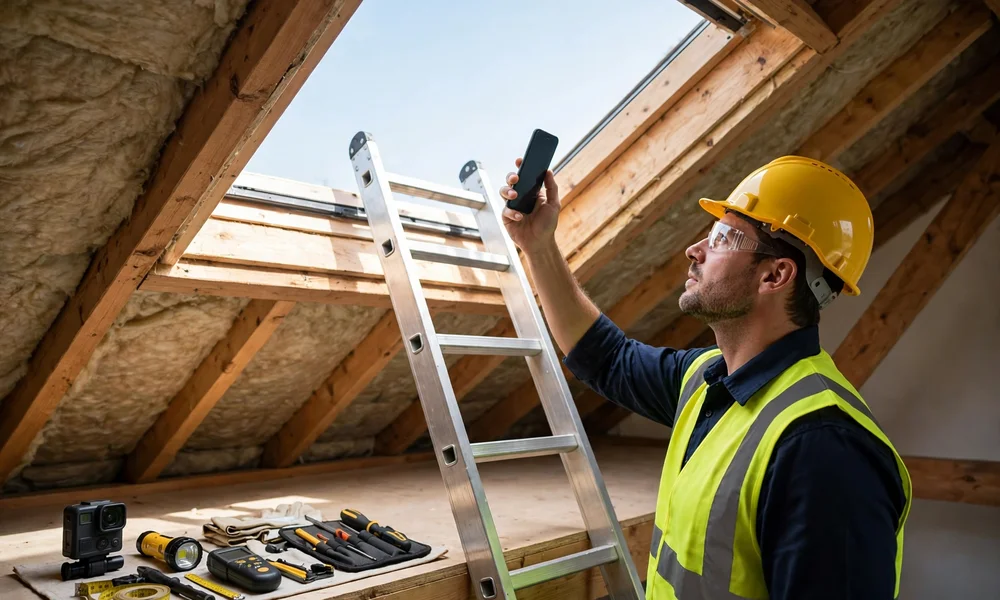
Best AI Tools for Home Inspection Startups at a Glance
The table below gives a quick view of where each type of tool helps most in a home inspection startup. The sections that follow explain how to use each one on a real inspection, what to look for before you pay, and where small firms usually go wrong.
| Tool type | Main job | Best for | Watch out for |
|---|---|---|---|
| Inspection report software | AI-written reports, photos, summaries | Startups sending same-day reports | Templates that sound generic |
| AI photo and defect detection | Photo tagging, defect spotting, captions | Inspectors who take hundreds of photos | Tools that flag everything as urgent |
| Scheduling and booking | Online booking, agent portals, reminders | Firms living on agent referrals | Calendars that cannot hold inspection slots |
| AI answering and messaging | Missed calls, quote requests, follow-ups | Solo inspectors in attics and crawl spaces | Bots that cannot quote add-on services |
| Add-on testing tools | Radon, termite, mold, sewer scope tracking | Startups selling add-on packages | Hardware that does not sync with reports |
| Payments and invoicing | Cards, invoicing, agent billing | Inspectors paid at the table or online | High fees on small inspection fees |
| Reviews and marketing | Review requests, agent follow-up, local search | Winning the next street of agents | Review tools that feel pushy to buyers |
How a Home Inspection Startup Really Works
A home inspection startup earns its living from trust, timing and thoroughness. A typical week mixes pre-purchase inspections for buyers, pre-listing inspections for sellers, and a smaller number of new-build snagging visits. Each inspection lasts two to three hours on site, followed by an hour or two of report writing, and the whole job has to fit inside the buyer’s inspection window, which is often only a few days. The founder is usually the salesperson, the scheduler, the inspector and the accounts department all at once, and the hardest part of the first year is that the phone rings while you are on a roof, and the report is due while you are driving to the next house.
The inspection itself follows a pattern, and the best AI tools respect that pattern instead of fighting it. You start outside, looking at the roof covering, gutters, grading and drainage, then move through the structure, the exterior walls and windows, the attic and insulation, the heating and cooling systems, the plumbing, the electrical panel, and finally the interior rooms, kitchens and bathrooms. At each stop you take photos, note the age and condition of what you see, and test what can be tested safely. A tool earns its place if it lets you capture all of that in the order you walk it, without making you stop, retype or reorganise your notes at the kitchen table afterwards.
Agent referrals are the engine of the business, and they behave differently from ordinary marketing. A buyer rarely searches for an inspector at length; they ask their agent, and the agent names the one or two inspectors they trust. That trust is built on reliability more than on price: did the report arrive the same evening, was it clear enough for the buyer to understand without a phone call, and did the inspector stay calm and professional when the buyer was anxious? The best AI tools for roofing startups show the same pattern from the other side of the property world, where a clear photo record and a fast, honest report are what win the next referral, and home inspection is no different.
What to Look for in AI Tools for a Home Inspection Startup
Start with the report, because the report is the product. A good inspection report platform lets you build your own comment library, so the phrases you use for a worn roof covering or an ageing water heater are yours, consistent, and written in plain language. AI drafting should speed up that library, not replace your judgement: it can turn a photo and a short note into a first-draft comment, suggest the right severity level, and pull the relevant photos into the right section, but you should always read the final report before it goes out. Look for software that works fully offline on a phone, because attics, basements and rural properties often have no signal at all.
Scheduling comes next, and it needs to fit the way agents actually book. An inspection is not a fifteen-minute appointment; it is a two- to three-hour block that depends on the size and age of the house, and it often needs to move at short notice when a showing changes. Choose a booking tool that lets agents see real availability, book a slot with the property address attached, and add radon or termite testing in the same step. Automatic reminders matter too: a text to the buyer the evening before, with the meeting point and what to bring, prevents the no-access visit that wastes half a day.
Finally, judge every tool on how it handles photos. An inspector takes two or three hundred photos on a typical house, and the value of those photos depends on how quickly they can be sorted, captioned and placed in the report. AI photo tools that tag by room and system, suggest captions from what is in the frame, and flag duplicates will save you more time than any other single feature. Avoid tools that need a perfect connection, a desktop computer, or a long upload wait at the end of the day, because the report will not get written if the photos are still uploading when you get home.
Inspection Report Software with AI
Report software is the centre of a home inspection startup, and the AI features that matter most are the quiet ones. The best platforms watch how you write and learn your phrasing, so a note like “roof covering worn at ridge” becomes a complete, balanced comment with the photo attached and the right recommendation attached. Summary pages matter just as much: most buyers read the summary first, so the software should build a clear one-page overview that separates safety issues, major defects and routine maintenance, with a link from each line back to the full detail and the photo that supports it.
Delivery is part of the product too. A modern report platform sends the buyer a link the same evening, lets them read it on a phone, and tracks whether they opened it, which helps you follow up with confidence instead of guessing. Agents appreciate a separate agent summary, because they need to talk through the findings with their client without reading a forty-page document on a call. Look for software that produces clean, printable reports as well, since some buyers still want a paper copy, and some lenders and lawyers still ask for one.
Price the software against the value of one saved evening a week. If AI drafting cuts your report time from two hours to forty-five minutes, that is five or six hours back every week in a busy month, which is time you can spend on another inspection or on visiting the agents who send you work. Be careful about lock-in: choose a platform that lets you export your comment library and your past reports, because switching report software mid-year is painful if your history is trapped inside one app. A free trial on three real inspections, not a demo with sample data, is the only honest test.
AI Photo and Defect Detection
Photos are the evidence that backs up every line of your report, and AI photo tools are changing how inspectors handle them. The useful versions do three things well: they sort photos by the room or system they show, they draft a caption that names what is in the frame, and they help you spot the defect you almost missed, such as a small crack, a stain on a ceiling, or a missing cover on an electrical panel. That last point matters most in a young firm, because a second pair of eyes on two hundred photos catches the one detail that would otherwise have turned into an awkward call from an agent a week later.
Moisture and mould are where photo evidence earns its keep. A damp patch on a ceiling, staining around a window, or a musty smell in a basement all need clear, dated photos and a measured comment, because buyers and sellers will both ask what it means. The best AI tools for mold removal startups are built around the same discipline of photographing, measuring and documenting damp and mould properly, and an inspector who borrows that habit will write stronger reports and face fewer disputes. Keep your moisture meter readings with the photos they belong to, and let the AI draft the caption while you decide the severity.
Do not let the AI decide what is urgent. A tool that marks every cracked tile and every scuffed skirting board as a major defect will frighten buyers and damage your standing with agents, who need an inspector they can trust to stay measured. Use AI to organise and describe, and keep the judgement yourself: urgent means safety or structure, major means it will cost real money soon, and maintenance means it should be fixed in the normal course of owning a home. When your severity language is consistent across every report, agents learn to read your summaries at a glance, and that consistency becomes one of the reasons they keep referring you.
Scheduling, Agent Referrals and Bookings
Most inspection work arrives through agents, so your booking system should be built for them first and for walk-in buyers second. Give each agent a simple booking link that shows your real availability, lets them attach the property address and the buyer’s details, and confirms the slot instantly. The best systems also give agents a small portal where they can see the status of their inspections, download past reports, and add a note about access or a lockbox code, which saves a chain of texts on the morning of the inspection.
AI answering tools fill the gap while you are on site. A buyer who calls while you are in an attic will not wait until evening for a call back; they will call the next inspector on the agent’s list. An AI answering service that can explain your prices, describe your add-on testing, book a slot into your live calendar, and take a deposit will win jobs you never knew you were losing. Make sure it knows your real answers: your inspection fee by house size, your radon and termite prices, your same-day report promise, and the areas you cover, because a confident answer books the job and a vague one loses it.
Follow-up is where a small firm beats a large one. After each inspection, a short thank-you message to the buyer, a summary note to the agent, and a review request the next day keep you in mind without being pushy. AI messaging tools can draft all three from the inspection record, and the good ones know when not to send: never message a buyer late at night about a serious defect, and never chase an agent for a review while their client is still negotiating repairs. A monthly note to your agent list, with a useful seasonal tip rather than a sales pitch, keeps the relationship warm through quiet months.
Radon, Termite and Add-On Services
Add-on services are the simplest way to raise the value of every inspection without finding a single new customer. Radon testing, termite inspection, sewer scope, mould sampling and water quality testing all fit naturally into a pre-purchase inspection, because the buyer is already worried about the house and already paying for answers. The trick is to offer them at booking time, not as a surprise on site: a buyer who chooses radon testing when they book is a happy customer, while a buyer who feels upsold in the driveway is not.
AI tools help most with the tracking that add-ons create. A radon monitor needs forty-eight hours in place, a termite inspection needs its own form, a sewer scope produces a video that must be stored with the report, and each add-on has its own turnaround time and its own result to chase. Software that ties each add-on to the inspection record, reminds you when a monitor is due for collection, and pulls the result into the final report will save you from the missed follow-up that turns a good inspection into a complaint. Check that your report platform can include add-on results cleanly before you start selling them.
Water damage is the add-on area where inspection and restoration meet, and it deserves the same careful documentation as the main inspection. Staining, soft flooring, a damp basement wall or a leaking valve all need photos, moisture readings and a clear note about what should happen next. The best AI tools for water damage restoration startups show how seriously the restoration world takes that evidence, and an inspector who documents water properly will be the one agents call when a buyer needs to understand whether a stain is old, active, or a reason to walk away. Price add-ons clearly, deliver their results on time, and never sell a test the house does not need.
Pricing, Quotes and Payments
Inspection pricing is simple to explain and easy to get wrong. Most firms charge by the size and age of the house, with a clear price for a standard home and a higher price for larger or older properties, plus fixed prices for radon, termite and sewer scope add-ons. AI quoting tools help by turning those rules into an instant online quote: the buyer enters the address and the square footage, and the tool returns the price, the available slots and the add-on options in one step. That speed matters, because a buyer who has to wait for a quote will often book with whoever answered first.
Take payment before or at the inspection, not after the report goes out. Card payments through your booking system, with a deposit at booking and the balance on the day, protect your cash flow and remove the awkward chase afterwards. AI invoicing tools can handle agent-billed inspections too, where the agent’s brokerage pays and recharges the buyer, but keep those arrangements in writing and keep the invoice tied to the inspection record. Watch the fees: a payment tool that charges a high percentage on a four-hundred-dollar inspection quietly eats the margin on every job.
Reviews, Marketing and Agent Relationships
Reviews are the marketing that matters most for a home inspection startup, because buyers and agents both read them before they call. Ask every buyer for a review the day after the inspection, while the experience is fresh, and make it easy with a single link in a short message. AI tools can draft the request and time it well, but the review itself has to be earned: a same-day report, a calm explanation on site, and a clear answer to the buyer’s worried questions are what turn into five stars.
Agent relationships need steady, useful contact rather than constant selling. Visit the offices that send you work, bring a short seasonal guide they can share with buyers, and remember the details: which agents prefer a phone call before the report goes out, which ones want the summary first, and which ones handle first-time buyers who need extra patience. A simple customer record that tracks every agent, every referral and every inspection will show you where your work really comes from, and that picture is worth more than any advertising spend in your first two years.
Home Inspection Startup Checklist
Use this checklist before you spend money on more software. It covers the foundations that make the tools in this guide pay off.
- Choose one AI inspection report platform and learn it properly before adding anything else, including your comment library, photo workflow and summary page.
- Set a same-day report promise, publish it on your booking page, and build your day around keeping it, even in a busy week.
- Build an agent referral list of twenty local agents, visit them in person, and track every referral, inspection and report in one place.
- Price radon, termite and sewer scope testing as clear add-ons at booking time, and make sure each result flows into the final report.
- Photograph every system, room and defect on every inspection, and back the photos up the same day so nothing is ever lost.
- Ask every buyer for a review the day after the inspection, and reply to every review, good or bad, within a day.
Frequently Asked Questions
How much do AI tools for home inspection startups cost?
Most home inspection startups spend between one hundred and four hundred dollars a month on software in their first year. A report platform is usually the largest cost, followed by scheduling and AI answering, with review and marketing tools adding a smaller amount on top. The honest way to judge the price is against time saved: if AI drafting saves you an hour on every report, the software pays for itself after only a handful of inspections each month, and the rest is time you can spend on another booking.
Can AI write a home inspection report?
AI can draft a home inspection report, but it cannot inspect a house, and it should never be left to publish a report on its own. The tools that work well turn your photos and short notes into first-draft comments, organise them by system and room, and build a summary page, while you check every line, set the severity, and take responsibility for the final version. Treat AI as a fast assistant that does the typing, not as an inspector, and your reports will be faster without losing the judgement that buyers and agents pay for.
How do home inspection startups get work from real estate agents?
Home inspection startups get most of their work from real estate agents, and the relationship is built one reliable report at a time. Visit local agents in person, explain your same-day report promise and your add-on services, and then deliver on both without fail. Agents refer the inspectors who make their buyers feel looked after, who communicate clearly when a defect is found, and who never surprise them with a late report. A handful of agents who trust you is worth more than a large advertising budget in your first year.
Should a new inspection firm offer radon and termite testing?
Yes, a new inspection firm should offer radon and termite testing from the first month, provided it is licensed or certified to do so in its area. Both tests fit naturally into a pre-purchase inspection, buyers already expect to be offered them, and they raise the value of every booking without needing extra visits. Start with the two or three add-ons that are most common in your local market, learn their reporting properly, and add more, such as sewer scope or mould sampling, only when you can deliver their results reliably.
How long does a home inspection report take to deliver?
A home inspection report should be delivered the same evening as the inspection, and buyers increasingly expect it within a few hours. AI drafting tools make that realistic for a small firm: photos are captioned on site, comments are drafted as you go, and the report needs only a careful final read before it is sent. If your reports regularly take more than a day, the problem is usually the workflow rather than the writing, so fix the photo and drafting process before you promise a faster turnaround.
What should a home inspection startup buy first?
A home inspection startup should buy its report platform first, because the report is the product the buyer pays for and the agent judges you on. Next comes scheduling and booking, so agents can book real slots without a chain of phone calls, and then an AI answering tool, so no call is missed while you are on a roof or in a crawl space. Add review and marketing tools once the first three are working smoothly, and only then spend on extra features, because a firm with fast reports and full diary does not need more software to grow.
The Bottom Line
The best AI tools for home inspection startups in 2026 are the ones that protect the two things buyers and agents judge you on: a thorough inspection on site, and a clear report the same evening. Start with one report platform, one booking tool and one review tool, add radon and termite testing as simple add-ons, and build your agent relationships one reliable report at a time. Keep the stack small, keep your severity language consistent, and let AI do the typing while you keep the judgement. Do that, and a two-person inspection firm can look, feel and deliver like a much larger company from its very first month.

Keep what speaks to you.
Leave room for your own perspective.