
An elk house installation startup builds a house for a herd of very large deer. A bull elk stands over two metres at the shoulder and weighs 300 kilograms or more, which is roughly three times the weight of a deer, and elk live in herds rather than in ones and twos. That combination of size and herd behaviour sets every decision in the build: the shelter has to be tall, the fencing has to be high and heavy, the pens have to hold a whole group at once, and the feeding, watering and handling all have to work at herd scale. The AI tools in this guide are built for exactly that job, and they plan the house around the animal instead of around a generic livestock shed.
The size gap is the first thing a founder has to respect. A deer house is a low, dry, well-fenced house for a handful of small deer, with low pens, a sheltered resting area, a feeding rail and a water trough, and its gates open quietly so flighty animals are not startled. An elk house takes that same shape and scales it up in every direction: taller shelter with a wider roof span, fencing a full stride higher, pens wide enough for a group of heavy animals to turn without catching an antler, and troughs and feeders sized for animals that eat far more per head. Nothing in the deer build transfers unchanged, and a founder who copies deer dimensions ends up with a house the elk outgrow in a season.
The herd gap is the second thing, and it is just as important. Elk move, feed, rest and react as a group, so the house needs herd pens with clear sightlines, a handling flow that moves many animals together, and a rut-season plan for bulls that become dangerous to each other and to handlers. That is a different build from a solitary-animal house, and it is a different build from a barn-scale operation too. The nine tools below cover the whole job in order: siting the range, spanning the shelter roof, laying out herd pens, fencing against antlers, rationing feed for a heavy herd, watering a group at once, reading rut-season behaviour, flooring a heavy house, and pricing the build so the first quote is one the founder can stand behind.
Key takeaways
- An elk is a herd animal three times the weight of a deer, so the house needs taller shelter, higher fencing and larger pens than a deer house.
- Elk live, feed and move as a group, so herd pens, group handling and rut-season bull separation are the core of the build, not single-animal pens.
- Antler-safe design runs through the whole house: smooth pen faces, high gates and fencing with nothing an antler can catch on.
- Feeding and watering are herd-scale jobs — rations by weight class and troughs that serve many animals at once, with freeze cover in winter.
- Buy the siting and shelter tools first, then the fencing and pen tools, and price the build with a dedicated quote tool before taking a deposit.
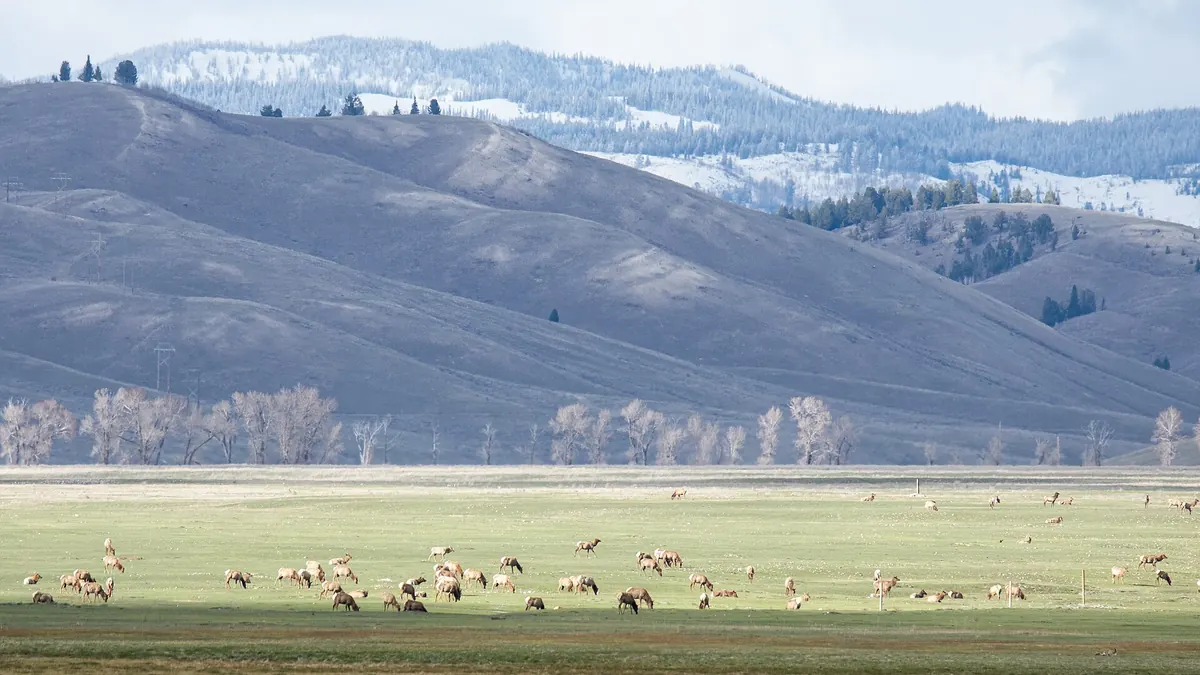
The 9 best AI tools for an elk house installation startup
| AI tool | What it does best | Buy it first if |
|---|---|---|
| ElkRange Plot AI | Lays out the grazing range, herd paddocks and rotation blocks | You are choosing the ground and the herd size |
| ElkSpan Roof AI | Plans the clear-span roof for a tall, wide herd shelter | The shelter roof span is the hardest part of the build |
| HerdPen Elk AI | Lays out large herd pens with antler-safe spacing | You need pens that hold a whole group at once |
| AntlerFence Elk AI | Specifies high, antler-safe fencing, gates and escape-proofing | Fencing height and antler safety worry you most |
| ElkRation Planner AI | Plans herd rations by weight class, grazing and supplement | Feed cost is the number you need to control |
| HerdTrough Elk AI | Plans herd-scale water, large shared troughs and freeze cover | Winter water is the weak point on your site |
| RutWatch Elk AI | Reads rut-season behaviour and plans bull separation | You will handle bulls through the rut |
| HerdFloor Elk AI | Plans flooring, drainage and mucking for a heavy herd | The floor has to survive heavy animals all winter |
| ElkHouse Quote AI | Prices the build, costs the job and prepares handover | You need a quote you can stand behind |
How an elk house differs from a deer house and a moose house
The closest neighbour to an elk house is a deer house, and the difference between them is mostly a matter of scale. A deer house is built for a handful of small deer at garden and smallholding scale, with low pens, a low shelter and a feeding rail, and its design is shaped by how flighty and watchful deer are: smooth walls with nothing to catch an antler or a leg, gates that open quietly, and a clear line of sight so the deer can see the herd. An elk house keeps the same instincts — smooth faces, quiet gates, clear sightlines — but builds them for an animal three times heavier, standing over two metres at the shoulder, with antlers far wider than a deer’s. Every dimension grows: the shelter is taller, the roof span is wider, the pens are larger, the fencing is higher, and the troughs and feeders are bigger. A founder who prices an elk house from deer-house dimensions will underprice the timber, the fencing and the labour, and the house will be too small before the first herd settles in.
The other close neighbour is a moose house, and the difference there is behaviour rather than size. A moose house is a small house for a small number of moose, and moose are solitary animals, so it is built around single-animal pens with visual barriers, browse racks, rut-season safety for one bull at a time, and handling that never has to move a group together. Elk are the opposite: they live in herds, feed together, rest together and move together, so an elk house is built around group pens, shared troughs, herd feeding and a handling flow that moves many animals at once. The fencing problem is different too. A moose fence is very high and heavy because one huge animal can lean on it; an elk fence is high and antler-safe because a whole group of heavy animals with wide antlers can press against it together. Size is what separates the elk house from the deer house, and herd life is what separates it from the moose house, and the tools below are chosen for those two facts.
There is one more fence to draw, and it is the line between a house and a barn. A reindeer barn works at barn scale for a deer-family herd, with corrals, draught-team handling, lichen rations and snow shelter built into a large barn building. An elk house is smaller and more focused: a house and its pens on a defined piece of ground, not a barn operation. The founder who confuses the two ends up specifying barn-scale kit — draught handling, sled rigging, barn-wide snow systems — for a job that needs a tall shelter, high fencing and herd pens. The elk house sits between the small deer house and the barn: bigger than the first, more focused than the second, and defined by the herd it holds.
Site and shelter
1. ElkRange Plot AI: the best tool for laying out the grazing range, herd paddocks and rotation blocks
ElkRange Plot AI starts the job where every elk house has to start, on the ground. The founder enters the size of the herd, the shape of the available land, the soil and drainage, and the grazing the ground can support, and the tool lays out the range as a set of paddocks and rotation blocks rather than one big field. That matters because a herd of heavy animals will wreck a single paddock quickly: they graze hard, they trample the wet corners, and they wear paths along the fence lines. Rotation blocks let the founder rest one block while the herd works another, and the tool sizes each block from the herd’s daily intake rather than from a guess. It also places the house itself, putting the shelter on the driest, best-drained part of the ground with the pens between the house and the grazing, so the daily flow from shelter to feed to water is short and the herd is never driven a long way for a routine move.
The tool earns its place because it thinks in herd numbers. A deer paddock tool sizes a small paddock for a handful of light animals; ElkRange Plot AI sizes for a group of 300-kilogram animals that eat far more per head and need far more room per head, and it flags ground that will not carry the herd in a wet winter. If the ground cannot support the herd the founder wants, the tool says so before the first post goes in, and the founder can shrink the herd or find more ground instead of building a house the land cannot feed.
2. ElkSpan Roof AI: the best tool for planning the clear-span roof for a tall, wide herd shelter
ElkSpan Roof AI plans the roof that makes an elk shelter different from a deer shelter. A deer shelter is low, with a short roof span and a simple windbreak. An elk shelter has to clear a bull standing over two metres at the shoulder, with antlers above that, and it has to span a pen wide enough for a whole group to rest together without crowding. That means a clear-span roof — no posts in the middle of the resting area for an animal to catch an antler on — carried on a frame strong enough for the snow load the site sees. The tool takes the herd size, the shelter width, the roof pitch and the local snow and wind figures, and returns the span, the timber or steel sizes, the purlin spacing and the bracing, so the founder can order the frame with confidence instead of guessing at the beam sizes.
The tool also plans the shelter as a working space, not just a roof. It sets the eaves height so a handler can walk the whole shelter without stooping, places the open side away from the prevailing wind, and checks that the roof overhang keeps driving rain out of the bedding. It flags the common mistakes: a span that needs a centre post, a pitch too shallow to shed snow, and a frame strong enough for the roof but not for a herd leaning on the shelter walls.
Pens and fencing
3. HerdPen Elk AI: the best tool for laying out large herd pens with antler-safe spacing
HerdPen Elk AI lays out the pens where the herd actually lives, and it lays them out for a group rather than for single animals. The founder enters the herd size, the mix of cows, calves and bulls, and the ground available, and the tool returns pen sizes, pen shapes and the gates between them, with space for the whole group to lie down at once, to feed at once and to turn without crowding. That group sizing is the whole point: a pen that fits a deer herd will not fit an elk herd, because each animal is three times heavier and needs far more floor area, and a pen that fits one moose will not fit an elk herd either, because it is built for a solitary animal with visual barriers rather than a group that wants to see each other. HerdPen Elk AI sizes for the group, keeps the sightlines open across the pen, and keeps the corners wide so heavy animals are not trapped against a fence by the rest of the herd.
The tool also plans the antler-safe details that separate a good elk pen from a dangerous one. It specifies smooth pen faces with no bolts, brackets or protrusions at antler height, gates that swing clear and latch without a handler having to reach through the pen, and a handling race that narrows gradually so the herd moves forward without panic. It also plans a separation pen for a bull that needs to come out of the group, so the founder is not improvising a partition in the middle of the rut.
4. AntlerFence Elk AI: the best tool for specifying high, antler-safe fencing, gates and escape-proofing
AntlerFence Elk AI specifies the fence that keeps a herd of very large animals in, and it is the tool a founder should buy early because fencing is the biggest single cost in most elk houses. A deer fence is low and light, built for small animals that jump cleanly. An elk fence has to be far higher — a bull elk can clear a fence a deer fence builder would call tall — and far heavier, because a herd of 300-kilogram animals leaning on a fence together will flatten a light fence in a season. The tool takes the herd size, the ground, the fence length and the local rules, and returns the fence height, the post spacing and depth, the mesh or rail specification, the gate sizes and the bracing at every corner and gate. It also checks the antler problem directly: no mesh a tine can hook into at head height, no rail gap an antler can wedge in, and no gate furniture that sticks out into the pen.
The tool earns its keep on the details that are easy to get wrong. It plans the gate widths so a handler can move a group through without the lead animals turning back, it places the gates where the herd naturally wants to go, and it specifies the escape-proofing that matters most — the corners, the gate latches and the places where the fence meets the shelter. It also costs the fence honestly, line by line, so the founder sees the real price of high, heavy fencing before quoting the job.
Feeding and water
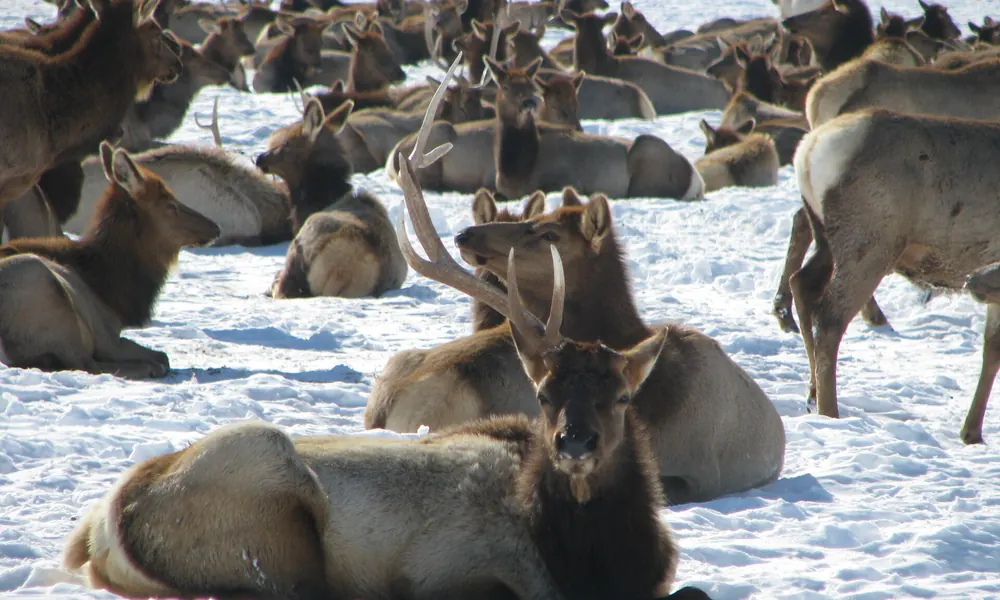
Feeding an elk herd is a different job from feeding deer, and it is a different job from feeding reindeer too. A reindeer barn plans lichen rations and winter feeding for a cold-climate herd that browses lichen through the snow. Elk are grazers that take grass, hay and browse in large quantities, and a herd of heavy animals eats far more per head than a deer herd, so the ration has to be planned by weight class and the grazing has to be rotated. The two tools in this section plan that feeding and the water that goes with it, at herd scale.
5. ElkRation Planner AI: the best tool for planning herd rations by weight class, grazing and supplement
ElkRation Planner AI plans what the herd eats, and it plans it the way a herd actually eats: by weight class, by season and by what the ground provides. The founder enters the herd size and mix, the grazing available, the hay and supplement on hand, and the condition targets for the animals, and the tool returns a ration for each class — cows, calves, growing stock and bulls — with the grazing rotation, the hay quantities and the mineral supplement for each. That weight-class split is what makes it an elk tool rather than a generic feed tool: a bull in the rut needs a different ration from a cow with a calf at foot, and a growing animal needs a different ration from a mature one, and the tool keeps those rations separate instead of feeding the whole herd one average mix that suits nobody.
The tool also keeps the feed bill under control, which is where most elk-house budgets quietly fail. It costs each ration, compares bought-in hay against home-grown grazing, and flags the months when supplement costs spike, so the founder can buy hay early or adjust the herd size before winter. It tracks condition through the year, so a founder can see whether the herd is holding condition on the planned ration or slipping, and it adjusts the ration when the grazing changes with the season.
6. HerdTrough Elk AI: the best tool for planning herd-scale water, large shared troughs and freeze cover
HerdTrough Elk AI plans the water for a whole herd at once, and that is a bigger job than it sounds. A deer house plans a trough for a handful of light animals that drink a little at a time. An elk herd drinks far more per head, and the whole group will come to water together after feeding, so the trough has to hold enough for many large animals drinking at once, refill fast enough to keep up, and stay clean enough that the herd keeps using it. The tool takes the herd size, the daily intake per animal and the water supply on the site, and returns the trough sizes, the number of troughs, their positions and the flow rate the supply has to deliver, so the founder is not fitting a deer-sized trough to an elk-sized thirst.
The tool also plans for winter, which is when elk-house water usually fails. It specifies freeze cover for the troughs and the lines that feed them, places the troughs where the herd can reach them without crossing ice, and plans a backup supply for the days when the main line freezes. It checks the drainage around each trough too, because a herd of heavy animals standing in mud around a leaking trough will churn the ground into a pit in a week.
Behaviour, floors and the build
7. RutWatch Elk AI: the best tool for reading rut-season behaviour and planning bull separation
RutWatch Elk AI watches the part of the elk year that founders fear most, and it turns that fear into a plan. In the rut, bulls become aggressive to each other and dangerous to handlers, and a herd that was calm all summer can become a handling problem in a week. The tool reads the behaviour signs — the restlessness, the sparring, the changes in feeding and movement — and tells the founder when the rut is starting, which bulls need separating, and how to move them without a confrontation. It plans the separation pen, the handling route and the timing, so the bull comes out of the group on a quiet day rather than in the middle of a fight, and it keeps a log of each bull’s behaviour year by year, so the founder learns which animals are safe to keep together and which are not.
The tool is different from a general calm-watch tool because it is built for a herd in the rut, not for a solitary animal. A moose calm-watch tool reads one solitary animal and plans rut-season safety for a single bull; a deer calm-watch tool reads flighty behaviour and stress signs in a small herd. RutWatch Elk AI reads a whole group of heavy animals with wide antlers, and it plans for the group: the separation, the regrouping after the rut, and the handler safety rules for working around bulls that weigh 300 kilograms and know it.
8. HerdFloor Elk AI: the best tool for planning flooring, drainage and mucking for a heavy herd
HerdFloor Elk AI plans the floor the herd stands on, and a floor for elk is a structural job, not a bedding choice. A deer house plans dry bedding, mucking and floor drainage for light animals that barely mark the ground. An elk herd weighs three times as much per animal, stands in the same shelter all winter, and churns bedding and ground together, so the floor has to carry the weight, drain the wet, and survive mucking out without falling apart. The tool takes the herd size, the shelter size, the ground and the drainage, and returns the floor build — the base, the falls, the drainage runs and the bedding depth — so the shelter stays dry under a heavy herd through the wettest months.
The tool also plans the mucking, which is the daily work that keeps the house usable. It sets the mucking route, the access for the barrow or loader, and the muck heap position, so the founder can clean the shelter without driving through the herd or blocking the pens. It checks the floor against the two failures that ruin elk shelters: a floor that holds water and turns the bedding to slurry, and a floor that breaks up under heavy feet and leaves the herd standing on rubble.
9. ElkHouse Quote AI: the best tool for priced quotes, job costing and handover
ElkHouse Quote AI prices the build, and it prices it as an elk build rather than as a generic shed. The founder enters the shelter size, the fence length and height, the pen count, the troughs, the feeders and the groundworks, and the tool returns a priced quote with materials, labour and a margin, broken down so the customer can see where the money goes. That breakdown matters because an elk house is an expensive build and the customer will ask why it costs more than a deer house. The tool gives the founder the answer in numbers: taller shelter, higher and heavier fencing, larger pens, bigger troughs, more feed — every line of the quote tied to the size and herd facts that drive it. It also keeps the quote honest, flagging the items founders forget: the gate furniture, the freeze cover, the hard standing around the troughs, and the muck heap.
The tool also carries the job from quote to handover. It costs the job as it runs, tracks the spend against the quote, and flags the overruns early, so the founder knows the job is going over budget while there is still time to fix it. At handover it produces the records the customer needs: the fence specification, the shelter dimensions, the feeding and watering plan, the rut-season notes and the maintenance schedule.
Elk house installation checklist
- Confirm the herd size and mix first, then size the shelter, pens and fencing from those numbers, never from a deer-house template.
- Walk the ground in wet weather and put the shelter on the driest, best-drained part, with the pens between the house and the grazing.
- Specify the fence at full elk height with antler-safe faces, and cost it line by line before quoting the job.
- Plan the rut before the herd arrives: a separation pen, a handling route and a rule that nobody works a rutting bull alone.
- Size the troughs for the whole herd drinking together, and fit freeze cover before the first cold snap, not after it.
- Price the build with a dedicated quote tool, track the spend as the job runs, and hand over the feeding, watering and maintenance records.
Frequently asked questions
What is an elk house installation startup?
It is a startup that builds a house and its pens for a herd of elk: a tall shelter with a clear-span roof, high heavy fencing, large herd pens, feeding and watering at herd scale, and handling that moves a group of very large animals safely. The founder surveys the ground, plans the shelter and pens, builds the fencing and shelter, and hands the house over with feeding and maintenance records.
How is an elk house different from a deer house?
Size is the difference. A deer house is a low, dry, well-fenced house for a handful of small deer, with low pens, a sheltered resting area and a feeding rail. An elk is roughly three times the weight of a deer and stands over two metres at the shoulder, so the elk house needs taller shelter, a wider roof span, higher and heavier fencing, larger pens and bigger troughs and feeders.
How is an elk house different from a moose house?
Behaviour is the difference. A moose house is built for solitary animals, with single-animal pens, visual barriers and handling for one animal at a time. Elk live in herds, so an elk house is built around group pens, shared troughs, herd feeding and a handling flow that moves many animals together. The rut plan is different too: an elk house separates bulls out of a group, while a moose house manages one solitary bull.
How high does elk fencing need to be?
Far higher than deer fencing. A bull elk can clear a fence that would hold deer comfortably, and a herd of heavy animals leaning together will flatten a light fence, so the fence has to be both tall and heavy, with deep-set posts, strong bracing at corners and gates, and faces that are smooth at antler height. The exact height depends on the herd and the ground, and it should be specified with a fencing tool rather than guessed from a deer fence.
What do elk eat in an elk house?
Elk are grazers that take grass, hay and browse in large quantities. The ration is planned by weight class — cows, calves, growing stock and bulls eat differently — with grazing rotation, hay quantities and mineral supplement for each class. A herd of heavy animals eats far more per head than a deer herd, so the feed bill is a major part of running the house and should be planned before the herd arrives.
Which AI tool should a new elk house startup buy first?
Buy the siting tool first. ElkRange Plot AI decides whether the ground can carry the herd and where the shelter, pens and grazing should go, and that decision shapes everything else. Once the ground is settled, buy the shelter and fencing tools, then the feeding and water tools, and price the whole build with a quote tool before taking a deposit.
The bottom line
An elk house is a deer house scaled up for a much larger animal and rebuilt for a herd. The shelter has to be tall with a clear-span roof, the fencing has to be high, heavy and antler-safe, the pens have to hold a whole group at once, and the feeding, watering and rut-season handling all have to work at herd scale. The nine tools in this guide cover that job in order, from the ground to the quote. Start with the ground, build for the herd, and price it like an elk house, not a deer house.

Keep what speaks to you.
Leave room for your own perspective.


