
The best AI tools for dog sledding tour startups in 2026 turn a small kennel and a handful of huskies into a business that can take bookings while the musher is out on the trail, keep every dog healthy and accounted for, and fill sleds on the coldest weekdays of the season. A dog sledding tour startup is a very different business from a shop that sells winter gear or a resort that rents snowmobiles by the hour. You are selling a guided experience with living animals, which means your day is shaped by trail conditions, weather windows, guest ability, safety briefings, dog feeding and rest, harness checks, and the simple fact that the whole season may last only three or four months.
When a snowstorm closes the pass on a Friday night and the phone starts ringing at dawn, a team of two or three people cannot answer every question, check every waiver, feed every dog, harness every team, and guide the first group out by nine o’clock without help. That is where the right software earns its keep. A good tour booking system knows which departure slots are already full, which dogs are due for a rest day, which guests have signed their waivers, and which visitors need a reminder about warm clothing and arrival times. Add smart pricing, automated messages, kennel records, and trail forecasting, and the same small team can run two departures a day with fewer mistakes, fewer no-shows, and far less time spent on admin.
The tools in this guide were chosen for dog sledding work first, not for general tourism or retail, because a dog sledding tour business lives or dies on dog welfare, trail safety, and trust. A guest who has never ridden behind a husky team needs to know the dogs will be cared for, the musher will be patient, the route will suit their ability, and the price will be clear before they arrive. This guide compares nine named AI tools across the jobs that matter most to a dog sledding tour startup: online bookings and departure slots, safety waivers and guest check-in, kennel care and dog health records, sled and vehicle tracking, trail weather and snow forecasting, musher rostering, guest support, seasonal marketing, and video promotion. Each tool is judged on what it actually does for a sledding operator, who it suits best, what it costs in time to set up, and where it falls short. By the end you should be able to pick a booking core, add one or two supporting tools, and test the whole stack through one busy weekend before you commit for the season.
Key takeaways
- Build your stack around one tour booking system that manages departure slots, sled numbers, musher rosters, and waivers in one place, then add specialist AI tools around it.
- Dog welfare comes first: kennel records, rest days, feeding, and vet notes should live in one system, so no dog is ever run twice in a day by mistake.
- Safety paperwork pays fastest when waivers are signed online before arrival, so the morning briefing starts on time and no group waits in the cold while forms are filled in.
- Trail forecasting works best when it uses your own trail history, local snowfall, and grooming reports, not generic regional weather averages.
- Test every tool on a real busy Saturday in peak season, measure one clear number for thirty days, and only commit once it fits the way your mushers actually work.
Why a Dog Sledding Tour Startup Needs AI in 2026
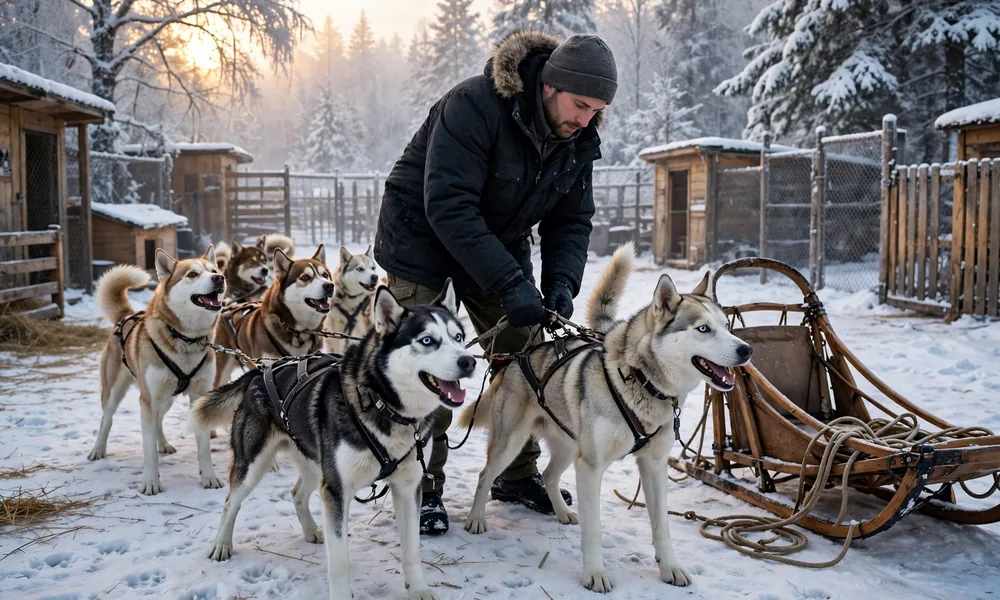
A dog sledding tour startup sells confidence as much as it sells adventure. A beginner who has never stood on a sled needs to know the dogs will be well cared for, the musher will keep the team together, the route will match their ability, and the safety rules will be explained clearly before anyone sets off. A family booking a half-day ride needs a sled that suits different sizes and experience levels, plus warm suits, boots, and blankets that are clean, dry, and ready at the same time. A regular who returns every winter expects the team to remember their preferred route, their usual musher, and the fact that they ride with their teenage children.
Mushers can deliver that service on the trail, but they cannot be everywhere at once, and the questions keep coming after closing time through messages, email, and social media. AI tools answer the routine questions instantly, so the team spends its time on the conversations that need a human, such as talking a nervous first-time rider through the controls or deciding whether a group is ready for a longer forest route. A chatbot trained on your tour options, prices, meeting points, age limits, and cancellation rules can confirm a booking, explain what to wear, and point a guest to the right tour length before a member of staff ever picks up the phone. That matters most on a powder morning, when demand spikes and every minute before the first departure counts.
The same logic applies across the winter trade, and the guide to the best AI tools for snowmobile tour startups shows how guided winter operators use similar automation to cope with the same weather-driven rush. The difference for a sledding business is the kennel. Dogs are not machines that can be fuelled and parked. Each husky has a feeding plan, a rest pattern, a harness size, a running history, and a temperament that suits some teams better than others. A booking system that ignores the kennel will happily sell a third departure on a day when half the team is already resting. A kennel-aware stack will not.
Seasonal swings are sharper here than in most tour businesses. The whole season can turn on a few holiday weeks, a cold snap, or a warm spell that softens the lower trails. A kennel bought and fed for the wrong team size sits idle while the popular morning departures sell out every weekend. AI forecasting reads your own booking history alongside snowfall, holiday calendars, and local events, and warns you before a popular slot is fully booked for the coming weekend. It cannot guarantee the weather, but it can stop you from guessing with expensive dog care.
How to Choose AI Tools for a Dog Sledding Tour Startup
Start with the departure, not the feature list. Write down one ordinary winter Saturday, hour by hour, from the first kennel check at dawn to the last guest leaving in the afternoon. Mark every moment where someone stops doing guest-facing work to do admin: answering the same question, chasing a waiver, checking a dog’s rest record, confirming a payment, or retyping a name into a second system. The tools that remove the most of those moments are the ones to buy first.
Next, check that the booking core understands dogs and departures together. It should cap each departure by sleds and mushers, not just by seats, and it should let you block a dog, a sled, or a musher for a rest day without cancelling the whole departure. If a tool treats your business like a hotel with rooms, it will fight you every Saturday. Ask for a trial with your real routes, your real team sizes, and your real prices loaded in, and run it through a full test weekend before you pay for a season.
Look for tools that share data cleanly. A booking should flow into the waiver, the waiver into the morning manifest, and the manifest into the kennel log, without anyone retyping names. A guest who books twice should be recognised the second time. A dog that ran in the morning should show as resting in the afternoon. When tools do not connect, the gaps are filled by tired people at midnight, and that is where mistakes happen.
Price the stack by the season, not by the month. Many tools charge per booking, per user, or per message, and those costs spike exactly when you are busiest. Work out what a sold-out February weekend would cost on each plan, and compare that with the revenue from one extra departure that the tool makes possible. A tool that costs more in peak season but saves a departure is still cheap. A tool that is cheap all year but cannot handle a busy Saturday is expensive.
The Best AI Tools for Dog Sledding Tour Startups Compared
Here is the short version before the detailed reviews. Booking platforms suit operators who sell scheduled departures and need payments, availability, and reseller sales handled automatically. Kennel and waiver tools suit operators who put dog welfare and safety paperwork first. Tracking, weather, and rostering tools suit operators who run several teams a day and need to know where every sled, dog, and musher is. Support, marketing, and video tools suit operators who want to turn one-time riders into repeat guests and keep the phones quiet while the team is on the trail.
| Tool | Best for | Standout strength | Starting point |
|---|---|---|---|
| Ventrata | Tour bookings and ticket sales | Live availability and reseller sales | Commission based |
| Orioly | Reservations and vouchers | Simple booking pages and gift vouchers | Monthly plan |
| Gingr | Husky kennel care | Dog profiles, feeding, and health records | Monthly plan |
| WaiverSign | Digital safety waivers | Fast online waivers and signed records | Monthly plan |
| Samsara | Sled and vehicle tracking | GPS, safety alerts, and maintenance | Monthly plan |
| Windy | Trail weather and snow forecasting | Detailed wind, snow, and temperature maps | Free tier available |
| Deputy | Musher and guide rostering | Shift planning and time tracking | Monthly plan |
| Intercom | Guest support and chat | AI answers and live chat in one place | Monthly plan |
| CapCut | Video promos and social clips | Quick, polished trail videos | Free tier available |
The 9 Best AI Tools for Dog Sledding Tour Startups in Detail
1. Ventrata for Tour Bookings and Ticket Sales
Ventrata is the booking core to build around if you sell fixed departures and want them found beyond your own website. It handles live availability, timed departure slots, ticket types for adults and children, add-ons such as warm clothing hire and hot drinks, and payments in one place, so a guest can book a Saturday morning sled ride at midnight without waiting for a reply. Reseller and partner sales are its strongest suit: local hotels, travel agents, and activity marketplaces can sell your departures from live stock, which matters in a short season when every empty sled is lost revenue.
For a dog sledding startup, the practical win is control over capacity. You set how many sleds run per departure, how many guests ride per sled, and which departures close when the kennel needs a rest day, and Ventrata stops selling the moment a slot is full. That prevents the most common early mistake in this niche: selling a third departure because the calendar looked empty, then realising the dogs for it are already booked. The reporting also shows which routes sell first, which days need a price cut, and which partners bring the best guests, so you can plan the next week instead of guessing.
2. Orioly for Tour Reservations and Vouchers
Orioly is a lighter booking option that suits a startup still finding its feet. It gives you a clean booking page, timed departures, voucher and gift-card sales, and a simple calendar that shows what is sold and what is still open. Gift vouchers matter more in dog sledding than in many tour niches, because a husky ride is a popular Christmas and birthday gift, and a voucher sold in November is a guest already booked for January. Orioly handles that sale without a separate gift system.
The day-to-day strength is simplicity. A musher can check the morning manifest on a phone, see who has paid, who still owes a balance, and who booked a private sled, without opening a laptop in the kennel. Changes are quick too: move a guest to a later departure when the trail softens, or close an afternoon slot when the weather turns, and the calendar updates for everyone at once. That speed matters when the decision is made at the trailhead and the guests are already arriving.
3. Gingr for Husky Kennel Care and Dog Records
Gingr is the tool that makes this guide specific to dog sledding rather than to tours in general. It is built for kennels and pet care, and it keeps a profile for every dog: feeding plan, harness size, health notes, vet visits, rest days, running history, and temperament. A musher planning the morning teams can see at a glance which dogs ran yesterday, which ones need a rest day, which ones work best together, and which ones have a vet note that changes their load. That single view prevents the welfare mistakes that a booking-only stack cannot see.
The feeding and care logs are the quiet win. In a busy week, several people feed, water, check, and harness the same dogs, and a paper notebook in the kennel gets missed, wet, or lost. Gingr records each check against the dog, so the evening musher knows exactly what the morning musher already did. Health flags carry forward too, so a sore paw spotted on Tuesday is still visible on Friday, and no one has to rely on memory to protect a dog.
4. WaiverSign for Digital Safety Waivers
WaiverSign moves the safety paperwork off the trailhead and onto the guest’s phone before arrival. Guests sign the waiver when they book or in the reminder message the day before, and the signed record is stored against their booking, searchable by name and date. The morning briefing then starts on time, because no one is standing in the cold filling in forms while the dogs wait in harness.
For a sledding business, the waiver is also where the important rules are agreed: age limits, weight limits, clothing requirements, behaviour around the dogs, and what happens if the weather forces a shorter route. WaiverSign lets you write those rules in plain language, collect a clear signature, and keep a clean record if a question ever arises later. Parents can sign for children, groups can sign together, and the musher can check the manifest and see that every rider is covered before the first sled moves.
5. Samsara for Sled and Vehicle Tracking and Safety
Samsara is best known for vehicle fleets, and in a sledding business that means the vans, trailers, and support snowmobiles that keep the tour running, plus GPS tracking for the route itself. It shows where each vehicle is, how it is being driven, when it is due for a service, and whether a support vehicle is close enough to help if a sled needs assistance on a remote trail. That support matters more here than in a town tour, because a breakdown miles from the kennel can strand guests in the cold.
The maintenance side is where Samsara earns its keep over a season. Trailers, vans, and support machines take a hard winter, and a missed service can cancel a whole weekend. Samsara flags service dates, records damage with photos, and keeps a history for each vehicle, so the team knows which trailer had a brake repair in January and which van is due for tyres before the holiday rush. Safety alerts add another layer, warning the office if a vehicle stops unexpectedly on a trail road.
6. Windy for Trail Weather and Snow Forecasting
Windy is the forecasting tool to check before you confirm a departure, change a route, or close a day. It shows wind, temperature, snowfall, and cloud cover on detailed maps, with several forecast models side by side, so you can see where the models agree and where they disagree. For a sledding operator, the wind and temperature matter as much as the snow: a cold, still morning is a good running day, while a warm wind can soften a trail by midday and force a shorter route.
The practical habit is simple. Check Windy the evening before, again at dawn, and once more before the afternoon departure, and write the decision down: full route, short route, or closed. Over a season, that record becomes your own trail history, showing which forecasts were right for your valley and which ones were not. That local knowledge is worth more than any generic regional forecast, because a valley trail can hold snow for a week after the town has melted.
7. Deputy for Musher and Guide Rostering
Deputy plans who works, when, and where, and it matters as soon as you have more mushers than sleds. It builds the weekly roster, handles shift swaps, tracks hours, and shows who is available for an extra departure when a morning sells out. A musher who is also feeding the kennel at dawn cannot also drive the first departure, and Deputy makes that conflict visible before the day starts instead of at the trailhead.
The time-tracking side keeps the business fair and legal. Winter tour work runs long, cold, and early, and hours are easy to lose track of when everyone is focused on the dogs. Deputy records start and finish times, breaks, and overtime, so the team is paid correctly and the founder can see the true cost of each departure. That cost matters when you set prices for next season, because a departure that looks profitable on ticket sales alone may be thin once musher hours are counted.
8. Intercom for Guest Support and Chat
Intercom answers the routine guest questions while the team is out on the trail, and hands the difficult ones to a human. Its AI assistant can be trained on your tour options, prices, meeting points, age limits, clothing advice, and cancellation rules, so it can confirm a booking, explain what to wear, and point a guest to the right tour length at midnight. When a question needs judgement, such as a guest with a medical concern or a large group with mixed abilities, it passes the conversation to a person with the full history attached.
The shared inbox is the part the team will notice most. Messages from the website, email, and social media land in one place, so a guest who messages on one channel and emails on another is still one conversation. That stops the classic winter mistake of answering the same guest twice with different answers, or missing a cancellation because it arrived on a channel no one was watching. Follow-up messages can be automated too, sending arrival reminders the day before and a thank-you message after the ride.
9. CapCut for Video Promos and Social Clips
CapCut turns a morning on the trail into the video that sells the next morning. A musher can film the dogs leaving the kennel, the guests laughing on the sled, and the forest trail in fresh snow, then cut it into a short clip with captions and music in minutes on a phone. That speed matters, because the best sledding footage is shot in the cold between departures, and a video posted the same day feels alive in a way that a polished film made weeks later does not.
The templates and captions are the practical win for a small team with no video editor. CapCut offers ready-made formats for short social video, automatic captions for guests who watch without sound, and simple tools to trim, stabilise, and brighten winter footage. A thirty-second clip of huskies running through snow, with a clear caption naming the tour and the booking link in the post, will do more for a startup than a long brochure that no one reads.
What a Good Dog Sledding Tour Stack Looks Like
A good stack for a first season is small and joined up. Ventrata or Orioly takes the booking and holds the departure calendar. Gingr holds the kennel, so every team is built from dogs that are fit, fed, and rested. WaiverSign holds the safety paperwork, so the morning starts on time. Windy informs the route decision, Deputy holds the roster, Intercom answers the guests, Samsara watches the vehicles, and CapCut tells the story. Each tool has one clear job, and no job is done twice in two places.
The same stack looks different at scale. A startup running three teams a day across two trailheads will lean harder on Deputy and Samsara, because people and vehicles are spread out and the office needs one view of both. A startup selling mostly through hotels will lean harder on Ventrata, because reseller sales become the main channel. A startup with a large kennel will lean hardest on Gingr, because dog welfare is the constraint that decides how many departures can run. Let the constraint decide where the money goes.
Winter rental businesses face a similar puzzle with different stock, and the guide to the best AI tools for ski rental startups shows how a rental desk balances fleet, fittings, and deposits in the same short season. The lesson carries over: the tool that tracks your scarcest resource, whether that is skis or huskies, is the tool that decides how much you can sell. Build around that resource first, and the rest of the stack falls into place.
Dog Sledding Tour Startup Launch Checklist
- Load every dog into the kennel system with feeding, harness, health, and rest records before the first guest books.
- Set departure caps by sleds, mushers, and rested dogs, not by seats alone, and test them with a full trial weekend.
- Put waivers online, test them with a family booking and a group booking, and confirm the morning manifest shows every signature.
- Write the twenty answers every guest asks, train the support tool on them, and check the conversations it hands over each week.
- Build a weather routine: check the forecast the evening before, at dawn, and before each afternoon departure, and record every route decision.
- Film one short trail clip each week, post it the same day, and measure bookings, not views, before you spend more on marketing.
Frequently Asked Questions
What is the best AI tool for a dog sledding tour startup?
There is no single best tool, because the booking, the kennel, and the waiver are three different jobs. Most startups should start with a booking platform such as Ventrata or Orioly, add a kennel system such as Gingr, and add a waiver tool such as WaiverSign. That trio covers the departure, the dogs, and the safety paperwork, and the other tools in this guide can be added once those three are working well together.
How much do AI tools for dog sledding tour startups cost?
A lean first-season stack usually costs a few hundred pounds or dollars a month, plus commission on bookings sold through a platform such as Ventrata. The exact total depends on how many departures you run, how many messages your support tool answers, and how large your vehicle fleet is. Work out the cost of a sold-out February weekend on each plan, and compare it with the revenue from one extra departure that the stack makes possible.
Can AI help with dog welfare on a sledding tour?
AI and kennel software help by keeping records that humans cannot hold in memory across a busy season. A kennel system tracks feeding, rest days, running history, and vet notes for every dog, and flags a dog that is due for rest before it is teamed again. No tool replaces a musher’s judgement on the trail, and a dog that looks tired, sore, or unhappy should be rested whatever the system says.
How do I avoid double bookings on dog sledding tours?
Use one booking system as the single source of truth for availability, and let resellers and your own website sell from the same live stock. Cap each departure by sleds and rested dogs, not just by seats, and close a departure the moment it is full. Test the setup with a partner booking at the same time as a direct booking, and only trust it once both sales draw from the same count.
Should I use dynamic pricing for dog sledding tours?
Dynamic pricing can help fill quiet weekdays and protect peak weekends, but it should be used gently in a business built on trust. A small weekend premium and a weekday discount are easy for guests to understand, while prices that change by the hour are not. Start with fixed prices for your first season, learn which departures sell first, and add simple peak and off-peak pricing only when the pattern is clear.
Do I need a separate tool for trail weather forecasting?
Yes, and it should be checked as a routine, not as an afterthought. A dedicated forecast tool such as Windy shows wind, temperature, and snowfall for your exact trail area, with several models to compare. Combine that forecast with your own trail history and what the musher sees on the ground, and record each route decision so the next season starts with local knowledge instead of guesswork.
Bottom Line
The best AI tools for dog sledding tour startups in 2026 are the ones that protect the dogs, start the morning on time, and let a small team sell a full season without drowning in admin. Build around one booking platform, keep the kennel record honest, get waivers signed before arrival, and let forecasting, rostering, support, and video do the routine work around them. Test the stack on a real busy Saturday, measure one number for thirty days, and keep only the tools that move it. The wider tour business works the same way at a larger scale, and the guide to the best AI tools for tour operator startups shows how a full operator builds its stack around the same booking-first idea. For a sledding startup, the dogs come first, the guests come second, and the software exists to serve both.

Keep what speaks to you.
Leave room for your own perspective.


