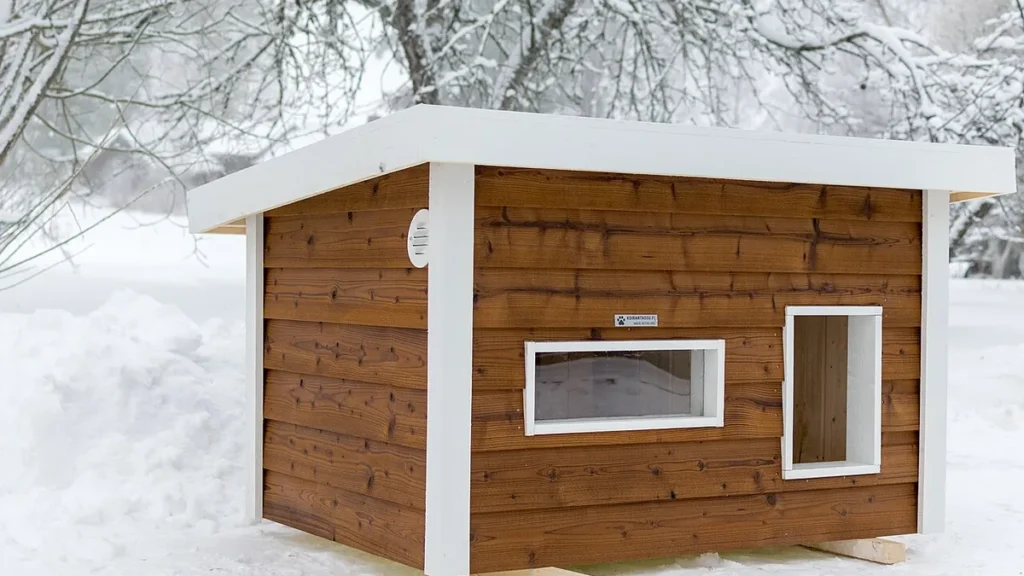
The best AI tools for dog house installation startups in 2026 give a brand-new business something the trade has never had before: a way to measure a garden, design a shelter that actually fits the dog, price the job honestly and book the crew without ever sitting at a desk. A founder with one van and a small crew can now answer every call, send a clear quote the same evening and arrive with the right house, insulation and bedding, looking as organised as a company ten times the size. The first year of a dog house business is won or lost on the work around the job, not on how straight the walls stand. Cutting timber and screwing a roof together is the easy part. The measuring, the sizing, the insulation and the cash flow are what sink new firms.
A dog house is a deceptively complete little construction project. It is a shelter that must keep a dog warm in January and cool in July, dry in a storm and draught-free on a windy night, big enough for the dog to turn around in and small enough for the dog’s own body heat to warm it. A customer who asks for a dog house is really asking for several trades in one small garden, and they expect the installer to have thought about all of them before the first panel goes up. When any one of them is forgotten, the job comes back: a house that floods in the first heavy rain, bedding that stays damp and starts to smell, or a door the dog refuses to use because the opening is the wrong size or faces the wrong way.
This guide is written for founders of dog house installation startups, not large established contractors. Every tool below is judged on what a startup needs: low starting cost, no long contract, useful from the first week, and able to grow from one crew to several. The tools are grouped by the job they do, so you can buy only what you need now and add the rest later. They fit timber houses with pitched roofs, insulated composite houses, igloo-style shelters and custom-built houses for large breeds, for single dogs, multi-dog households, breeders and working-dog owners.
Key takeaways
- Start with three tools only: a 3D design app for customer approvals, a phone-based site scan for measuring the garden, and a quoting and invoicing app.
- Sizing and insulation decide whether a customer recommends you or rings to complain, so choose the house and the bedding before spending money on marketing tools.
- Use AI measurement and 3D scans to quote faster, but always confirm the ground, the slope, the shade and the dog itself on site before committing to a price.
- Pick tools that charge per job or per month with no long contract, so a quiet winter month does not punish a young business.
- Keep the human in charge of sizing, dog safety and customer relationships. AI should speed those decisions up, never make them alone.
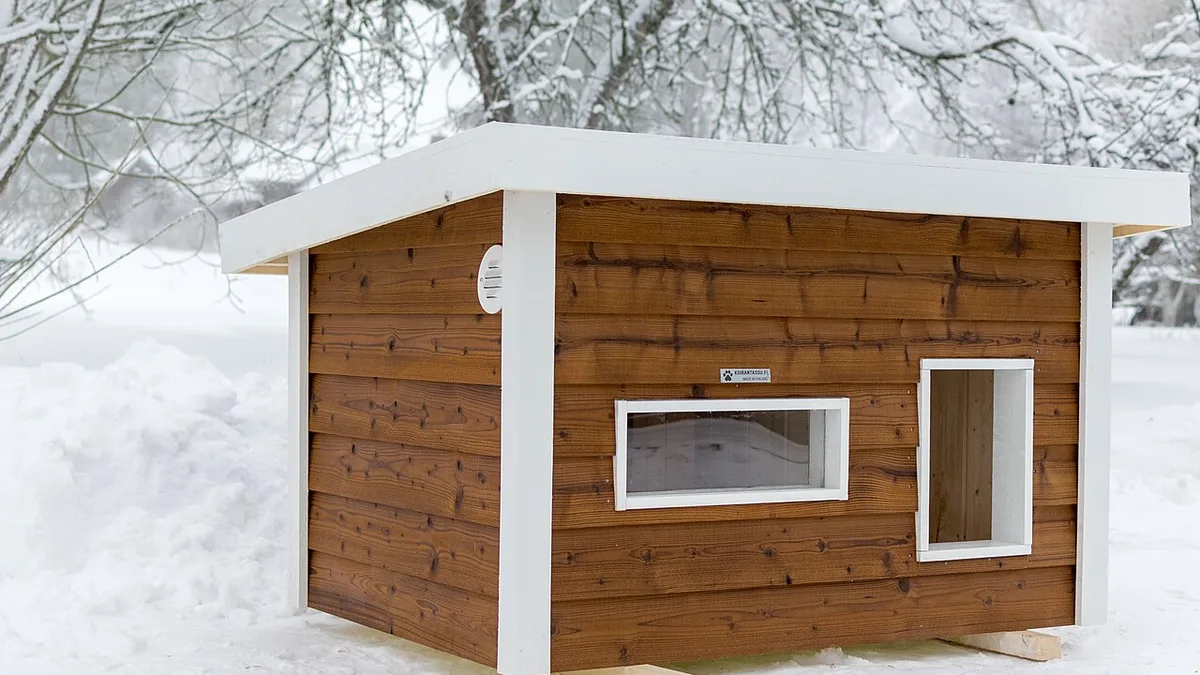
Best AI tools for dog house installation startups at a glance
| Tool | Best for | Starting price | Standout feature |
|---|---|---|---|
| SketchUp | 3D dog house design | From around $119 per year | Customer-ready 3D models with cut lists |
| Polycam | 3D site scans from phone photos | Free to start; Pro from around $8 per month | LiDAR and photo scans of the garden and gate |
| New Age Pet ecoFLEX | Insulated composite dog houses | Houses from around $150 | Recycled composite panels that never rot |
| Petsfit | Wooden houses with porches | Houses from around $100 | Porch and raised-floor designs customers love |
| Trixie Natura | Insulated timber houses | Houses from around $120 | Double-wall insulation with adjustable feet |
| Petmate Indigo | Igloo-style shelters | Houses from around $60 | Wind-deflecting dome that sheds rain and snow |
| K&H Pet Products | Heated bedding and winter kits | Heated beds from around $40 | Thermostat-controlled heated pads and bowls |
| Furhaven | Orthopaedic bedding and pads | Beds from around $25 | Washable covers sized to fit standard houses |
| Joist | Quoting, scheduling and invoicing | Free to start | Photo estimates customers can approve by text |
What makes a dog house installation startup different
A dog house installation startup is not a general building business, and treating it like one is the fastest way to lose money. The product is small, the customer is emotional about it, and the end user cannot tell you when something is wrong. A dog that will not use its house is a failed job, even if every joint is square and every screw is tight. That means the founder has to think like a builder and like a dog owner at the same time, and the tools have to support both halves of the job.
Sizing is the first thing that makes this trade different. The rule every installer learns quickly is that a dog house should be just big enough, not as big as possible. The dog must be able to stand up, turn around and lie down stretched out, and the house must be small enough that the dog’s body heat warms the air inside. A house built for a Great Dane will leave a terrier shivering, and a house built for a terrier will leave a Labrador unable to turn around. That is why the measurement step matters so much, and why the tools in this guide start with measuring the dog as well as the garden.
Insulation and ventilation are the second thing that sets this work apart. A dog house is a sealed box that a warm, breathing animal sleeps in, so it collects moisture as fast as it collects heat. Without ventilation, the inside of the roof drips condensation onto the bedding, and damp bedding is the start of most complaints. Without insulation, the house is a cold box in winter and an oven in summer. The best installers think of insulation and ventilation as one system: double walls and a raised floor to keep the cold out, a vent near the roof to let moist air escape, and bedding that can be lifted out and washed.
The third difference is that dog house jobs are often sold alongside other outdoor work. A customer who wants a house frequently wants a run, a fence repair or a shaded area as well, and a startup that can quote the whole job in one visit wins work that a house-only installer loses. If a customer wants a run as well as a house, our guide to the best AI tools for dog run installation startups covers panels, surfacing and drainage, and it pairs naturally with the tools below. The same founder, the same van and the same quoting system can serve both jobs, and the customer gets one installer who understands how the house and the run work together.
How to choose AI tools for a dog house installation startup
Choose tools by the job they do on a real installation, not by the size of their feature list. Start with the three jobs that happen on every single installation: measuring the site, showing the customer the design, and sending the quote. If a tool does not make one of those three jobs faster or more accurate, it can wait until the business is earning steadily. A founder who buys a full business suite in week one usually discovers that half of it is never opened, while the quoting still happens in a notebook.
Check that every tool works from a phone in a garden, not just from a desk. Dog house installers spend their days outdoors, often with wet hands and poor signal, and a tool that needs a laptop and a fast connection will be abandoned by the second week. The design app should let you sketch a house on site and show it to the customer there and then. The scanning app should work with the phone already in your pocket. The quoting app should send a professional estimate before you have driven home.
Price the tools against the value of one job, not against each other. A design app that costs around $119 a year pays for itself if it wins a single job that would otherwise have gone to a competitor, because a customer who has seen their dog’s house in 3D rarely shops around afterwards. A heated pad that costs around $40 is cheap insurance against the most common winter complaint, which is a dog that will not sleep in a cold house.
The best AI tools for dog house installation startups in detail
1. SketchUp: The best tool for 3D dog house design
SketchUp is the design tool that turns a conversation in a garden into a model the customer can see, approve and pay for. The founder measures the dog and the spot where the house will sit, sketches the house on a phone or tablet, and shows the customer a three-dimensional model with the roof, the door, the window and the porch in place. Customers who have seen their dog’s house before it is built almost never change their minds halfway through, and that alone saves more money than the subscription costs. The free web version is enough to learn on, and the paid Go plan, from around $119 a year, adds the tools a working installer actually needs.
The feature that matters most for a startup is the cut list. Once the model is finished, SketchUp extensions can list every panel, batten and screw the job needs, which means the timber order is right the first time and the van carries exactly what the job requires. A correct cut list also makes the quote honest, because the materials are priced from the model rather than guessed from experience, and a quote that matches the final invoice is the foundation of a good reputation.
2. Polycam: The best tool for 3D site scans from phone photos
Polycam turns the phone in an installer’s pocket into a 3D scanner, and for a dog house startup that changes the whole quoting process. Instead of a tape measure, a notepad and a sketch that only the installer can read, the founder walks around the garden taking photos and ends up with a measured 3D model of the spot where the house will sit, including the slope of the ground, the width of the gate and the position of the trees that will shade it in summer. The free tier covers occasional jobs, and Pro, from around $8 a month, unlocks the measurements and exports a small business needs.
The practical value shows up in the jobs that would otherwise go wrong. A garden that looks flat from the patio often slopes just enough to leave a house sitting in a puddle after rain, and a scan shows that slope before the house is delivered rather than after the customer rings to complain. A gate that looks wide enough for a pre-built house often is not, and a scan settles the question in seconds.
3. New Age Pet ecoFLEX: The best tool for insulated composite dog houses
New Age Pet’s ecoFLEX houses are the most installer-friendly product in this guide, because they solve the two problems that cause the most callbacks: rot and draughts. The panels are made from recycled composite material that looks like timber, feels solid, and simply does not rot, warp or soak up water the way untreated wood does. A house that goes into a damp garden in November comes out of winter looking the same as it went in. Houses start from around $150, which puts them in the middle of the market, and the range covers small, medium and large breeds.
The insulation is built into the design rather than added as an afterthought. The composite panels have a hollow core that traps air, the joints are tight enough to keep wind out, and the raised floor keeps the sleeping area off cold, wet ground. That matters because insulation is the part of a dog house the customer cannot see, so it is the part a cheap competitor skips, and it is the part that decides whether the dog actually sleeps in the house on a cold night.
4. Petsfit: The best tool for wooden houses with porches
Petsfit is the supplier to reach for when the customer wants a house that looks like it belongs in their garden rather than a box that was dropped in it. The range is built around traditional timber houses with pitched roofs, and the best-known models add a porch and a raised floor, which is the combination customers photograph and neighbours ask about. Houses start from around $100, which makes them one of the most affordable ways for a startup to offer a house that looks considerably more expensive than it is, and the timber construction means an installer can modify, repair and repaint them on site.
The porch is not decoration. It gives the dog a dry place to lie outside the sleeping area, it shades the doorway in summer, and it keeps rain from blowing straight into the bedding. The raised floor matters just as much, because it breaks the contact between the sleeping area and cold, wet ground, and it lets air circulate underneath the house so the floor dries after rain.
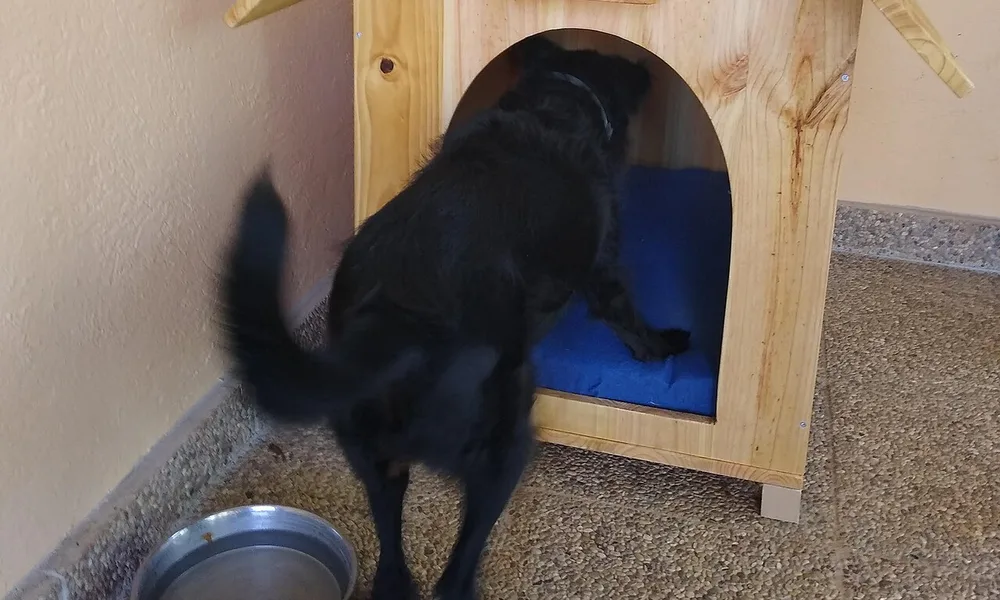
5. Trixie Natura: The best tool for insulated timber houses
Trixie Natura is the range for customers who want a traditional wooden house with proper insulation, and for installers who want a product they can fit and forget. The houses are built from glazed pine with double walls, which gives them the look of a classic timber house and the warmth of a modern insulated one, and the pitched roof sheds rain and snow without the owner needing to think about it. Houses start from around $120, and the range runs from small houses for terriers up to large models for Labradors and similar breeds.
The detail that installers appreciate most is the adjustable feet. Gardens are rarely level, and a house that sits flat on uneven ground rocks, lets draughts in under the floor and eventually works its fixings loose. The Natura’s feet wind up and down, so the installer can level the house in minutes without packing it with offcuts.
6. Petmate Indigo: The best tool for igloo-style shelters
Petmate Indigo is the igloo-shaped house that has been the default choice for exposed gardens for years, and it earns its place in this guide because its shape does real work. The dome sheds wind, rain and snow instead of catching them, the offset doorway stops wind from blowing straight onto the sleeping dog, and the heavy plastic construction insulates far better than a thin timber box. Houses start from around $60, which makes the Indigo the cheapest credible house in this guide, and its toughness makes it the easiest to recommend for working dogs, farm dogs and dogs that chew.
The shape also solves a sizing problem that catches new installers out. A rectangular house must be measured carefully, because a dog that is slightly too big for it cannot turn around, while a dome gives the dog more usable floor space for the same footprint, and the curved walls guide the dog into a natural sleeping curl.
7. K&H Pet Products: The best tool for heated bedding and winter kits
K&H Pet Products is the supplier that turns a good dog house into a warm one, and for a startup working through its first winter, that distinction is the whole business. The best-known products are the thermostat-controlled heated pads, which warm up only when the dog lies on them and switch off when the dog leaves, and the heated water bowls, which stop the dog’s water freezing overnight. Heated beds start from around $40, and a complete winter kit of pad and bowl usually costs the customer less than a single vet visit for a chilled older dog.
The reason to fit K&H products as part of the installation, rather than leaving the customer to buy them later, is safety and fit. A heated pad needs a cable routed where the dog cannot chew it and a socket that is protected from rain, and those are jobs for the installer, not the owner.
8. Furhaven: The best tool for orthopaedic bedding and pads
Furhaven is the bedding supplier that installers reach for when the dog is older, larger or recovering from an injury, and it earns its place because bedding is the part of the house the dog actually touches. The orthopaedic foam beds and crate pads support joints, spread weight and stay flat instead of bunching into a corner, and the washable covers mean the bedding can be kept fresh without replacing the whole bed. Beds start from around $25, which makes them an easy addition to any installation, and the range is sized to fit the standard houses in this guide. For help choosing the bedding itself, our guide to choosing a dog bed that lasts explains what to look for in a bed that will survive daily use and regular washing.
The practical point for installers is that bedding should be measured to the house, not bought by guesswork. A bed that is too big folds up at the edges and leaves the dog sleeping on a ridge, while a bed that is too small slides around and ends up bunched against the wall. Furhaven’s sizes map neatly onto the houses above, so the installer can order the bed with the house and fit it on the day.
9. Joist: The best tool for quoting, scheduling and invoicing
Joist is the business app that holds the whole stack together, and it is the tool a new founder should set up on day one. It builds estimates from photos, lets the customer approve them by text, turns approved estimates into invoices, and takes payment by card, all from a phone. The free tier covers a startup’s first months, and the paid plans add the scheduling and team features a growing crew needs. For a business that lives or dies on how quickly it answers the phone, Joist removes the gap between a customer’s enquiry and a professional-looking quote.
The feature that matters most is the photo estimate. The founder photographs the garden, the dog and the spot where the house will sit, adds the house, the insulation and the bedding as line items, and sends the estimate while still standing in the garden. The customer sees exactly what they are paying for and approves it with a tap. That speed wins jobs that a next-day email quote would lose. The same quoting and scheduling discipline applies to other small outdoor builds, as our guide to the best AI tools for chicken coop installation startups shows, and a founder who masters it once can reuse it across every trade the business adds.
Building your starter stack for a dog house installation startup
The stack that works for most new founders is three tools to start, three more when the jobs are flowing, and the last three when winter arrives. Start with SketchUp for design, Polycam for site scans and Joist for quoting. Those three cover every job from the first phone call to the final invoice, and they cost less than a single day’s takings once the business is running. Learn them properly before buying anything else, because a founder who can design, measure and quote confidently can sell houses without any other software at all.
Add the product suppliers once the first houses are sold. New Age Pet ecoFLEX and Petsfit cover the middle of the market between them, one composite and one timber, and Trixie Natura covers the customers who want a classic insulated wooden house. The igloo-style Petmate Indigo is worth stocking from the start, because it is cheap, tough and solves the exposed-garden jobs that timber houses struggle with. Add Furhaven beds with every house from the first installation, because a house without a bed is an unfinished job, and offer K&H heated pads on every autumn installation, because a warm house is the easiest upsell in the trade.
Dog house installation startup checklist
- Measure the dog, not just the garden: shoulder height, body length and turning circle decide the house size.
- Scan the site with Polycam and confirm the slope, the gate width and the shade before promising a delivery date.
- Show the customer a SketchUp model and get the design approved in writing before ordering materials.
- Fit insulation and ventilation together, with a raised floor, a roof vent and bedding that lifts out for washing.
- Send the Joist estimate from the garden, with the house, bedding and any extras listed as separate line items.
- Demonstrate the cleaning routine on handover, and book the autumn winter check-up before leaving.
Common mistakes dog house installation startups make with AI tools
The most common mistake is trusting a measurement that nobody checked on site. A 3D scan is a superb starting point, but it cannot tell you that the ground is soft after rain, that the gate sticks when it is wet, or that the dog is bigger than the owner described. Every scan needs a site visit to confirm it, and every quote based on a scan alone needs a sentence that says so. The second mistake is oversizing the house. Customers often ask for the biggest house available, because bigger feels kinder, and a new installer agrees because bigger feels like better value. It is not: a house that is too big stays cold, because the dog’s body heat cannot warm the air inside it, and a cold dog stops using the house.
The third mistake is forgetting ventilation. A well-insulated house with no vent is a damp house, and damp bedding is the complaint that brings the most callbacks. A vent near the roof, a raised floor and bedding that can be removed and washed are not extras, they are part of the house, and they should be on every quote as standard.
Frequently asked questions
What are the best AI tools for dog house installation startups in 2026?
The best tools are SketchUp for 3D design and customer approvals, Polycam for 3D site scans from phone photos, and Joist for quoting, scheduling and invoicing. For the houses themselves, New Age Pet ecoFLEX, Petsfit, Trixie Natura and Petmate Indigo cover composite, timber and igloo-style options, while K&H Pet Products and Furhaven cover heating and bedding.
How much should a dog house installation startup spend on AI tools?
A new founder can start for under $20 a month, using Polycam’s free tier, Joist’s free tier and SketchUp’s low-cost annual plan, and add paid features as the jobs arrive. The houses and bedding are stock, not software, and should be priced into each job rather than bought in bulk before the orders exist.
How do you size a dog house correctly?
Measure the dog’s height at the shoulder and its length from nose to base of tail, then add a few inches to each measurement for the doorway and the interior. The dog must be able to stand up, turn around and lie down stretched out, and the house should be no bigger than that, so the dog’s body heat warms the space.
Do dog houses need insulation and ventilation?
Yes, both, and they work as one system. Insulation keeps the warmth in during winter and the heat out during summer, while ventilation lets the moist air from the dog’s breathing escape so condensation does not drip onto the bedding. The best houses have double walls, a raised floor and a vent near the roof, with bedding that lifts out for washing.
What is the best first AI tool for a one-person dog house business?
Joist, because it turns enquiries into paid jobs faster than any other tool in this guide. A founder who can send a professional photo estimate from the garden, get it approved by text and take payment by card has solved the hardest part of a new business, which is getting paid on time. SketchUp and Polycam come next, because a design the customer has approved and a site that has been measured properly are what stop the expensive mistakes.
Will AI tools replace the need for skilled dog house installers?
No. AI tools measure gardens, draw houses and send invoices, but they cannot judge whether a dog will use a house, whether the ground will hold it level through winter, or whether a customer is asking for the wrong size for the right reasons. The craft of this trade is reading the dog, the garden and the customer together, and that judgement stays with the installer.
The bottom line
A dog house installation startup succeeds on the same things as any good building business: honest measurements, a design the customer has seen, a fair quote sent quickly, and a finished job that the dog actually uses. The nine tools in this guide cover those four things without asking a new founder to buy software they do not need or stock they cannot sell. Start with SketchUp, Polycam and Joist, add the houses and the bedding as the orders arrive, and keep the human in charge of sizing, safety and the customer relationship. Do that, and the first winter will bring recommendations instead of callbacks, which is the only marketing a young business really needs.

Keep what speaks to you.
Leave room for your own perspective.