
A diesel store is not a tank in the ground and it is not a shed with a few cans in the corner. It is a dry, ventilated outdoor store built to hold diesel safely in drums and containers, with a bunded floor that catches a spill before it reaches the soil, a roof that keeps rain off the drum lids, and enough clear space around the bays for a delivery driver to work without climbing over stock. The customers are farms, workshops, small haulage yards and rural homes that burn diesel for heat, plant and generators, and they all want the same thing: fuel on hand when they need it, stored in a way that does not worry them, their insurer or the local authority.
That is a very different job from fitting a bulk tank, and it is the reason this guide exists. A bulk tank installer thinks about one vessel, one gauge and one fill point. A diesel store installer thinks about drum bays, bund capacity, ventilation gaps, fire separation distances, spill kits, delivery access and a stock record that says which drum is full, which is part-used and which one is past its best. The tools that help with one job do not automatically help with the other, and a startup that buys tank-monitoring software for a drum store has spent its money on the wrong problem.
The nine tools below were chosen for the drum and container store itself. They cover the design of the store, the pricing of the build, the running of the install day, the safety paperwork that keeps the store legal, the delivery rounds that keep it full, and the payment step that keeps the business solvent. None of them is a bulk-tank gauge or a tank-level sensor, and none of them appears in the neighbouring fuel-store guides for kerosene, gas bottles, coal, charcoal or logs. Used together, they give a two-person startup the same control over a diesel store job that a much larger contractor has, from the first site visit to the first refill.
Key takeaways
- A diesel store holds diesel in drums and containers on a bunded, ventilated base. It is a store, not a bulk tank, so buy tools for bays, bunding, delivery and safety.
- Design the drum bays and the bund before you price anything. A store that holds 110 percent of its largest container is cheap to draw and expensive to rebuild.
- Price the bund, the roof, the ventilation and the spill kit as separate lines. Customers accept a higher quote when they can see what the safety work costs.
- Delivery is half the business. The store earns its keep on refill rounds, so route planning and drum-stock records matter as much as the build.
- Keep the safety file on the job from day one. Checklists, photos and delivery notes are what an insurer asks for after a spill, not before one.
The nine tools at a glance
Every tool in this guide earns its place by solving one part of the drum-store job. Two design the store, two price and manage the build, two run the install day, one holds the safety file together, one plans the delivery rounds, and one gets the startup paid. Read the table first, then work through the sections in order: the tools build on each other, and the cheapest time to change a design is before the base is poured.
| Tool | Best for | What it does for a diesel store startup |
|---|---|---|
| Autodesk Revit | Store design and bund sizing | Models drum bays, bund walls and roof in 3D, and checks the bund holds 110 percent of the largest container. |
| Chief Architect | Customer-ready store layouts | Draws the store, the access route and the delivery bay in a plan a homeowner can read at the kitchen table. |
| Bluebeam Revu | Markups, measures and quotes | Measures bund areas and roof spans from drawings, marks up fire separation distances, and builds the quote from the same file. |
| Procore | Running the build | Keeps drawings, snag lists, photos and delivery notes in one place so nothing is lost between the yard and the site. |
| simPRO | Jobs, scheduling and invoicing | Schedules install days and refill rounds, tracks job costs, and turns a finished store into an invoice the same evening. |
| ServiceTitan | Field service and repeat work | Books site visits, dispatches the crew, and turns one store build into a repeat delivery and inspection customer. |
| Intelex | Safety and compliance records | Holds spill-kit checks, bund inspections and training records in one auditable file the insurer can actually read. |
| Samsara | Delivery vehicles and routes | Tracks the delivery van, plans the drum round, and proves when each drum was delivered and to whom. |
| Wisetack | Customer financing | Lets a customer spread the cost of a store build over monthly payments, so a good quote does not die on price alone. |
Design the store before you build it
A diesel store is a small building with an outsized number of rules attached to it. The drums need shade and ventilation, the bund needs to hold a spill, the roof needs to keep rain out without trapping fumes, and the whole structure needs to sit far enough from boundaries, drains and ignition sources that a spill stays a mess rather than becoming an incident. None of that is guesswork, and none of it should be worked out on site with a tape measure and a shrug. The two design tools below do different jobs: one models the store properly, the other shows the customer what they are buying.
1. Autodesk Revit: Best for store design and bund sizing
Autodesk Revit is the heavyweight design tool in this guide, and it earns its place on the bund alone. A diesel store bund is not a tray under a drum; it is a low wall and a sealed floor that must hold 110 percent of the largest container in the store, or 25 percent of the total volume, whichever is greater. Get that number wrong and the store fails its first inspection. In Revit, the bund is a modelled solid, not a line on a sketch, so the volume is calculated from the model and the startup can show the customer and the inspector the exact figure before a single block is laid.
Revit also handles the rest of the store honestly. Drum bays are modelled at their real sizes, so the plan shows whether a 205-litre drum can actually be tipped, rolled and lifted out without scraping the bay above it. The roof is modelled with its real pitch and overhang, so rain stays off the drum lids while the ventilation gaps under the eaves stay open. The access route is modelled too, which matters more than most founders expect: a delivery driver with a sack truck full of drums needs a firm, level path from the van to the store, and a store that looks fine on a flat sketch can be impossible to reach across a sloping, muddy garden.
2. Chief Architect: Best for customer-ready store layouts
Chief Architect does the job Revit cannot do as cheaply: it shows a homeowner what the store will look like in their garden, in a picture they can understand without a legend. Most diesel store customers have never bought a fuel store before, and a technical drawing full of bund sections and ventilation notes does not reassure them. A clear 3D view of a tidy timber store with a pitched roof, louvred vents and a neat row of drums does, and it does it in the first meeting rather than the third.
Chief Architect also keeps the startup honest about access. The plan forces the founder to draw the van, the turning space and the path to the store, and a path that cannot be drawn cannot be driven. That single habit prevents the most common diesel store mistake: a handsome store in a corner of the garden that no delivery driver can reach without carrying drums across a lawn. A store that cannot be refilled easily is a store the customer regrets, and a regretful customer does not recommend the installer to their neighbours.
Price the build and prove the bund
Diesel store quotes fail in two ways. They fail when they are too low, because the founder forgot the bund lining, the spill kit or the ventilation, and the job loses money before the roof goes on. And they fail when they are too high without explanation, because the customer cannot see why a small outdoor store costs what it does. The tools in this section fix both problems: one measures and marks up the work so nothing is missed, and the other manages the build so the price agreed is the price delivered.
3. Bluebeam Revu: Best for markups, measures and quotes
Bluebeam Revu is the tool for turning a drawing into a price a founder can defend. The startup opens the store plan, measures the bund floor area, the wall lengths, the roof span and the ventilation openings, and each measurement lands on the same marked-up drawing the customer will see. When the customer asks why the quote includes a bund lining, the founder points at the bund on the drawing and the line that prices it, instead of waving at a lump sum and hoping for trust.
Revu also stops the quiet profit leaks that sink small installers. The spill kit, the fire extinguisher, the warning sign, the drum labels and the bund sealant are small lines, but together they are a real sum, and they are the first things a founder forgets when pricing from memory. A Bluebeam template with those lines already in it means every quote includes them, every time. The customer sees a thorough quote rather than a cheap one, and the startup gets paid for the safety work instead of giving it away.
4. Procore: Best for running the build
Procore is project management built for construction, and a diesel store is a construction job even when it only takes three days. The base is poured on day one, the bund is sealed on day two, and the roof, vents and doors go on day three, and each step depends on the one before it. If the bund sealant is still curing, the drums cannot go in. If the roof is late, the drums sit in the rain. Procore holds the sequence, the drawings and the photos in one place, so the founder knows exactly where the job stands without driving to the site to look.
Procore is also the tool that keeps a startup from growing into chaos. One store a month can be run from memory. Four stores a month cannot, and the founder who tries will mix up drawings, forget a delivery and double-book a crew. Procore’s job list shows every store at a glance: which are quoted, which are booked, which are built and which are waiting for a refill. That view is the difference between a founder who works in the business and one who runs it, and it is worth setting up before the order book fills rather than after it overflows.
Run the install day without losing the thread
The install day is where a diesel store startup earns its reputation, and it is also where a small job can unravel. The crew arrives with the base materials, the bund lining, the roof panels and the drums, and the customer watches all of it from the kitchen window. If the day runs smoothly, the customer tells their neighbours. If the crew is waiting on a delivery, arguing about the drawing or hunting for a fitting, the customer remembers that instead. The two tools below keep the day on rails: one schedules and costs the job, the other keeps the customer informed while the work happens.
5. simPRO: Best for jobs, scheduling and invoicing
simPRO is built for trade businesses that live on jobs, and a diesel store install is a job with a beginning, a middle and an invoice. The founder creates the job from the accepted quote, and the materials, the labour hours and the delivery costs flow straight into it. When the crew uses an extra sheet of bund lining or an extra hour on site, the job cost updates, and the founder sees the margin while the job is still running rather than discovering it a month later in a bank statement.
The invoicing step is where simPRO quietly earns its fee. A finished diesel store can be invoiced the same evening, from the job record, with the materials already listed and the photographs already attached. The customer pays while the store is still new in their mind, instead of receiving an invoice three weeks later when the goodwill has faded. For a startup that needs cash flow to buy the next store’s materials, that speed is not a convenience; it is the business model. A kerosene store installation startup faces the same drum-delivery rhythm, and the lesson carries over directly: the install is one job, the refills are the recurring work, and the tool that handles both is the tool that survives the first year.
6. ServiceTitan: Best for field service and repeat work
ServiceTitan is the tool for the day the store is finished, because that is the day the real business starts. A diesel store customer needs refills, annual bund inspections and the occasional repair to a door or a vent, and each of those is a booked job with a crew, a van and a price. ServiceTitan turns a one-off install into a service agreement: the customer books a refill, the dispatcher sends the nearest driver, and the visit is recorded against the same customer file as the original build.
ServiceTitan also keeps the startup’s pricing honest. Every refill, inspection and repair is logged with its time and materials, so the founder can see which customers are profitable and which ones cost more to serve than they pay. A customer at the end of a long farm track who orders two drums a month may be the startup’s least profitable account, and the numbers will say so plainly. That is not a reason to drop the customer; it is a reason to price the delivery properly, and to offer them a larger store that needs fewer visits. The tool does not make that decision, but it makes the decision possible.
Keep the store safe and compliant
Diesel is not the most dangerous fuel a startup can handle, but it is still a fuel, and a store that leaks into soil or drains becomes a problem measured in thousands rather than hundreds. The safety file is the startup’s proof that the store was built right, checked regularly and handled by people who knew what they were doing. It is also the first thing an insurer asks for after an incident, and the worst time to discover it is incomplete is after the incident has happened.
7. Intelex: Best for safety and compliance records
Intelex is environmental, health and safety software, and it fits a diesel store startup because the risks are environmental first and everything else second. A bund inspection, a spill-kit check, a drum-label audit and a delivery driver’s training record are all different kinds of record, and Intelex holds them in one place with dates, owners and reminders. When a bund inspection is due, the system says so. When a spill kit is used, the system records that it needs restocking. Nothing depends on the founder remembering it on a Sunday evening.
The audit trail is the part that matters when something goes wrong. If a drum leaks and diesel reaches a drain, the questions arrive fast: when was the bund last inspected, was the spill kit in date, had the driver been trained on the spill procedure? A startup with Intelex answers those questions with dated records in minutes. A startup without it answers with a shrug and a search through a van glovebox. The difference between those two answers is often the difference between an insurer paying a claim and declining one, and that difference is worth far more than the software costs.
Intelex also helps the startup sell. Customers who store diesel are often nervous about it, and a founder who can show a customer the inspection schedule, the spill procedure and the training records is a founder who wins the job over a rival who just promises to be careful. The same discipline applies across the fuel-store family: a gas bottle store installation startup works under the same safety logic, with cylinders instead of drums, and the customer conversation is the same — show the file, not just the store.
Deliver diesel and know where every drum is
A diesel store that is never refilled is a garden ornament, and the refill round is where a diesel store startup makes its steady money. The store holds a known number of drums, the customer burns diesel at a roughly known rate, and the round is a route between stores that need filling. The trick is knowing which store needs a refill before the customer runs out, and proving that each drum went where the record says it went. That is a vehicle and routing problem, not a building problem, and it needs a different tool.
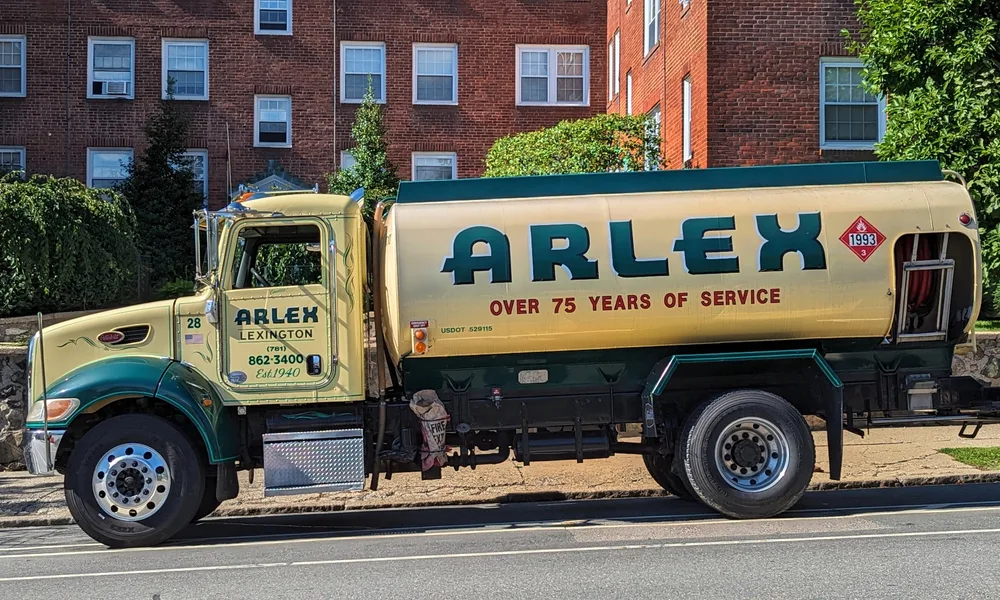
8. Samsara: Best for delivery vehicles and routes
Samsara is fleet telematics, and for a diesel store startup the fleet is usually one van and then two. The tool tracks where each vehicle is, how it is driven and how long each stop takes, and that information turns a delivery round from a list of addresses into a plan. The founder can see that the Tuesday round takes four hours because the farm track adds forty minutes, or that the Friday round is short because three customers sit on the same road, and the rounds can be reshaped around those facts instead of around habit.
The proof-of-delivery side is what protects the startup. Every drum delivery is a small transaction with a big potential for argument: the customer says three drums arrived, the driver says four, and the invoice says four. Samsara’s location and timing record shows when the van was at the store and for how long, and paired with a signed delivery note it settles the argument before it becomes a dispute. For a business that delivers a flammable product to rural customers, that record is not bureaucracy; it is the reason the startup gets paid in full.
Get paid and win the next store
A diesel store is a considered purchase, not an impulse buy, and the quote is often the moment the customer hesitates. The store costs real money, the customer may not have budgeted for it, and a rival who offers a cheaper store without a bund can look attractive for exactly one afternoon — until the customer understands what the bund is for. The final tool in this guide does not design, price or deliver anything. It removes the one obstacle that kills more good quotes than any rival: the customer cannot pay for it all at once.
9. Wisetack: Best for customer financing
Wisetack is consumer financing for home services, and it fits a diesel store build because the work is a single project with a single price. The customer applies at the kitchen table, the approval comes back in minutes, and the cost of the store is spread over monthly payments the customer can actually afford. The startup is paid in full for the job, and the financing company carries the instalments. That separation is the whole point: the installer should not be the customer’s bank.
Financing also changes who the startup can serve. A farm that needs a store before winter and a workshop that needs one before a contract starts are both customers with a deadline and a cash-flow gap, and both will pay for a store that is built properly if the payment can wait until the income arrives. Wisetack lets the startup say yes to those customers without taking on the risk itself. It is the only tool in this guide that does not touch the store at all, and it may be the one that sells the most stores.
Diesel store startup checklist
Use this checklist before the first store is quoted, and again before the first drum is delivered. Every item on it is a mistake a real startup has already made, and every one of them is cheaper to fix on paper than on site.
- Confirm the store is a drum and container store, not a bulk tank. Price bays, bunding, ventilation and delivery, not a tank gauge.
- Draw the bund and prove the volume: 110 percent of the largest container, or 25 percent of the total, whichever is greater.
- Walk the delivery route with a sack truck in mind. If a loaded drum cannot reach the store, move the store, not the customer.
- Photograph the base, the sealed bund, the vents and the finished store, and file the photos against the job.
- Put the spill kit, the extinguisher, the warning sign and the drum labels on every quote as separate lines.
- Book the first refill before the install is finished. A store with a refill date is a customer; a store without one is a hope.
Frequently asked questions
What is the best AI tool for a diesel store installation startup to buy first?
Start with Bluebeam Revu. A diesel store startup lives or dies on its quotes, and Revu turns a site visit into a measured, marked-up drawing with a price the founder can defend. Design tools can wait until the second or third store; a quoting tool that stops the founder giving safety work away pays for itself on the first job.
How much should a diesel store installation startup spend on AI tools each month?
Budget for the quoting and job tools first, and add the rest as the order book grows. A sensible first-year stack is a design tool, a quoting tool and a job scheduler, which together cost less than one lost job a month. Fleet tracking and safety software earn their place once the startup has a van on the road and more than a handful of stores to inspect.
Is a diesel store the same as a diesel tank installation?
No. A diesel tank is a single bulk vessel with a gauge and a fill point, while a diesel store is a ventilated outdoor building that holds diesel in drums and containers on a bunded floor. The store needs bays, bunding, ventilation, fire separation and a delivery round; the tank needs a gauge and a plinth. They are different trades, and the tools in this guide are chosen for the store.
How big should the bunded floor be on a diesel store?
The bund must hold 110 percent of the largest container in the store, or 25 percent of the total volume stored, whichever is greater. That figure should be calculated from the modelled store before the base is poured, not estimated on site. A bund that is too small fails inspection, and rebuilding a bund costs far more than drawing it correctly in the first place.
Can AI tools really measure a garden and a diesel store base accurately?
They can measure the site and the base accurately enough to quote and build from, provided the measurements are checked on site. Phone-based measuring and 3D modelling get the founder to a reliable plan quickly, but the final check is always a tape measure on the ground, a level on the base and a look at the access route. The tools remove the guesswork; they do not remove the site visit.
When is the best time of year to sell diesel store installations?
Late summer and early autumn, when customers are thinking about winter fuel and farms are preparing for the cold months. A store built in September is filled before the first frost, and the customer who buys then is a refill customer all winter. Spring works too, when workshops and yards plan their summer work, but the autumn window is when the need feels most urgent and the close rate is highest.
The bottom line
A diesel store installation startup is a building trade with a delivery business attached, and the tools that win are the ones that respect both halves. Design the drum bays and the bund properly, price the safety work as its own line, run the install day from a single job record, keep the safety file in order, and plan the delivery round like the income it is. The nine tools in this guide do those jobs without dragging in bulk-tank thinking, and they leave the startup with a store it can be proud of and a customer who will call for a refill. That is the whole business, and it starts with the first store being built right. The wider fuel-store family works the same way: a coal bunker installation startup solves the same storage problem with a different fuel, and the discipline of bays, bunding and delivery carries straight across.

Keep what speaks to you.
Leave room for your own perspective.


