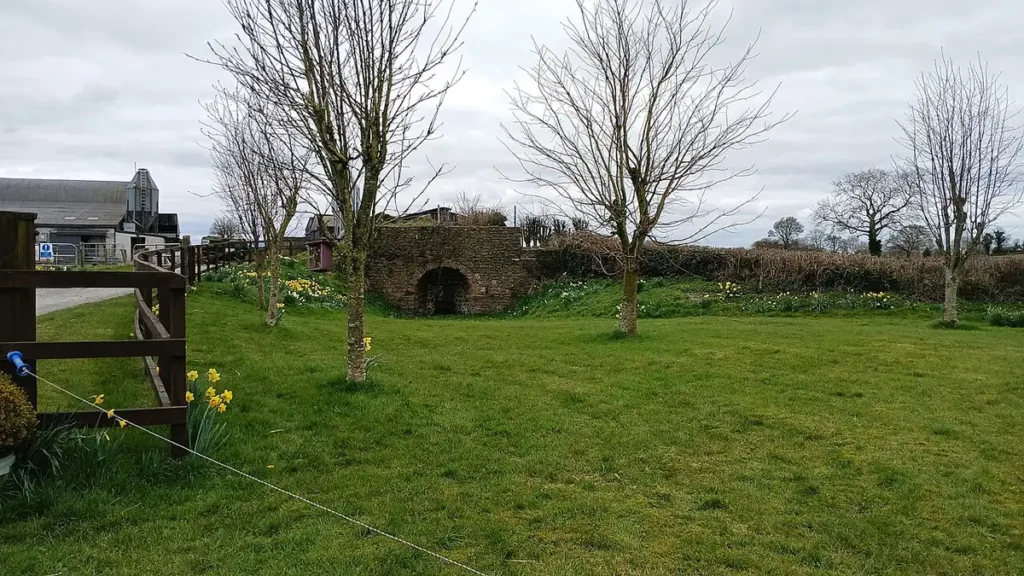
A chalk kiln burns chalk for lime. That one sentence is the whole trade, and it is also the line that separates this startup from every other kiln business on this site. Chalk is a soft limestone, laid down as the skeletons of tiny sea creatures, and it behaves nothing like the hard limestone that feeds a conventional lime kiln. It is soft enough to crumble in the hand, it calcines at a lower heat, it breaks into fines that can choke a shaft, and the quicklime it makes slakes faster and hotter than lime from hard stone. A chalk kiln installation startup builds the kiln that handles all of that: the low, steady burn, the gentle handling, and the grading that turns a soft white rock into a saleable lime.
The tools that help you build one have to understand chalk, not just lime. A limestone kiln is fed with hard, blocky stone that holds its shape in the shaft and needs a fierce, long burn to drive the carbon dioxide out. Chalk needs the opposite treatment. The lumps must be sized so the fines do not pack together and starve the fire of air, the burn must be watched by temperature rather than by eye, because white chalk going in and white lime coming out look almost identical, and the finished lime must be graded and slaked with care, because chalk lime is a fine, reactive powder that does not forgive rough handling. Get any of those steps wrong and the kiln either under-burns its load, blocks its own draught, or sends out lime that slakes unevenly in the customer’s hands.
This guide lists nine tools chosen for exactly that build. They cover the chalk seam, the sizing of the lumps, the loading of the shaft, the burn itself, the slaking, the grading, the bagging, and the quoting and bookkeeping that keep the business paid. None of them is a ceramic firing controller, none of them is a timber-burning planner, and none of them treats chalk as a curiosity in the ground rather than the feedstock. If you are comparing kiln trades, the limestone-burning lime kiln guide shows the hard-stone build this one stands apart from, and the difference between the two starts with the rock itself.
Key takeaways
- Chalk is a soft limestone, so a chalk kiln burns a friable feedstock at a lower heat than a hard-limestone kiln, and the tools must be chosen for softness, fines and fast slaking.
- Size the chalk lumps before they go in: unsized chalk packs into fines, chokes the draught and leaves half the load under-burnt.
- Watch the burn by temperature, not by eye — white chalk and white lime look the same, and colour is no guide to whether the load has calcined.
- Grade and slake the finished lime carefully, because chalk lime is a fine, fast-reacting powder and uneven grading shows up in the customer’s work.
- Buy the seam survey and the lump sizing first; the quoting and ledger tools can wait until the first kiln is burning well.
The nine tools at a glance
The table below sums up the nine tools, what each one does best, and where it sits in the build. Read it as a shopping order as much as a comparison: the first three tools decide whether the kiln will burn at all, the next three decide whether the lime that comes out is worth selling, and the last three decide whether the business gets paid for it.
| Tool | Best for | Stage |
|---|---|---|
| ChalkSeam Scout AI | Grading chalk seams by softness and purity | Feedstock |
| LumpSort AI | Sizing chalk lumps for an even burn | Feed preparation |
| ShaftLoad Planner AI | Gentle shaft loading for friable chalk | Loading |
| ChalkBurn Monitor AI | Watching the burn by temperature, not colour | Burning |
| SlakeTank AI | Slaking burnt chalk lime safely and evenly | After the burn |
| LimePowder Grade AI | Grading ground chalk lime by fineness | Grading |
| BagLime Planner AI | Bagging and dispatching powdered lime | Dispatch |
| ChalkKiln Quote AI | Costing an installation before the builder does | Quoting |
| ChalkWorks Ledger AI | Invoicing, buyer payments and records | Bookkeeping |
Feedstock and loading: getting the chalk into the kiln
Everything that goes wrong in a chalk kiln usually starts before the fire is lit. Chalk is soft, it varies from bed to bed, and it falls apart when it is handled roughly. The first three tools exist to stop those problems at the source, while the chalk is still in the ground, still in lumps, or still being loaded. A startup that gets the feedstock right spends far less time fighting its own kiln later, and the three tools below are the cheapest insurance a new installer can buy.
1. ChalkSeam Scout AI: The best tool for grading chalk seams by softness and purity
Not all chalk burns the same. One seam can be clean, soft and high in calcium carbonate, while the next seam along is harder, dirtier, or laced with flint bands — the hard nodules burned in a flint kiln — that will not calcine at all and will come out of the kiln as hard lumps in a load of lime. ChalkSeam Scout AI reads survey photos, drone scans and sample records from a chalk face and grades each seam for softness, purity and flint content, so the installer knows which beds to draw from and which to leave alone. It marks the bands to avoid, estimates how much usable chalk each seam will yield, and flags seams that look clean on the surface but test low on carbonate once they are sampled.
The difference from a limestone survey is the question being asked. A limestone scout grades hard stone for block size and quarry yield, and it expects the stone to hold together. ChalkSeam Scout grades a soft rock for the opposite qualities: how easily it crumbles, how pure it is, and how much of it will survive handling as lumps rather than fines. That matters because a chalk kiln lives or dies on its feedstock, and the cheapest chalk on offer is often the cheapest because it is full of flint or clay. Buy this tool first, before you commit to a supply, and let it tell you which seam is worth building a kiln beside.
2. LumpSort AI: The best tool for sizing chalk lumps for an even burn
Chalk lumps are the awkward middle of this trade. Too big, and the heat never reaches the centre of the lump, so the outside calcines and the inside stays raw chalk. Too small, and the pieces pack together, block the air, and the fire suffocates in its own fines. LumpSort AI takes photos and weight readings from a load of broken chalk and sorts it into burn-ready sizes, telling the crew what to keep, what to break down further, and what to screen out as fines for another use. It learns the size band that burns cleanest in your kiln and adjusts its sorting as the seam changes.
This is the tool that stops the most common first-kiln failure. New installers tend to load whatever size comes out of the ground, and the result is a kiln that burns hot at the edges and cold in the middle, with a load that comes out half lime and half raw chalk. LumpSort AI turns sizing from guesswork into a repeatable step, and it pays for itself the first time a load comes out evenly burnt. It also keeps the fines out of the shaft, which is the single best thing you can do for the draught, and it gives the crew a clear rule to follow instead of an argument about how big a lump should be.
3. ShaftLoad Planner AI: The best tool for gentle shaft loading for friable chalk
Loading a chalk kiln is not like loading a limestone kiln. Hard limestone can be tipped in from height and it will bounce, settle and hold its shape. Chalk dropped from height shatters, and every shattered lump adds to the fines that choke the shaft. ShaftLoad Planner AI plans the loading sequence for a chalk shaft: which sizes go in first, how deep each layer should be, where the larger lumps sit to keep air channels open, and how slowly the feed should be lowered so the chalk arrives in lumps rather than dust. It draws the load as a cross-section the crew can follow, and it warns when a planned layer would block the draught.
The planner earns its keep on the first few loads, when the crew is still learning how gently chalk needs to be handled. It also matters on every load after that, because a well-loaded shaft burns evenly from top to bottom, while a badly loaded one burns in patches and leaves the owner guessing which part of the kiln is at fault. ShaftLoad Planner AI does not replace a good kiln master, but it gives a new startup the loading discipline that usually takes years of burnt loads to learn, and it keeps a record of every load so a bad burn can be traced back to the loading plan that caused it.
The burn: heat, watchfulness and patience
The burn is where chalk shows how different it is from hard limestone. Chalk calcines at a lower temperature, it does so faster, and it gives the operator almost nothing to look at: white rock goes in, white lime comes out, and the colour tells you nothing about whether the middle of the load has finished. The single tool in this section exists because of that problem. It watches what the eye cannot see, and it is the difference between a kiln that burns chalk and a kiln that merely heats it.
4. ChalkBurn Monitor AI: The best tool for watching the burn by temperature, not colour
ChalkBurn Monitor AI reads temperature sensors through the burning zone and turns them into a plain picture of how the burn is going: which levels have reached calcining heat, which are still catching up, and whether the fire is running hot enough to finish the load without over-firing the outside lumps. It tracks the heat hour by hour, compares each burn against the ones before it, and alerts the operator when a zone stalls or runs away. Because chalk calcines at a lower heat than hard limestone, the monitor is tuned to the chalk range, and it flags the moment the load is done rather than letting the fire run on guesswork.
The point of the tool is that colour cannot be trusted with chalk. In a limestone kiln, the stone changes as it burns, and an experienced operator can read a good deal from what comes out of the draw. In a chalk kiln, the feedstock and the product are both white, both soft-looking, and both easy to mistake for each other. ChalkBurn Monitor AI replaces that guesswork with numbers, and it is the tool that stops a startup from pulling a load too early, when the centre is still raw, or burning it too long, when the outside lumps have over-fired and gone dead. For a first kiln, it is the closest thing to having an experienced burner standing beside the shaft.
After the burn: slaking, grading and dispatch
What comes out of a chalk kiln is quicklime, hot, dusty and hungry for water, and it is only half the product. Chalk lime slakes faster and more fiercely than lime from hard stone, it grinds to a finer powder, and it needs to be graded and bagged before it can be sold. The three tools in this section handle that second half of the trade, and they are where the quality of the finished lime is decided. A kiln that burns well but slakes badly still sends out a poor product, and these tools are what stop that from happening.
5. SlakeTank AI: The best tool for slaking burnt chalk lime safely and evenly
Slaking is the moment chalk lime shows its temper. Add water to fresh chalk quicklime and it reacts fast, throwing off heat and swelling as it turns into hydrated lime, and if the water is added too quickly or too slowly the batch comes out lumpy, with dry cores that never slake and wet patches that set too soon. SlakeTank AI plans each slaking batch: how much water to add, how fast to add it, how long to stir, and when the batch is fully slaked and ready to use. It reads temperature probes in the tank and slows the water feed when the reaction runs hot, so the crew is never caught by a tank that boils over.
Safety is half the reason to buy this tool. Chalk lime slakes faster than hard-stone lime, and a new crew that treats it like ordinary quicklime will learn the difference the hard way, with a tank that spits hot lime. SlakeTank AI keeps the reaction under control and keeps a record of every batch, so a customer who asks why one delivery behaved differently from the last gets an answer from the slaking log rather than a shrug. It also stops waste: evenly slaked lime goes further, stores better, and gives the buyer a product that behaves the same way every time, which is what turns a first order into a repeat order.
6. LimePowder Grade AI: The best tool for grading ground chalk lime by fineness
Once the lime is slaked and dried, it has to be ground and graded, and the grade is what the buyer is actually paying for. Fine chalk lime goes to plasterers and limewash makers who need a smooth, even powder; coarser grades go to soil treatment and building work where fineness matters less. LimePowder Grade AI samples each ground batch, measures how fine the powder is, and sorts it into grades the buyer can rely on, flagging batches that are too coarse, too mixed, or contaminated with unburnt chalk cores that survived the kiln. It prints the grade on the batch record, so the bag that leaves the yard matches the grade on the order.
Grading matters more for chalk lime than for most kiln products because the powder is so fine that a bad batch looks identical to a good one. A buyer cannot tell by looking whether a bag of white powder is evenly ground or full of grit, and they will only find out when they mix it. LimePowder Grade AI is what keeps that discovery from happening on the customer’s job, and it is what lets a small startup sell to buyers who need a guaranteed fineness rather than a hopeful one. It also catches the kiln’s mistakes early: a batch full of unburnt cores tells the operator the last burn was short, and the grading log becomes a second check on the burn itself.

7. BagLime Planner AI: The best tool for bagging and dispatching powdered lime
Powdered chalk lime is light, dusty and awkward to handle, and it punishes sloppy bagging. Bags that are overfilled burst, bags that are underfilled short-change the buyer, and lime left open to damp air starts to slake in the bag before it ever reaches a customer. BagLime Planner AI plans the bagging run: which grades go into which bag sizes, how many bags each batch will fill, what order to dispatch them in, and how to store the filled bags so they stay dry. It prints labels from the grading record, so the grade on the bag is the grade that was measured, not the grade someone remembered.
The planner also keeps the yard organised, which matters more than it sounds when the product is a fine white powder that gets everywhere. It tracks which batches are bagged, which are still in bulk, and which orders are waiting, so the startup never sells the same batch twice or sends a customer a grade it does not have in stock. For a business that sells by the bag, that kind of record-keeping is the difference between a yard that runs smoothly and one that spends its mornings hunting for the right pile. Buy it once the kiln is burning steadily and the orders start coming in, and let it take the dispatch headache off the crew.
Running the business: quoting and bookkeeping
A chalk kiln is a building job as well as a burning job, and the startup that installs kilns for other people needs to price the work and get paid for it. The last two tools cover that side of the business. They are not glamorous, and they do not touch chalk at all, but they are the tools that decide whether a well-built kiln is also a profitable one, and they are worth buying as soon as the first installation is quoted.
8. ChalkKiln Quote AI: The best tool for costing an installation before the builder does
Quoting a chalk kiln installation is harder than quoting most kiln work, because the price depends on the chalk as much as on the building. A kiln beside a clean, soft seam costs less to feed and less to run than one beside a seam full of flint, and a client who does not know that will not understand why two kilns in the same county carry different prices. ChalkKiln Quote AI builds the quote from the site survey, the seam grade, the kiln size and the materials list, and it shows the client where the money goes, line by line. It compares the quote against past installations, so a price that is far above or below the usual range gets flagged before it goes out.
The tool earns its keep by stopping the two classic quoting mistakes: pricing too low and winning work that loses money, and pricing too high and losing work that would have paid. It also keeps the quote honest, because a client who can see the seam grade and the materials behind the price is a client who trusts the number. For a new startup, that trust matters more than any discount, and a clear quote is often what wins the job over a cheaper builder who cannot explain their price. Use it on every installation, keep the quotes it produces, and the record becomes the pricing history the business grows on.
9. ChalkWorks Ledger AI: The best tool for invoicing, buyer payments and records
ChalkWorks Ledger AI is the bookkeeping end of the trade: it raises invoices for installations and for lime sales, chases the payments, matches them to the jobs and batches they belong to, and keeps the records straight for tax time. It links each lime sale back to the batch it came from, so a buyer who queries a delivery can be answered from the ledger rather than from memory, and it tracks which installation clients have paid in full and which are still on staged payments. It also flags the slow payers early, before a small delay becomes a large hole in the cash flow.
Bookkeeping is the least exciting part of running a kiln startup and the part that causes the most trouble when it is neglected. A chalk kiln business has two kinds of income, installation fees and lime sales, and they arrive on different schedules and need different records. ChalkWorks Ledger AI keeps them apart and keeps them both visible, so the owner always knows whether the money in the bank came from building kilns or selling lime, and which side of the business is carrying the other. It is a quiet tool, but it is the one that keeps the startup solvent while the kiln does the loud work.
Checklist: before you install your first chalk kiln
Use this checklist before the first kiln is built. Each item is a decision that is cheap to make now and expensive to fix later, and together they are the difference between a kiln that burns chalk well from its first load and one that spends its first year being rebuilt.
- Survey the chalk seam first, and build beside a clean, soft bed — never beside a seam full of flint bands that will not calcine.
- Size every load of chalk before it goes in, and screen out the fines that would choke the draught.
- Plan the shaft loading so the chalk is lowered gently, with larger lumps placed to keep air channels open.
- Fit temperature sensors through the burning zone, and judge the burn by heat, not by the colour of the load.
- Set up the slaking tank and the grading bench before the first burn, so the lime has somewhere safe to go when it comes out.
- Price the first installation from the seam grade and the materials list, and put the quote, the batch records and the invoices in one ledger from day one.
Frequently asked questions
How is a chalk kiln different from a lime kiln?
A chalk kiln burns chalk, which is a soft limestone, while a lime kiln burns hard limestone. The chemistry is the same — heat drives carbon dioxide out of the stone and leaves quicklime — but the handling is different. Chalk is soft and friable, it calcines at a lower heat, it breaks into fines that can block the draught, and the lime it makes slakes faster. The lime kiln guide covers the hard-stone build, with its quarry stone, its fiercer burn and its cooling zone, and a chalk kiln startup should read it to see exactly where the two trades part ways.
How is a chalk kiln different from a flint kiln?
The two trades are easy to confuse because flint is found in chalk, and the confusion is worth clearing up. In a flint kiln, chalk is only the rock the flint nodules sit in: the kiln burns the hard, dark flint nodules to turn them white so they can be ground into powder for glazes and glass. In a chalk kiln, the chalk itself is the feedstock, and it is burned to make lime. The flint kiln guide shows the flint-calcining build, and the difference is the product: calcined flint powder in one case, lime in the other.
Can a chalk kiln burn limestone as well?
A chalk kiln can burn hard limestone in a pinch, but it will not burn it well. The kiln is built for a soft feedstock that calcines at a lower heat and needs gentle handling, and hard stone needs a longer, hotter burn than the chalk design provides. A startup that wants to burn both should design for limestone from the start and treat chalk as the easier load, not the other way round. Mixing the two in one load is a poor idea, because the chalk will over-fire while the limestone is still raw.
What goes wrong most often on a first chalk kiln build?
The most common failure is unsized chalk. A crew loads whatever size comes out of the ground, the fines pack together, the draught stalls, and the load comes out half burnt. The second most common is judging the burn by eye, which fails because white chalk and white lime look the same. Size the lumps, watch the temperature, and load the shaft gently, and the first burn has a far better chance of coming out right.
Who buys chalk lime?
Chalk lime goes to builders and plasterers who use it in lime mortar and limewash, to farmers who spread it on acidic soil, and to heritage projects restoring old buildings that were built with chalk lime in the first place. The buyers care about fineness and consistency, which is why grading matters so much in this trade. A startup that can guarantee its grade will find buyers who come back, and a startup that cannot will find that one bad delivery ends the relationship.
Which tool should a chalk kiln startup buy first?
Buy the seam survey and the lump sizing first. If the chalk is wrong, no burner, no monitor and no ledger will save the kiln, and if the lumps are unsized, the best-planned burn will still come out uneven. Once the feedstock is under control, add the burn monitor, then the slaking and grading tools, and finally the quoting and ledger tools when the first installation is on the table. Other kiln trades follow the same order for their own feedstocks — the kelp kiln guide starts with its seaweed harvest survey for the same reason — because the feedstock decides everything that follows.
The bottom line
A chalk kiln installation startup succeeds on the softness of its feedstock, not in spite of it. Chalk burns at a lower heat than hard limestone, it needs gentler handling, and it rewards the installer who sizes it, watches the burn by temperature, and grades and slakes the lime with care. The nine tools in this guide are chosen for that exact build: a seam survey that grades chalk for what it is, a lump sorter and a loading planner that keep the shaft breathing, a burn monitor that reads heat instead of colour, slaking and grading tools that turn the quicklime into a saleable powder, and quoting and ledger tools that keep the business paid. Buy the feedstock tools first, prove the burn on a small load, and let the kiln earn its keep one evenly burnt batch at a time.

Keep what speaks to you.
Leave room for your own perspective.