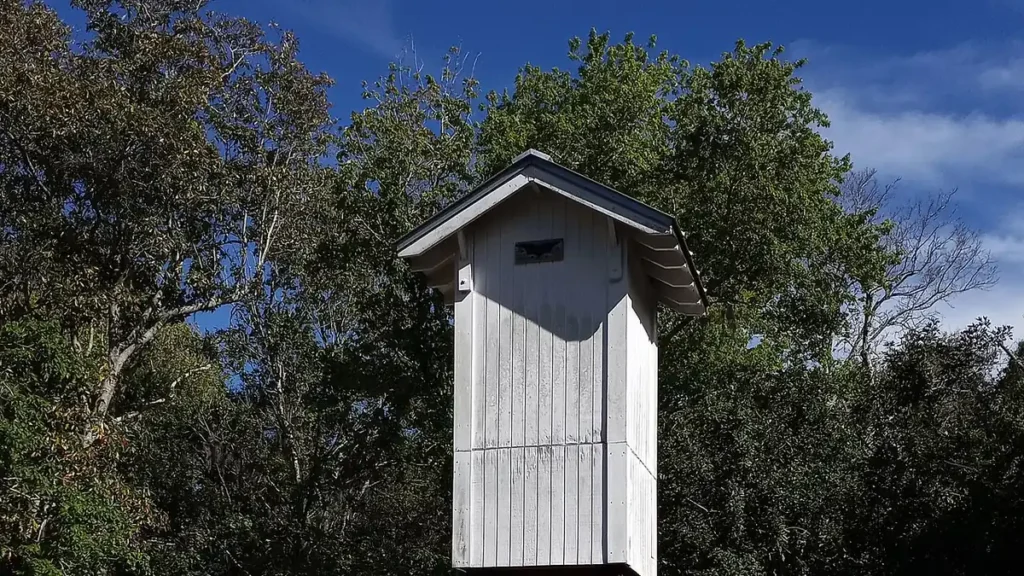
A bat house looks like the simplest job in the garden trade. It is a narrow wooden box with a slatted roosting chamber inside, a rough landing surface below the entrance, and a pole or a wall to fix it to, and a keen homeowner could put one up in an afternoon. That is exactly why it is such a good startup niche, and exactly why so many new bat house installers undercharge, overpromise and run out of work by autumn. The box itself is small, but the business around it is not. Somebody has to work out which bats actually live in the area, find a spot that gets six or more hours of direct sun, mount the house twelve to twenty feet up where cats and raccoons cannot reach it, keep the roosting chamber at the right temperature, and then come back a year later to check whether anything moved in at all.
Most bat house installation startups begin as one person with a van, a tall ladder and a list of local garden centres, nature reserves and pest-control firms. The installs are quick once the site is chosen, often finished inside a couple of hours, which means the diary fills with many small jobs instead of a few big ones. Artificial intelligence will not climb a ladder or lift a forty-pound bat house onto a pole. What it can do is take the admin around dozens of small jobs and make it fast, consistent and cheap: proving bats are present before a quote is written, mapping the sun across a garden so the mounting spot can be approved on the spot, drafting a priced quote before the founder has driven home, packing the diary into sensible routes, keeping a photographic record of every mount, and sending the occupancy check reminder that turns a one-off customer into a regular.
This guide compares the nine AI tools that matter most for a bat house installation startup in 2026, from bat detection and sun siting to roost monitoring, quoting, scheduling and customer messages. Every tool below is judged on what a new founder actually needs: a low starting cost, no long contract, useful from the first week, and able to grow with the business from a solo installer to a small crew. Pick the detection, siting and quoting tools first, then add scheduling, and only buy the rest once the diary is full.
Key takeaways
- Start with three tools only: a bat detector, a sun-path app and an AI quoting tool. Everything else can wait until the diary is full.
- Sun exposure and mounting height are where installs go wrong, so use sun data and a measured height record to protect yourself on every job.
- Acoustic proof is the fastest sale in this trade, because a homeowner who has heard bats on their own property says yes far sooner than one staring at a catalogue photo.
- Guano handling and roost temperature are the two jobs that separate a professional from a hobbyist, so build them into every quote and every site record.
- Pick tools that charge per month or per job with no long contract, and keep one photographic record of every mount from day one.

The best AI tools for bat house installation startups at a glance
| Tool | Best for | Bat house job it handles | Starting cost |
|---|---|---|---|
| Echo Meter Touch 2 | Bat detection | Proving bats are present before you quote | One-off hardware purchase |
| Kaleidoscope Pro | Bat call analysis | Identifying species from recorded calls | Monthly subscription |
| Sun Surveyor | Sun siting | Checking six-plus hours of sun on the mount | One-off app purchase |
| iNaturalist | Local bat records | Finding which species roost nearby | Free |
| Bat Conservation International | House design standards | Building to a proven roosting-chamber design | Free plans and guidance |
| DroneDeploy | Aerial site surveys | Surveying roofs and tall mounts safely | Monthly subscription |
| SensorPush | Roost monitoring | Tracking chamber temperature and humidity | One-off sensor purchase |
| QuickBooks Online | Quotes and bookkeeping | Priced quotes, invoices and tax records | Monthly subscription |
| Square Appointments | Booking site visits | Letting customers book surveys themselves | Free plan, then monthly |
Why bat house installation is a different kind of startup
A bat house is not a birdhouse with a different label, and the business shows it. Where birdhouse installation startups sell a decorative garden box with a round entrance hole, a bat house sells a working roost for a nocturnal mammal that will only move in if the conditions are exactly right. A birdhouse that faces the wrong way still gets a visitor. A bat house that faces the wrong way, sits in shade, or hangs too low stays empty for years, and an empty box is a refund request waiting to happen. That single difference shapes the whole startup: every job begins with evidence, not enthusiasm, and the founder who can prove bats are present and the sun is right wins the work.
The roosting chamber is the heart of the product. Inside a good bat house are narrow vertical chambers, usually around three quarters of an inch wide, with roughened timber that tiny claws can grip. The chamber warms in the sun during the day and holds that warmth into the evening, which is why a south-facing mount with six or more hours of direct sun matters so much in cooler regions, and why a shaded mount fails even when the box itself is well built. An installer who understands chamber temperature can explain to a customer why the sunny side of the barn is worth more than the shady side of the garden, and that explanation is the sale. It is also why a temperature sensor in the chamber is worth more to this trade than any amount of glossy marketing.
Mounting height is the second thing that makes this trade different. A bat house belongs twelve to twenty feet up, on a pole or a building, with a clear drop below the entrance so bats can fall into flight. That means ladders, safe working at height, and fixings that hold a heavy box through winter storms. It also means the founder spends real time on access: is there room for a ladder, is the ground level, is there an overhead wire in the way, and can a van get close enough to carry the pole. A quote written from a photograph alone will miss half of that, which is why a site visit, or at least a good aerial survey, belongs in the price rather than being given away for free.
Then there is guano. Bat droppings are a fact of every occupied roost, and they are also the part of the job customers worry about most and understand least. Guano is an excellent garden fertiliser when it is collected properly, and it is also a material that should be handled with gloves and a mask, never swept dry into the air. A professional installer builds guano management into the job from the start: a tray or a clear drop zone below the entrance, a note in the quote about seasonal cleaning, and a return visit on the books before the first dropping falls. Handled well, guano becomes a reason to come back every year. Handled badly, it becomes the complaint that ends the relationship.
How we chose the best AI tools for bat house installation startups
We judged every tool on the same four questions a founder actually asks. Does it save time on a real bat house job, not just in a demo? Does it work from a phone in a garden, with gloves on and sun on the screen? Does it pay for itself within the first few jobs? And can a one-person business learn it without a training course? A tool that failed any of those questions did not make the list, however popular it is in other trades. That filter is what keeps the list short and practical, and it is why several well-known business apps are absent: they are fine products, but they do not earn their keep on a ladder.
The second filter was bat specificity. Generic field-service software can schedule a visit and send an invoice, and this guide includes the best of those, but the tools that matter most in this trade are the ones that understand bats: the detector that hears what humans cannot, the call library that names the species, the sun-path model that proves a mount will warm up, and the design standard that keeps a roosting chamber at the right size. Wildlife housing businesses share the same admin headaches, and chicken coop installation startups juggle the same quoting, routing and repeat-visit work, but no coop tool will tell you whether a little brown bat is hunting over a garden at dusk. The bat tools earn their place because they answer questions no general tool can.
Price was the third filter, and it was applied ruthlessly. A new bat house startup might take twenty or thirty jobs in its first season, and a tool that costs a hundred pounds a month has to save more than that in recovered time or won work. Free tools with real value beat expensive tools with marginal value at this stage, which is why the list opens with a free wildlife records app and a free design standard alongside a modestly priced detector. The most expensive item on the list is a single hardware purchase that lasts for years, not a subscription that drains the bank every month whether jobs come in or not.
The 9 best AI tools for bat house installation startups
1. Echo Meter Touch 2 — best for bat detection
The Echo Meter Touch 2 is a small ultrasonic microphone that plugs into a phone or tablet and turns it into a bat detector. For a bat house installer, that is the difference between guessing and knowing: a ten-minute listen at a customer’s garden tells you whether bats are already hunting there, which is the strongest possible evidence that a house will be occupied.
The practical value shows up in the quote. A founder who can say, honestly, that bats were recorded on the property on a specific evening can price with confidence and set expectations properly, and a founder who records nothing can do neither. The device also records the calls it hears, so the evidence can be attached to the quote, shown to the customer, and kept in the job record for the follow-up visit a year later.
The drawback is that it identifies calls in broad groups rather than naming every species with certainty, so it is a survey tool rather than a research instrument. That learning curve is short, and the app walks through it. As a one-off hardware purchase with no subscription, it pays for itself the first time it turns a hesitant maybe into a booked install.
2. Kaleidoscope Pro — best for bat call analysis
Kaleidoscope Pro is Wildlife Acoustics’ call-analysis software, and it takes the recordings made in the field and turns them into species identifications a founder can stand behind. Where the detector in the garden gives a live answer, Kaleidoscope gives a careful one: it scans hours of recordings, clusters similar calls, and matches them against a reference library so the installer can say which species are present, how often they pass, and at what times of night.
The tool earns its subscription in the office rather than the garden. A founder can leave a recorder out overnight, bring the files home, and have a species list ready before the quote is written, which turns a vague promise of wildlife into a specific, documented finding.
The honest drawback is that Kaleidoscope is built for ecologists first and installers second, so its interface assumes more patience than a busy founder always has, and the subscription is a real monthly cost before the diary is full. Buy it only when surveys are a weekly habit. Used at the right time, it turns a bat house startup from a carpentry business into a wildlife business.
3. Sun Surveyor — best for sun siting
Sun Surveyor shows the path of the sun across any garden on any day of the year, overlaid on the live camera view, and for a bat house installer that single feature decides whether a mount will work. Standing in the garden with the phone held up, the founder can see exactly where the sun will be at dawn, midday and dusk, and choose the mount on evidence rather than hope.
The app also answers the seasonal question customers always ask. A house that gets six hours of sun in July may get two in October, and Sun Surveyor can show both, which lets the founder explain honestly why a particular spot works year-round or why a different one is better. That conversation is worth more than any brochure, because it shows the customer that the installer is thinking about the bats rather than just selling a box.
The limitation is simple: the app models the sun, not the trees. It knows where the sun will be, but not that a sycamore will leaf out in May and shade the mount all summer, so the founder still has to look up and think. It is a one-off purchase so cheap the price barely matters, and it prevents the trade’s most common failure.
4. iNaturalist — best for local bat records
iNaturalist is a free wildlife recording app where thousands of observers log what they have seen, and it is the fastest way for a new founder to learn which bats live in a neighbourhood before ever visiting it. A street with regular pipistrelle records is a street where a bat house has a real chance, and a street with none is a street where the founder should survey first and promise later.
The app also works as a quiet marketing channel. A founder who logs their own survey results, with photographs of the installed house and notes about the site, builds a public record of real work that local wildlife groups can see and trust. That record costs nothing and cannot be bought, and in a trade where reputation travels through conservation circles, it is worth more than a paid advertisement.
The drawback is data quality. Citizen records are uneven: some areas are surveyed weekly and others have not been touched in years, so an empty map may mean no bats or simply no observers. Use it as background research before the survey, never instead of it, and it is the best free tool a bat house startup can have.
5. Bat Conservation International — best for house design standards
Bat Conservation International, known to everyone in the trade as BCI, publishes the design guidance that almost every successful bat house is built to, and it is the closest thing this trade has to a standard. Its bat house plans set out the chamber width, the roughened landing surface, the ventilation gaps, the roof overhang and the dark exterior finish that keeps a roost warm, and those details are the difference between a box bats use and a box they ignore.
The practical value is that the guidance is free and it removes the most expensive mistake a startup can make, which is building a house that never gets occupied and then not knowing why. Following a proven design means the founder’s energy goes into siting and mounting, where the real skill lies, instead of into redesigning a box that researchers perfected decades ago.
The limitation is that BCI is a conservation organisation, not a software company, so there is no app, no quote builder and no customer record attached to the plans. The founder still has to turn the guidance into a cutting list and a price. But as a design authority nothing else comes close, so print the plans, build to them, and mention them in every quote.

6. DroneDeploy — best for aerial site surveys
DroneDeploy turns a drone flight into a measured survey of a property, and for a bat house installer its value is in the jobs a ladder cannot reach. The software stitches the images into a map the founder can measure on screen, so mounting heights, clearances and distances can be checked from the office before the van is loaded.
The tool earns its keep on the difficult jobs that other installers turn down. A customer with a high barn and no safe ladder access is often a customer nobody else will serve, and a drone survey lets a small startup take that work without taking the risk. The imagery also goes into the quote and the job record, so the customer can see exactly where the house will go and the founder has proof of the site conditions if anything is questioned later.
The honest drawbacks are cost and regulation. DroneDeploy is a monthly subscription, and flying commercially needs the right local permissions and insurance, so it is not a first-week purchase. Hire the survey until high mounts are regular, then buy in. For a startup that stays at pole height, it is unnecessary; for one that wants the barn work, it makes it possible.
7. SensorPush — best for roost monitoring
SensorPush makes small wireless sensors that log temperature and humidity and send the readings to a phone, and inside a bat house they answer the question every customer asks a year later: is the roost actually warm enough. A sensor fixed inside the chamber records the daily temperature curve, so the founder can show that the house reaches the warmth bats need on a summer evening and holds it into the night.
The sensors also protect the business. If a house stays empty, the temperature log is the evidence that separates a siting problem from a design problem, and that distinction decides whether the fix is a free re-mount or a conversation about patience. The hardware is a one-off purchase, the app is free, and the batteries last for months.
The limitation is range and access. A sensor twelve feet up needs to be close enough to a phone to sync, so reading it means a return visit or a separate gateway device. Use it selectively, on the installs where occupancy matters most, and it is the cheapest way to replace opinion with measurement.
8. QuickBooks Online — best for quotes and bookkeeping
QuickBooks Online is the accounting tool on this list, and it earns its place because a bat house startup lives or dies on its quotes. QuickBooks turns a site survey into a priced quote in minutes, with the materials, the labour, the guano-cleaning return visit and the tax all itemised, and it converts the accepted quote into an invoice and a payment link without retyping anything.
The bookkeeping side matters just as much. A founder who can see, at a glance, which jobs made money and which did not will stop underpricing within a month, and a founder who cannot will repeat the same mistake all season. The software tracks expenses from the timber yard, the mileage to rural jobs, and the subscription costs of the other tools on this list, and it produces the records an accountant needs at year end without a weekend of sorting receipts.
The drawback is that QuickBooks is a general business tool, so it knows nothing about bats or sun exposure, and the wildlife records still live elsewhere. It is also a monthly subscription that feels expensive before the diary is full. Once the jobs are coming in, though, it is the tool that keeps the business solvent.
9. Square Appointments — best for booking site visits
Square Appointments lets customers book a site survey themselves, straight from the business website or a link in a message, and it is the tool that stops the diary from eating the founder’s evenings. A homeowner who has just seen bats at dusk can book a survey for the following week without a phone call, and the system sends the confirmation and the reminder automatically.
The practical details suit a small outdoor trade well. The founder can block out the hours when the light is wrong for a survey, set different lengths for a pole mount and a barn mount, and take a deposit that stops no-shows on rural jobs an hour’s drive away. The free plan covers a single founder, which means the tool costs nothing while the business is finding its feet, and the paid plan only becomes necessary when the diary fills and a second pair of hands joins.
The limitation is that a booking system only works if customers can find it, so it needs a website or a social page with the link in plain sight, and it will not bring in work by itself. Keep the phone number beside the booking link for the customers who still prefer a call. It is the quietest tool on this list, and the one the founder will miss most if it is switched off.
Your bat house installation startup checklist
Use this checklist on every job, from the first survey to the first anniversary. Like bird bath installation, the work is small and the diary fills with many short visits, so a written routine is what keeps the quality consistent when the season gets busy.
- Confirm the local bat species and the roosting season before you quote, using iNaturalist records and a dusk survey with the detector.
- Survey the sun with Sun Surveyor and choose a mount with six or more hours of direct sun, facing south where the climate is cool.
- Mount twelve to twenty feet up on a pole or a building, with a clear drop below the entrance and no branches blocking the flight path.
- Photograph the mount, record the height and the GPS position, and attach the acoustic recording to the job record on the same day.
- Fit a guano tray or agree a clear drop zone, explain the seasonal clean to the customer, and book the return visit before you leave.
- Schedule a twelve-month occupancy check, take a temperature reading from the chamber, and log the result for the next season’s marketing.
Frequently asked questions
How much does it cost to start a bat house installation business?
A one-person startup can begin for the cost of a van, a tall ladder, basic carpentry tools and the detector, which is the only specialist purchase on this list. The real cost is time: learning to survey at dusk, learning the local species, and building the first dozen installs carefully enough that they get occupied.
Do bats actually move into a new bat house, and how long does it take?
Yes, but patience is part of the product, and a founder who promises instant occupancy is setting up a complaint. A well-sited house in an area where bats are already active can be occupied in the first season, often within weeks, while a house in a marginal spot can sit empty for a year or two before a colony finds it. The odds improve dramatically with the steps in this guide: a proven design, six hours of sun, the right height, a clear flight path, and evidence of bats nearby before the mount goes up.
How high should a bat house be mounted, and where?
Twelve to twenty feet is the standard range, on a pole or on the side of a building, and the height matters because bats need a clear drop to take flight and because predators cannot reach the roost. A pole in open ground, twenty feet or more from the nearest branch, is usually the best choice.
Do I need all nine AI tools to launch?
No, and buying all nine on day one is the fastest way to spend the profit from the first season before it arrives. Start with three: the Echo Meter Touch 2 for detection, Sun Surveyor for siting, and a simple quoting method, whether that is QuickBooks or a clean template. Add iNaturalist and the BCI plans immediately, because both are free. Bring in the booking tool when the phone starts ringing, the call-analysis software when surveys become weekly, the drone survey when high barn work arrives, and the roost sensors when customers start asking whether their house is warm enough.
Is guano a health risk, and how do installers handle it safely?
Guano is a normal part of an occupied roost, and it is handled safely with simple precautions: gloves, a well-fitting mask, and dampening the droppings before they are collected so dust does not rise into the air. Never sweep a dry roost, and never let customers clean a large accumulation themselves without the same protection. The professional move is to include the seasonal clean in the quote, so safety is a service rather than an afterthought.
Can AI really help with such a hands-on, outdoor trade?
Yes, because the hard part of this trade was never the carpentry, and the tools in this guide do not pretend otherwise. No software will climb a ladder, fix a bat house to a pole, or judge whether a branch blocks the flight path, and any tool that claims to do so should be ignored. What AI and smart software do is remove the admin that surrounds the physical work: proving bats are present, proving the sun is right, pricing the job, booking the visit, recording the mount, and reminding the founder to come back in a year.
The bottom line
A bat house installation startup succeeds on evidence, not enthusiasm. Prove the bats are there, prove the sun is right, build to a proven design, mount it high with a clear flight path, and come back in a year to check. The nine tools in this guide support exactly that sequence: the detector and the call analysis prove the bats, the sun app proves the site, the design standard proves the box, the drone and the sensors prove the mount and the roost, and the quoting, booking and bookkeeping tools keep the business behind it all solvent. Buy the detection, siting and quoting tools first, add the rest as the diary fills,

Keep what speaks to you.
Leave room for your own perspective.


