
An alpaca shelter installation startup sits in a small but growing niche. Alpacas are now kept on smallholdings, hobby farms, therapy farms, agritourism sites and fibre farms in many countries, and almost every new owner needs the same thing: a simple, dry, draught-free shelter that suits a camelid, not a sheep or a goat. The work is steady rather than seasonal, the clients are enthusiastic, and the jobs are small enough for a two-person crew to finish in days rather than weeks.
The building itself is different from the shelters most installers already know. An alpaca shelter is usually a three-sided, open-fronted structure facing away from the prevailing wind, with a dry bedded floor, low fencing the animals can see over, and space for the herd to cush together. Alpacas dung in communal piles, dust-bathe, spit when stressed, and suffer badly in heat, so ventilation, shade, water and fleece handling matter as much as the roof. Get those details right and the shelter sells itself; get them wrong and the client phones you back within a month.
This guide compares nine AI tools that cover the whole job, from the first 3D layout to the final invoice. They were chosen because they fit a small installation business: affordable monthly pricing, quick to learn, useful on site from a phone or tablet, and genuinely different from the tools already covered for goat, field and sheep shelter startups. Together they handle design, herd records, grazing, fencing, water, ventilation and the business side, so a new startup can look professional from its very first quote.
Key takeaways
- An alpaca shelter is a camelid building: three-sided, open-fronted, well ventilated, with low see-through fencing and a dry bedded floor.
- Design tools such as Homestyler, RoomSketcher and Enscape let clients approve a shelter layout before a single post is set.
- Herd, grazing and fencing tools keep the whole paddock working, not just the roof — alpacas need rotation, dung-pile management and safe fencing.
- Heat is the biggest welfare risk for alpacas, so ventilation, shade and frost-proof water deserve as much attention as the structure.
- A startup can run the full toolkit for a modest monthly cost, and quoting software such as Houzz Pro turns tidy jobs into repeat referrals.
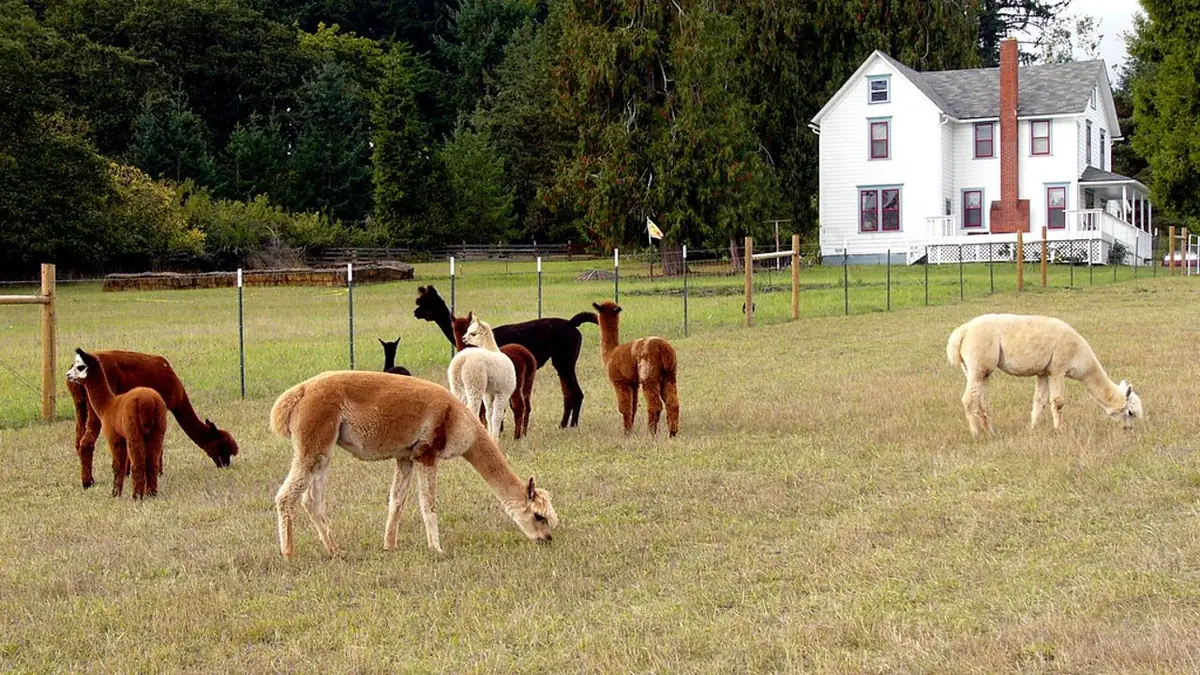
What makes an alpaca shelter different from a goat or sheep shelter
Alpacas are camelids, and that single fact shapes the whole build. They are prey animals that like to see their surroundings, so they settle best in a shelter they can walk in and out of freely, with an open front and low walls they can look over. A fully enclosed shed with a door makes them uneasy, and a tall solid fence blocks the view they rely on for confidence. The classic alpaca shelter is therefore a three-sided structure, open to the south or south-east in the northern hemisphere, with a roof high enough for a handler to stand inside and a floor of compacted hardcore topped with straw or woodchip bedding.
Size is generous rather than tight. Allow roughly 15 to 20 square feet per adult alpaca inside the shelter, and more if the herd includes crias or the shelter doubles as a handling area. Alpacas cush, which means they rest folded up with their legs beneath them, so they need less floor area than a standing animal of the same weight, but they also like to lie close together. A shelter for six alpacas should measure at least 12 feet by 10 feet, with a clear run of open frontage and no internal posts in the middle of the lying area. Leave room beside the shelter for a small catch pen, because every alpaca will need haltering, toenail trimming, vaccinations and an annual shearing.
The paddock matters as much as the building. Alpacas use communal dung piles, which makes mucking out easy but means the shelter floor stays cleaner if the dunging area is kept outside the roofline. They dust-bathe, so a dry sandy patch near the shelter is worth planning in. They are light on their feet and rarely challenge fences, so four-foot stock fencing with small mesh is usually enough, and electric fencing is used more to keep dogs and foxes out than to keep alpacas in. Compared with a sheep shelter installation, the alpaca version needs better summer shade, stronger airflow and a dedicated fleece-handling space, because a thick fleece coat that keeps an alpaca warm in winter becomes a heat risk in a hot July. The nine tools below are picked for exactly those differences.
The 9 best AI tools at a glance
| Tool | Best for | What it does for an alpaca shelter startup |
|---|---|---|
| Homestyler | 3D shelter layouts | Builds a three-sided shelter in 3D so clients can see the finished building before work starts. |
| RoomSketcher | Measured plans | Draws accurate floor plans with pen sizes, fleece areas and gate swings marked in. |
| Enscape | Client walkthroughs | Turns a shelter model into a realistic walkthrough that wins sign-off on the spot. |
| FarmOS | Herd and health records | Logs each alpaca, its vaccinations, shearing dates and feed in one open-source record. |
| PastureMap | Grazing and paddock plans | Maps paddocks and rotation so the grass around the shelter recovers between grazings. |
| Kencove Farm Fence | Camelid-safe fencing | Supplies woven wire, gates and fittings sized for alpacas, with layout help for the run. |
| Ritchie Waterers | Frost-proof water | Automatic waterers that keep drinking water flowing through cold weather. |
| Big Ass Fans | Ventilation and cooling | Large slow-moving fans that move air through the shelter and cut heat stress. |
| Houzz Pro | Quotes and invoicing | Turns a site visit into a branded quote, schedule and invoice without extra admin. |
Designing the shelter: layout, plans and client sign-off
Most alpaca shelter jobs are won or lost at the design stage. The client is usually a first-time alpaca owner who has strong feelings about how the shelter should look and only a vague idea of how it should work. A clear drawing, a realistic render and a measured plan turn that conversation from guesswork into a decision, and they protect the installer too, because the agreed plan is the record of what was quoted. The three tools in this section cover that whole step, and they work well together: sketch the layout, measure it properly, then show the client what it will look like standing in their paddock.
1. Homestyler: The Best Tool for 3D Alpaca Shelter Layouts Clients Can Approve
Homestyler is a browser-based 3D design tool that lets a startup build a three-sided alpaca shelter in an afternoon, complete with roof pitch, open frontage, bedding area and catch pen. The drag-and-drop library covers walls, posts, gates and roofing, and the AI layout suggestions help when a paddock is an awkward shape or the shelter has to sit against an existing hedge or barn wall. For an alpaca build, the useful trick is to model the shelter with the open front facing the right way, then drop in simple animal shapes at real scale so the client can see how six alpacas actually fit inside.
The tool earns its place because it removes the most common source of disputes: the client imagining a different building from the one being built. A 3D view of the shelter, the fence line and the dunging area leaves little room for misunderstanding, and the render can be sent by email or shown on a tablet at the kitchen table. Homestyler runs in the browser, so there is nothing to install, and the free tier is enough for a startup to test it on real quotes. It is also quick enough to rework live during a site visit, which matters when a client changes their mind about the shelter position halfway through the conversation.
2. RoomSketcher: The Best Tool for Measured Pen and Fleece Area Plans
RoomSketcher turns the agreed 3D layout into a measured plan the crew can actually build from. Draw the shelter footprint, mark the pen divisions, the gate swings, the feed store and the fleece sorting area, and the tool produces a clean floor plan with dimensions on every wall. For an alpaca shelter, the plan should show the lying area, the catch pen and the shearing space as separate zones, because each one needs different flooring, lighting and access. A shearing area wants a clean, dry, well-lit patch with room for a table and fleece bags, while the lying area wants deep bedding and no draught at ground level.
The strength of RoomSketcher is that it is built for non-specialists. Measurements can be typed in directly, walls snap to right angles, and the finished plan exports as a PDF that can be printed for the site or attached to the quote. That matters for a startup, because the person selling the job is often the same person building it, and a plan that only a trained architect can read is no use on a muddy paddock. RoomSketcher also keeps a project library, so a startup can reuse its best shelter layouts and adapt them to each new site rather than starting from a blank page every time.
3. Enscape: The Best Tool for Walkthroughs That Win Sign-Off
Enscape is a real-time rendering tool that turns a shelter model into a walkthrough the client can explore as if they were standing in the paddock. The sun, the shadows and the sightlines are rendered live, so a client can see exactly how much shade the roof throws at midday in July, and whether the open front catches the evening sun or the prevailing wind. For an alpaca shelter, that is not a gimmick. Shade and airflow are welfare issues for a fleeced camelid, and a render that shows the shelter working on a hot afternoon is far more persuasive than a promise.
Enscape works as a plug-in for common modelling tools, and it renders in seconds rather than the hours a traditional render takes. That speed changes how a startup sells: instead of sending a drawing and waiting a week for a reply, the installer can walk the client through the shelter on a laptop during the same visit, adjust the roof height or move the catch pen, and get a yes before leaving the farm. The renders also make strong portfolio material, and a new startup with no finished jobs to show can use them to demonstrate what its shelters look like.
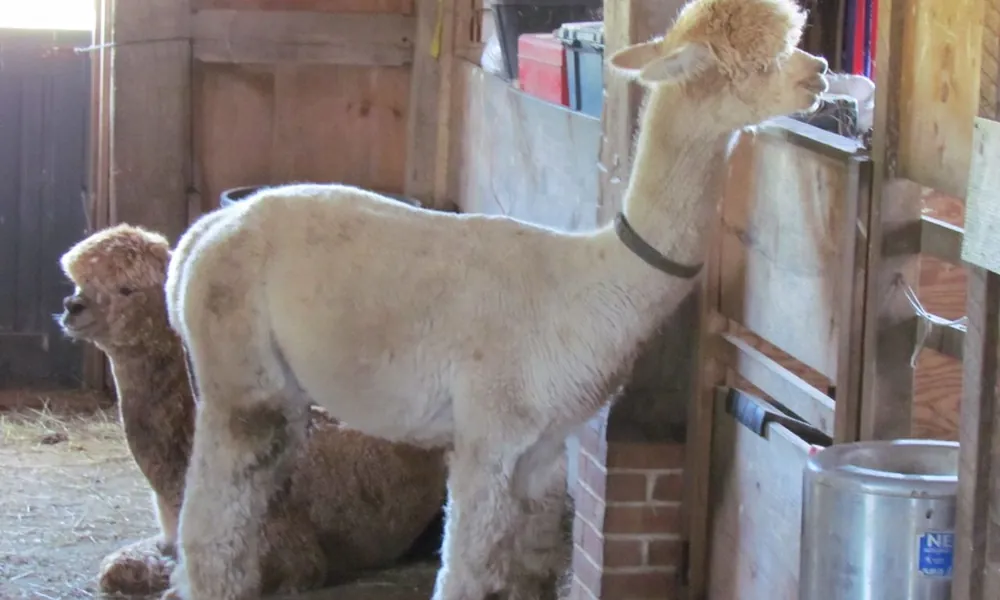
Herd records, grazing and fencing
A shelter is only half the job. The client is buying a working home for a herd, and the paddock around it decides whether the shelter stays clean, the grass lasts the season and the animals stay healthy. Alpacas graze selectively, rest in the same spots and dung in the same places, so a paddock without a rotation plan turns bare near the shelter and rank further out. Fencing needs to be safe for long necks and slender legs, with no gaps a cria can slip through and no barbed wire anywhere near the animals. The three tools in this section cover records, grazing and fencing, and they are the ones that turn a one-off build into an ongoing relationship with the client.
4. FarmOS: The Best Tool for Alpaca Herd and Health Records
FarmOS is an open-source farm record system that a startup can offer as part of the handover, with each alpaca logged by name, age, colour, microchip number and breeding history. Vaccinations, worming, toenail trimming and shearing dates are recorded against the individual animal, and feed rations can be logged alongside body condition scores. For an alpaca owner, that record is genuinely useful: alpacas hide illness well, so a written history is often what alerts an owner that an animal has lost weight or missed a treatment.
Offering a set-up FarmOS record at handover sets a startup apart from builders who leave nothing behind but a receipt. The installer can preload the herd, the shelter dimensions, the fencing layout and the maintenance schedule, so the client starts with a complete system rather than a blank notebook. FarmOS is free and open source, which keeps the cost down, and it runs in the browser with a phone-friendly view for use in the paddock. The trade-off is that it needs a little configuration to suit alpacas rather than cattle or sheep, but that setup is a one-time job, and a startup that builds a standard alpaca template can reuse it for every client.
5. PastureMap: The Best Tool for Rotational Grazing and Paddock Plans
PastureMap is a grazing planning tool that maps paddocks, tracks grass growth and plans rotations so the ground around the shelter recovers. Alpacas graze grass short and evenly, and they return to the same favoured spots, which means the area nearest the shelter wears out first. A rotation plan that rests each paddock for three to four weeks, with the shelter paddock spelled over the wettest months, keeps the grass productive and the mud down. PastureMap records each move, estimates the forage available and flags when a paddock needs rest, which is exactly the kind of practical help a new alpaca owner values.
For the installer, the tool is useful at the design stage as well as after handover. Mapping the paddocks shows where the shelter should sit so that every paddock is reachable, where the water points need to go, and where the dunging areas will form. It also helps with fencing quotes, because the paddock divisions and gate positions are drawn on the same map as the shelter. PastureMap is built for graziers rather than builders, so it takes a short learning curve, but a startup that offers a simple grazing map with every shelter installation is offering something most competitors do not.
6. Kencove Farm Fence: The Best Tool for Camelid-Safe Fencing and Gates
Kencove Farm Fence supplies woven wire fencing, gates and fittings designed for farm use, and its fixed-knot woven wire is a good match for alpacas. The small mesh at the bottom keeps crias inside, the smooth wire will not snag fleece, and the fence is strong enough to keep dogs out without looking like a prison. A four-foot fence is usually enough for alpacas, which rarely jump, and a see-through woven wire lets the herd watch the world beyond the paddock, which keeps them calm. Kencove also supplies the gates, hinges and tensioning tools a startup needs to finish the job properly, and its layout guides help with corners, strainer posts and gate positions.
The reason to name a fencing supplier rather than a generic fencing app is that fencing is where alpaca shelters most often go wrong. Cheap stock fencing with large mesh traps legs, barbed wire tears fleece and skin, and a fence that a dog can push under is a fencing failure with serious consequences. A startup that specifies a known woven wire, sets the posts at the right spacing and fits gates that a handler can open one-handed while leading an alpaca is doing skilled work, and the client can see the difference. A clear electric fence installation plan can be added where predators are a real concern, with the electric strand set on the outside of the woven wire so the alpacas never touch it.
Water, ventilation and fleece handling
The parts of an alpaca shelter that clients notice least are the ones that matter most to the animals. Water must be clean, unfrozen and always available, because an alpaca that stops drinking stops eating, and a dehydrated alpaca in a thick fleece coat overheats fast. Air must move through the shelter without creating a draught at lying height, because still, humid air breeds respiratory problems and heat stress. And fleece must have somewhere clean and dry to go at shearing time, because a year’s fibre crop ruined by mud or straw dust is money lost. The two products in this section, plus the fleece planning that runs through the whole guide, cover those quiet essentials.
7. Ritchie Waterers: The Best Tool for Frost-Proof Automatic Water
Ritchie Waterers are automatic livestock waterers that keep drinking water flowing in cold weather without a heater running all winter. The insulated casing and the valve design mean the water stays liquid in a frost, and the animals learn to drink from them in a day. For an alpaca shelter, the waterer should sit just outside the open front, under the roof overhang, so the animals can drink without leaving the shelter’s wind shadow and the floor inside stays dry. Two water points are better than one for a larger herd, because a dominant animal can guard a single trough.
Automatic waterers save the client a daily chore and save the alpacas from the most common winter problem: a frozen bucket that nobody noticed until evening. For the installer, they are a straightforward addition to the job, needing a water supply, a level concrete pad and a little insulation around the pipework. Ritchie units are built from heavy-duty materials that survive a kick from a bored alpaca, and the parts are replaceable, which matters for a product that will work every day for a decade.
8. Big Ass Fans: The Best Tool for Ventilation and Heat-Stress Control
Big Ass Fans makes large, slow-moving ceiling and wall fans that shift a big volume of air without creating a harsh draught. In an alpaca shelter, a single large fan mounted high under the roof ridge pulls warm air out, draws cooler air in through the open front, and keeps the lying area a few degrees cooler on a hot day. That temperature difference matters: alpacas evolved at altitude in the Andes, and a fleeced alpaca in a humid British or American summer can overheat quickly. Shade, airflow and cold water are the three defences against heat stress, and a fan covers the second of the three.
The fans are also useful in winter, run slowly in reverse to push warm air down from the roof without chilling the animals. They are quiet, energy efficient and built for agricultural buildings, so dust and damp do not shorten their life. For the installer, a fan is an easy upsell that shows real expertise, because it proves the startup has thought about the animals rather than just the building. The key detail is placement: high, centred, and clear of the hay store, with the controls where the owner can reach them without climbing.
Quoting, scheduling and getting paid
A good shelter build earns its profit in the office as much as on site. Alpaca owners are often first-time buyers who need a clear quote, a realistic schedule and a simple way to pay, and a startup that provides all three looks established from its first job. The business tool in this section is chosen because it handles the whole customer journey, from the first enquiry to the final invoice, without needing a separate system for each step. That matters for a small crew, because every hour spent on admin is an hour not spent building.
9. Houzz Pro: The Best Tool for Quoting, Scheduling and Invoicing Crews
Houzz Pro is a business management tool for small building and installation firms that turns a site visit into a branded quote, a project schedule and an invoice in one place. The installer photographs the paddock, notes the measurements, picks the shelter layout from the project library, and sends a professional quote before leaving the farm. The client approves it online, pays the deposit, and the job appears on the crew schedule with the materials list attached. For an alpaca shelter startup, that speed is a competitive edge, because clients often get two or three quotes and choose the installer who responds first with the clearest price.
Houzz Pro also keeps the customer relationship going after the build. The project photos, the handover notes and the maintenance reminders all sit in one timeline, so the startup can follow up at shearing time, at the first frost and at the spring rotation with a useful message rather than a sales pitch. The tool costs more than a simple invoicing app, but it replaces several separate subscriptions and it makes a one-person business look like a professional firm. For a startup, the practical advice is to build three standard shelter packages in Houzz Pro and quote those packages with only the site-specific extras added.
What an alpaca shelter installation should cost
Costs vary by region, herd size and access, but a new startup should know the rough shape of a job before quoting it. A basic three-sided timber shelter for four to six alpacas, roughly 12 feet by 10 feet with a metal roof and a hardcore floor, typically needs a day of groundwork and two days of building for a two-person crew. Materials — timber posts and rails, roofing sheets, hardcore, bedding and fixings — are usually the largest single cost, followed by labour, then fencing, gates and the water point. A catch pen, a feed store and a fan add to the price but also add to the value, and they are easier to sell when the client can see them on the 3D layout rather than as lines on a quote.
The nine tools in this guide cost a modest amount each month when taken together, and most of them are free or cheap at the start. Homestyler and RoomSketcher have usable free tiers, FarmOS is open source, and the fencing and watering products are one-off purchases rather than subscriptions. Enscape and Houzz Pro are the two premium tools, and both are worth adding once the order book justifies them. As with any field shelter installation, the real cost driver is not software but the site: poor access, wet ground, a long water run or a sloping paddock can add a day to the build, so a proper site visit before quoting is the cheapest insurance a startup can buy.
Alpaca shelter installation checklist
- Walk the paddock and agree the shelter position, with the open front facing away from the prevailing wind and the dunging area outside the roofline.
- Confirm the herd size and the lying area, allowing 15 to 20 square feet per adult alpaca plus a separate catch pen and shearing space.
- Check water, power and access before quoting, and note the distance from the water supply to the planned waterer.
- Specify camelid-safe fencing with small mesh at the bottom, no barbed wire, and gates a handler can open one-handed.
- Plan ventilation and shade for summer heat, including a fan, roof overhang and a dry dust-bathing patch nearby.
- Hand over the herd record, the grazing map and a written maintenance schedule, and book the first annual check-in before leaving.
Frequently asked questions
What is an alpaca shelter installation startup?
It is a small building business that designs and installs shelters, fencing, water points and handling areas for alpaca owners. Most jobs are three-sided open-fronted shelters for small herds, often with a catch pen, a feed store and a fleece handling area. The startup usually works with hobby farmers, fibre producers, therapy farms and agritourism sites, and the work is sold on local reputation, clear quotes and good aftercare rather than advertising.
How is an alpaca shelter different from a sheep shelter?
Alpacas are camelids that like to see their surroundings, so their shelter is open-fronted with low walls and good airflow, while sheep shelters are often more enclosed. Alpacas also need better summer cooling because of their thick fleece, a separate shearing area, and fencing with smaller mesh to keep crias safe. The floor needs to stay dry and the dunging area should sit outside the roofline, which is less of an issue for sheep.
How much do the best AI tools for alpaca shelter installation startups cost?
The full toolkit in this guide costs a modest amount per month. Homestyler, RoomSketcher and FarmOS all have free tiers that cover a startup’s first jobs, while PastureMap, Kencove fencing and Ritchie waterers are priced per project or per unit rather than as subscriptions. Enscape and Houzz Pro are the two premium tools, and they are worth adding once the order book grows. A startup can begin with the free tools and add the paid ones as revenue allows.
Which tool should a new alpaca shelter startup buy first?
Start with Homestyler and RoomSketcher, because winning the job depends on showing the client a clear design and a measured plan. Add FarmOS at handover so the client gets a proper herd record, and bring in Houzz Pro as soon as quoting takes up more than a few hours a week. The fencing, water and ventilation products are specified per job rather than bought as software, so they enter the toolkit naturally with the first orders.
Do alpacas need planning permission for a shelter?
It depends on the size, the location and local rules, and the answer varies between the UK, the United States and other countries. Small, temporary, moveable shelters often fall under permitted development or agricultural exemptions, while larger permanent structures usually need permission. A startup should never promise an answer on this point. Check the local planning rules for each site, note the shelter’s size and position on the quote, and advise the client to confirm with the planning authority before work starts.
Will AI replace alpaca shelter installers?
No. AI tools can draw the layout, plan the grazing and write the quote, but they cannot set a post straight, judge whether ground is too wet to build on, or calm a nervous alpaca while a gate is fitted. The tools in this guide make a small startup faster and more professional, but the skilled work — reading a paddock, building a shelter that stands up to weather, and earning a client’s trust — still belongs to the installer.
The bottom line
An alpaca shelter installation startup succeeds by understanding the animal first and the building second. A three-sided shelter with a dry floor, good airflow, safe fencing, frost-proof water and a clean fleece area is a better product than a bigger shed built to the wrong pattern, and clients notice the difference within weeks. The nine tools in this guide cover the whole job, from the first 3D sketch to the final invoice, and they do it at a cost a new business can afford. Build shelters that suit camelids, hand over records and maps the client will actually use, and the next job will come from the last client’s recommendation.

Keep what speaks to you.
Leave room for your own perspective.


