You have probably heard a recipe call for a binder without anyone explaining what that means. A binder is an ingredient whose job is to hold food together. It is the glue in a meatball, the reason a burger patty keeps its shape on the grill, and the quiet helper that stops a stuffing from falling apart. Without a binder, many dishes would crumble into a pile of loose crumbs the moment you tried to move them.
Binders are not a single ingredient. They are a whole family of ingredients that work in different ways. Eggs set and firm up as they cook. Breadcrumbs soak up moisture and give structure. Flour forms a sticky web with water. Cheese melts and re-sets into a firm network. Starches gel, flaxseed turns into a slimy paste, and gelatine sets into a wobbly jelly. Every one of them can bind, but they do not all suit every dish.
This Face Zem guide explains what a binder is in cooking, how the common ones work, how much to use, and which binder belongs in which dish. By the end you will know why your meatballs fell apart, why your veggie burger crumbled, and how to pick a binder that holds your food together without changing its flavour.
Key takeaways
- A binder is any ingredient that holds a mixture together so it keeps its shape during cooking and serving.
- Eggs, breadcrumbs, flour, cheese, starches, flaxseed and gelatine are the most common binders, and each works differently.
- Use the smallest amount that works — too much binder makes food dense, gummy or heavy.
- Meatballs and burgers need a different binder from a vegan patty, so match the binder to the dish.
- Test a small patty or ball before cooking the whole batch, so a binding mistake costs you one spoonful, not the whole meal.
What Is a Binder in Cooking?
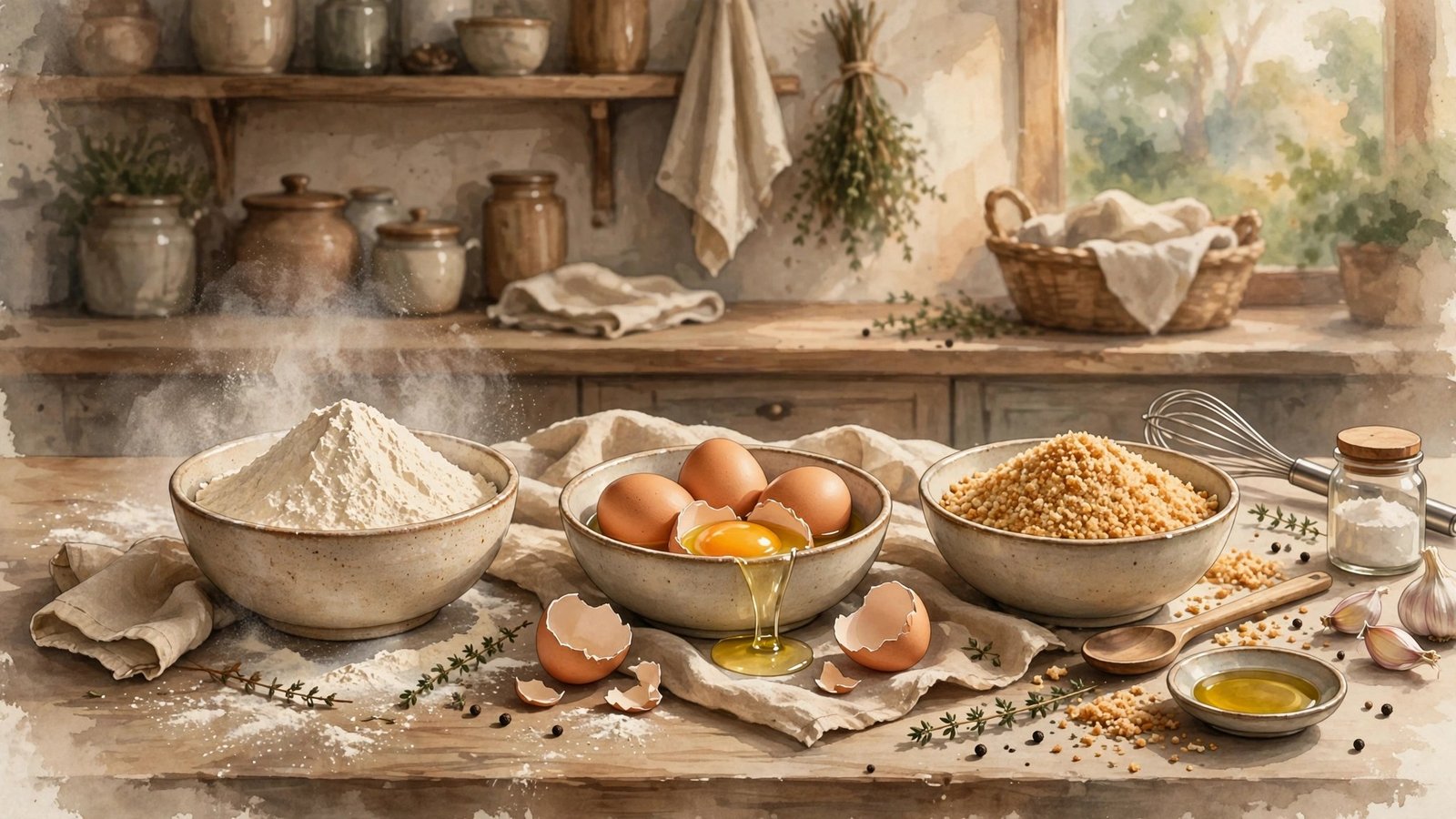
A binder is an ingredient added to a mixture to help it stick together. It fills the gaps between the other ingredients, links them into a network, and holds that network together while the food is shaped, cooked and served. Think of it as the mortar between bricks. The bricks are the main ingredients — minced meat, vegetables, grains — and the binder is what keeps them from falling apart.
Binding works in several ways. Some binders, like eggs, set when they are heated: the proteins in the egg unfold and link together, forming a firm web that traps everything else. Others, like breadcrumbs and flour, absorb moisture and swell, filling the spaces between particles and making the mixture sticky. Cheese melts and then firms up again as it cools, gluing the pieces in place. Starches such as potato starch and cornflour form a gel when they meet hot liquid, and gelatine forms a soft jelly that sets as it cools.
Almost every cook uses binders, often without realising it. The egg in a meatball is a binder. The breadcrumbs in a stuffing are a binder. The flour in a fish cake is a binder. Even a little mashed potato in a veggie burger is acting as a binder, because its starch holds the other vegetables together. Once you know what to look for, you will spot binders in recipes everywhere.
Why Recipes Need a Binder
The first reason is structure. A meatball that falls apart in the pan is not a meatball, it is mince in sauce. A burger that breaks in half on the grill is a mess. A binder gives the mixture enough strength to survive shaping, cooking and moving, so the food reaches the plate in one piece.
The second reason is moisture. Many binders soak up juices that would otherwise run out during cooking. Breadcrumbs absorb the liquid released by meat, keeping the finished meatball moist instead of dry. This is why a meatball made with breadcrumbs often tastes juicier than one made with meat alone.
The third reason is texture. A good binder lightens a mixture. It stops a patty from being a dense lump of meat and gives it a softer, more even bite. This is one reason cooks soak breadcrumbs in milk before adding them to meatballs: the soaked crumbs make the mixture tender rather than tough.
Finally, a binder gives you control. It lets you shape a mixture into balls, patties, loaves and croquettes, and it lets those shapes survive frying, grilling, baking and boiling. Without a binder, most shaped foods would be impossible to cook at all.
Binders at a Glance
The table below compares the most common binders. Use it when you are choosing one for a recipe, or when you need to replace a binder you do not have.
| Binder | How it works | Best for | Watch out for |
|---|---|---|---|
| Egg | Proteins set when heated, forming a firm web | Meatballs, burgers, fish cakes, stuffing | Too many eggs make food rubbery |
| Breadcrumbs | Absorb moisture and swell, filling gaps | Meatballs, burgers, stuffing, croquettes | Too many make food dense and dry |
| Flour | Forms a sticky web with water | Fish cakes, fritters, pastry, dumplings | Raw flour taste if undercooked |
| Cheese | Melts, then firms as it cools | Stuffing, croquettes, veggie patties | Can make food greasy if overused |
| Potato starch | Gels in hot liquid, giving a light hold | Gluten-free meatballs, Asian dumplings | Too much turns food gummy |
| Flaxseed (flax egg) | Forms a gel when mixed with water | Vegan burgers, vegan meatballs, baking | Needs 10 minutes to thicken |
| Gelatine | Sets into a soft jelly as it cools | Terrines, pâtés, aspic, chilled desserts | Must not boil, or it loses strength |
| Mashed potato | Starch holds soft ingredients together | Veggie burgers, fish cakes, croquettes | Too much makes patties soggy |
Eggs: The Classic Binder
Eggs are the most common binder in cooking, and for good reason. As an egg heats, its proteins unfold and link together, forming a strong network that traps the other ingredients. This is why one egg can hold a whole bowl of meatball mixture together. The yolk adds richness and fat, which helps with flavour, while the white does most of the binding work.
One egg is usually enough for about 500 grams of minced meat or a similar quantity of mixture. More than that, and the food can turn rubbery and taste too much of egg. If your mixture is very wet, an extra egg white can help, but it is usually better to add breadcrumbs instead, since they soak up the extra moisture.
Eggs are also easy to replace. If you are cooking for someone with an egg allergy, or you simply have no eggs, a flax egg (one tablespoon of ground flaxseed mixed with three tablespoons of water, left for ten minutes) does a similar job in most savoury dishes.
Breadcrumbs: The Moisture Absorber
Breadcrumbs are the binder most cooks reach for after eggs. They work by absorbing the juices in a mixture and swelling, which fills the gaps between the other ingredients and makes everything stick. Fresh breadcrumbs are softer and absorb more liquid than dried ones, so they give a lighter result, while dried breadcrumbs give a firmer hold.
A common trick is to soak breadcrumbs in milk before adding them to a meatball mixture. The soaked crumbs, known as a panade, keep the meat moist during cooking and make the finished meatball tender. Use about 50 grams of breadcrumbs with 60 millilitres of milk for every 500 grams of meat.
Breadcrumbs are also useful as a coating. Rolling a shaped patty or croquette in breadcrumbs before frying gives it a crisp outside that helps it keep its shape in the pan. If you need a gluten-free option, use gluten-free breadcrumbs, crushed rice crackers or rolled oats instead.
Flour and Starch: The Sticky Web
Flour binds because its proteins and starches form a sticky web when they meet water. Plain flour is the binder in many fish cakes, fritters and dumplings, and it is also what holds pastry together. A little flour in a mixture can turn a loose pile of ingredients into something you can shape with your hands.
Starches work a little differently. Cornflour, potato starch and tapioca starch form a clear gel when heated with liquid, and that gel locks the mixture together. Potato starch is popular in gluten-free cooking because it gives a light, clean hold without the heaviness of flour. It is also a favourite in Asian dumplings, where a little starch in the filling stops the juices from escaping.
Use flour and starch with care. Too much flour gives food a pasty taste and a heavy texture, and too much starch makes it gummy. Add a tablespoon at a time, mix, and test whether the mixture holds together before you add more.
Cheese, Potato and Other Everyday Binders
Cheese is a binder that many cooks overlook. When it melts, it flows around the other ingredients, and as it cools it firms up and holds them in place. Grated Parmesan is a favourite in meatballs and stuffing because it adds flavour as well as binding power, and it does not add much moisture. Soft cheeses such as mozzarella work too, but they can make a mixture greasy if you use too much.
Mashed potato is another quiet binder. Its starch is naturally sticky, so a spoonful of mash can hold a veggie burger or a fish cake together. It works best when the potato is dry and fluffy, so let it steam off for a few minutes after mashing before you use it.
Other everyday binders include cooked rice, which holds together in arancini and stuffed peppers, and hummus, which can bind a chickpea patty while adding flavour. Even a spoonful of peanut butter can bind a mixture, though it will change the taste, so use it only where the flavour fits.
Flaxseed and Gelatine: The Special Cases
Flaxseed is the binder most vegan cooks rely on. Ground flaxseed mixed with water forms a gel that behaves much like an egg, holding patties and bakes together. Mix one tablespoon of ground flaxseed with three tablespoons of water, leave it for ten minutes, and you have a “flax egg” that replaces one egg. Chia seeds work the same way and give a similar result.
Gelatine is a different kind of binder. It dissolves in warm liquid and sets into a soft jelly as it cools, which makes it perfect for terrines, pâtés and aspic, where the food needs to hold its shape when cold. Gelatine must be soaked in cold water first, then melted gently. Never boil it, because boiling destroys its setting power and leaves you with a soup.
Both of these binders are specialists. Flaxseed suits vegan and egg-free cooking, while gelatine suits cold, moulded dishes. Neither is the right choice for a hot meatball, but in their own dishes they are hard to beat.
How Much Binder to Use
The golden rule is to use the least binder that works. A binder is a helper, not a main ingredient, and the more you add, the more it changes the dish. Too much egg makes food rubbery. Too much breadcrumb makes it dense and dry. Too much flour makes it pasty. Too much starch makes it gummy.
Start with the standard amounts: one egg and about 50 grams of breadcrumbs per 500 grams of minced meat. For a veggie patty, one egg (or flax egg) and three to four tablespoons of breadcrumbs or flour per 400 grams of vegetables. Mix, then test. Take a small spoonful, shape it, and press it gently. If it holds together without crumbling, you have enough. If it falls apart, add a little more binder, one tablespoon at a time.
Always test before you shape the whole batch. Fry or bake one small patty first and taste it. If it holds together and tastes right, shape the rest. If it crumbles, add more binder. If it is dense or gummy, you have used too much, and it is better to start a fresh, smaller batch than to try to fix a large one. This habit is the same kind of small, careful test that pays off in other parts of life, as How to Build Wealth in Your 20s shows with money: a little patience at the start saves a lot of trouble later.
Binders for Meatballs and Burgers
Meatballs and burgers are the dishes where a binder matters most, because both are shaped by hand and cooked at high heat. A meatball without a binder will fall apart in the sauce. A burger without one will break on the grill. The classic combination is egg plus breadcrumbs, and it works because the two binders do different jobs: the egg sets and firms, while the breadcrumbs absorb moisture and keep the meat tender.
For meatballs, mix 500 grams of minced meat with one beaten egg, 50 grams of breadcrumbs soaked in 60 millilitres of milk, a pinch of salt and your chosen herbs. Mix gently with your hands until the ingredients are just combined. Overmixing makes the meat tough, so stop as soon as the mixture holds together.
For burgers, you need less binder than for meatballs, because a burger is a flat patty rather than a ball, and it does not need to survive simmering in sauce. One egg and two tablespoons of breadcrumbs per 500 grams of meat is usually enough, and some cooks use no binder at all for a pure beef burger, relying on the fat in the meat to hold it together. If your burger mixture feels loose, chill it in the fridge for 30 minutes before shaping, as the cold helps the fat firm up and the binder set.
Binders for Vegan Cooking
Vegan cooking needs binders more than any other kind, because it has no eggs and no cheese to fall back on. The good news is that there are plenty of plant-based binders, and they work very well once you know them.
The flax egg is the first choice for most vegan patties and bakes. It is cheap, easy to make, and it works in almost any savoury mixture. Mashed chickpeas, beans and lentils also bind well, because their starches are naturally sticky, and they add protein at the same time. Cooked rice, quinoa and oats can bind a patty while adding body, and a spoonful of nut butter can hold a mixture together while adding richness.
The trick with vegan binders is to use two of them together. A flax egg plus a little oat flour, or mashed beans plus breadcrumbs, gives a stronger hold than either binder on its own. As with meat, test one small patty before you shape the whole batch. If it holds together in the pan, your binder combination is right.
Mistakes to Avoid
The most common mistake is using too much binder. A meatball that is half breadcrumbs is not a meatball, it is a bread ball. A patty full of flour tastes of flour. Remember that a binder should be invisible in the finished dish. If you can taste it or see it, you have used too much.
The second mistake is using the wrong binder. Gelatine does not belong in a hot meatball, because it melts when heated and the meatball falls apart. Raw flour in a mixture that is only lightly cooked will taste raw. Flaxseed in a dish where you want a clean, neutral flavour can add a nutty taste that does not fit.
The third mistake is overmixing. Once the binder is in, mix only until the ingredients are combined. The more you work a mixture, the tougher and denser it becomes, and no binder can fix a mixture that has been beaten into a paste.
The fourth mistake is skipping the test. It takes two minutes to fry one small patty, and it can save a whole batch. Cooks who skip the test are the same cooks who end up with a pan full of crumbs. A little discipline at this stage is worth it, in the kitchen and beyond, as Best Books on Passive Income reminds readers about building good habits one small step at a time.
Checklist: Picking the Right Binder
- Choose the binder that matches your dish — egg and breadcrumbs for meatballs, flax egg and oats for vegan patties.
- Use the smallest amount that works, adding one tablespoon at a time.
- Test one small patty or ball before shaping the whole batch.
- Soak breadcrumbs in milk or water first, so they keep the mixture moist.
- Do not overmix once the binder is in — stop as soon as the mixture holds together.
- Chill the shaped food for 20 to 30 minutes before cooking, so the binder can set.
Frequently Asked Questions
What is a binder in cooking?
A binder is an ingredient that holds a mixture together so it keeps its shape while it is cooked and served. Common binders include eggs, breadcrumbs, flour, cheese, starches, flaxseed and gelatine.
Can I make meatballs without eggs?
Yes. Use a flax egg, soaked breadcrumbs, mashed potato or a little flour instead. One flax egg replaces one egg in most meatball recipes, and soaked breadcrumbs alone can hold a meatball together if you use enough of them.
What is the best binder for burgers?
Egg and breadcrumbs are the classic pair. One egg and two tablespoons of breadcrumbs per 500 grams of meat is a good starting point. For a pure beef burger, you can use no binder at all if the meat has enough fat.
What is the best vegan binder?
A flax egg is the most reliable vegan binder. It works well on its own, and it works even better combined with oat flour, mashed beans or breadcrumbs. Chia seeds make a similar gel and can be used the same way.
Why do my meatballs fall apart?
Usually because there is not enough binder, or the mixture is too wet. Add a little more breadcrumbs, one tablespoon at a time, and test a small meatball before cooking the rest. Overmixing can also make meatballs crumble, so mix gently.
Can I use flour instead of breadcrumbs as a binder?
Yes, flour binds well, but it is heavier than breadcrumbs and can give food a pasty taste if you use too much. Use about half the amount you would use of breadcrumbs, and make sure the food is cooked through so the flour does not taste raw. For more clever ways to use what you already have, How to Make Money with AI shows how a smart tool can do more with less, much like a good binder.
Bottom line
A binder is a small ingredient with a big job. It holds your food together, keeps it moist, and lets you shape it into meatballs, burgers, fish cakes and croquettes that survive the pan and reach the plate in one piece. Eggs, breadcrumbs, flour, cheese, starches, flaxseed and gelatine all bind, but each one works differently, so the skill is in choosing the right binder for the dish and using the smallest amount that works. Test one small patty before you cook the whole batch, and you will rarely go wrong.
Note: This is a general cooking guide from Face Zem. Amounts are starting points, so adjust them to suit your ingredients, your taste and any allergies in your household, and check packet instructions when using a binder you have not tried before.

Keep what speaks to you.
Leave room for your own perspective.