
Key Takeaways
- Aggregates external live streaming links automatically
- Utilizes P2P networking and embedded video players
- Operates primarily without hosting original video files
- Presents significant cybersecurity and privacy risks
- Requires robust web security tools like Facezem
Have you ever wondered how popular sports streaming platforms manage to pull off live broadcasts so effortlessly without charging a monthly subscription fee? If you are an avid sports fan, you have almost certainly heard of platforms that bring live games right to your screen with just a few clicks.
But how does StreamEast work behind the scenes to deliver continuous, real-time sports streams to millions of passionate viewers every single day?
At its core, StreamEast functions as a specialized web indexer that collects and organizes video streams hosted on external third-party servers rather than hosting any media directly on its own hardware. By embedding external media players through sophisticated web scrapers, automated scripts, and distributed delivery networks, the platform delivers live sports action directly to your web browser.
AI Overview
StreamEast is a popular online sports aggregation platform that fetches live video feeds from independent external servers and embeds them into a single interface. Instead of storing video content on its own infrastructure, it indexes active links using scrapers and third-party players. Learning how does StreamEast work allows users to understand its underlying web technology, delivery mechanisms, safety considerations, and associated digital security risks.
The Core Technology Behind Online Sports Aggregation
To truly grasp how sports streaming platforms operate on a technical level, you need to examine modern web architecture. The backend systems of these sites rely heavily on automated scripts that continuously scan the internet for active media streams.
These web scrapers identify active streaming protocols, extract the underlying video links, and organize them into an accessible web dashboard. This aggregation process allows live content to appear on screen instantly without requiring local media storage or massive server farms.
Scraping and Indexing Live Feeds
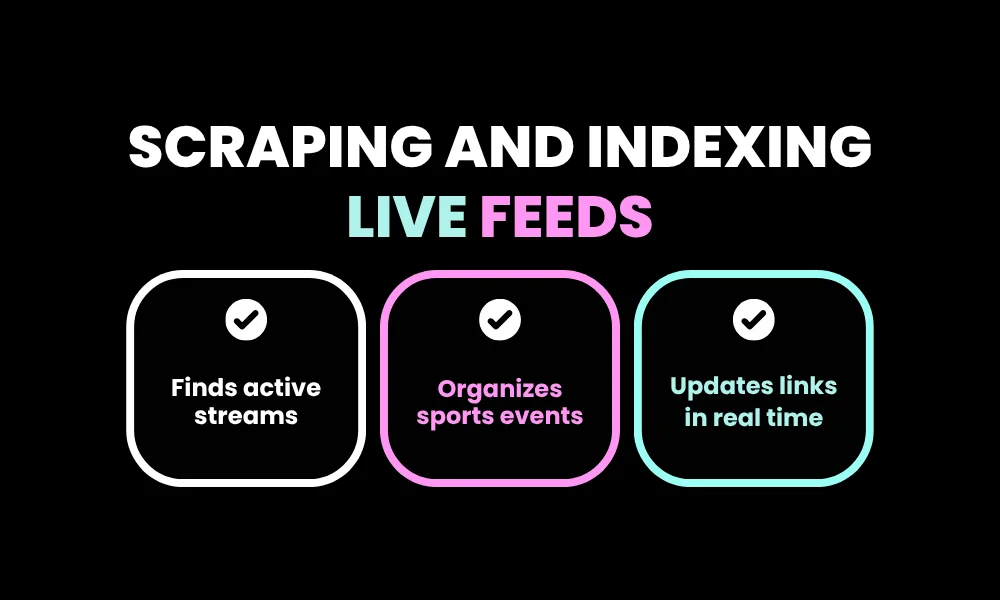
Automated web scrapers continuously crawl hundreds of international media servers searching for active digital transmission feeds. Once a reliable stream is detected, the platform categorizes the connection by sports discipline, league, matchup, and official start time.
This real-time indexing ensures that sports fans can find active links the exact moment a match kicks off. The system operates very similarly to how major search engines index standard web pages, but it is tailored specifically for live video playback feeds.
Embedded Players vs. Direct File Hosting
Direct file hosting requires immense bandwidth, huge storage capacity, and costly server maintenance to handle thousands of concurrent viewers. Unofficial streaming sites almost never host video files directly on their own physical servers because the hardware costs would be unsustainable.
Instead, they rely on standard iframe HTML tags to embed media players that are hosted entirely on separate, independent domains. When you click the play button on your screen, you are actually watching video content that is being served from an entirely different part of the web.
| Hosting Method | Bandwidth Cost | Server Overhead | Primary Risk Factor |
| Direct Hosting | Very High | Massive | Legal and Storage Liability |
| Embedded Indexing | Low | Minimal | Third-Party Link Reliance |
| Peer-to-Peer (P2P) | Distributed | Low | Exposed User IP Addresses |
How Does StreamEast Work to Deliver Live Video?
When millions of eager sports fans tune in simultaneously for a high-profile championship game, server traffic spikes dramatically. Delivering stable live video without crashing the entire infrastructure requires clever bandwidth distribution and stream management techniques.
Many third-party content hosts utilize Peer-to-Peer (P2P) network technologies to distribute the heavy video load dynamically across the active viewing audience.
Content Delivery Networks and Mirror Domains
Content Delivery Networks (CDNs) cache static website components across edge servers located around the globe, significantly speeding up initial page load times for viewers anywhere in the world.
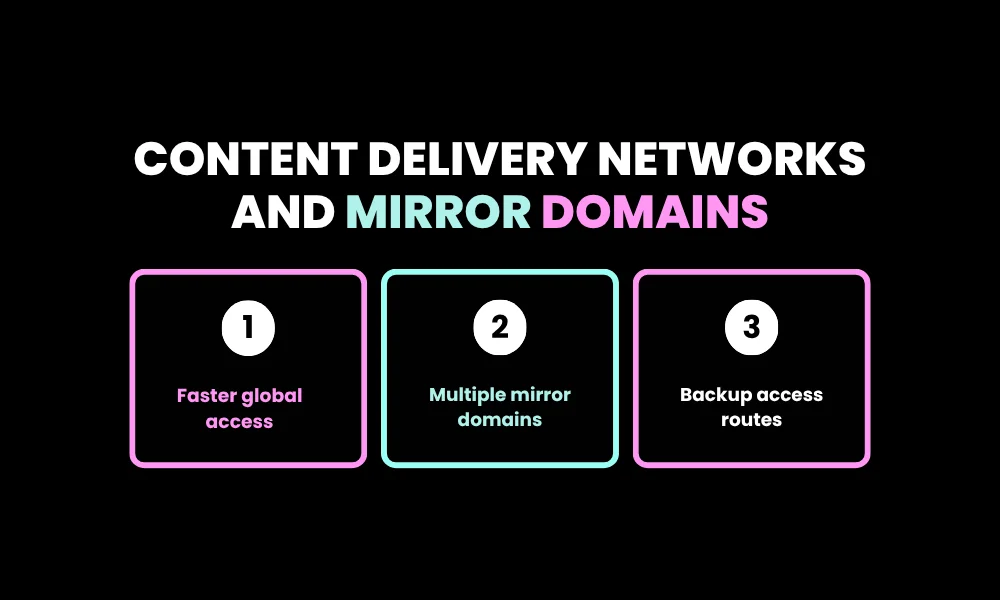
Because primary domains face frequent network restrictions and ISP blocks, platform administrators continuously maintain alternative mirror domains and redirect links to preserve uninterrupted site availability for their audience.
Ad Networks and Revenue Generation
How do free platforms cover their operational overhead without charging user subscription fees? They rely almost entirely on high-yield digital advertising networks, pop-under windows, and dynamic banner placements.
Nearly every interaction on the embedded video player triggers underlying ad scripts that generate view impressions and click revenue for the site operators, keeping the service running continuously.
Security, Privacy, and Technical Risks
Accessing unofficial media streams exposes your desktop or mobile device to several notable technical vulnerabilities. Unverified digital advertising networks often serve aggressive pop-ups, misleading landing pages, or malicious scripts.
Understanding these underlying security risks helps users take proactive measures to protect their personal devices, private data, and broader digital identity while browsing the web.
Malicious Ads and Drive-By Downloads
Deceptive overlay ads often place invisible layers or fake play buttons directly over the actual video player controls. Clicking anywhere on the screen can open unwanted pop-up windows or trigger background file downloads.
These drive-by downloads can occasionally bundle persistent tracking software, unwanted browser toolbars, or intrusive adware payloads that slow down your system performance.
Network Tracking and IP Exposure
Connecting to unencrypted third-party media streams leaves your unique Internet Protocol (IP) address visible to site managers, advertising networks, and internet service providers.
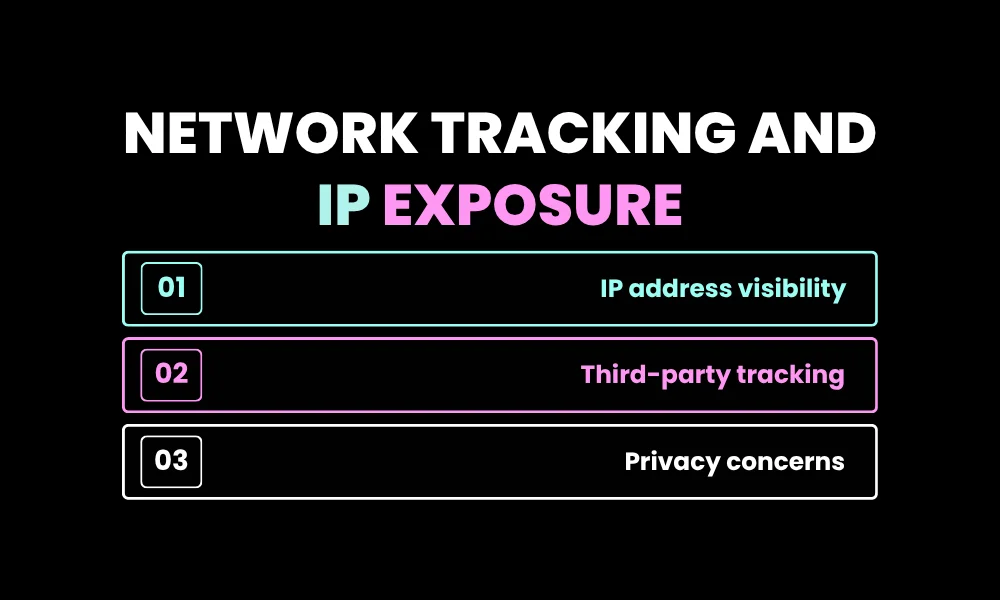
Cybersecurity experts and privacy platforms like Facezem strongly recommend using robust web protection tools, active ad-blockers, and encrypted connections whenever navigating public media indexers.
Key Features and User Interface Architecture
The platform achieved widespread popularity among sports enthusiasts largely because of its streamlined, user-friendly interface design when compared to older, ad-cluttered streaming portals.
A clean design layout lets fans navigate easily between different sports leagues, live games, and scheduled broadcasts without getting lost in complicated menus.
- Organized Event Schedules: Displays upcoming fixtures clearly across football, basketball, combat sports, motorsports, and baseball.
- Multiple Stream Servers: Provides backup video links if a primary streaming feed experiences downtime during a live game.
- Interactive Live Chat: Features a real-time chat box where fans can discuss plays and interact during major sporting events.
- Responsive Video Interface: Automatically adjusts the media player and controls for smooth viewing on mobile devices, tablets, or computers.
Legality and Content Licensing Frameworks
Copyright regulations govern live broadcasting distribution strictly across almost all major global jurisdictions. Broadcasting live sports legally requires obtaining official media rights from leagues, tournament organizers, and broadcasting networks.
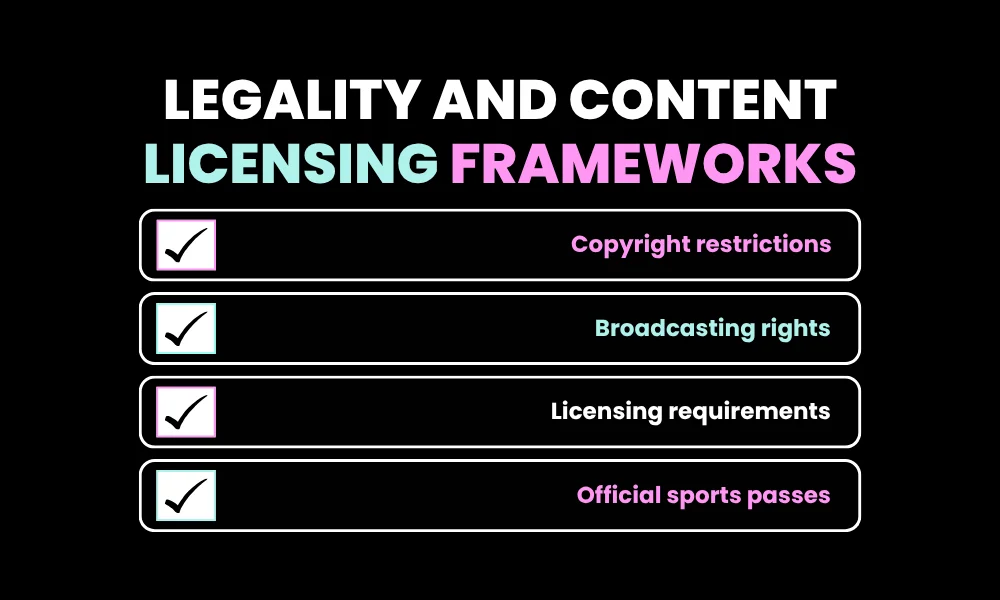
Aggregating copyrighted video feeds without express licensing authorization places indexers outside standard intellectual property laws and commercial broadcasting compliance guidelines.
Regional Regulations and Site Blocking
Is watching embedded streams legal in your region? Internet Service Providers (ISPs) in many countries regularly enforce domain-level restrictions against unauthorized video aggregation portals.
Legal enforcement measures frequently lead to domain name seizures, requiring operators to constantly migrate their content indexing frameworks to new top-level domain extensions.
Safe Alternatives for Sports Fans
For consistent high-definition resolution, zero ad interruptions, reliable audio sync, and complete peace of mind, official licensed platforms remain the ultimate option for sports fans.
- Licensed network streaming applications and apps
- Traditional over-the-air television broadcast networks
- Official league-specific digital pass subscriptions
Protecting Your Device While Browsing Digital Media
Whenever exploring online media aggregator technologies, taking strong digital security precautions helps safeguard your personal files, login credentials, and browsing activity.
Maintaining solid security habits ensures your home network and personal hardware remain protected against hidden online threats and unwanted scripts.
Essential Digital Protection Steps
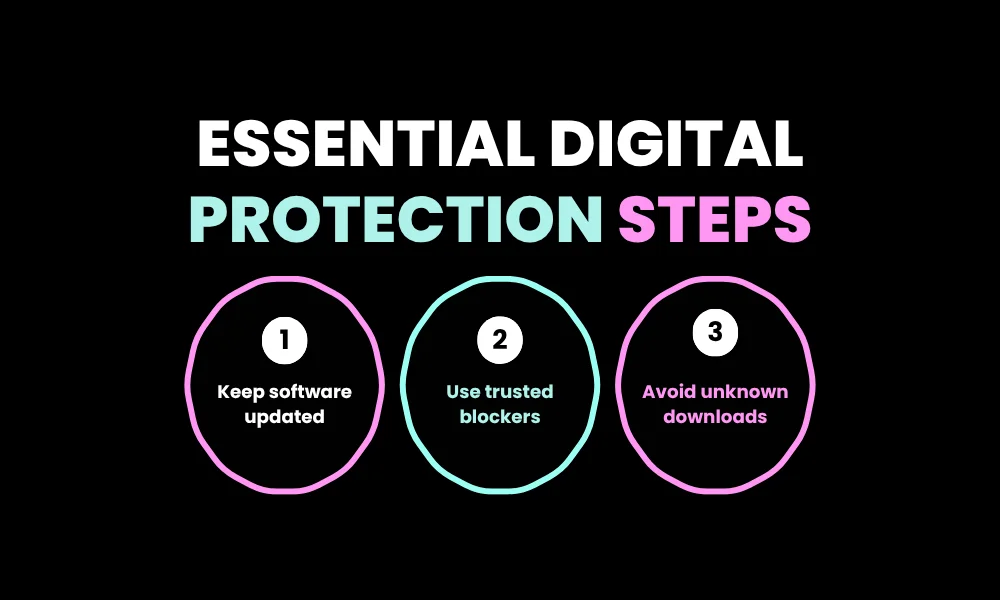
- Keep your primary operating system, security software, and web browsers updated to the newest security patches.
- Install trustworthy ad-blocking and script-suppression extensions to block unwanted redirects and pop-up windows automatically.
- Use dedicated digital security platforms like Facezem to monitor active web connections and guard against malicious domains.
- Never download executable files, media player updates, or software plugins prompted by pop-up ads on third-party sites.
Understanding Stream Quality and Server Load
Why do some streams run crystal clear while others buffer constantly or drop out during crucial moments of a match? Video playback quality depends on multiple technical factors operating simultaneously behind the scenes.
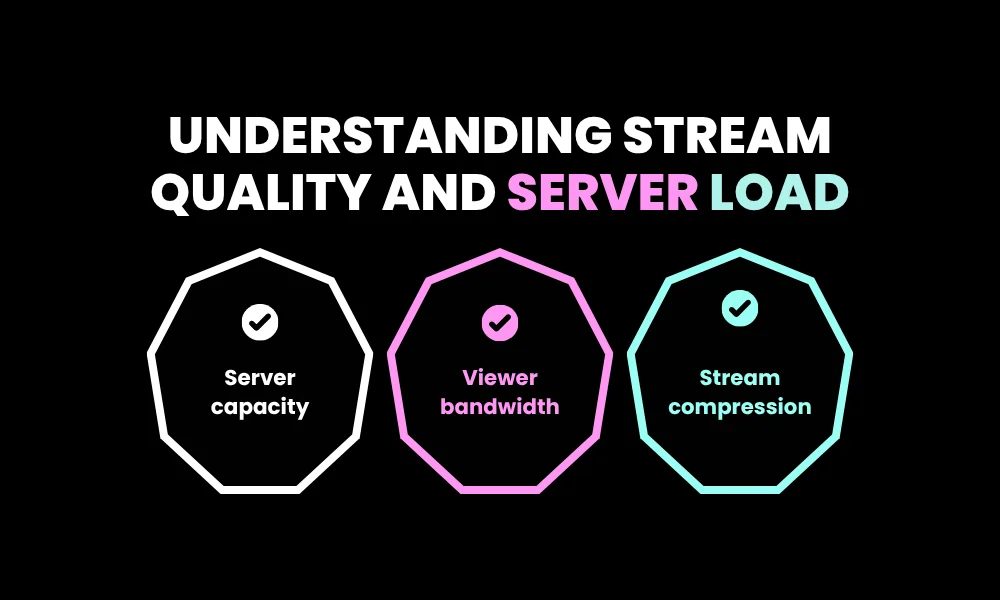
Source server capacity, viewer bandwidth, original stream compression, and total traffic volume all play massive roles in determining your overall viewing experience.
Bitrate and Resolution Adaptations
Original broadcasters transmit high-definition streams at high bitrates, requiring substantial bandwidth for smooth playback. Unofficial indexers often compress these feeds to save bandwidth, which can reduce visual crispness.
When server capacity reaches peak limits during popular events, streaming quality may automatically drop to lower resolutions to prevent complete server crashes.
The Role of Source Streamers
Indexers do not create video feeds themselves; they rely on independent source streamers who capture official broadcasts and re-encode them for online distribution.
If the original source streamer experiences internet instability or hardware failure, every viewer watching that embedded link will experience buffering or lost signal simultaneously.
Frequently Asked Questions
What technology powers live sports streams on index sites?
They use automated scrapers to locate third-party video feeds, embedding them via iframe technology directly into user web browser pages.
Why do streaming links go down during live games?
Links drop when source servers overload from high traffic or when copyright holders issue domain-level blocks during live events.
Is accessing embedded sports streams safe for mobile devices?
It carries risk due to malicious pop-under ads, intrusive tracking scripts, and potential drive-by downloads on unverified networks.
Why does StreamEast change its web domain address frequently?
Domain changes occur to bypass legal domain seizures and internet service provider blocks, allowing the site to maintain uptime.