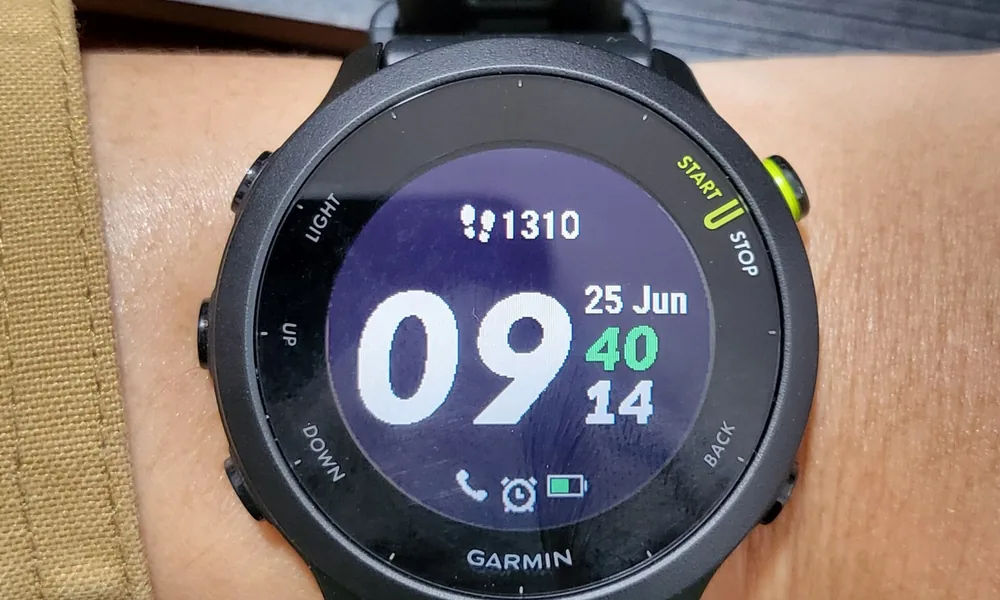
I stopped using a fitness tracker a year ago, and I have not missed it once. Not the step count, not the sleep score, and not the buzz on my wrist every hour telling me to stand up. I stopped because the tracker was not helping me get fit — it was making me anxious about numbers that did not matter, and the day I took it off was the day I started enjoying exercise again. I listen to my body now instead of a screen — and a year later, I would not go back.
The numbers became the point
The first reason I stopped using a fitness tracker was that the numbers became the point. I stopped running because I loved it and started running because the ring had to close — and the run that did not close the ring felt like a failure, even when it felt wonderful. The tracker turned exercise into homework, and homework is the thing nobody enjoys. The story of why I stopped using a smartwatch makes the same point about the wrist: the screen that promises health is often the one that steals the joy. I stopped chasing the numbers, and my runs got better.
The notifications never stopped
The second reason I stopped using a fitness tracker was the notifications. Stand up, breathe, drink water, close your rings — the tracker buzzed all day, every day, and the buzz that was meant to help felt like a boss that never went home. I bought the tracker to feel healthier, and it made me feel watched. The best ways to save money on transport make the same point about small habits: the thing you pay for every day is the thing that adds up — and the tracker cost me my peace of mind. I stopped wearing the buzz, and my days got quieter.
The sleep score ruined my sleep
The third reason I stopped using a fitness tracker was the sleep score. I woke up feeling fine, checked the score, and felt terrible — because the tracker said I had slept badly, and the number was louder than my body. The story of why I stopped using a tablet is the same kind of screen: the thing you check first thing in the morning, until the day you stop and realise you never needed it. I stopped checking the score, and my sleep got better.
What changed after a year
A year after I stopped using a fitness tracker, three things have changed. The first is my exercise: I run when I want to, walk when I want to, and rest when I want to — and the exercise I do now is the exercise I enjoy, not the exercise the ring demands. The second is my sleep: I wake up and ask how I feel, not what the score says, and the mornings feel calmer without a number to argue with. The third is my money: I save the subscription the tracker wanted every month, and the money goes to shoes that actually help me run. The tracker I thought I needed was the tracker I never needed at all.
The change that surprised me most was the simplest one: my body. I know when I am tired now, because I listen to it — and the body that used to be ignored in favour of a number is the body that tells me everything I need to know. The tracker told me when to stand, when to breathe, and when to sleep, and my body tells me the same things without a battery. A year later, the wrist is empty, and the body is the tracker.
The hardest part was the first week. The first morning without the tracker felt wrong — the wrist was bare, the rings were gone, and the habit kept reaching for the screen. By the second week, the habit was gone. By the third week, I had forgotten the tracker existed. A year later, I cannot imagine going back: the numbers, the notifications, and the sleep score are all gone, and the runs, the walks, and the sleep are all that is left. If you wear a tracker every day, try a week without it — the week will tell you everything the screen never did.
The bottom line
I stopped using a fitness tracker because the numbers became the point, the notifications never stopped, and the sleep score ruined my sleep — and a year later, I exercise more, sleep better, and save the subscription every month. The tracker I thought I needed was the tracker I never needed at all. If you wear a tracker every day, try a week without it. The week will be hard, the second week will be easy, and by the third week you will have forgotten the tracker existed. That is what happened to me, and it is the best decision I made for my health all year.
Frequently asked questions
Is a fitness tracker bad for your health?
A tracker is not bad for your health — but the anxiety it causes can be. The numbers are useful for some people, and stressful for others. If the tracker makes you anxious, the tracker is not helping you, and taking it off is the healthy choice.
What did you use instead of a fitness tracker?
My body, mostly — I run when I want to, walk when I want to, and rest when I want to. I also keep a simple notebook: the date, the run, and how it felt, and the notebook tells me more than the screen ever did.
How much money did you save by stopping the tracker?
About $10 a month on the subscription, or $120 a year — plus the cost of the tracker itself. The money goes to running shoes now, and the shoes help me run in a way the tracker never did.
Did you miss the tracker at all?
For about a week, yes — the habit was the hard part, not the data. By the second week, the habit was gone, and by the third week I had forgotten the tracker existed. A year later, I would not go back.

Keep what speaks to you.
Leave room for your own perspective.