My waffle maker made breakfast exactly three times a year, and every time it did, the kitchen looked like a flour bomb had gone off. It cost $39, it lived in a cupboard because it was too awkward for the counter, and the waffles it made were never as good as the ones from the café down the road. So one Saturday I took it out of the cupboard, cleaned it one last time, and gave it away. My weekend breakfasts have been simpler, cleaner, and better ever since.
This is why I stopped using a waffle maker, what it was really costing me, and what I cook instead on slow mornings now.
The mess
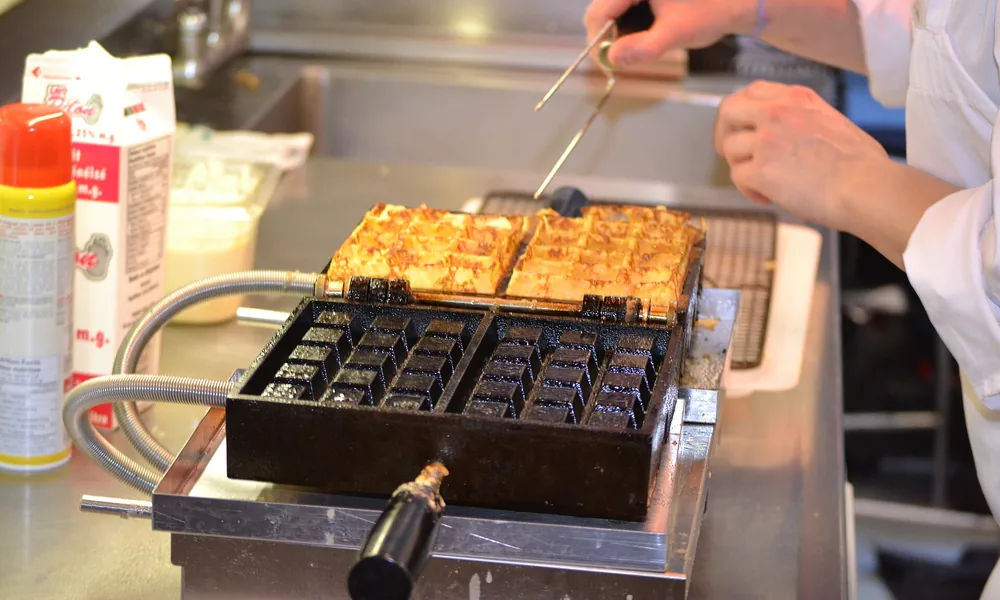
The first reason was the mess. A waffle maker turns one bowl of batter into a kitchen covered in it: batter drips over the sides, it cooks onto the plates, and the steam carries it onto the counter, the floor, and the cook. A breakfast that took ten minutes to cook took twenty minutes to clean up after, and the plates were awkward enough that washing them felt like a chore every single time. I counted once — the plates, the drip tray, the counter, and the floor, against one pan for the pancakes I make now. The story of why I stopped using a blender is the same shape: a machine that makes breakfast and then makes a mess of the kitchen.
The waffles were never that good
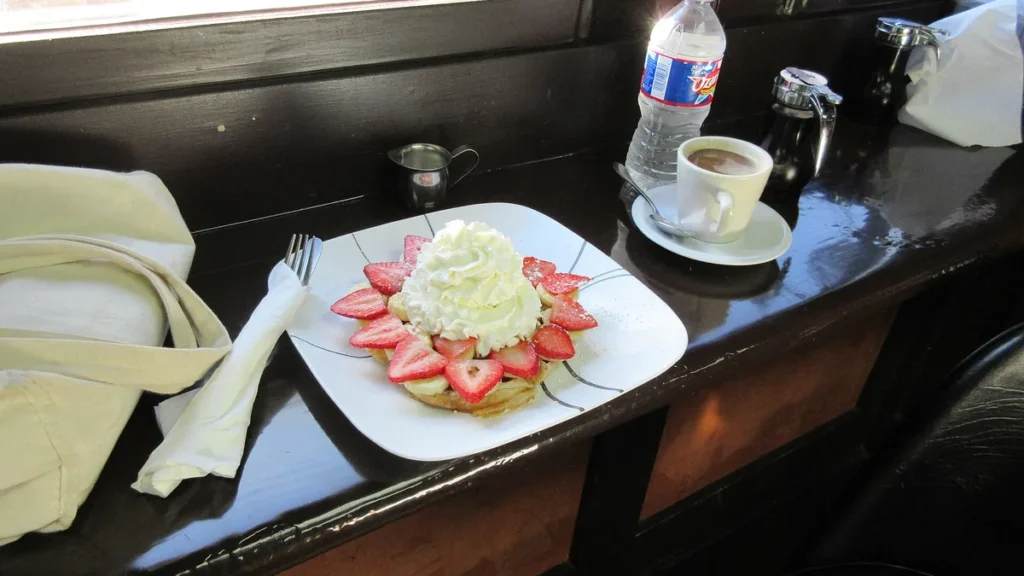
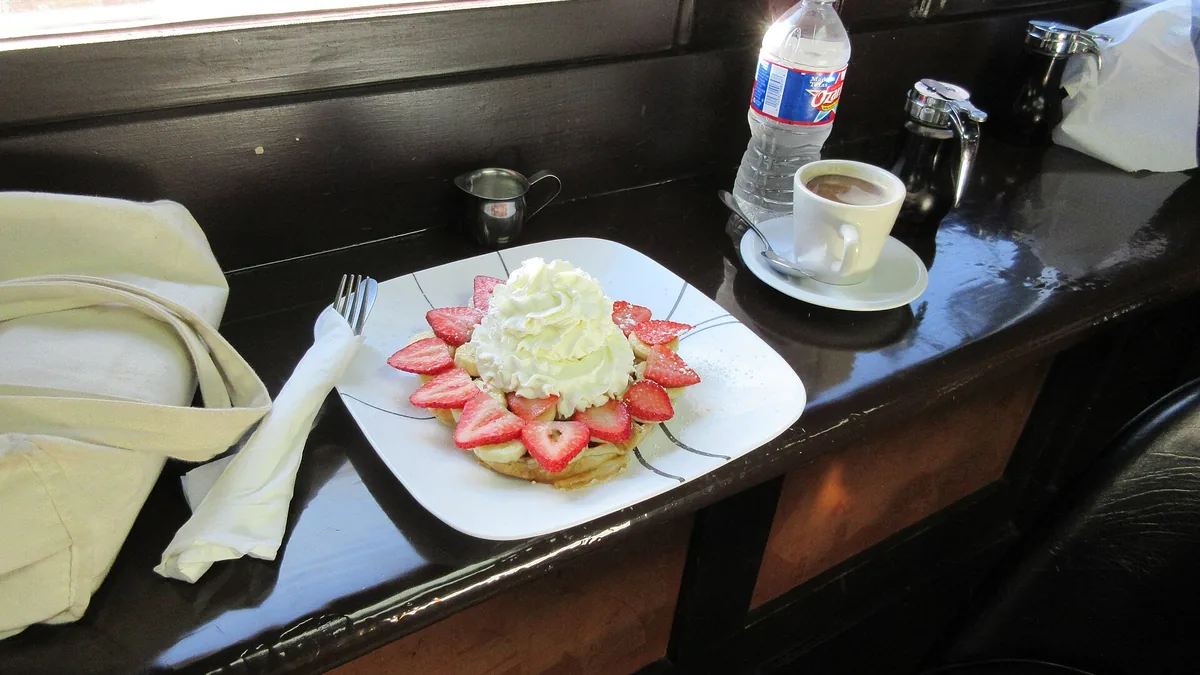
The second reason was the waffles themselves. The machine promised crisp, golden waffles, and what it made was soft, pale, and a little soggy in the middle — good enough for a child, not good enough for an adult who has eaten a real waffle. The café down the road makes a waffle worth $8, and mine was worth nothing, because the machine could not get hot enough to crisp the outside without burning the inside. I was making a worse breakfast, more slowly, with more cleaning — and calling it a treat. The best ways to save money on groceries all start the same way: buy fresh ingredients and treat them properly, and a machine that turns good batter into a pale waffle is not helping.
It only did one thing
The third reason was the space it took for a single job. A waffle maker does one thing — waffles — and it takes up a whole cupboard shelf to do it three times a year. A frying pan does a dozen things: pancakes, eggs, toast, and grilled sandwiches, all in the same pan, and it lives on the stove where it is always ready. My kitchen works better with a pan that does everything than a machine that does one thing badly, and the cupboard shelf it freed now holds the things I actually use.
The money
The fourth reason was the money. The waffle maker cost $39, and then came the extras: the special batter mix at $6 a box, the syrup at $8 a bottle, and the berries at $5 a punnet — $18 of extras for every single breakfast. A pan of pancakes costs $2 of flour, milk, and eggs, and tastes better. The waffle maker was the cheapest machine in my kitchen and the worst deal, because it made the most expensive breakfast I ever cooked at home.
What I cook instead
For slow mornings, I make pancakes in a pan: one bowl, one pan, ten minutes, and a breakfast that tastes better than any waffle the machine ever made. For a treat, I buy a waffle from the café down the road — $8, crisp, golden, and eaten without a single thing to wash. Nothing I made in the waffle maker needed a waffle maker; it needed a pan, a bowl, and ten minutes. The breakfasts are better, the kitchen is cleaner, and the only machine left on the counter is the kettle.
What changed after a year
A year without the waffle maker, and three things have changed. First, my weekend breakfasts taste better — the pancakes are crisp at the edges, soft in the middle, and made with ingredients I already have. Second, my kitchen is easier: the cupboard shelf is free, there is no batter baked onto any plates, and the washing-up pile is smaller every single weekend. Third, and most surprising, I cook breakfast more. Without the machine to drag out and clean, I reach for the pan without thinking, and the slow mornings that used to feel like a production now feel like ten quiet minutes with a bowl and a pan. The waffle maker promised a café breakfast at home. The year without it gave me a better breakfast — and a kitchen that smells of pancakes, not of burnt batter.
The bottom line
I do not miss the waffle maker. I miss the idea of it — the crisp, golden waffles on a slow Saturday morning, made in my own kitchen. The real machine made pale, soggy waffles, covered the kitchen in batter, and took up a whole cupboard shelf for three breakfasts a year. If yours is sitting in a cupboard, try a month with a pan. The story of why I stopped using a food processor taught me the same lesson: the machine you think you need is usually the machine you can stop paying for, and the pan you already own does the job better.
Frequently asked questions
Do you still eat waffles?
Yes — from the café down the road, where a waffle costs $8 and is crisp, golden, and eaten without a single thing to wash. At home I make pancakes, which taste better, cost $2, and leave one pan to wash. The café waffle is a treat; the home pancake is the everyday breakfast.
What did you do with the waffle maker?
I gave it to a neighbour whose children love waffles and use it every weekend. It cost me nothing to pass on, and they use it more in a month than I did in three years — which is a better ending for it than my cupboard.
Was the waffle maker really that expensive?
The machine was $39, but the real cost was the extras: the batter mix, the syrup, and the berries added $18 to every single breakfast. A pan of pancakes costs $2 of flour, milk, and eggs, and tastes better. The machine was cheap and the breakfast was dear.
Are pancakes really as good as waffles?
For a home breakfast, yes — and often better, because the pan gets hot enough to crisp the edges while the middle stays soft. A waffle maker that cannot get hot enough makes a pale, soggy waffle, and the pan makes a pancake worth eating. The pan wins the morning outright.

Keep what speaks to you.
Leave room for your own perspective.