A course creator makes money from something they already know: a skill, a craft, or a subject they can teach. Record the lessons once, sell them a thousand times, and the course earns while you sleep — a spreadsheet, a language, a recipe, a workout, a way of writing. The best courses are not made by experts with degrees; they are made by ordinary people who are one step ahead of their students and honest about it.
This guide shows how to make money as a course creator, step by step: picking a topic people will pay for, recording lessons that hold attention, and selling the course to the readers who need it most.

Step 1: Pick a topic people already pay to learn
The first step is picking a topic people already pay to learn. The best topics are the ones where the student has a problem and a deadline: passing an exam, learning a skill for a job, fixing something broken, or starting a business. “How to cook” is too wide; “how to bake sourdough at home” is a topic people pay for. “How to use a spreadsheet” is too wide; “how to build a budget spreadsheet for a small business” is a topic people pay for. Ask yourself what you know that took you months to learn — and what you wish someone had taught you in a weekend. That is your course. The guide to making money by self-publishing starts the same way: one problem, one reader, and a promise the book or course can keep.
Step 2: Plan ten short lessons, not one long course
The second step is planning ten short lessons, not one long course. Students finish short lessons and quit long ones, so each lesson should teach one thing in ten to fifteen minutes: a single skill, a single recipe, a single spreadsheet. Write the lesson titles first — ten titles that read like a promise — and record them in order, so the student can see the path from the first lesson to the last. A course with ten lessons feels finishable; a course with fifty feels like a second job. The guide to making money as a video editor makes the same point about attention: short, clear, and finished beats long, clever, and abandoned.
Step 3: Record with the phone you already own
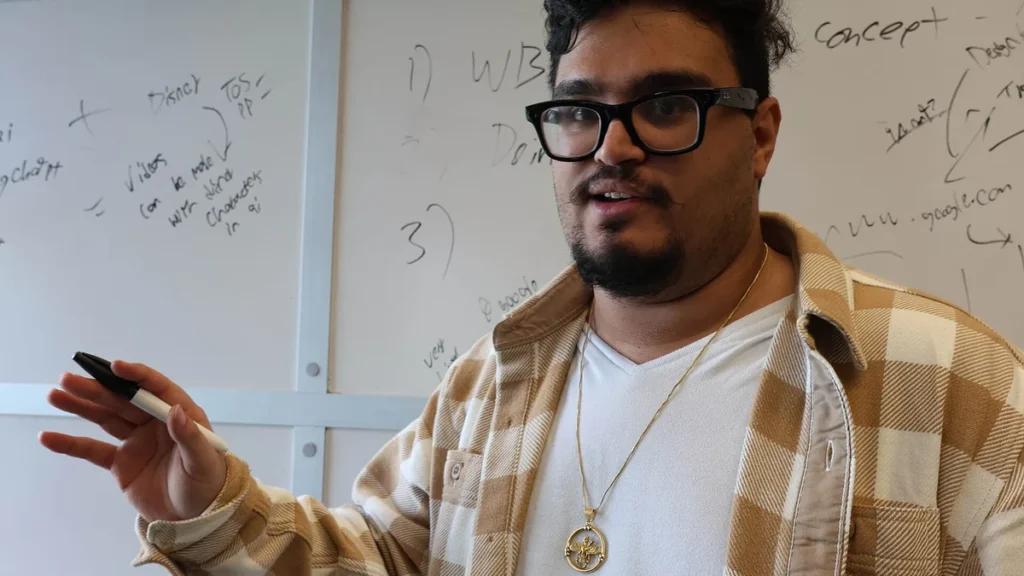
The third step is recording with the phone you already own. A modern phone records video good enough to sell, a quiet room is a studio, and a $30 microphone makes the sound clear enough for students to follow. Record one lesson at a time, standing at a whiteboard or sharing your screen, and speak the way you would teach a friend — slowly, clearly, and with examples. The students do not care about the camera; they care about whether they can follow the lesson and do the thing themselves. The best ways to make money with your laptop all start the same way — the tools you already own, a skill you already have, and a student who needs it today.

Step 4: Price it like a book, not a university
The fourth step is pricing the course like a book, not a university. A first course should cost $29 to $99 — cheap enough that a stranger will buy it on trust, and dear enough that the buyer takes it seriously. A $49 course that sells 100 copies earns $4,900, and the same course can keep selling for years without a single new recording. Add a launch price to reward the first buyers, offer a money-back guarantee so the risk is yours and not theirs, and raise the price only when the reviews prove the course is worth more. The course that sells is the one priced for the student who needs it, not the one priced for the creator’s ego.
Step 5: Sell it where your students already are
The fifth step is selling the course where your students already are. Put it on Udemy or Skillshare for the students who browse for courses, and on your own site or Gumroad for the students who already follow you — the marketplaces bring the buyers, and your own site keeps the full price. Share one free lesson on YouTube, answer questions in the comments, and let the free lesson sell the paid course. The course creators who make real money are the ones whose students finish the course and tell their friends, because a finished course is the best advert a course can have.
Three mistakes that kill a course
Recording before planning
A course recorded without a plan is a ramble. Write the ten lesson titles first, then record — the plan is the course, and the recording is just the voice.
Making it too long
A fifty-lesson course feels like a second job and students quit by lesson six. Ten short lessons, each teaching one thing, finish — and finished courses get reviews.
Pricing it too high
A $499 first course scares off the strangers who have never heard of you. Start at $29 to $99, earn the reviews, and raise the price only when the course has proved itself.
The bottom line
A course creator makes money by teaching what they already know, once, and selling it a thousand times. Pick a topic people already pay to learn, plan ten short lessons, record them with the phone you own, price the course like a book, and sell it where your students already are. The first course is the hardest — the tenth lesson, the first sale, the first review — and the second course is easier, because the first one taught you how. Record the first lesson this week, and keep going: the students who finish your course are the ones who will buy the next one.
Frequently asked questions
How much money can a course creator make?
A $49 course that sells 100 copies earns $4,900, and the same course can keep selling for years without a single new recording. Working course creators earn $500 to $5,000 a month from one or two courses, and the top creators earn far more — but the first $500 is the hardest and the most important.
Do I need to be an expert to make a course?
No — you need to be one step ahead of your students and honest about it. The best courses are made by ordinary people who learned something the hard way and can teach it clearly, not by experts with degrees who cannot remember what it felt like to be a beginner.
How long does it take to make a course?
A ten-lesson course takes two to four weeks to plan and record, working a few hours a week. The planning takes longer than the recording — write the lesson titles first, and the recording follows in a weekend.
Where should I sell my course?
Udemy and Skillshare bring the buyers who browse for courses, and Gumroad or your own site keeps the full price from the students who already follow you. Start on a marketplace for the audience, and add your own site once the reviews prove the course is worth it.

Keep what speaks to you.
Leave room for your own perspective.