A private chef cooks in someone else’s kitchen — for a family that wants dinner without the work, a couple celebrating an anniversary, or a holiday house full of guests who would rather eat well than eat out. It is one of the best-paid ways to make money from cooking, because the client is buying an experience, not just a meal, and the chef who delivers it gets paid like it.
This guide explains how to make money as a private chef: what the work actually is, who hires one, what to charge, and how to build a client list that books again and again.
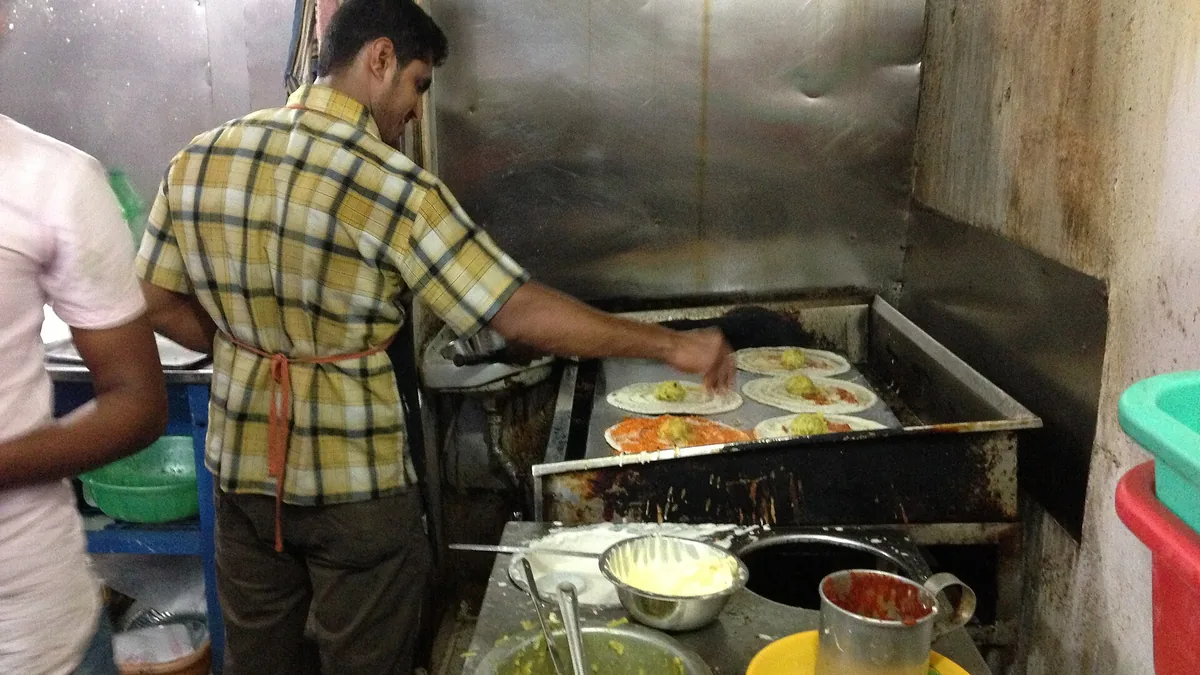
What a private chef actually does
A private chef plans, shops for, cooks, and serves meals in a client’s home. The work comes in three shapes. Regular family cooking is the steadiest: two or three evenings a week in one household, cooking the week’s dinners and leaving the kitchen clean. Dinner parties are the best-paid: a single evening for six to twelve guests, with a menu agreed in advance and a price to match. Holiday cover is the third: a week in a rented house, cooking for a family on holiday who want restaurant food without leaving the garden. Most private chefs do a mix of all three, and the best ones are as good at talking to guests as they are at cooking.
Who hires a private chef
The clients come from three directions. Busy families are the biggest group — two working parents who want good food on the table and no washing up, and who will pay $300 to $500 a week for it. Celebrations are the second: birthdays, anniversaries, and proposals, where the meal is the event and the budget is generous. Holiday houses are the third and the steadiest in summer: a family renting a house for a week will hire a chef for three or four evenings, and the same families book the same chef every year. The guide to making money as a chef covers the restaurant version of this work — and many restaurant chefs go private once they want better hours and better pay.
What training you need
You do not need a culinary degree, but you do need to cook well under pressure in a kitchen that is not yours. The respected route is a cooking qualification or a few years of professional kitchen work, plus a food hygiene certificate and insurance — both of which clients will ask about. Beyond the paper, you need a small set of reliable dishes you can cook anywhere: a menu of ten dishes you can make blindfolded, in any kitchen, with whatever the local shops sell. Clients do not ask for a certificate first — they ask to taste your food, and then they ask whether you can cook it in their kitchen. A tasting evening for a few local families answers both questions before the first booking.
What to charge
Most private chefs charge $50 to $100 an hour, or price by the event: $400 to $800 for a dinner party for eight, $1,500 to $3,000 for a week of holiday cooking. Regular family work pays differently — $300 to $500 a week for three evenings, paid monthly, which keeps the income steady. Price the food separately from the cooking, so a client who wants lobster pays for lobster and a client who wants pasta pays for pasta. Start at the lower end while you build testimonials, and raise your rates after your first ten clients. The guide to making money with a food stand makes the same point about pricing: the fee should reflect the experience, not the ingredients.
How to find clients
Word of mouth is the best source of clients, and it starts with one good dinner party. A guest who eats well tells a friend, and a friend who books you tells two more — and private chefs live or die on that chain. Holiday rental owners are the next best source: an owner who trusts you will recommend you to every family that rents the house, and one good relationship can fill a summer. Online, short videos of you cooking one dish — a sauce, a roast, a dessert — bring in people who found you at midnight and booked by morning. Answer every enquiry the same day, because a person planning a party does not wait.
Keeping clients for years
The money in private cheffing is not in the first dinner party — it is in the family who books you every Friday for two years. Keep them by remembering what they like: the dish the children ask for, the allergy you always work around, the wine they prefer with the fish. Change the menu with the seasons so the food never gets boring, and leave the kitchen cleaner than you found it — the client who comes home to a clean kitchen books again. A full diary of regular families is worth more than a full diary of one-off parties, and it is a much calmer way to earn.
The bottom line
Private cheffing pays because every busy family wants good food without the work, and the chef who cooks it in their kitchen is selling an experience, not just a meal. Start with a menu of ten reliable dishes, price by the event, build one good relationship with a local holiday rental owner, and keep your clients by remembering what they like. The best ways to save money on groceries all start the same way: buy fresh, cook simply, and waste nothing — and a private chef who cooks that way is a chef clients keep. Your cooking is the product — cook it well, in their kitchen, and it will pay for years.
Frequently asked questions
Do I need a culinary degree to be a private chef?
No. A cooking qualification or professional kitchen experience is the usual route, plus a food hygiene certificate and insurance. Clients judge you by your food and your manner in their kitchen, not by a degree certificate.
How much can a private chef earn?
A part-time chef with two regular families can earn $2,000 to $4,000 a month. A full-time chef with a full diary of parties, families, and holiday weeks can earn $5,000 to $8,000 a month, mostly from events priced at $400 to $800 each.
Do I need my own kitchen equipment?
No — you cook in the client’s kitchen with their equipment, and you bring only your knives and the small tools you trust. A good knife roll is the one thing every private chef carries, and it is the cheapest investment in the business.
What is the difference between a private chef and a personal chef?
Very little in practice. A private chef usually works for one family or household, while a personal chef cooks for several clients through the week. Most chefs do both, and the clients rarely care what the title is — they care whether dinner is good.

Keep what speaks to you.
Leave room for your own perspective.