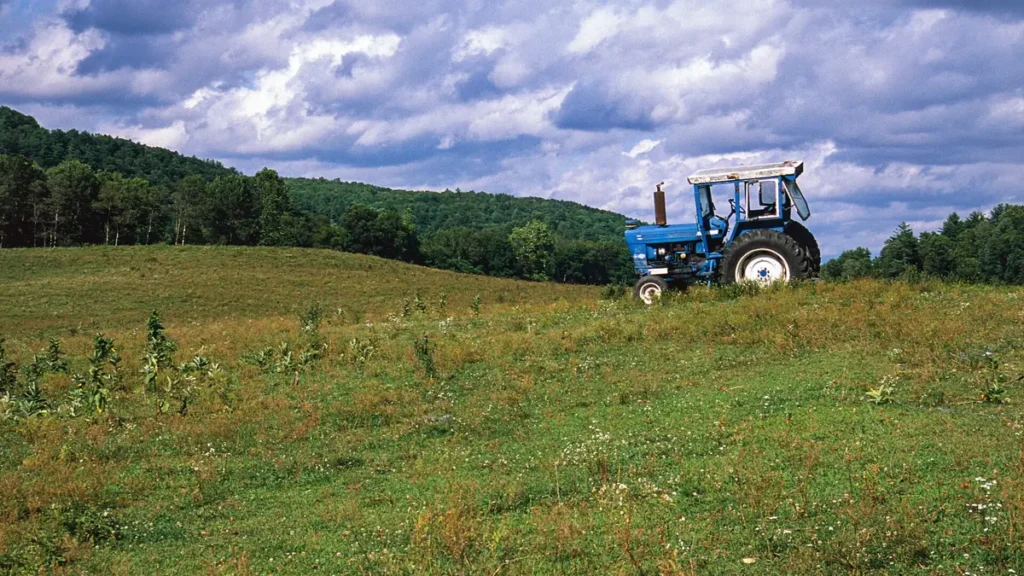
A tractor is an expensive machine to own and a valuable one to hire. Farmers, landowners, and builders all need tractor work done, and most of them would rather pay someone who already owns the machine than buy one themselves. If you have a tractor — or you are thinking of buying one — here are the best ways to turn it into income.
One warning first: a tractor is heavy machinery, and it can kill. Get proper training, never let children ride along, and get insurance before you take a single paid job. The money is real, but only if you take the machine seriously.
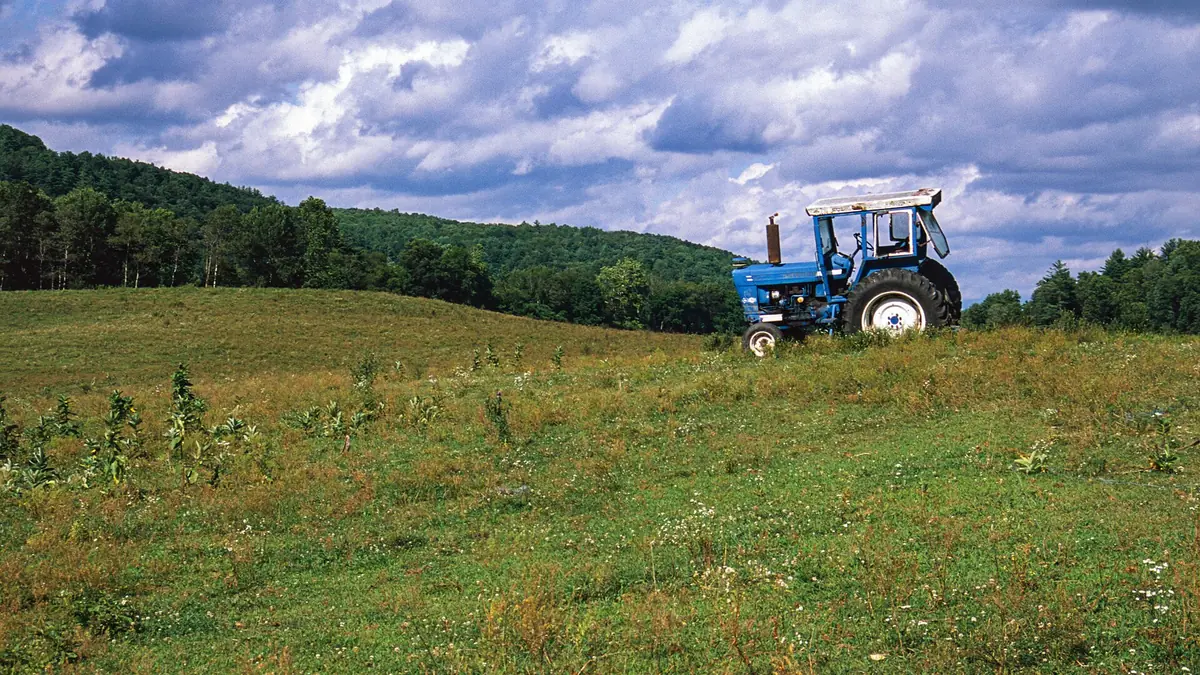
1. Ploughing and tilling for smallholders
Smallholders and allotment owners pay $60 to $120 an hour for ploughing and tilling, and the work comes every spring and autumn without fail. A compact tractor with a rotavator can turn a weedy plot into plantable ground in an hour, and the owners will book you again next season if the job is tidy. Price by the job once you know how fast you work — a fixed price per plot is easier for the customer to say yes to than an hourly rate that keeps ticking.
2. Mowing and brush cutting
Overgrown fields, verges, and paddocks all need mowing, and a tractor with a flail mower clears in an hour what would take a person a week with a strimmer. Mowing pays $50 to $90 an hour, and the jobs are steady all summer: councils, estates, and horse owners all need it done regularly. The best ways to make money with a chainsaw work the same way — the land creates the job, and the person with the machine gets paid. Always walk the ground before you quote: hidden wire and rocks break mower blades fast.
3. Hauling and towing
Farmers and builders pay for hauling: moving hay, timber, soil, and rubble from one place to another. A tractor with a trailer earns $50 to $80 an hour, and the work is simple and steady. The trick is to be the reliable one — turn up when you said you would, and the farmer will call you first next time. Keep a log of every job and every hour, because hauling work spreads across the year and it is easy to lose track of what you are owed.
4. Snow clearing in winter
A tractor with a plough or a snow blower is worth its weight in gold after a heavy snowfall. Councils, businesses, and homeowners pay $80 to $150 an hour for snow clearing, and the work comes in bursts — three days of frantic calls, then nothing for a month. It is the best-paying tractor work there is, and the hardest: you work through the night, in the worst weather, when everyone else is staying home. Keep the machine fuelled and ready from November, because the first snow never gives any warning.

5. Fence work and post driving
Farmers pay $40 to $70 an hour for fence work, and a tractor with a post driver turns a two-day job into half a day. Putting in posts, pulling out old ones, and clearing the fence line are all jobs a tractor does better than a person. The guide to making money as a caretaker shows the same market from the other side: landowners pay for the person who turns up, does the job properly, and does not need chasing. Quote the whole fence, not the hour — the customer wants to know what the job costs, not how long it takes.
6. Renting the tractor out with a driver
The simplest model of all is hiring yourself out with the machine: a farmer, a builder, or a landowner pays $300 to $500 a day for you and your tractor, and you do whatever the day needs. It is steady, it is simple, and it needs no advertising beyond a local listing and a few good reviews. The guide to making money as a park ranger is a different job in the same world — land, machines, and weather, and the pay goes to the person who shows up. Keep the tractor serviced and the tyres good, because a breakdown on a paid day costs you the day and the customer.
7. Selling the work, not the machine
The last way to make money with a tractor is the one most owners miss: sell the service, not the machine. A tidy website, a few photos of finished jobs, and a clear price list will bring in more work than a sign on the gate. Most tractor owners rely on word of mouth and wonder why the diary is empty in February. The work is there all year — ploughing in spring, mowing in summer, hauling in autumn, snow in winter — and the owner who markets all four seasons is the owner who earns all year.
The bottom line
The best tractor income is a mix across the seasons: ploughing in spring, mowing in summer, hauling in autumn, and snow clearing in winter. Start with the safest work, get the training and the insurance, and let the testimonials build. A tractor is a big investment, but in careful hands it is also one of the steadiest ways to turn a machine into a living.
Frequently asked questions
How much does it cost to start a tractor business?
A used compact tractor costs $8,000 to $20,000, attachments another $2,000 to $5,000, and insurance around $800 a year. Most people start with a tractor they already own for their own land and add paid work around it — the machine pays for itself in two to three seasons.
Do I need a licence to drive a tractor for money?
It depends where you live, but most places require a driving licence that covers tractors on public roads, plus training for the attachments you use. Commercial work usually needs business insurance on top. Check your local rules before you take a paid job on the road.
What is the most profitable tractor work?
Snow clearing pays the most per hour, and ploughing pays the most per season. Mowing is the steadiest — lower pay per hour, but the jobs come every week all summer and the customers book again next year.
Can I make money with a small tractor?
Yes — a compact tractor is often better for paid work than a big one, because it fits through gates, works on small plots, and costs less to run. Most paid tractor work is on smallholdings and gardens, not big farms, and the compact machine is the one that fits.

Keep what speaks to you.
Leave room for your own perspective.