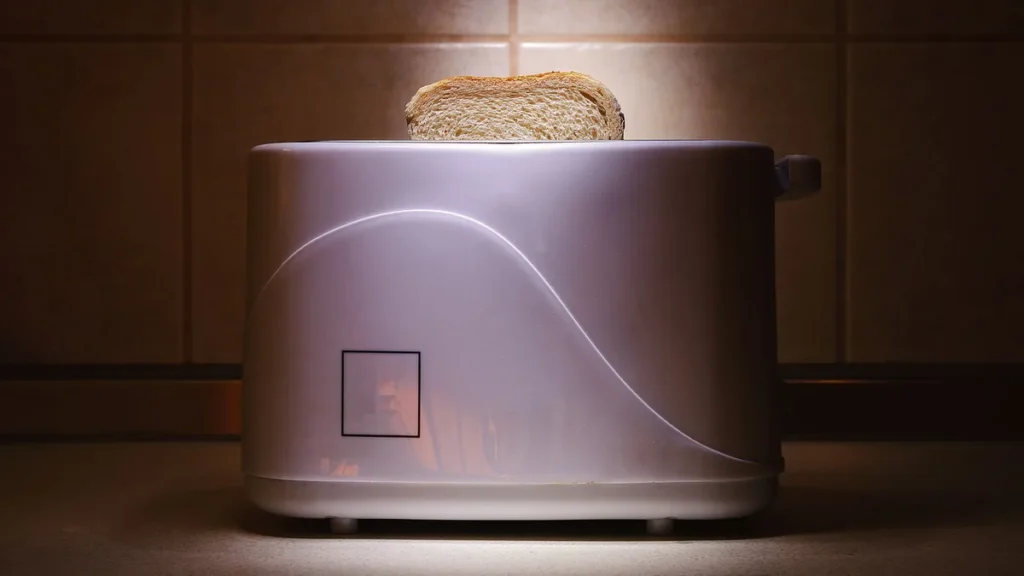
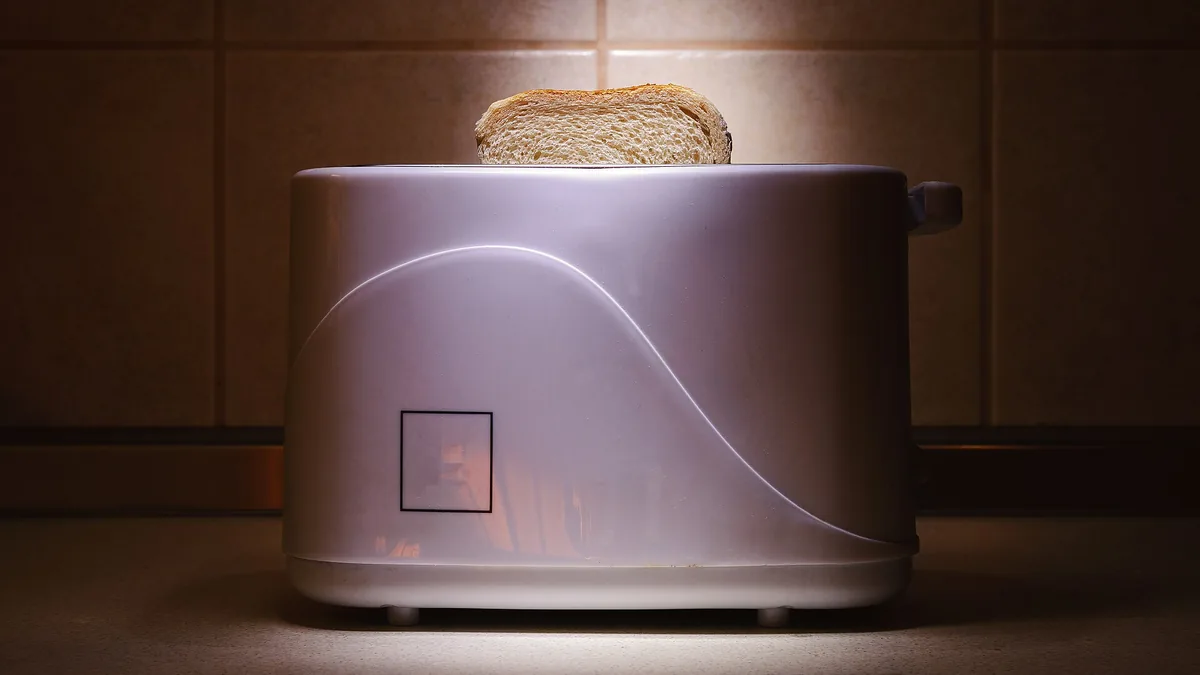
My toaster lived on the kitchen counter for four years, and in that time it made two things reliably: burnt toast and crumbs. Everything else — the even golden slice on the box, the quick breakfast, the easy mornings — was a promise it never quite kept. So one morning I unplugged it, put it in the cupboard, and never took it out again. Breakfast got better, the kitchen got cleaner, and I have not missed it once.
This is why I stopped using a toaster, what it was really costing me, and what I do instead for the toast I still eat every day.
It never toasted evenly
The first reason was the toast itself. No matter what I did, one side came out pale and the other came out dark, and the middle of the slice stayed soft while the edges went hard. I tried different breads, different settings, different toasters — I went through three of them in four years — and every single one had the same fault: the heat never spread evenly. The story of why I stopped using a blender is the same shape: a machine that does one job badly, every single day, until you stop asking it to.
The crumbs
The second reason was the crumbs. A toaster sheds crumbs everywhere — on the counter, under the toaster, inside the toaster, and eventually on the floor, where they stick to bare feet and attract ants in summer. The crumb tray was supposed to solve this, and it did not: it was too small, too fiddly, and always full, and emptying it scattered half the crumbs back onto the counter anyway. I cleaned around that machine more than I cleaned anything else in the kitchen, and the crumbs always came back the next morning. A breakfast appliance should not create a cleaning job every day.
The burnt smell
The third reason was the smell. Burnt toast does not smell like breakfast; it smells like a small fire, and it lingers for an hour, soaking into curtains and clothes. The smoke alarm went off twice — not because anything was burning, but because the toaster was doing its normal job at a setting one notch too high. I started standing next to it, watching the bread, which turned a two-minute breakfast into a supervised task. A machine that needs watching is not saving you time; it is borrowing it.
The money
The fourth reason was the money. Three toasters in four years cost $25, $32, and $41 — $98 in total — and each one failed the same way, with one slot dying first and the other following a month later. Then there was the bread: the sliced white loaves the toaster was built for cost $3.50 a loaf, against $2.80 for the wholemeal loaf I buy now, which I eat fresh or grilled. Over a year, the difference is roughly $180, and the toast I eat now tastes better. The best ways to save money on utilities all start the same way: stop paying to run a machine that does a worse job than the pan you already own.
What I use instead
For toast, I use a frying pan: a slice of bread, a dry pan, two minutes a side, and the toast comes out evenly golden, with a crisp outside and a soft middle. For a bigger breakfast, I use the grill — four slices at once, no crumbs on the counter, and nothing to clean except the pan. For the mornings when I want something quick, I eat the bread fresh with butter and jam, which needs no machine at all. Nothing I made in the toaster needed a toaster; it needed heat and a flat surface, and the pan does both better.
What changed after a year
A year without the toaster, and three things have changed. First, my breakfasts taste better — pan toast is evenly golden, grilled toast feeds the whole table at once, and fresh bread with butter needs no machine at all. Second, my kitchen is cleaner: no crumbs on the counter, no crumb tray to empty, no burnt smell soaking into the curtains, and the smoke alarm has stayed silent for twelve months. Third, I stopped buying the sliced white loaves the toaster was built for, and the $180 a year I saved buys better bread, better butter, and better jam. The toaster promised a quick, easy breakfast. The year without it actually delivered one — quieter, cleaner, cheaper, and better tasting.
The bottom line
I do not miss the toaster. I miss the idea of it — the quick, easy breakfast on the box, golden and effortless. The real toaster burnt one side, shed crumbs everywhere, and set off the smoke alarm. If yours is gathering dust, try a month without it. The story of why I stopped using a microwave taught me the same lesson: the machine you think you need is usually the machine you can stop paying for, and the pan you already own does the job better.
Frequently asked questions
Do you still eat toast?
Yes — every day. Pan toast takes two minutes a side and comes out evenly golden, and the grill does four slices at once for the whole table. The toast is better than anything the toaster ever made, and there is nothing to clean except the pan.
What did you do with the toaster?
It is in the cupboard, in case a guest ever wants it. Nobody has asked for it in a year — which tells me everything I need to know about how much it was actually used.
Was the toaster really that expensive?
Three toasters in four years cost $98, and the sliced white bread they were built for added about $180 a year over the wholemeal loaf I buy now. The machine was cheap; the habit it built around itself was not.
Is pan toast really faster than a toaster?
It is about the same — two minutes a side — but the pan does not need watching, does not set off the smoke alarm, and toasts the whole slice evenly. The toaster was faster on paper and slower in practice, because I spent the saved minute cleaning crumbs. If you count the cleaning, the pan wins the morning outright.

Keep what speaks to you.
Leave room for your own perspective.