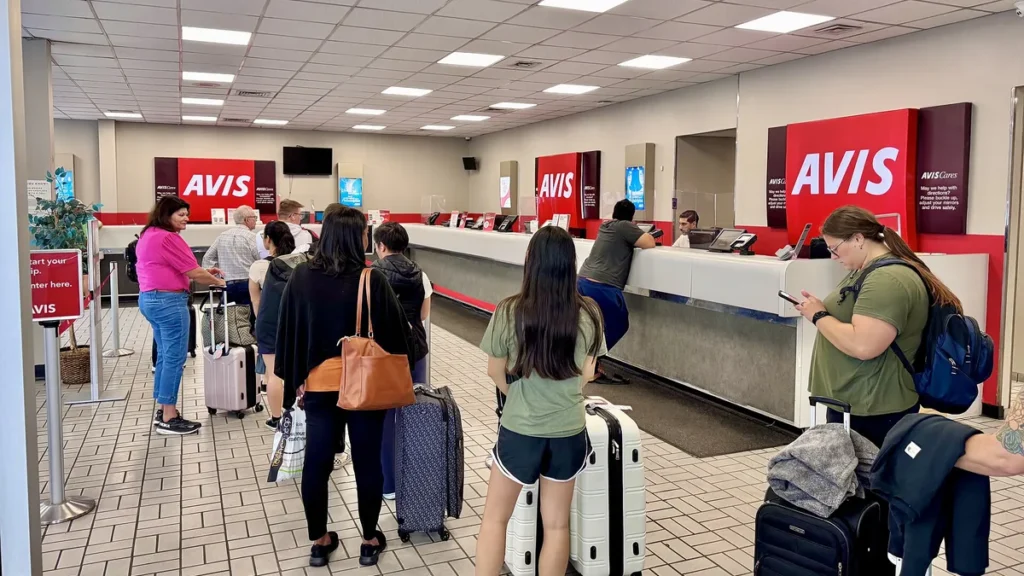
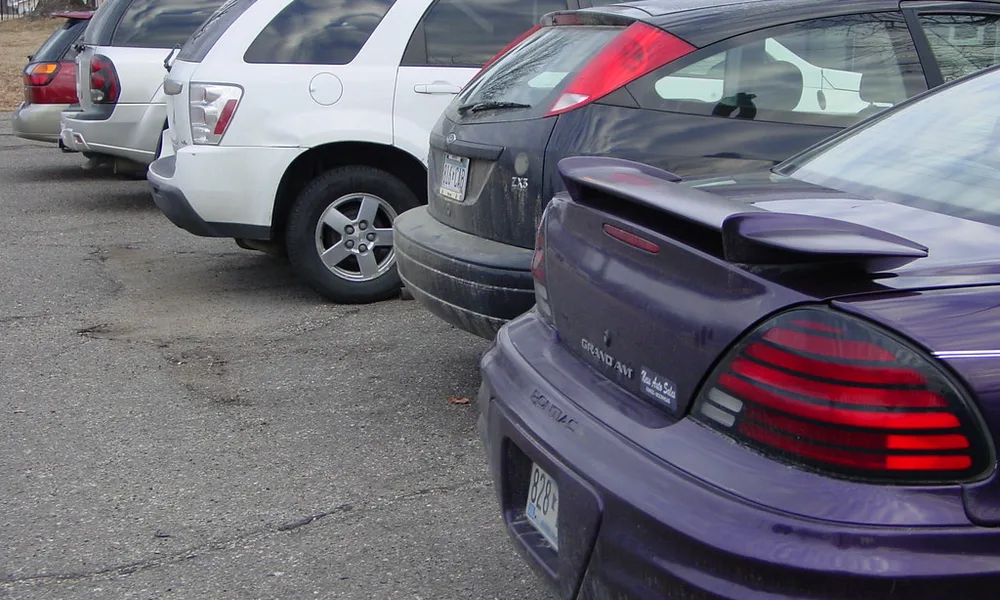
Most cars spend more than 90 percent of their lives parked, losing value and costing money. Renting yours out turns that idle time into income, and you do not need a fleet to start.
Other people pay to use your car when you do not need it. Peer-to-peer rental platforms connect owners with drivers, handle the booking and payment, and usually provide insurance. You set the price and the available days, then hand over the keys.
Done well, a single car can bring in a few hundred dollars a month. Done carelessly, it can bring repair bills instead. This guide covers the models, pricing, insurance, and costs.
Key takeaways
- Peer-to-peer platforms let you rent out your car by the day, with booking, payment, and insurance included.
- Reliable, fuel-efficient cars in busy areas earn the most.
- Price from comparable local listings, not from your loan payment.
- Your normal car insurance usually does not cover paid rentals, so check the platform cover first.
- Rental income is taxable in most places, so keep records of every payment and cost.
How Renting Out Your Car Actually Works
You list your car on a peer-to-peer rental platform with photos, a description, and the days it is available. A driver nearby books it for a day, a weekend, or longer. You meet the driver or use a lockbox for handover and check the car together. When the trip ends, the car comes back, you confirm its condition, and the platform pays you, keeping a cut of usually 15 to 35 percent.
The Two Main Ways to Rent Out a Car
Peer-to-peer rental is the most common route. You keep your own car, list it when it suits you, and block out the days you need it yourself. It works best with a second car or a work-from-home routine. The second route is buying a car specifically to rent out, listed almost full time. It can earn more, but it needs a loan or a lump sum up front.
What Kind of Car Earns the Most
The cars that earn the most are rarely the flashiest. Renters want a clean, reliable car that is cheap to run and easy to drive: small hatchbacks, compact SUVs, and family sedans with good fuel economy, preferably automatic. Location matters as much as the car: one parked near an airport, station, or university will be booked far more often than the same car in a quiet suburb.
How to Price Your Car So It Gets Booked
Search your platform for cars like yours nearby: same size, similar age, similar condition. Start in the middle of that range, or slightly below it while you build your first reviews. A new listing needs a reason for a renter to take a chance on it, and price is the simplest one. Once you have five good reviews, raise the price in small steps. Weekends and holidays are worth more than weekdays.
Insurance: The Part You Cannot Skip
A standard personal policy usually does not cover your car while someone else is paying to use it. If a renter crashes and your insurer finds out it was a paid rental, they can refuse the claim entirely. Most peer-to-peer platforms provide their own insurance for the rental period. Read the actual policy and know your deductible first. Tell your own insurer too, and check whether your loan or lease allows paid rental.
Peer-to-Peer Platforms vs Renting It Yourself
The two routes compare as follows.
| Factor | Peer-to-peer platform | Renting it yourself |
|---|---|---|
| Finding renters | Built-in marketplace | Your own advertising |
| Fee | Platform takes 15 to 35 percent | No fee, you pay for ads |
| Insurance | Cover during each rental | You arrange your own cover |
| Payments | Handled by the platform | You chase payment yourself |
| Disputes | Platform support | Settled with the renter |
| Control | Platform rules apply | Full control |
For a first car, the platform wins on safety and simplicity.
The Real Costs Behind the Rental Income
Rental income is not profit. Fuel is usually the renter’s job, but cleaning, wear, and extra mileage are yours: a rented car needs cleaning more often, tyres wear faster, and servicing comes around sooner. Work out your real monthly cost before you set a price: loan or lease, insurance, tax, servicing, cleaning, and the platform fee, divided by the days you expect it to be rented. A simple budget for your rental income keeps the costs visible.
Getting Your Car Ready for Renters
First impressions decide whether a listing gets booked, and photos decide first impressions. Clean the car inside and out, remove personal items, and photograph it in daylight with the doors and boot open, showing the dashboard, seats, boot, and mileage. Then take dated photos of its condition before every trip. This takes two minutes and it is your only evidence if a renter returns the car with a new scratch.
Handling Renters, Damage, and Disputes
Most renters treat your car well. The few who do not are handled by process, not by argument. Screen each booking by checking the renter’s reviews, licence, and trip details before you accept. When the car comes back, inspect it before you confirm the return. If you find damage, photograph it and report it the same day. Damage claims have a deadline, usually 24 to 48 hours, and late reports are often refused.
What to Do With the Money You Earn
Rental income feels like free money because the car was already sitting there. Treat it as business income instead: set aside a share of every payout for tax, since the bill arrives later than the money, and keep a record of every booking, payout, and cost. Once costs and tax are covered, decide what the rest is for. Learning how to set financial goals that actually stick helps the extra income build something lasting, and the best ways to invest for beginners are a sensible first step.
Before Your First Booking: A Six-Point Checklist
Check these before your first renter.
- Car listed with honest daylight photos.
- Price set from comparable local listings, with weekend rates.
- Platform insurance checked, including your damage deductible.
- Your own insurer and loan provider told about the rental plan.
- Car cleaned, serviced, and photographed before each trip.
- Records started for payouts, costs, mileage, and tax.
Frequently Asked Questions
How much can I earn by renting out my car?
It depends on the car, the location, and the days available. A popular car in a busy city can earn a few hundred dollars a month.
Do I need special insurance to rent out my car?
Your normal policy usually does not cover paid rentals. Most platforms insure each rental period.
What happens if a renter damages my car?
Report it within the deadline, usually 24 to 48 hours, with photos from before and after the trip.
Can I rent out a car I still owe money on?
Often yes, but some loan and lease agreements forbid paid rental.
How do renters get the keys?
Most owners meet the renter in person at first, then use a lockbox or keyless entry.
Is renting out my car worth it if I only have one car?
It can be, if there are days you genuinely do not need it. Block out the days you need it.
Bottom line
Renting out your car works best when you treat it as a small business, not as free money. Choose a reliable car, price it from real local listings, understand the insurance first, and keep records of every dollar in and out.
Note: Rental, insurance, and tax rules vary by country and city. Check the rules where you live before you list your car.

Keep what speaks to you.
Leave room for your own perspective.