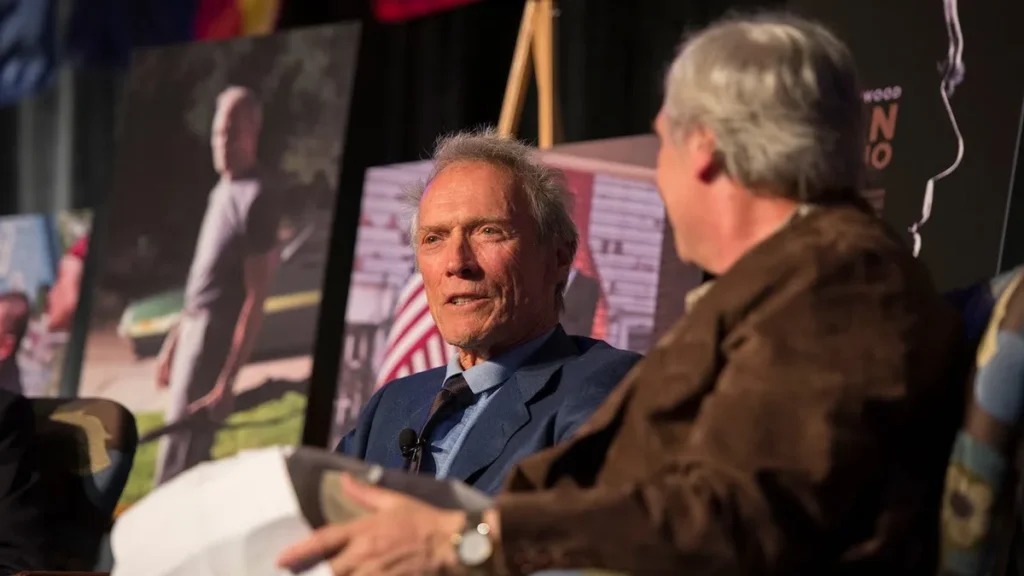
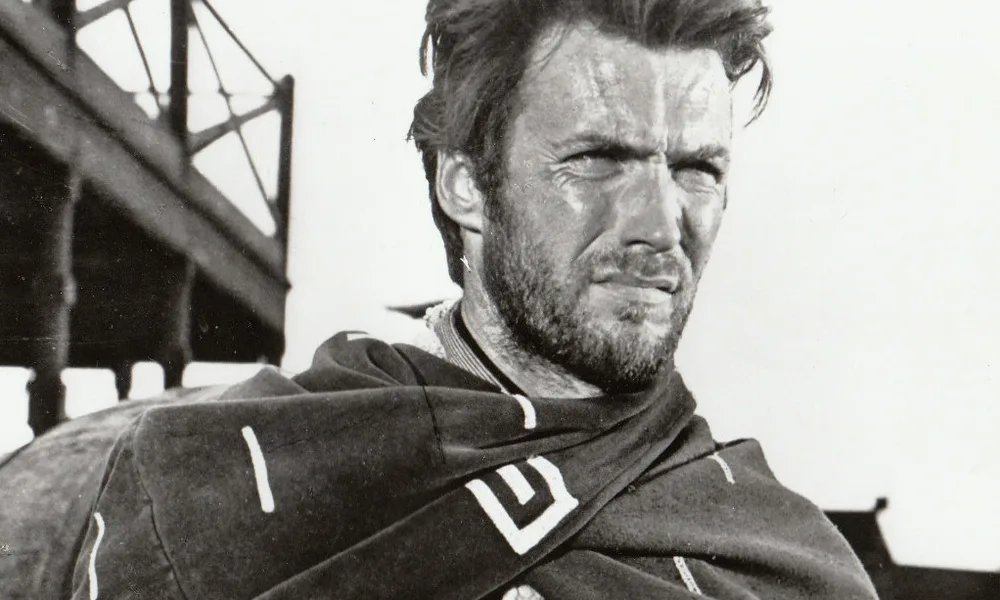
Clint Eastwood did not become one of the richest men in Hollywood by chasing the biggest paycheque. He did it slowly, over seven decades, turning a squint and a poncho into a global brand, then taking control of the business behind the camera.
Today, Eastwood is 95 and still directing. His fortune spans acting salaries, directing fees, producing profits, a company owned for nearly sixty years, and property including a hotel and a golf resort.
This article traces how that fortune was built, from a struggling contract player in the 1950s to an Oscar-winning director whose films earned billions. The figures below are estimates from public reports.
Key takeaways
- Eastwood’s net worth is estimated at around $375 million in 2026, built over seventy years.
- His biggest move was ownership: Malpaso has shared his films’ profits since 1967.
- Directing doubled his earning power, turning a hired actor into a profit-sharing filmmaker.
- He lives modestly, favouring long-held property and steady businesses.
- Small, smart decisions repeated for decades beat one big payday.
The Fortune in Numbers
Clint Eastwood’s net worth is estimated at around $375 million in 2026 — roughly $350 million to $400 million in published sources, since the value of private holdings is never public.
He has appeared in over sixty films and directed over forty. His films as a director have grossed well over $2 billion worldwide, several on modest budgets.
From Contract Player to the Man with No Name
Eastwood was born in San Francisco in 1930 and grew up during the Depression, moving around California as his father searched for steady work. After the army and odd jobs, he reached Hollywood in the mid-1950s with little money and no connections. Universal signed him, then dropped him.
The turning point came in 1959 with the TV western Rawhide, where he played Rowdy Yates. Then Sergio Leone cast him in A Fistful of Dollars in 1964 for about $15,000. The film was a sensation, two sequels followed, and the Man with No Name made him a star.
Dirty Harry and the Paycheck Years
By the late 1960s and 1970s, Eastwood was one of the biggest box-office draws in the world. The Dirty Harry films, westerns like Hang ‘Em High and The Outlaw Josey Wales, and Every Which Way But Loose made him a reliable earner, and his fees rose into the millions.
Yet he never acted like the good times would last forever. He lived simply in Carmel, California, and avoided the expensive habits that drained his contemporaries. His paydays were modest by modern standards.
The Second Act: Directing as a Business
Eastwood directed his first film, Play Misty for Me, in 1971 — a small thriller made cheaply, and it made money. That became his trademark: modest budgets, fast shoots, few takes, films delivered on time. Studios loved him because he rarely went over budget, and that reliability bought creative freedom.
His directing peaked with Unforgiven in 1992 and Million Dollar Baby in 2004, both winners of Best Picture and Best Director at the Academy Awards. Directing also stretched his career by decades: most actors fade as roles dry up, while Eastwood kept working into his nineties.
Malpaso Productions: Owning the Means of Production
The smartest financial decision of Eastwood’s life may have been founding Malpaso Productions in 1967. Named after a creek near his Carmel home, it has produced nearly all of his films since. Owning it meant he was a partner in his own films, not just a studio employee.
That changed the maths of his career. When a film profited, a share flowed to Malpaso, and when it sold to television, streaming or video, the company earned again. Over sixty years, those shares beat any single acting fee.
Where the Money Comes From
Eastwood’s estimated $375 million fortune is not one pile of money, but several streams that flowed together over a very long time.
| Income source | How it built wealth | Scale |
|---|---|---|
| Acting salaries | Fees from over sixty films | Tens of millions |
| Directing and producing | Fees for over forty films | Major since the 1970s |
| Malpaso profit shares | Back-end profits from films, TV and streaming | Largest source |
| Property and businesses | Long-held California property and businesses | Tens of millions |
| Residuals and royalties | Payments as classic films are re-shown | Steady income |
Notice what is missing: no endorsements, no fashion lines, no celebrity products. He built his wealth inside the film business.
Property, Golf and Quiet Investments
Outside film, his best-known holdings are in Carmel and the Monterey Peninsula, his home for decades. He owns the Mission Ranch Hotel and Restaurant, bought and restored in the 1980s, and holds a stake in the Tehama Golf Club, a community he helped develop.
These are not a speculator’s investments, but long-term holdings in a place he loves, bought when prices were lower and held for decades. The hotel and golf club also produce income, so they are businesses as well as assets.
The Eastwood Playbook: Six Habits Worth Copying
Eastwood never wrote a book about money, but his career offers habits anyone building wealth can borrow.
- Own a piece of your work. His company turned labour into equity. Seek a share of what you create.
- Keep your costs low. His sets came in on budget and on time. The same discipline leaves more to keep.
- Play the long game. Seventy years of work compounds in ways a sprint cannot.
- Reinvent before you have to. He moved into directing while still a star.
- Stay loyal to good people. The same crews worked with him for decades, cutting costs.
- Live below your fame. His modest lifestyle protected his fortune. Wealth is what you keep, not what you earn.
None of these habits requires talent or fame, only discipline. The best money habits of self-made millionaires follow the same pattern, and learning what net worth really means helps you measure your progress.
Frequently Asked Questions
What is Clint Eastwood’s net worth in 2026?
His net worth is estimated at around $375 million in 2026, based on publicly reported earnings, property and company income.
How did Clint Eastwood make his money?
Acting fees from over sixty films, directing and producing fees from over forty, and profit shares through Malpaso, his company since 1967.
Is Clint Eastwood a billionaire?
No. His estimated $375 million is well below a billion dollars, built gradually through ownership and steady work, not a single windfall.
What is Malpaso Productions?
Malpaso is the company Eastwood founded in 1967. It has produced nearly all of his films since, giving him a share of profits and creative control.
Does Clint Eastwood still work at 95?
Yes. He has kept directing into his nineties, most recently Juror No. 2 (2024).
What can ordinary people learn from his wealth?
Own a piece of your work, keep costs low and think in decades. Reading the best books about money for beginners is a good next step.
Bottom Line
Clint Eastwood’s estimated $375 million fortune was not built on a single hit. It was built on grit, ownership and time: a western star who learned to direct, a director who learned to produce, and a producer who kept his company, costs and lifestyle under control. The poncho made him famous. The discipline made him rich.
That is the part of his story that travels beyond Hollywood. Earn well, own a piece of what you make, keep overheads low, and let the years do the heavy lifting. The most durable wealth is rarely the loudest.
Note: All net-worth figures here are estimates from publicly reported information; the true value of private holdings is not public.

Keep what speaks to you.
Leave room for your own perspective.