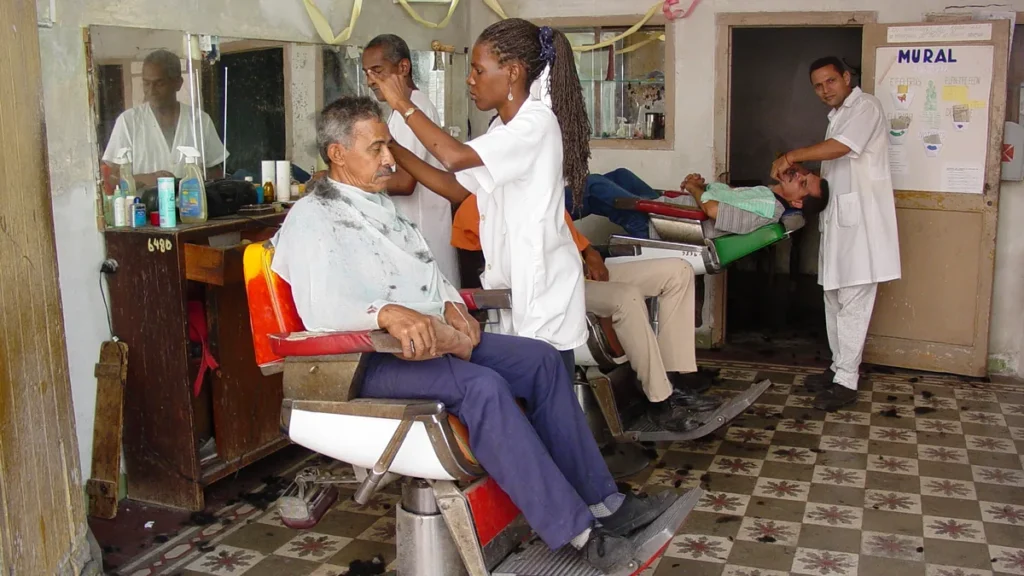
Barbering is one of the few trades where skill turns into income almost immediately. A client sits down, you cut their hair, and you are paid before they leave the chair. But the barbers who earn a steady living do more than cut well. They train properly, choose the right working arrangement, price their work with confidence, and build a diary of clients who return every few weeks. This guide walks through that process, from your first lesson to a chair that pays its way.
Key takeaways
- Training and a licence come first.
- Consistent cuts matter more than speed when you are starting out.
- Commission, chair rent, and your own shop suit different stages: move up only when your client book can support it.
1. Learn the craft and get licensed
Everything starts with proper training. A barbering course at a college or a dedicated barber school teaches the foundations that self-taught cutting often skips: clipper work and fading, scissor cutting, beard shaping, hygiene, and handling different hair types. Most courses mix classroom learning with supervised practice on real clients, which is where the craft actually sinks in. Choose one with plenty of practical hours, and check what qualification you will leave with before you enrol.
Licensing rules vary by place, so check the requirements where you plan to work first. In many areas you need a barber licence to work in a shop, plus a set number of training hours and a practical exam. Keep your licence current, and hold suitable insurance too. Being properly covered is part of running the trade as a business rather than a hobby.
2. Practise until your cuts are consistent
A licence proves you have been trained; consistency proves you can earn. Clients return to a barber who gives them the same good cut every time. After qualifying, keep practising the core cuts until they feel automatic: a clean taper, a skin fade, a scissor cut on top, and a tidy beard shape. Do not chase speed at the cost of finish. A neat neckline and clean lines around the ears are what clients notice in the mirror.
Photograph your work, with each client’s permission, and keep the best examples in a small portfolio. A few clear photos of fades and beard work win new clients better than any talk about your training. Ask experienced barbers to judge your cuts honestly. The weak spots they point out, usually blending or finishing, are the details that separate a barber clients recommend from one they forget.
3. Get your first chair job
Your first job is about learning the trade as a business, not just cutting hair. Look for a busy shop where the owner will mentor a new barber, even if the pay starts modestly. In a good first shop you will learn how a diary is managed, how walk-ins are handled, and how a chair earns money across a whole week. Those lessons are hard to pick up working alone.
When you apply, bring your portfolio and be honest about your level. Many shops offer a trial day, which shows how you work with real clients at the pace of a busy floor. Judge the shop too: a tidy shop with steady footfall, fair terms, and barbers who have stayed for years beats a quiet shop offering a bigger split of very little. The clients you impress in your first year become the regulars who follow you later.
4. Choose how you get paid: commission, chair rent, or your own shop
How a barber is paid shapes income more than almost anything else. On commission, the shop takes a percentage of each cut, often around half, and provides the chair, the clients, and the bills. That suits a barber still building a client book, because the risk sits mostly with the shop. On chair rent, you pay a fixed weekly fee and keep everything above it. That suits a busy barber with loyal clients, because a full diary earns far more under rent than under commission, but you still pay the rent in a quiet week.
Opening your own shop is the third step, and it should come last. Your own shop means keeping all the takings and setting your own hours and prices, but also rent, bills, and quiet weeks with no one to share the risk. Wait until your book is full and your savings cover several months of costs. Booking and payment tools help whichever setup you choose: our guide to the best AI tools for barbershops covers the systems shops use to keep chairs full and payments tidy.
5. Set prices you can live on
New barbers often undercharge, and the habit can stick for years. Work out what you need to earn before you set your price list. Add up your weekly costs, including chair rent or commission, tools and products, travel, insurance, and tax, then divide by the number of clients you can realistically cut in a week. That figure is your floor: the lowest average price per client that keeps the work paying.
Check what skilled barbers charge nearby, then price for your experience and the finish you deliver. List each service separately and charge for extras rather than giving them away. Raise prices in small steps when your diary is full, and tell regulars in advance so the change never feels sudden. A small rise across a full book adds up over a year, without changing your hours.

6. Build a book of regular clients
A full book of regulars is the foundation of steady barbering income. A client who returns every two or three weeks is worth far more over a year than a stream of one-off walk-ins, and a diary mostly booked a week ahead lets you plan your money instead of guessing it. The habit that builds that book is simple: rebook every client before they leave the chair. Offer the same slot next time, note their usual cut, and send a reminder the day before.
Small details keep clients coming back. Remember how they like their fade and keep your station clean and your tools sharp. Ask happy clients to tell friends about you, and keep your best work visible online. Booking software can carry much of this work: our guide to the best AI tools for barbers looks at the tools that handle reminders, rebooking, and client records while you are cutting.
7. Keep the money side tidy
Barbering income arrives in small amounts all day, which makes it easy to lose track of. Record everything you take in and spend, from chair rent and clipper blades to products and travel. Set aside a share of each week’s takings for tax before you spend any of it, so a tax bill never arrives as a surprise. A ten-minute weekly check tells you which services earn best and which days are quiet.
Tracking spending is a habit worth building early, and the best ways to track your spending work just as well for a barber’s chair as for a household budget. When you can see your real numbers, decisions get easier: you know when you can afford better tools, and when your book is strong enough to move from commission to chair rent.
Making money as a barber is a sequence, not a single decision. Train well, practise until your cuts are consistent, learn the business in a good first shop, choose the pay arrangement that fits your client book, price your work honestly, and keep the regulars who make the diary full. Grow at a pace you can sustain, and the chair stops being a day-to-day gamble and starts paying like the small business it is.

Keep what speaks to you.
Leave room for your own perspective.