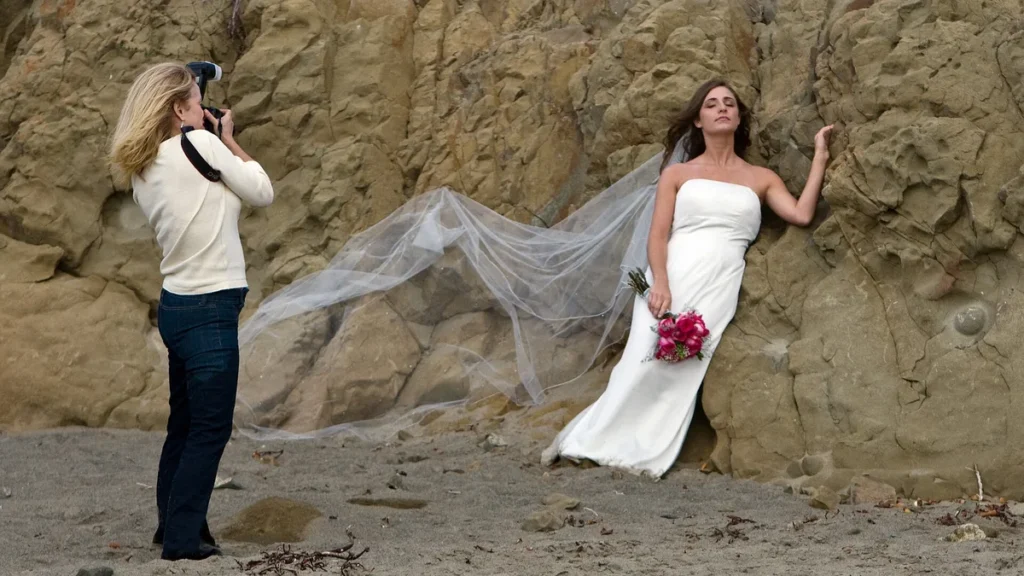
A good camera does not pay the bills on its own. What pays is someone hiring you to point it at something that matters to them: a wedding, a newborn, a product launch, a family reunion. Freelance photography is a service business first and an art form second. The photographers who earn steady money know which jobs pay, how to find the next client, and how to price their work so a busy month still leaves a profit.
This guide explains how to make money as a freelance photographer: which jobs pay best, how to find clients, how to set prices, and how to build a portfolio that books jobs.
Key takeaways
- Weddings, events, and commercial work pay the most per job; portraits and family sessions pay well per hour once you are efficient.
- Most early clients come from referrals, local businesses, and second shooting for established photographers, not from job boards.
- Price by the value of the finished job, not by the hour, and always quote a flat rate with a clear list of what is included.
- A portfolio of twenty strong, consistent images beats two hundred mixed ones.
- You can start with one camera, one lens, and a simple contract, then upgrade gear only when paid work demands it.
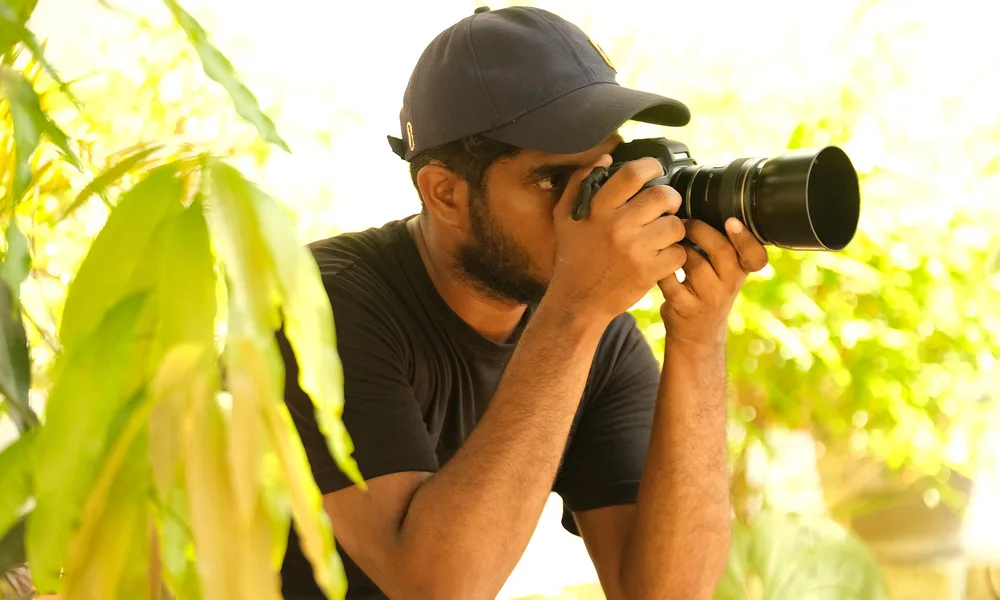
Which Photography Jobs Pay Best
Not all photography work pays the same, and the difference is bigger than most beginners expect. A wedding booking can bring in more than a month of small portrait sessions, but it also carries more pressure, longer hours, and a full day of editing afterwards.
Weddings and events
Weddings are the highest-paying single jobs most freelance photographers ever take. A full-day package often includes eight to ten hours of shooting, an engagement session, an online gallery, and a printed album. Event photography, from corporate conferences to birthday parties, pays less per job but books more often and needs far less editing.
Portraits and family sessions
Portrait work is the most reliable earner for a new freelancer. Families, graduates, couples, and new parents all need photos, and they book again year after year. A one-hour session with a clear price and a fast turnaround can be repeated several times a week, and happy clients send their friends.
Commercial and product work
Businesses pay photographers to shoot products, food, interiors, and staff headshots. This work pays well because the photos directly help a business sell something, and it tends to repeat: a restaurant that needs new menu photos this season will need them again next season. A small list of local business clients can become the steadiest income in freelance photography.
How to Find Your First Clients
The hardest part of freelance photography is not taking good photos. It is finding people willing to pay for them. Most beginners wait for clients to find them, and that is exactly backwards.
Start with the people who already know you. Tell friends, family, and coworkers that you are booking paid sessions, and offer a small number of discounted sessions to build a portfolio and gather testimonials.
Second shooting is one of the best ways to earn while you learn. Established wedding and event photographers regularly hire a second photographer. Reach out to photographers in your area with a short message, a link to your best work, and the dates you are free.
Local businesses are another overlooked source of work. Restaurants, boutiques, gyms, and salons all need fresh photos for their websites and social media. Walk in with a few samples on a tablet and offer a small, clearly priced package. If you are looking for broader flexible work ideas while you build up, our guide to the best ways to earn money from home covers options that fit around a photography schedule.
How to Price Your Shoots
Pricing is where most new photographers lose money, usually by charging too little. A low price fills your calendar with clients who haggle, and it leaves no room for the hours of editing, travel, and admin that every shoot requires. Price the whole job, not just the hour you hold the camera.
Start by working out your real costs. Add up the hours for shooting, culling, editing, and delivery, then add travel, gear wear, insurance, and the software you pay for each month. That total is your floor: below it, you are paying the client for the privilege of working.
Quote a flat rate with a clear list of what is included: the number of hours, the number of edited photos, the delivery time, and the format. A written list protects you from endless extra requests. Always take a deposit before the shoot date, usually half the fee, with the rest due on delivery. A deposit confirms the booking and protects you if a client cancels.
Raise your prices as your bookings fill up. If you are turning work away, your price is too low.
Build a Portfolio That Books Jobs
Clients hire what they can see. A portfolio is not a gallery of everything you have ever shot; it is a short, careful selection that shows the exact work you want to be paid for.
Choose one or two specialties and show only those. If you want wedding work, show weddings. If you want portraits, show portraits. A mixed portfolio confuses people, and a confused client hires someone else. Keep the style consistent too, so a visitor can tell within seconds what their photos will look like. Testimonials matter as much as photos, so after every shoot ask happy clients for a short review and permission to share it.
Gear, Contracts, and the Business Side
You do not need the most expensive camera to earn money. One reliable camera body, a versatile lens, a spare battery, and enough memory cards will cover most paid work when you start. Add a second lens or a flash only when a paying job actually requires it.
Every paid shoot needs a simple written contract stating the date, the hours, the fee, the deposit, the delivery time, the number of edited photos, and what happens if either side cancels. A contract is not about mistrust; it is about making sure both sides agree before the day arrives.
How to Grow From Side Income to Full Time
Most freelance photographers start part time, fitting shoots around a job or studies. The move to full time should follow the money, not the dream. A safe rule is to wait until photography income covers your essential expenses for three months in a row before leaving other work behind. Consider adding income that does not need you behind the camera every hour, such as print sales, mini sessions on busy weekends, or teaching a beginner workshop.
Photographers who already sell images online will find that model familiar, and our guide to how to make money selling photos online explains how that side of the business works alongside client work. If you are weighing photography against other freelance paths, our guide to how to make money as a freelance writer shows how another creative skill can turn into steady income.
Bottom line
Freelance photography pays when you treat it as a business: pick the jobs that pay best, find clients actively instead of waiting for them, price the whole job with a deposit up front, and show a small, strong portfolio of the work you want more of. Start with the gear you already have and raise your prices as demand grows. The camera is the tool. The business is what earns the money.
Note: Rates and demand vary by city, season, and experience, so treat the figures in this guide as a starting point and check what photographers in your area actually charge before you set your prices.

Keep what speaks to you.
Leave room for your own perspective.


