Buying a car without a loan changes the whole experience. There is no monthly payment hanging over you, no interest adding thousands to the price, and no lender deciding what you can do with a car you supposedly own. This guide walks through the process, from setting a realistic target to negotiating as a cash buyer.
Set Your Target Price First
Every savings plan starts with a number. Without a clear target, you are just putting money aside and hoping it is enough one day. With one, every deposit has a purpose, and you can watch the finish line getting closer.
Start by deciding what kind of car you actually need. A reliable used car that gets you to work is a very different target from a nearly new family car, and the gap between them can be years of saving.
Work Out the Full Cost, Not Just the Sticker Price
The price on the windscreen is only part of what you will pay. Add sales tax or registration fees, a first year of insurance, and a pre-purchase inspection. They can easily add a tenth or more to the total, so build them into your target from the start.
Choose a Realistic Timeline
Your timeline decides how much you need to save each month. Most people do best with twelve to twenty-four months: long enough to keep the monthly amount manageable, and short enough to stay motivated. The same step-by-step approach works for any large purchase, as you can see in our guide on how to save for a wedding without debt.
Do the Monthly Maths
Once you know your target and your timeline, the monthly figure is simple division. Take your total target, divide it by the number of months you have, and that is what you need to set aside. If the number is too high, pick a cheaper car or give yourself more time.
| Car fund target | Save over 12 months | Save over 18 months | Save over 24 months |
|---|---|---|---|
| $6,000 | $500 per month | $334 per month | $250 per month |
| $10,000 | $834 per month | $556 per month | $417 per month |
| $15,000 | $1,250 per month | $834 per month | $625 per month |
| $20,000 | $1,667 per month | $1,111 per month | $834 per month |
Notice how much difference six extra months can make. Stretching a $10,000 goal from one year to two cuts the monthly amount in half. Review the numbers every few months, and let a pay rise or a bonus shorten your timeline.
Where to Keep Your Car Fund
Where you keep the money matters almost as much as how much you save. If it sits in your everyday spending account, it will slowly disappear into takeaways and subscriptions. A car fund needs its own home.
Open a Separate High-Yield Savings Account
A separate savings account is the simplest way to protect your car fund. Choose one that pays a decent rate of interest and has no monthly fees, and name it clearly, such as Car Fund. Keep it separate from your emergency savings, too. If you have not built an emergency cushion yet, read our guide on how to build an emergency fund on a low income alongside this plan.
Automate the Transfer on Payday
The most reliable way to save is to remove the decision entirely. Set up an automatic transfer that moves your monthly car amount into the separate account on the day you get paid. Start with an amount you can sustain even in a tight month.
Find Extra Money to Speed Things Up
Your regular deposit is the backbone of the plan, but extra money can cut months off your timeline. Treat windfalls as car money first. A tax refund, a work bonus, or cash from selling things you no longer use can all go straight into the fund.
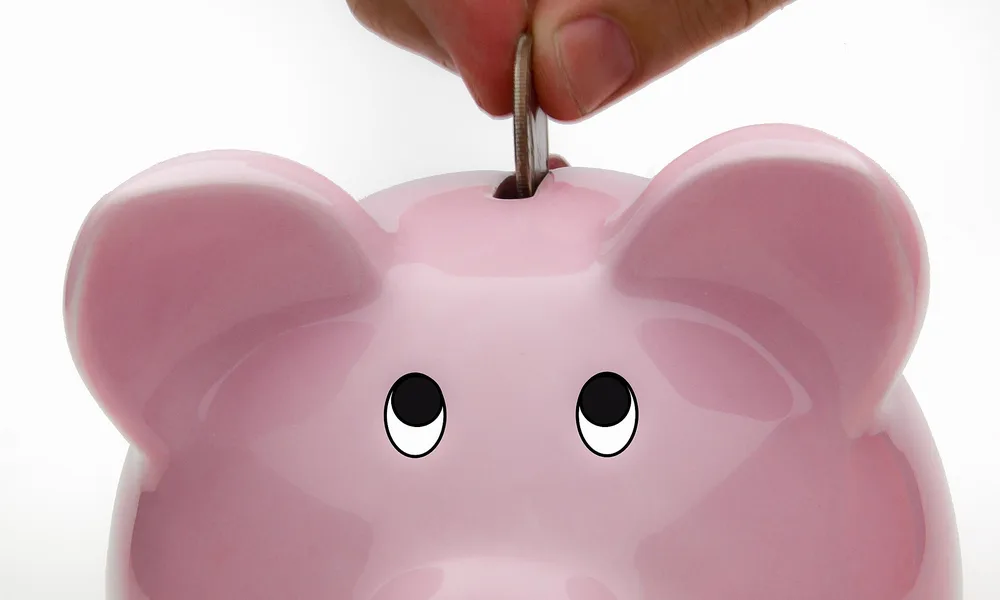
Small, repeatable savings help as well. Packing lunch a few days a week or pausing a subscription you barely use can free up a surprising amount over a year. Selling your current car privately can also bring in more than a trade-in.
Buying Tips for Cash Buyers
Paying cash gives you real advantages when you finally go shopping. Sellers love cash buyers because the deal is simple and certain. That gives you room to negotiate, and it means you can walk away from any deal that does not feel right.
Negotiate on the Full Price, Not the Monthly Payment
Dealers are used to buyers who focus on the monthly payment, and they use that to hide the true cost of a car. As a cash buyer, talk only about the total price you will pay. Check prices for similar cars first, decide your maximum price, and be ready to leave.
Get an Inspection Before You Pay
For a used car, a pre-purchase inspection by an independent mechanic is money well spent. It can reveal problems that are invisible to most buyers, such as worn brakes or leaking seals. If it finds issues, use them to negotiate a lower price, or walk away. Check the car’s history, pay by bank transfer, and keep saving on running costs with our guide to the best ways to save money on car insurance.
Your Car Savings Checklist
Use this checklist to keep your plan on track.
- Decide the car you need and research realistic prices.
- Add tax, registration, insurance, and an inspection to your target.
- Set a timeline of twelve to twenty-four months.
- Work out your monthly amount and write it down.
- Open a separate savings account for your car fund.
- Set up an automatic transfer on payday.
- Send windfalls and extra income to the fund.
- Review your progress every three months.
- Research prices and get an inspection before you buy.
- Negotiate the total price and pay by bank transfer.
Frequently Asked Questions
How much should I save for a new car without a loan?
Save the full purchase price plus tax, registration, insurance, and an inspection. For many buyers, $6,000 to $15,000 buys a reliable car outright.
How long does it take to save for a car in cash?
It depends on your target and your monthly amount. Saving $500 a month builds a $6,000 fund in a year and a $12,000 fund in two years.
Is it better to buy a car with cash or take a loan?
Paying cash usually costs less overall because you pay no interest and no loan fees, and you own the car from day one.
Should I buy a new or used car with my savings?
A used car usually gives you far more value for the same money, because new cars lose value fastest in their first few years.
Can I save for a car on a low income?
Yes, with a realistic target and a longer timeline. Start with whatever monthly amount you can sustain, and raise it whenever your income improves.
What should I do with the money while I am saving?
Keep it in a separate high-yield savings account, away from your everyday spending. Avoid anything risky, because you need the full amount when you are ready to buy.
Drive Away Debt-Free
Saving for a car without a loan is about buying something expensive in the cheapest possible way, and starting your ownership with no debt attached. The months of saving pass far more quickly than the years of loan payments you are avoiding.
Start today, even if the first deposit is small. Set your target, open your separate account, and automate the transfer. Each month the balance grows, and the day you pay in full and drive away in a car that is truly yours comes a little sooner.

Keep what speaks to you.
Leave room for your own perspective.