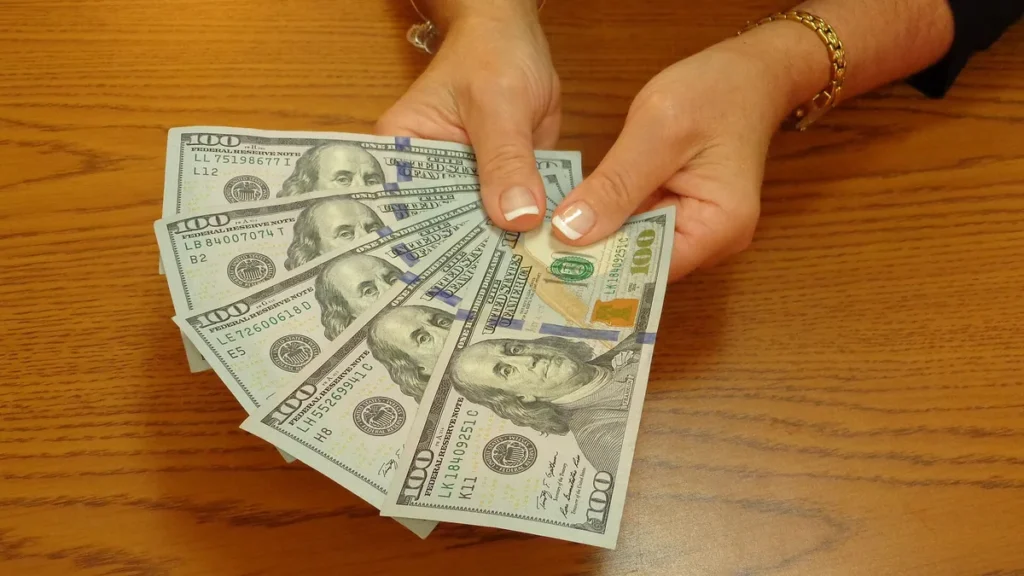
The same coffee, sandwich or pair of shoes costs the same either way — yet most people spend noticeably more by card than with cash. The difference is not the price on the tag — it is what happens in your head as you decide to buy. Cash makes the cost visible and physical. A card makes it almost invisible — and that invisibility is exactly why the question matters.
Both are tools with real strengths: cash slows you down and makes every purchase feel concrete, while cards keep records, earn rewards and work everywhere. Which one helps you spend less depends on how your brain reacts to each — and on what you tend to overspend on. Here is how they compare, so you can pick the one that fits you.
Key takeaways
- Cash makes spending feel real: you watch money leave your hand, which slows impulse buys.
- Cards make spending feel painless: one tap, and small purchases add up quietly.
- Cash works best for everyday variable spending — food, treats, nights out — where temptation is highest.
- Cards work best for fixed bills, online shopping and travel, where records, protection and convenience matter.
- For most people the strongest setup is a mix: cash for spending to control, card for spending to track.
Why cash feels different from a card
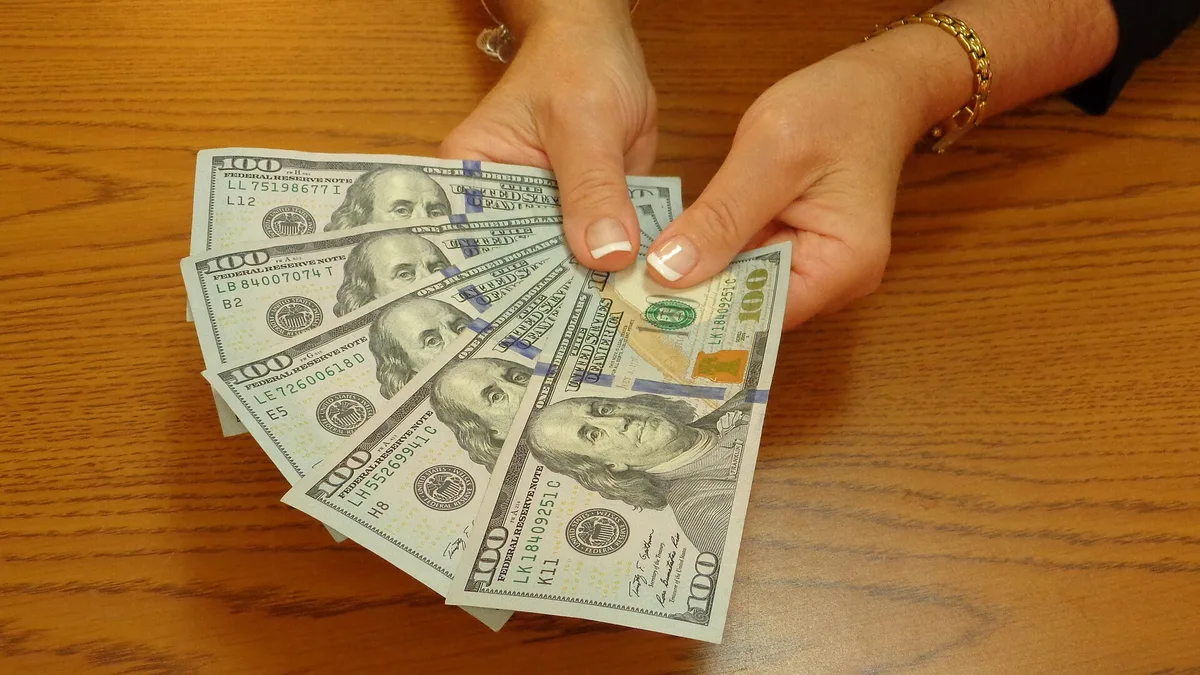
Researchers call it the pain of paying: the small sting you feel when money leaves you. Handing over a banknote hurts a little, because you watch your wallet get thinner and must decide whether the thing is worth that exact note. Tapping a card barely registers — the machine beeps and the moment is over before your brain has finished weighing it.
That difference shows up in the numbers. Studies consistently find that people spend more by card, and the gap is largest on the purchases we barely think about: snacks, coffees, the extra item at the till. None feels expensive on its own; together they are often why a month ends tighter than planned. Cash forces each one through a small moment of friction, and friction is the enemy of the impulse buy.
What cash does well
Cash gives you a budget you can see. Take out a set amount for the week and the limit is physical: when the notes are gone, the spending stops. No mental maths, no app to check, no surprise at the end of the month. That is why the envelope method still works for groceries, eating out and fun money — the categories where most budgets leak.
Cash also makes you choose. Every purchase is a small trade: this note for that coffee, or keep it for something better later. When the money is visible, you ask whether you actually want the thing, not just whether you can afford it. Our guide to how to stop impulse buying pairs well with a cash-first week.
What cards do well
Cards win on everything cash cannot do. They keep an automatic record of every purchase, so it is easy to see where your money went. They work online and abroad, and protect you if something goes wrong. Lose a card and you can freeze it in seconds; lose cash and it is gone. For bills, subscriptions and anything bought online, the card is not just convenient — it is the only sensible option.
Cards also reward discipline. Used well, a card with cashback or points returns a little of your spending, and paying the balance in full each month means you never pay interest. The catch is the word discipline: the same card that rewards a careful spender quietly punishes a careless one, because interest on a carried balance wipes out any reward many times over.
Where each one quietly costs you
Cash has real weaknesses. It leaves no trail, so without written records you have no idea where it went — cash spending can drift just as badly as card spending, only invisibly. It earns no rewards, it is awkward online, and carrying large amounts is risky. It also makes it easy to round down in your head: a few notes here and there never feel like a pattern until the wallet is empty.
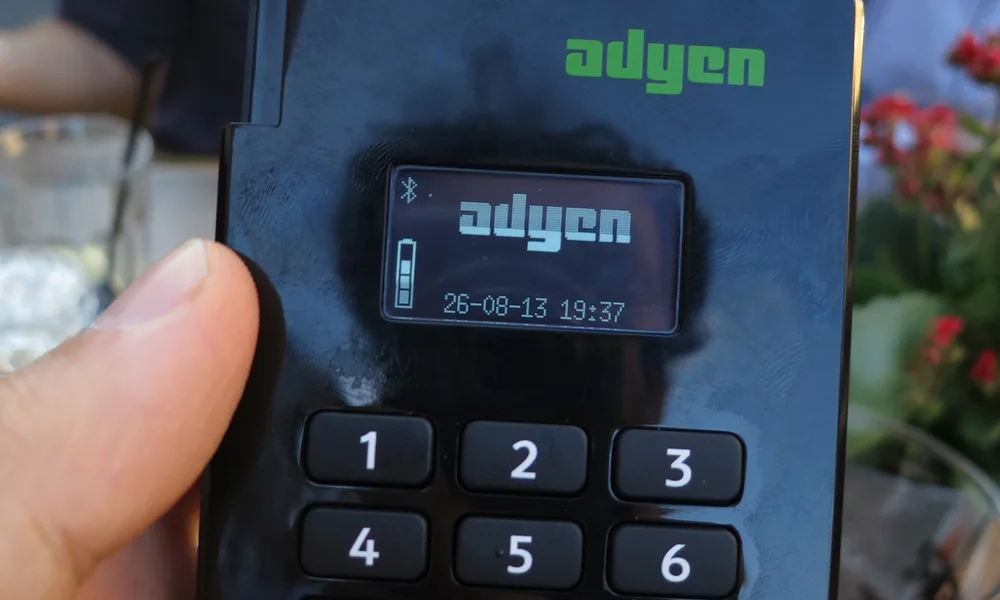
Cards cost you differently. Because each purchase feels so small, spending creeps upward without any single decision to blame — the classic shape of lifestyle inflation, where a better income quietly becomes a more expensive life. Subscriptions renew unnoticed, delivery fees stack up, and the statement arrives as one big number instead of small choices. The card never says no. That is its convenience, and its danger.
Cash vs card at a glance
| Cash | Card | |
|---|---|---|
| Feeling of spending | Strong — you see it leave | Weak — a tap and it is done |
| Impulse control | High, built-in friction | Low, almost no friction |
| Record keeping | None, unless you track it | Automatic, every purchase |
| Online and travel | Not practical | Essential |
| Rewards and protection | None | Cashback, points, chargeback |
Which one fits your brain?
There is no single right answer: the right method is the one that corrects your own weakness. If your problem is small, frequent treats — the coffee, the takeaway, the sale rack — cash is the stronger tool. It puts a speed bump in front of every one of those purchases.
If your problem is the opposite — you lose track of where money goes, or you shop mostly online — a card is the better tool, because its automatic record is worth more than friction you will never feel. If you are paying off debt, cash for daily spending plus a card for fixed bills gives you both control and a paper trail. The best budgeting methods compared on this site all work with either method; the payment method is the daily habit that makes the budget stick.
A simple way to test both
You do not have to guess. Try one month of cash for variable spending — food, treats, nights out — while keeping fixed bills on the card, then compare what you spent with the month before. Most people are surprised twice: first by how much they were spending without noticing, then by how little they miss once the cash limit is doing the deciding.
Frequently asked questions
Does paying with cash really make you spend less?
For most people, yes — especially on small purchases. Handing over notes makes the cost feel real, which slows impulse buying. The effect is weakest on large purchases you have already decided on.
Are cards bad for your money habits?
No. For organised spenders they are the better tool: automatic records, rewards, protection and convenience. They become a problem when small purchases pile up unnoticed, or when a balance is carried and interest builds.
Should I use cash for everything?
Almost certainly not. Cash is impractical online, risky in large amounts and leaves no record. Most people do best with cash for flexible spending they need to control, and card for bills, online shopping and anything where a record matters.
The bottom line
Cash helps you spend less when your weakness is impulse — the small, frequent purchases that never feel expensive until the month is over. Cards help when your weakness is losing track, because their record shows the truth your memory hides. The winner patches the hole in your own habits.
Start with a one-month test: cash for spending you need to slow down, card for the rest. You will finish knowing how your brain handles money — and that is the knowledge that changes what you spend.

Keep what speaks to you.
Leave room for your own perspective.