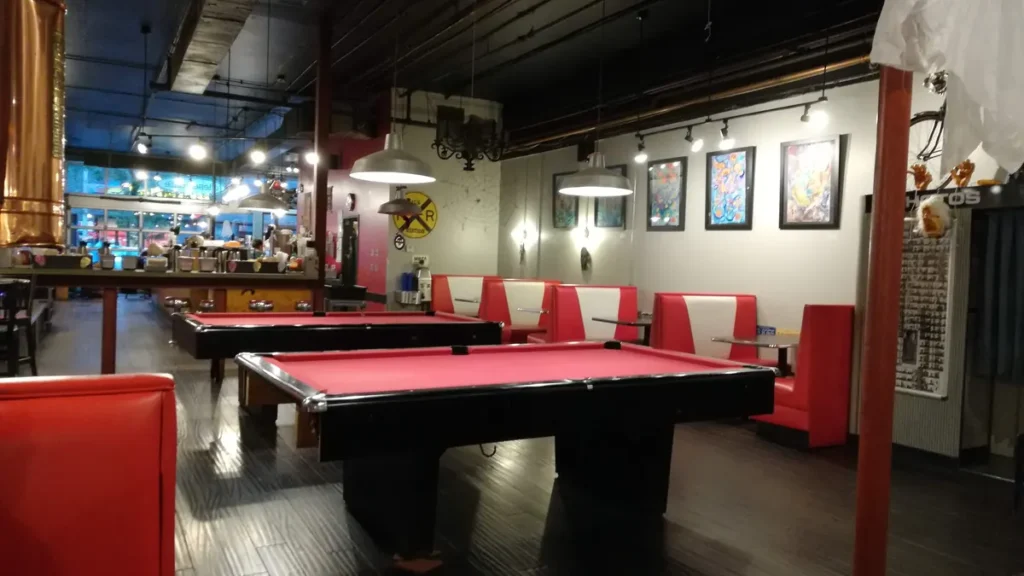
A billiard room is a room built around one table, and that single fact shapes every decision a billiard room installation startup makes. The work is a dedicated fit-out, not a general games room and not a garden job: one slate table that must sit perfectly level, clear cueing space on all four sides, lighting that falls evenly across the cloth without glare, rails that rebound true, and the small details, chalk, a cue rack and a way to keep score, that make the room feel finished. Get those elements right and the room plays beautifully from the first break. Get one wrong, a table a few millimetres out of level or a light hung too low, and the owner notices it on every single shot.
That is why the tools matter as much as the table. A new startup cannot afford to learn room measurement, slate levelling, cloth fitting and quoting by trial and error on paying jobs. The room must be surveyed before ordering, the table levelled with instruments rather than by eye, the cloth fitted so the ball rolls true, and the price must cover delivery, levelling, fitting and handover without a surprise return visit. Every one of those steps is a place where a small firm either looks professional or looks like it is guessing.
The AI tools in this guide do the heavy lifting before the van is loaded: they model the room and the cueing space, check that a nine-foot table genuinely fits, price the job from a measured plan, order the right cloth, balls and chalk, and keep the client informed from survey to handover. Used well, they turn a one-person installer into a business that looks and behaves like a much bigger firm. This guide compares the nine tools that matter most for a billiard room installation startup in 2026, from the slate table and cloth clients ask for by name to the laser level, the lighting and the business software that make the room work. Each one earns its place by solving a specific part of the fit-out, and together they cover the whole job from first survey to final handover.
Key takeaways
- A billiard room is a dedicated fit-out for one slate table, with cueing space on all sides, even billiard lighting and true rails, not a multi-game room and not an outdoor table.
- Measure and model the room before ordering anything: a table that leaves no room to cue is the most expensive mistake a new startup can make.
- Spend on the playing surface first, a level slate bed, quality worsted cloth and tournament balls, because that is where the quality of play is decided.
- Level the slate with a laser, not by eye, and check the roll with a slow ball test before the cloth goes on.
- Quote every job from a measured plan and a written scope, so the price, the parts list and the install day all match.
The nine tools at a glance
| Tool | Best for | What it solves |
|---|---|---|
| Diamond Billiards Pro-Am 9-Foot | Tournament-grade slate centrepiece | The table the whole room is built around |
| Simonis 860 Worsted Cloth | True, fast roll | The playing surface every serious player recognises |
| Aramith Tournament Ball Set | Consistent, long-lasting play | Balls that stay round and true for years |
| Predator P3 Cue | A house cue players trust | The cue to spec for the room cue rack |
| Presidential Billiards Four-Shade Light | Shadow-free billiard lighting | Even light across the full playing surface |
| Silver Cup Chalk | Everyday chalk that grips | Clean, reliable chalk for the rail and rack |
| Bosch GLL 3-80 Laser Level | Slate levelling you can prove | Millimetre-accurate levelling before the cloth |
| Planner 5D | Modelling cueing space | A measured 3D plan before anything is ordered |
| Jobber | Quoting, scheduling and invoicing | The business side of every install, in one place |
Read the table as a shopping list, not a ranking. The first six items are the physical kit that makes the room play well, and the last three are the measuring and business tools that make the job profitable. A startup that buys the table and cloth but skips the laser level and planning software will still struggle, because the expensive mistakes are made before the table arrives, in a room that was never properly measured.
What a dedicated billiard room installation startup actually installs
A dedicated billiard room starts with the room itself. Most clients have a spare room, a basement or a converted garage, and the first job is to work out whether a full-size table genuinely fits. A nine-foot table needs roughly five feet of clear cueing space on every side, which means a room of about eighteen by fourteen feet at minimum, with no radiators, door swings or low beams intruding into the cueing zone. A startup that measures this properly at the survey stage saves itself the worst conversation in the trade, telling a client the table they have already paid for cannot be played properly in their room.
The table is the centrepiece and the most demanding part of the install. A quality slate table arrives in heavy pieces: a hardwood frame, one or three pieces of precision-ground slate, cushions, pockets, legs and levellers. The frame must be assembled square, the slate joined and levelled to within a fraction of a millimetre, and the cloth stretched evenly with no wrinkles or soft spots. This is skilled, physical work, and it is where a startup earns its reputation. A table that plays true brings referrals; a table with a slow roll or a dead cushion brings call-backs.
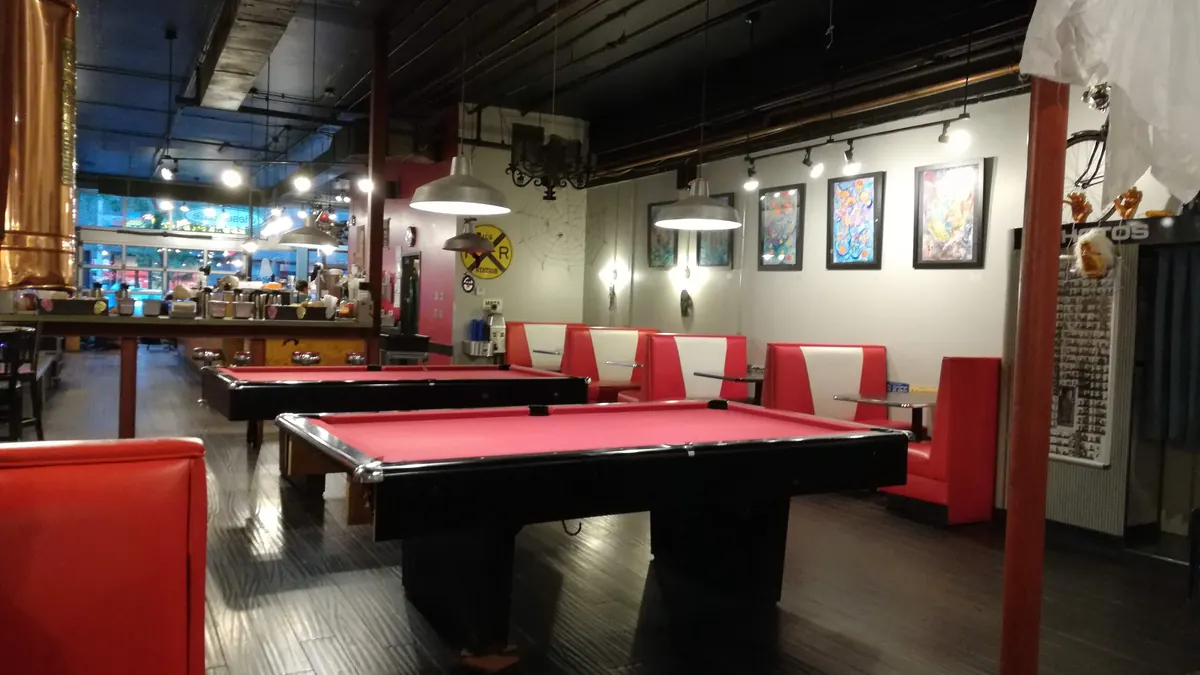
Around the table, the room needs light, storage and scoring. Billiard lighting hangs low over the playing surface, usually a shade or a row of shades that puts even light on the cloth without shining into a player eyes. A cue rack keeps cues safe and upright, a wall rack or a small cabinet holds chalk, brushes and spare tips, and a simple scoreboard or a scoring app keeps casual games friendly and league nights organised. None of these items is expensive on its own, but together they are the difference between a table in a room and a billiard room. That difference is exactly what a specialist startup sells, and it is a different job from fitting out a room with several different games tables, which is the work of a game room installation startup.
Finally, the startup installs the business around the room. Every job needs a written scope listing the table, cloth, lighting, accessories and labour, a price agreed before work starts, a delivery day that fits client and crew, and a handover where the owner is shown how to brush the cloth, chalk a cue and cover the table.
How to compare the tools for a billiard-room fit-out
Start with the playing surface, because everything else in the room serves it. Ask three questions of every table, cloth and ball set: does it play true, will it last, and can a client who knows the game recognise the quality? Players can feel a bad roll or a dead cushion within a few shots, and they talk about it. Choose equipment that survives that test, even if it costs more at the start.
Next, check the room before the equipment. A laser level, a tape and a planning app cost far less than a single return visit, and they prevent the two mistakes that eat a small firm margin: a table ordered for a room it does not fit, and a slate bed levelled by eye that has to be redone. The best tools for this trade turn a survey into a measured plan, a plan into a parts list, and a parts list into a quote the client can sign. If a tool cannot do that chain, it is a nice extra rather than a core purchase.
Finally, judge every tool by the handover. A good install ends with a client who knows how to look after the table, a clean room, a written note of what was fitted and a date for a first check-up. Repeat work, re-clothing, levelling checks and new ball sets, is where a startup builds steady income after the first install. Buy the kit that plays well, the instruments that prove the work, and the software that brings the client back.
The nine best AI tools for billiard room installation startups in detail
1. Diamond Billiards Pro-Am 9-Foot: Best for the tournament-grade slate centrepiece
The Diamond Pro-Am is the table to build a dedicated room around. Its nine-foot slate bed, hardwood frame and responsive cushions give the consistent, lively play that serious players expect, and its reputation means clients who know the game will recognise the name before the cloth is even fitted. For a startup, that recognition matters: it shortens the sales conversation, because the table sells itself to anyone who has played on one.
For the installer, the Pro-Am is a known quantity: precision-ground slate, a frame that assembles square, and a straightforward levelling system. That predictability is worth money on a first install. Price the delivery and levelling honestly, allow a full day for the first few installs, and the table will reward the care with a surface that needs no excuses at the handover.
Choose the nine-foot model when the room allows it, and be honest when it does not. A smaller version of the same table in a room with proper cueing space plays far better than a nine-foot table squeezed against a wall. The room decides the size; the table decides the quality.
2. Simonis 860 Worsted Cloth: Best for true, fast roll
Simonis 860 is the worsted cloth that most serious rooms are fitted with, and there is a reason it has become the default. The tight worsted weave gives a fast, true roll with very little drag, it resists pilling and wear far better than woollen cloth, and it holds its speed as it beds in. Players notice the difference within a few shots, and a room fitted with 860 feels like a proper billiard room rather than a pub table.
For the installer, the cloth is a skill to learn properly. It has to be stretched evenly in both directions, fitted without wrinkles, and cut cleanly around the pockets. A good fitter can make a mid-priced table play well with 860 on it; a careless fitting can make an expensive table play badly. Budget for practice cloth, watch an experienced fitter work, and do not rush the first few fittings. The cloth is also the most visible part of the job, so a neat, tight fit is the client first impression of the whole install.
Offer a choice of colour, but steer clients to classic greens and blues that hide chalk marks and suit the light. Keep spare cloth for repairs, and show the owner how to brush in one direction and cover the table when it is not in use.
3. Aramith Tournament Ball Set: Best for consistent, long-lasting play
Aramith Tournament balls are made from phenolic resin, which keeps them round, hard and consistent far longer than cheaper polyester sets. They rebound cleanly off the cushions, they do not chip or go out of round after a season of play, and their weight and balance are matched across the set. For a room that will be played in several times a week, that consistency is the difference between a game that feels fair and one that slowly goes wrong.
For a startup, the ball set is a small cost with an outsized effect on the handover. A new table with a worn or mismatched set of balls plays badly no matter how well the slate was levelled, and the client will blame the table. Fit a tournament set as standard, keep the box and the certificate with the room paperwork, and show the owner how to clean the balls with a proper ball cleaner rather than household products that can damage the resin.
The set also gives the startup a natural follow-up: offer a ball cleaning and inspection visit a year after the install, and the client calls the firm that fitted the room rather than a stranger. Small, honest aftercare turns a one-table install into a repeat customer.
4. Predator P3 Cue: Best for a house cue players trust
The Predator P3 is a player cue with a low-deflection shaft, a balanced feel and a finish that survives being handled by guests. It is the cue to spec when a client wants a proper cue in the rack rather than the cheapest house cue available. Players who own their own cue will still bring it, but guests and new players will reach for the P3, and they will notice that it plays straight and true.
For the installer, the cue is part of the room package, not an afterthought. Fit a wall rack that holds it upright and protected, include a spare tip and chalk, and show the owner how to store it away from radiators and damp. A cue left leaning in a corner will warp. A plain explanation of how to save money on a new pool cue helps a client spend wisely on the rest of the rack without buying twice.
Do not oversell the cue. One good house cue and a rack is enough for most rooms; a client who falls in love with the game will buy their own. The startup job is to make sure the cue that is there plays well and is looked after.
5. Presidential Billiards Four-Shade Light: Best for shadow-free billiard lighting
Billiard lighting has one job: put even light on the cloth without shadows and without glare. The Presidential four-shade fitting does that by spreading four shades across the length of the table, so the light falls evenly from the baulk line to the black spot and no single bulb creates a hard shadow. Hung at the right height, usually around thirty to thirty-two inches above the playing surface, it lights the balls clearly while keeping the light out of a player eyes as they lean over a shot.
For the installer, the light is a measurement job before it is an electrical job. Check the ceiling height, the table position, and whether the shades clear a cue lifted for a high shot. Agree the height and position with the client before drilling, and test the light with the balls racked so the client can see the even spread at the handover.
Keep the bulbs consistent, warm white, same brand and same brightness across all four shades, and leave a spare set with the room paperwork. Mixed bulbs are the most common reason a good fitting looks patchy a month later.
6. Silver Cup Chalk: Best for everyday chalk that grips
Silver Cup chalk is the quiet workhorse of the billiard room: a fine, consistent chalk that grips the tip without crumbling, dusting the cloth or leaving heavy marks. It is inexpensive, it is available in the colours that match the cloth, and it is the chalk most players have used before, which means nobody has to learn a new product to enjoy the room. For a startup, it is the right default to leave in the rack.
For the installer, chalk is a detail that signals care. Fit a chalk holder on the rail or rack, leave two cubes with the room, and show the owner how to chalk lightly rather than grinding the tip into the cube. Heavy chalking is the fastest way to dirty a new cloth. Keep the chalk colour matched to the cloth so any dust is far less visible.
Chalk is also a cheap, natural repeat purchase. Leave a small card with the room paperwork noting the brand and colour, and the client will order the same chalk again rather than guessing. It is a tiny touch, but it keeps the firm name in the room long after the install.
7. Bosch GLL 3-80 Laser Level: Best for slate levelling you can prove
The Bosch GLL 3-80 projects bright, accurate laser lines across the room, and for a billiard room installer that means the slate can be levelled to a standard a client can see, not just feel. The three-plane lines let a crew check the slate bed in both directions and across the joins, spot a high corner before the cloth goes on, and prove the result to the client at the handover. In a trade where a millimetre of error shows up in every slow roll, that proof is worth more than the price of the tool.
For the startup, the laser turns levelling from a craft secret into a repeatable process. Set it up on a tripod, adjust the slate levellers until the lines agree across the whole bed, and record the reading in the job notes. A second crew member can verify the same reading, so quality does not depend on one person eye. Train every installer on the same routine.
Look after the tool itself: keep it in its case, check its calibration against a known level surface, and carry spare batteries. A laser that has been knocked around in the van is no better than a spirit level, and a crew that trusts a faulty instrument will level a table badly with great confidence.
8. Planner 5D: Best for modelling cueing space before ordering
Planner 5D is the planning tool that stops the most expensive mistake in this trade: ordering a table for a room it does not fit. The app builds a measured 3D model of the room from the survey dimensions, drops in a table of the right size, and shows the cueing space on every side, including where a cue will hit a wall, a door or a radiator. The client can walk through the model on a screen and see the problem before any money is spent, which is a far easier conversation than the one after delivery.
For the startup, the model does three jobs at once: the measured plan the quote is based on, a visual preview of the finished room for the client, and a parts list to check against the order. Use it at the survey, not after the order is placed, and keep it with the job file so any change can be re-checked in minutes rather than guessed at on site.
The app is not a substitute for a tape measure. Measure the room twice, check door swings and ceiling heights in person, and use the model to test the measurements rather than to replace them. A model built on a wrong measurement is a confident mistake, and the room will expose it on install day.
9. Jobber: Best for quoting, scheduling and invoicing
Jobber is the business software that holds a billiard room startup together once the installs start coming in. It turns a survey into a written quote, the quote into a scheduled job, the job into an invoice, and the invoice into a payment, with the client kept informed at each step. For a small firm, that chain is the difference between a business and a series of favours: every job is priced, scheduled, invoiced and followed up, and nothing is forgotten because it was written on a scrap of paper.
For the founder, the value is in the routine it creates. A new enquiry gets a quote within a day, a signed quote becomes a job with a date and a parts list, and the crew arrives knowing what they are fitting. After the install, Jobber prompts the follow-up and the re-clothing reminder, where the steady income in this trade comes from. A clear quote, a confirmed date and a proper invoice make a one-person firm look like a company worth trusting.
Keep the system simple at the start. One quote template, one job checklist and one follow-up routine are enough. Add complexity only when the volume demands it, and make sure every installer can use the app on site, because a system only the founder understands will break the first time the founder is on holiday.
Common mistakes to avoid
The first mistake is ordering the table before measuring the room. A nine-foot table in a room that leaves only three feet of cueing space on one side is not a billiard room, it is a storage problem, and no amount of good cloth or lighting will fix it. Measure the room, model it, and let the room choose the table size. A smaller table that can be played properly is always the better install.
The second mistake is levelling by eye. A slate bed that looks level can still roll a slow ball off line, and the client will discover that on the first evening of play. Use a laser, check both directions and across the joins, and run a slow ball test before the cloth is fitted. The ten minutes that check takes is the cheapest insurance in the whole job.
The third mistake is treating a billiard room like any other table install. An indoor slate room and an outdoor table are different jobs with different materials, different bases and different weather problems, and the skills do not transfer directly. A firm that understands the indoor room, the level slate, the worsted cloth, the even light, should say so plainly, and leave the garden work to a specialist in outdoor pool table installation. Specialising is what lets a small startup charge properly and deliver work it can stand behind.
The fourth mistake is forgetting the handover. A room left without a demonstration, spare chalk and bulbs, and a written note of what was fitted will generate calls the startup could have prevented. Walk the client through cloth care and cue storage, leave the spares and paperwork, and book the first check-up before leaving. A good handover is the cheapest marketing a new firm will ever do.
Your first-install checklist
- Survey and model the room, and confirm the table size leaves clear cueing space on all four sides.
- Agree a written scope and price that lists the table, cloth, balls, light, chalk and labour before ordering.
- Level the slate with a laser, check both directions and across the joins, and run a slow ball test before fitting the cloth.
- Fit the cloth evenly, check the rails and pockets, and hang the light so it falls evenly across the full playing surface.
- Fit the cue rack, chalk and scoring, tidy the room, and test the table with a full game before the client sees it.
- Hand over with a demonstration, spare chalk and bulbs, written care notes, and a booked first check-up date.
Frequently asked questions
How much space does a billiard room need?
A nine-foot table needs a room of roughly eighteen by fourteen feet to leave about five feet of clear cueing space on every side. An eight-foot table needs roughly seventeen by thirteen feet, and a seven-foot table about sixteen by twelve feet. Measure the room, including radiators and door swings, and model it before ordering: a table that cannot be cued properly on one side is a failed install.
How much does a billiard room installation cost?
A dedicated indoor install costs far more than the table alone, because the price covers delivery, assembly, slate levelling, cloth fitting, lighting, accessories and labour. A quality table, worsted cloth, tournament balls, a four-shade light and a cue rack, fitted properly, is a substantial investment. Get one written, measured quote before ordering anything.
How long does a billiard room install take?
A straightforward install usually takes a full day for a two-person crew: delivery and assembly in the morning, slate levelling and cloth fitting through the middle of the day, and lighting, accessories and handover in the afternoon. A first install for a new crew can take longer, and a room that needs preparation, such as levelling a floor or moving a radiator, adds time. A firm that promises a full room in a couple of hours is cutting corners somewhere.
Should a billiard room have a nine-foot table?
Only if the room is big enough. A nine-foot table is the tournament standard and the best playing experience, but a seven- or eight-foot table in a room with proper cueing space plays far better than a nine-foot table squeezed against a wall. Let the measured room decide the size, and spend the money saved on a smaller table on better cloth, balls and lighting instead.
Do I need planning permission for a billiard room?
In most cases, converting an existing room inside a home into a billiard room needs no planning permission, because it is a change of use within the same house. Structural changes, such as removing a wall or converting a garage, may need permission or building approval depending on where you live. Check with the local planning office before starting any structural work.
Should a billiard room installation startup offer maintenance plans?
Yes, and maintenance is where the steady income in this trade comes from. Offer a yearly visit that covers a levelling check, a cloth brush and inspection, a ball clean, a chalk and tip check, and a light and bulb check. Clients who paid for a proper room are happy to pay for it to be looked after, and a maintenance visit is the easiest way to be the first firm they call when they want a re-cloth or a new table.
The bottom line
A billiard room installation startup succeeds by doing one thing properly: building a dedicated room around a single level slate table, with clear cueing space, even light, true rails and the small details that make the room feel finished. The nine tools in this guide cover that job end to end, from the Diamond table and Simonis cloth that decide how the room plays, through the laser level and planning app that prevent expensive mistakes, to the software that turns good installs into a real business.
Start with the survey, let the room choose the table, level the slate with instruments, and hand over a room the client knows how to look after. Do that on every job, and the firm will grow on referrals from rooms that play beautifully.

Keep what speaks to you.
Leave room for your own perspective.