
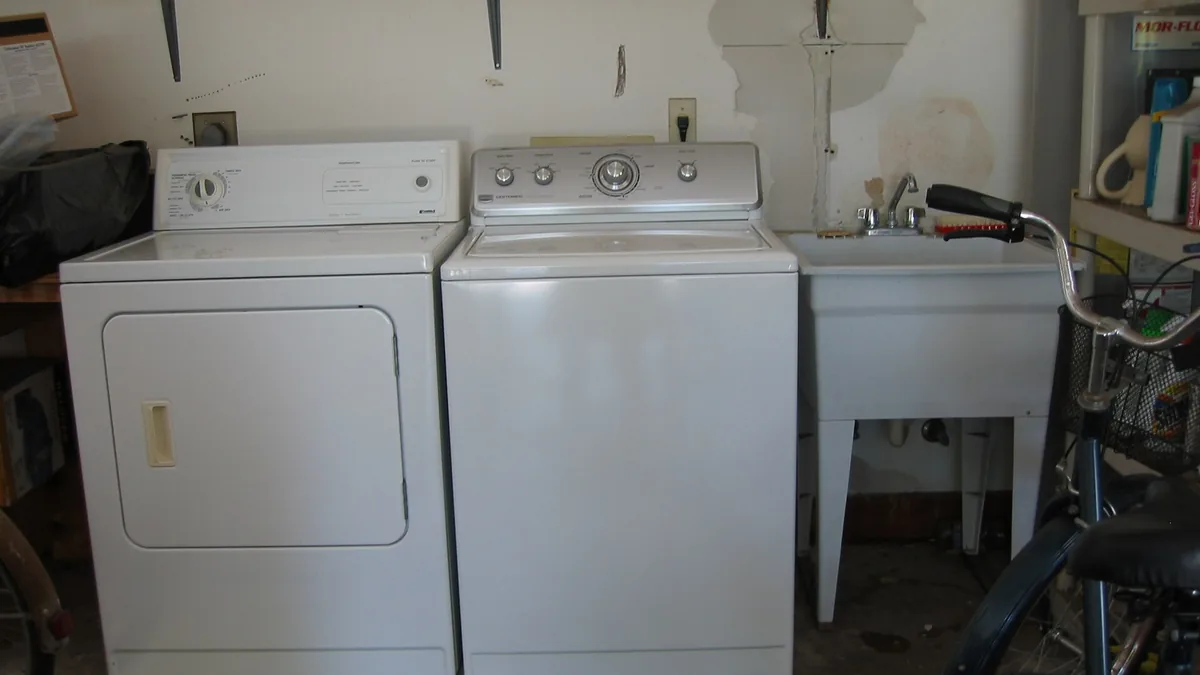
I stopped using a washing machine six months ago, and the clothes have never been cleaner. It was not a protest, and it was not a lifestyle statement — it was a practical decision, made one morning when I stood in the laundry room with the machine shaking, the bill in my hand, and a shirt that came out dirtier than it went in. The machine that was supposed to wash my clothes was drinking electricity, eating my shirts, and changing nothing — and one morning I asked myself whether I needed it at all. The answer was no.
Why I bought it in the first place
I bought the washing machine because everyone does. A washing machine is the thing you buy when you move out — the drum, the dial, and the promise of clean clothes in an hour. I used it every week, then every day, and the clothes came out clean, the house smelled fresh, and the laundry looked easy. The washing machine worked, and I never thought about it — and that was the problem: I used it without thinking, and I never asked whether it was the best way to wash clothes.
The problem with the washing machine
The problem with a washing machine is not the washing — it is the wear. A washing machine shakes, spins, and eats your clothes: the shirts that fade, the socks that vanish, and the seams that split — and the machine that promises clean clothes is the machine that ruins them, slowly, load by load. The reason I stopped using a dehumidifier makes the same point about machines: the thing that promises to make the house better often makes it worse, and the price is paid in money, not comfort.
The moment I stopped
The moment I stopped was a Tuesday, and it was not dramatic. The machine was shaking, a shirt came out with a hole in it, and I realised I had spent a fortune washing clothes that a sink and ten minutes would have cleaned better. I switched it off, filled the sink, and washed the shirt by hand — and it came out cleaner than the machine had ever made it. The reason I stopped using a heater makes the same point about machines: the thing you use every day is often the thing you can live without, and the clean you gain is the clean you keep.
What I use instead
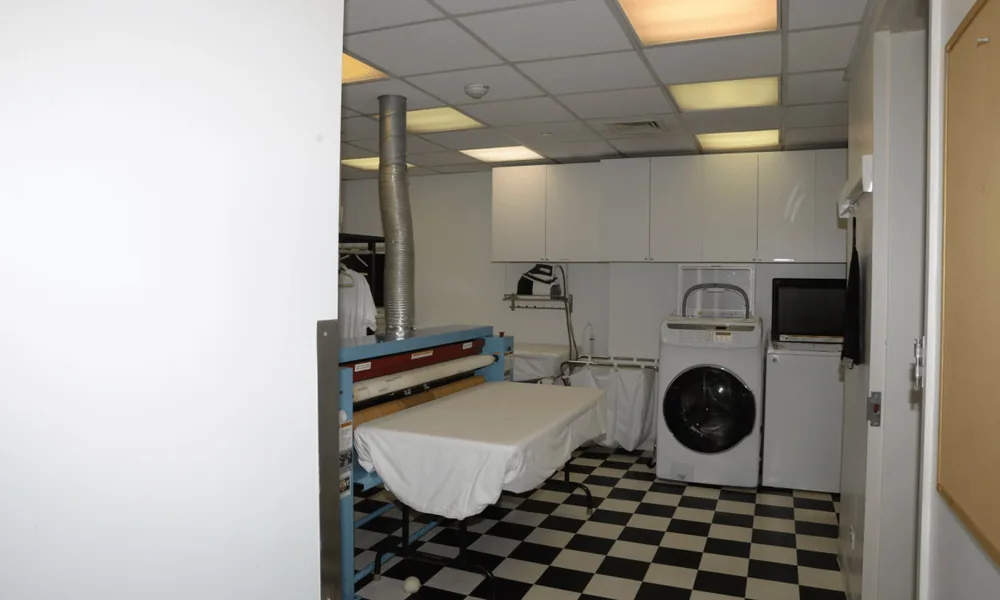
What I use instead is simple: a sink, a bar of soap, and a drying rack. The sink washes the clothes, the soap cleans them, and the rack dries them in the sun — no noise, no shaking, and no machine to maintain. The clothes last longer, the colours stay bright, and the mornings are quieter. The reason I stopped using a vacuum cleaner makes the same point about machines: the simplest tool is often the best tool, and the machine that promises to save you often costs more than it saves.
What changed after a year
A year after I stopped using the washing machine, the clothes last longer, the bill is smaller, and the laundry is no longer a chore I dread. The sink is full, the rack is in the sun, and the shirts smell of nothing — no detergent, no shake, and no stale air. The machine that shook all day is gone, and the laundry that was noisy and expensive is now quiet and cheap — the year that was expensive is now cheap. The money I saved on electricity and repairs paid for better soap, a better rack, and a better drying line, and the clothes are better for it.
The biggest change was not the clothes — it was me. I stopped dreading the laundry, because the laundry was no longer a machine: it was a sink, a bar of soap, and ten quiet minutes, and the pile never came back. The washing machine had made washing a job; the sink made it a habit. The laundry that is washed by hand is the laundry that is done, and the habit that is easy is the habit that lasts.
The lesson is not that washing machines are bad — it is that they are not the only way. A sink, a bar of soap, and a drying rack wash clothes as well as a machine, and they do it quietly, cheaply, and without eating your shirts. The machine is the thing that promises to wash the clothes, and the sink is the tool that actually does. The home that has no washing machine is the home that is quiet — and the clothes that come back are worth more than the machine ever was.
Frequently asked questions
Is it really possible to wash clothes without a washing machine?
Yes — a sink, a bar of soap, and a drying rack wash almost every load you own, and the rare load that needs a machine costs a few pounds at the laundrette. The laundry that is washed by hand is the laundry that is done, and the home that has no washing machine is the home that is quiet.
What about big loads — do they need a machine?
Big loads are the hardest, but a bath, a plunger, and a drying line move the wash where it belongs. The load that is big is the load that needs the bath most, and the machine that shakes is the machine that helps least.
How much money did you save by stopping?
About $200 a year — the electricity, the water, and the repairs — and the soap, the rack, and the line cost under $50. The money is real, but the quiet is worth more than the money, and the year that is cheap is the year that is comfortable.
Do you miss the washing machine?
No — I miss nothing about it. The shake, the noise, and the ruined shirts are gone, and the clothes last longer without it. The machine is the thing I do not miss, and the sink is the tool I will never give up.
Would you recommend stopping to others?
Yes — try it for a month, and see how the clothes feel. The sink is free, the soap is simple, and the quiet is worth more than the machine. The home that has no washing machine is the home that is quiet — and the month that you try it is the month that changes your mind.

Keep what speaks to you.
Leave room for your own perspective.


