I did not stop buying things on Amazon because of one bad order. There was no broken parcel and no missing delivery. I stopped because the boxes kept arriving and I could not remember why I had wanted most of what was inside them.
For years, Amazon was my first stop for almost everything: a light bulb, a phone case, a book, a gift. I searched, I clicked, and it arrived. But when I read a month of orders, most were not things I had planned to buy.
This is not a story about cancelling a membership. It is about the buying itself: the one-click orders, the late-night carts, and the small purchases that added up to a much bigger bill than I ever admitted.
Key takeaways
- One-click buying removed the pause between wanting and paying.
- My cart became a wish list I kept paying for.
- Recommendations and deals turned small wants into urgent purchases.
- What arrived often disappointed me or duplicated what I owned.
- Buying elsewhere slowed me down, and slower shopping saved money.
The Moment I Counted the Boxes
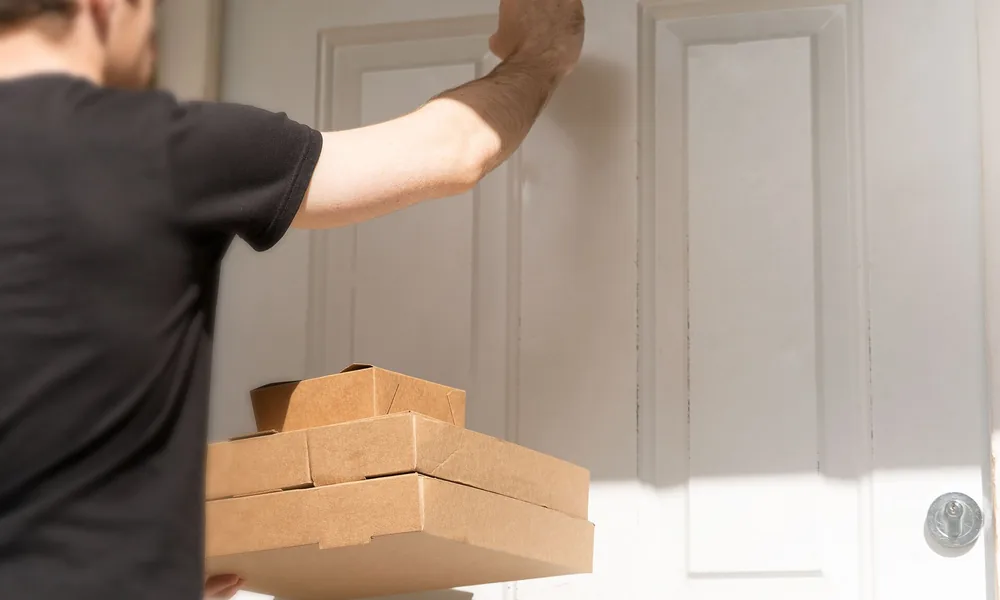
One week I counted the flattened cardboard by the back door: seven boxes in seven days, for one person. My order history told the same story: chargers for devices I no longer owned. I had already written about why I stopped paying for Amazon Prime, and that was about the membership fee. This was different. The fee was small, and the buying was the real bill.
One-Click Buying Took Away the Pause
The cleverest thing about buying there was how little it asked of me: one click, and the decision was made. In a shop there is a natural pause, as you carry something to the till and can change your mind. Online, that pause was designed away, and my worst purchases all happened late at night, tired and scrolling.
My Cart Became a Wish List I Paid For
I told myself the cart was harmless: I would add things I liked and only buy the sensible ones. That is not what happened. The cart became a holding pen for every passing want, and every few days I would buy most of it in one go. A week later I would find something in a cupboard I did not recognise.
The Recommendations Knew Me Too Well
Every page suggested something else I might like, and the suggestions were good, based on what I had bought and lingered over. I would go looking for one thing and leave with three. The only way to beat them was to stop opening those pages.
Deals and the Fear of Missing Out
Then there were the deals: a countdown timer, a limited-time price, a badge saying only a few were left. I knew they were designed to make me hurry, and they worked anyway. I bought things on sale I would never have bought at full price. A bargain you do not use is just a cheaper mistake.
What Arrived Was Rarely What I Imagined
Buying from a photo is a gamble, and I lost it more often than I admitted. Colours looked different in real life, sizes were wrong, and materials felt cheaper than on screen. In a shop, I can hold something and walk away. On a screen, I was buying a promise.
The Duplicates and the Drawer of Extras
The clearest sign something was wrong was the drawer of cables, chargers, and small gadgets that might be useful one day. Mine was full of Amazon: four chargers for a phone I no longer had, two almost identical kitchen tools. Duplicates happened because buying was so easy I never checked what I already owned.
Returns Cost More Time Than Shopping Saved
People say online shopping saves time, and in one sense it does. But nobody counts the time spent on returns: printing a label, repacking a box, finding a drop-off point, waiting for a refund. Each return took longer than the order that caused it.
Before and After: How My Spending Changed
The change showed up in small ways: fewer boxes, fewer surprises, and a bank statement I could explain.
| Habit | Before: buying on Amazon | After: buying elsewhere |
|---|---|---|
| Orders | Several small orders every week | One planned shop a week, at most |
| Impulse buys | Most orders started with a scroll | Rare, because buying takes effort again |
| Duplicates | Common, I rarely checked what I owned | Rare, I check the cupboard first |
| Unopened items | A regular pile by the door | Almost none |
| Returns | Frequent, and each one ate an afternoon | Very few, because I try before I buy |
| Money feeling | Surprised by the monthly total | Calm, I know where it went |
The biggest change was the feeling: I stopped being surprised by my own spending. These best ways to track your spending are a good place to start.
Where I Buy Things Now
Stopping did not mean stopping shopping. It meant shopping where buying takes a little more thought. For everyday things, I go to local shops, where I can hold an item and compare it. For books, I use the library first and a local bookshop second. For many things, I buy secondhand: cheaper, often better made, and without the packaging mountain.
My Checklist Before I Buy Anything
I needed rules, because willpower fails at midnight, when you are tired and the screen is glowing. These six questions are the ones I ask before I buy anything.
- Do I need this in the next two weeks, or just want it now?
- Do I already own something that does this job?
- Have I waited at least three days since I first wanted it?
- Can I hold it or try it before paying?
- Where will it live, and what will I stop using to make room?
- If it cost twice as much, would I still buy it today?
If the answer to any of those is no, I do not buy it. Most wants fail the three-day test. It is the same check I applied when I wrote about why I stopped paying for subscriptions I don’t use.
Frequently Asked Questions
Did you stop shopping online completely?
No. I stopped buying things on Amazon, not online altogether. I still order from small shops with their own websites.
What about things you can only find on Amazon?
Very few things are truly only available there. I usually found them direct from the maker or secondhand.
Did you save much money?
Yes, but not one big number. It was dozens of small purchases that never happened: the gadget, the extra cable, the unread book.
Was it hard to break the habit?
For about two weeks, yes. I kept opening the app without thinking. I removed it from my phone and kept a paper list instead.
Do you miss the convenience?
Sometimes, when I need something quickly. But I miss it far less than I expected.
Would you ever go back?
Only if my life changed in a way that made it necessary, and even then I would keep the checklist.
Bottom line: I stopped buying things on Amazon because the ease of it cost me more than money: attention, space, and the pleasure of choosing well. Buying slower, in person, and with a short list of honest questions has left me with fewer things and more of what I actually wanted.
Note: This is a personal opinion based on my own shopping habits, not financial advice. Your needs may be different. Written for Face Zem.

Keep what speaks to you.
Leave room for your own perspective.