
Medical bills have a way of arriving at the worst possible time. A routine visit turns into lab work, a prescription turns into a refill, and a simple health issue becomes a financial one too. A health savings account, usually called an HSA, is a useful tool for that problem, yet many people who qualify for one never open it.
What Is a Health Savings Account?
A health savings account is a tax-advantaged savings account used to pay for qualified medical expenses. You put money in, it sits there until you need it, and you withdraw it to cover costs like doctor visits, prescriptions, dental work, and vision care.
What makes an HSA different from an ordinary savings account is the tax treatment. In the United States, contributions are generally tax-deductible, the money grows tax-free, and withdrawals for qualified medical expenses are also tax-free. That combination is often called a triple tax advantage, and no other common savings account offers all three. An HSA is not health insurance, though. It works alongside your plan, giving you a place to save for costs your plan does not cover, such as your deductible and copays. It helps to know how a regular savings account works to see the contrast.
Who Can Open an HSA?
Not everyone can open an HSA. The main requirement is coverage by a high-deductible health plan, often shortened to HDHP. It has a higher deductible than a standard plan, usually paired with lower monthly premiums.
Many employers offer an HSA alongside a high-deductible plan, and some contribute to it on your behalf. If yours does not, you can open one yourself through a bank or credit union, as long as you have qualifying coverage.
How Does an HSA Work?
Once your account is open, the cycle is simple. You contribute money, it is available when you need it, and you spend it on qualified medical expenses. Contributions can come from you, your employer, or both, and many people have them taken directly from their paycheck. The IRS sets an annual limit, higher for family coverage than for self-only coverage, and older account holders may make extra catch-up contributions.
When a medical bill arrives, you can pay it from your HSA, often with a linked debit card. You can also pay out of pocket and reimburse yourself later, as long as you keep your receipts. That means you can let the money grow and reimburse yourself years later. Best of all, the money is yours. The balance does not disappear at the end of the year. It rolls over, year after year, and stays with you even if you change jobs or switch health plans.
What Can You Pay for With an HSA?
HSA money can be used for a wide range of qualified medical expenses, including doctor and specialist visits, hospital stays, lab tests, prescriptions, dental treatments, eye exams, glasses, and contact lenses. Mental health care and many preventive services also qualify.
Some expenses do not qualify, such as cosmetic procedures, general health club memberships, and vitamins bought for general wellness. If you spend HSA money on something that does not qualify before a certain age, the withdrawal is taxed and may carry an extra penalty. Because the list can change, check current IRS guidance before paying for something unusual from your HSA, and keep your receipts.
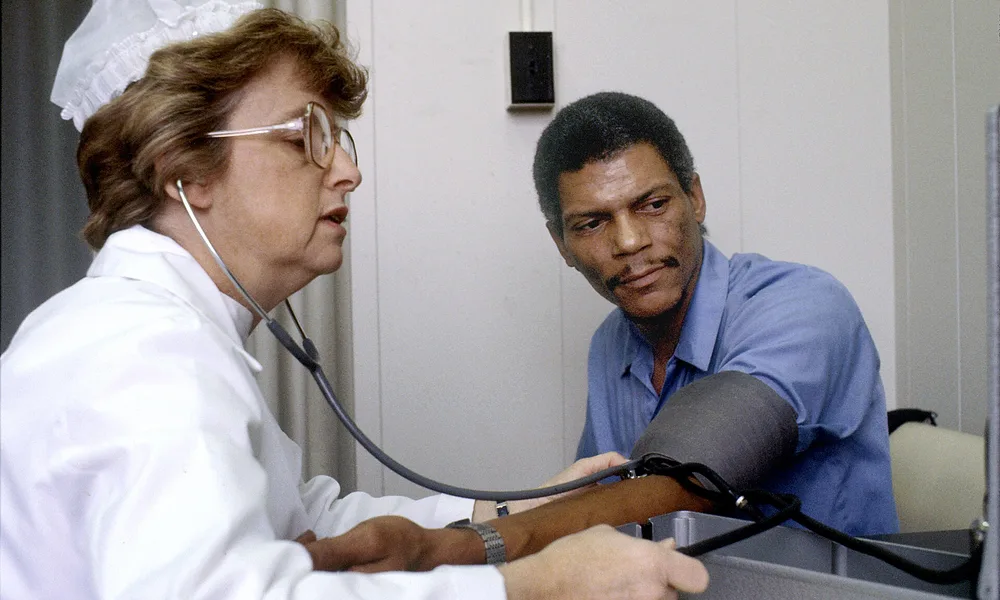
The Pros and Cons of an HSA
The Advantages
The tax treatment is the headline benefit. Few accounts let money go in tax-free, grow tax-free, and come out tax-free for the right expenses. The money rolls over indefinitely, so there is no end-of-year rush to spend it. The account belongs to you, not your employer, so you keep it when you change jobs. Over time, an HSA can become more than a medical fund: once your balance grows beyond near-term needs, many providers let you invest the extra.
The Drawbacks
The biggest drawback is the requirement itself. You must carry a high-deductible plan, which means a large bill could land before your insurance starts helping. If you have a chronic condition or expect major medical costs, a high deductible can be expensive and stressful. Contribution limits cap yearly savings, and using the money for non-medical expenses before retirement age triggers taxes and penalties.
HSA vs. FSA: What Is the Difference?
An HSA is often confused with a flexible spending account, or FSA, but they are different. An FSA is also used for medical expenses and offers tax advantages, but it is tied to your employer and usually comes with a use-it-or-lose-it rule: money left at the end of the plan year is often forfeited. An HSA, by contrast, is yours to keep, and the balance rolls over without a deadline. You can only have an HSA with a high-deductible plan, while an FSA can pair with many types of plans.
How to Make the Most of an HSA
Start by contributing regularly, even if the amount is small. Automatic transfers from your paycheck make this easy, and small contributions add up. Keep a general safety net alongside it too, so building an emergency fund is a smart companion step. Once your balance covers a year or two of typical medical costs, look into investing the surplus. A simple diversified choice such as a target-date fund is one option many people consider for long-term money. Invested money can fall as well as rise, so keep enough cash for expenses you may need soon.
Frequently Asked Questions
Can I use my HSA for my family’s medical expenses?
Yes. With family coverage, you can generally use HSA money for qualified expenses for yourself, your spouse, and your dependents, even if they are on a different health plan.
What happens to my HSA if I change jobs?
Nothing. The HSA is your account, not your employer’s, so the full balance moves with you. You can keep using it and keep contributing if your new coverage still qualifies.
Do I lose my HSA money at the end of the year?
No. Unlike an FSA, HSA funds roll over from year to year with no deadline. The balance keeps growing as long as you contribute more than you spend.
Can I invest the money in my HSA?
Most providers offer investment options once your balance passes a minimum, which is often modest. You can typically choose from mutual funds and similar options, and growth is tax-free as long as withdrawals pay for qualified medical expenses.
What happens to my HSA when I retire?
Your HSA stays with you into retirement, when medical costs often rise. After a certain age, withdrawals for non-medical expenses are taxed as ordinary income but no longer carry the extra penalty, so the account works more like a traditional retirement account.
Can I open an HSA if I am self-employed?
Yes, as long as you are covered by a qualifying high-deductible health plan. Self-employed people can open an HSA through a bank or other approved provider, subject to the same annual limits.
The Bottom Line
A health savings account is a simple idea with a powerful payoff: a dedicated, tax-advantaged place to save for medical costs that you own, that rolls over every year, and that can grow into a long-term asset. It is not right for everyone, because it requires a high-deductible plan, but for people who qualify, it is one of the most flexible savings tools available.
If you have a high-deductible plan and do not yet have an HSA, opening one and contributing even a small amount each month is a strong first step. One final note: tax rules and contribution limits change over time. This article is general education, not tax advice. Before making decisions, check the current IRS guidance or speak with a qualified tax professional.

Keep what speaks to you.
Leave room for your own perspective.


