Every extra dollar you have seems to face the same choice: should it go toward paying off debt, or should it go into savings? Both goals matter, and both feel urgent. Debt charges interest every month, while savings protect you when life goes wrong. Choosing the wrong order can cost you money, but there is a clear, sensible order that works for most people.
The short answer is to do a little of both, but not in equal amounts at the same time. First, build a small safety cushion. Then attack expensive debt with everything you can spare. Once that debt is gone, shift your focus to building real savings. This order protects you from new debt while cutting the interest that eats your money.
The Short Answer: Do Both, In the Right Order
Paying off debt and saving are not enemies. They are two parts of the same plan, and the order matters more than the speed. If you throw every spare dollar at debt and keep nothing in reserve, one flat tire or one broken appliance can send you straight back to a credit card. If you save while ignoring high-interest debt, the interest you pay can easily wipe out the interest your savings earn.
That is why the best plan is a sequence, not a single choice. You start with a small cushion, then you focus on debt, then you build savings in earnest. Each step makes the next one easier, and once you have no expensive debt, your savings can finally grow instead of just covering interest charges.
Why High-Interest Debt Usually Comes First
High-interest debt is expensive in a way that is easy to underestimate. A credit card charging 20 percent interest or more grows fast, and minimum payments barely move the balance. If you owe $3,000 at 22 percent interest and pay only the minimum, you can spend years paying and still owe a large part of what you started with.
Savings accounts, on the other hand, usually pay only a few percent in interest. Even a good high-yield savings account cannot compete with the cost of credit card debt. The math is simple: paying off a debt that costs 22 percent a year is like earning a guaranteed 22 percent return, with no risk at all. No savings account offers that.
That is why experts usually say to prioritize high-interest debt: it works against you every day, while savings at a low rate only slowly work for you. Low-interest debt is different, so saving at the same time often makes sense there.
The One Exception: A Small Emergency Cushion First
Before you attack your debt with full force, save a small emergency cushion first. Aim for $500 to $1,000, or about one month of essential expenses if you can manage it. This is not your full emergency fund. It is a starter cushion, and its job is simple: to stop small emergencies from becoming new debt.
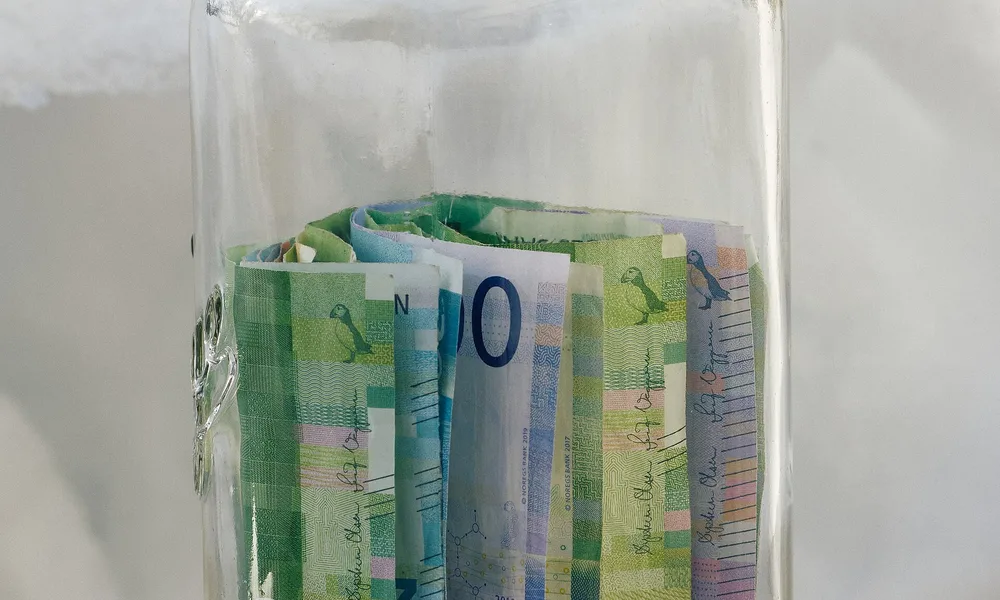
Without even a small cushion, a car repair or a medical bill can force you back to a credit card, and then you are paying interest on the new debt while still trying to clear the old one. A starter cushion breaks that cycle. Keep it in a separate savings account, so you are not tempted to spend it, and then turn your full attention to debt. If you want a fuller plan for this first step, read our guide on how to build an emergency fund fast.
When Saving Should Come First
There are a few situations where saving takes priority over paying off debt. The first is when your employer offers a retirement match. If your job matches part of your retirement contributions, contribute at least enough to get the full match before you put extra money toward debt. That match is free money, and skipping it is like turning down a pay rise.
The second is when your debt is low-interest and manageable, such as a mortgage at a low fixed rate. If your payments are affordable and you are not falling behind, saving and investing at the same time can be the smarter move.
The third is when you are saving for something urgent and specific. If you need a car repair to keep your job, or a deposit to move somewhere safer or cheaper, that goal may come first. Money is a tool, and the best use of it is the one that protects your income and your stability.
A Simple Order That Works for Most People
If you want a plan you can follow without overthinking it, here is the order that works for most households:
- Save a starter cushion of $500 to $1,000.
- Pay at least the minimum on every debt, every month, without fail.
- Put every extra dollar toward your highest-interest debt until it is gone, then move to the next one.
- Once high-interest debt is cleared, build a full emergency fund of three to six months of expenses.
- Then split your extra money between longer-term savings, retirement, and any remaining low-interest debt.
This order balances safety and speed. The starter cushion protects you. Paying minimums protects your credit. Attacking the most expensive debt first saves the most interest. And building a full emergency fund after the debt is gone means you can save faster, because no monthly debt payment is eating your paycheck. For a closer look at how the next step fits in, see emergency fund vs investing: which comes first.
How to Split Your Extra Money
Once your starter cushion is in place and your high-interest debt is gone, the question changes. Now you can split your extra money between saving and paying down any remaining debt. A simple split is to put half toward savings and half toward extra debt payments. If your debt is cheap and your savings goal is urgent, such as a house deposit, you might save more. If you want the freedom of being fully debt-free, you might pay debt faster.
The exact split matters less than the habit. Automate it: an automatic transfer to savings on payday, and an automatic extra payment to your loan on the same day. When a debt is cleared, redirect that whole monthly payment to your next goal instead of letting it melt into everyday spending. If your income is tight, our guide on how to pay off debt fast on a low income has practical steps that fit a small budget.
Common Mistakes to Avoid
The first mistake is waiting for the perfect moment. Start small, even with $25 or $50 a month, and increase it when you can. A small start beats a perfect plan that never begins. The second mistake is saving in a regular spending account: if your savings sit next to your everyday money, they will get spent, so keep savings separate and give each pot a clear purpose.
The third mistake is ignoring the interest rate on your debt. A credit card at 24 percent deserves your attention long before a loan at 5 percent does. And the fourth is forgetting to notice your progress: celebrating a paid-off card or a savings milestone, in a modest way, keeps you motivated for the long run.
The Bottom Line
Paying off debt vs saving is not a contest with one winner. The smart move is to save a small cushion first, then clear expensive debt, then build your savings properly. That order protects you from new debt, cuts the interest that holds you back, and leaves you free to save with real momentum. Start with whatever you can afford this month, follow the order, and let each step make the next one easier.

Keep what speaks to you.
Leave room for your own perspective.