
Martin Scorsese did not build his fortune by chasing trends. He built it by returning, film after film, to the same obsessions: loyalty, guilt, ambition and the price of power. From Little Italy to the biggest stages in cinema, he turned crime stories into art.
His path was never a straight climb: early masterpieces made for almost nothing, long stretches when studios ignored him, and a late-career reinvention that made him more valuable at eighty than at forty.
Today Scorsese is both a cultural institution and a working filmmaker who still commands enormous budgets. His wealth is the result of six decades of directing fees, producing work, backend participation and streaming deals.
Key takeaways
- Martin Scorsese’s net worth in 2026 is estimated at around $200 million, built over six decades of directing.
- His fortune comes from directing fees, producing and streaming deals, not one blockbuster.
- Crime epics like Goodfellas made his name; prestige films like The Irishman raised his value late in his career.
- His partnership with Leonardo DiCaprio became one of modern cinema’s most bankable director-actor pairings.
- His wealth strategy mirrors his filmmaking: patience, mastery of one craft and no chasing of short-term trends.
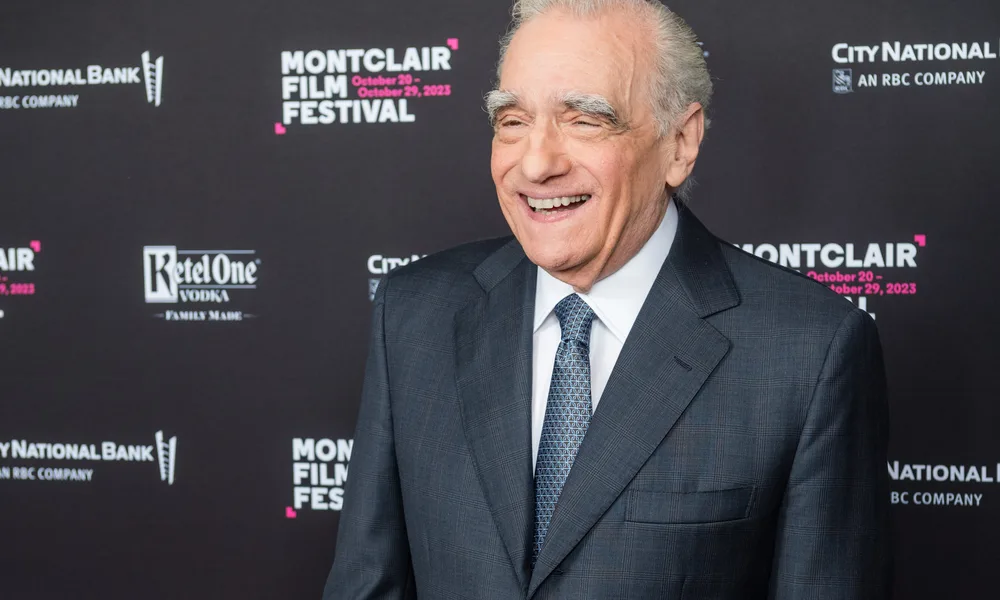
Martin Scorsese Net Worth in 2026
Martin Scorsese’s net worth in 2026 is estimated at around $200 million. That figure is an estimate, not a confirmed total, because directors of his standing earn through fees and profit participation that is never fully public. Longevity turned a respected career into a genuine fortune.
To understand what net worth really means, look past the headline number. A director who can still greenlight a $200 million film in his eighties holds an asset no bank account can measure: the trust of studios, streamers and financiers.
| Income source | How it works | Role in his fortune |
|---|---|---|
| Directing fees | Upfront salary per film | The steady foundation |
| Backend participation | A share of profits on hits | Large payouts on hits |
| Producing | Fees and equity on films and series | Income beyond directing |
| Streaming deals | Large upfront payments from Netflix and Apple | Biggest late-career paydays |
From Little Italy to the Director’s Chair
Scorsese was born in 1942 in Queens and raised in Little Italy, Manhattan, a neighbourhood that shaped his imagination. As a child with severe asthma, he spent long hours indoors watching films, while the gangsters outside his window became the raw material of his cinema.
The breakthrough came with Mean Streets in 1973, a film that cost almost nothing and changed American cinema. Taxi Driver followed in 1976, won the Palme d’Or at Cannes and made Scorsese one of the most talked-about directors in the world.
The Crime Epics That Built the Fortune
Crime was never just a genre for Scorsese; it was a way of writing about America. Goodfellas, released in 1990, remains the purest expression of that idea: a three-decade rise and fall, funny and terrifying at once. It cemented his status.
Casino followed in 1995, and then The Departed in 2006, which won him the Academy Award for Best Director and earned close to $300 million worldwide.
These films never stop earning. They are rewatched, re-released and licensed to streamers, keeping royalties flowing for decades. A crime epic, in Scorsese’s hands, behaves like an asset that appreciates.
The Prestige Turn: Awards, Patience and Bigger Budgets
The second half of Scorsese’s career shows how prestige itself becomes wealth. After The Departed, he could command budgets and final cut younger directors only dream of. The Wolf of Wall Street, a black comedy about financial fraud, became his highest-grossing film.
Then streaming platforms arrived with cheques traditional studios would not write. Netflix financed The Irishman, a three-and-a-half-hour epic, at a reported cost of around $200 million. Apple funded Killers of the Flower Moon at a similar scale.
That is the prestige model: when your reputation is the marketing, financiers pay for certainty. Scorsese spent decades building it, and the streaming era finally priced it properly.
The DiCaprio Partnership and the Economics of Trust
Scorsese’s most valuable business relationship may be his creative one with Leonardo DiCaprio. Beginning with Gangs of New York in 2002, the pair made six films together, including The Aviator and The Departed. Each collaboration reduced risk for financiers, because the pairing promised quality and box office.
His earlier partnership with Robert De Niro worked the same way across eight films, from Mean Streets to The Irishman. Long-term relationships with the right people make every next deal easier.
Producing, Preservation and the Business Beyond Directing
Scorsese’s work beyond directing shows a businessman who understands that legacy is an asset. He founded the Film Foundation, which has restored hundreds of classic films, and his advocacy for preservation made him a spokesman for the art form.
His production company has shepherded projects by other directors, giving him income and reach beyond his own filmography. The best books about money for beginners make the same point he lives by: wealth grows when you invest in mastery first and let the market catch up.
Scorsese Beside Other Legendary Directors
Placed beside his peers, Scorsese’s fortune is impressive but not the largest in Hollywood. Directors who built franchises accumulated far greater wealth; his came from the work itself, film by film.
| Director | Estimated net worth | How the fortune was built |
|---|---|---|
| Martin Scorsese | Around $200 million | Directing, producing, streaming deals |
| Steven Spielberg | Several billion | Franchises and studio participation |
| Christopher Nolan | Around $250 million | Event films, backend deals |
| Quentin Tarantino | Around $120 million | Writer-director fees, profit shares |
What His Career Teaches About Building Wealth
Scorsese’s fortune carries lessons that have nothing to do with cameras. Mastery compounds: every film made the next one easier to finance. A clear identity is a business asset. And patience pays: he waited decades for an Oscar.
- Master one craft deeply instead of chasing every opportunity.
- Build a clear identity so people know what you stand for.
- Invest in long-term relationships with collaborators you trust.
- Keep working through slow years; reputation compounds quietly.
- Let prestige and quality set your price.
- Study the money habits of self-made millionaires and apply them patiently.
Frequently Asked Questions
What is Martin Scorsese’s net worth in 2026?
Martin Scorsese’s net worth in 2026 is estimated at around $200 million, based on directing fees, producing income and streaming deals across six decades.
How did Martin Scorsese make his money?
He made his money through directing fees on films such as Goodfellas and The Departed, plus producing work and large upfront payments from Netflix and Apple.
What is Martin Scorsese’s highest-grossing film?
The Wolf of Wall Street is his highest-grossing film, earning more than $400 million worldwide. The Departed follows, with close to $300 million.
How many films has Martin Scorsese made with Leonardo DiCaprio?
Scorsese and DiCaprio have made six films together: Gangs of New York, The Aviator, The Departed, Shutter Island, The Wolf of Wall Street and Killers of the Flower Moon.
Did Martin Scorsese win an Oscar?
Yes. Scorsese won the Academy Award for Best Director for The Departed in 2007, after several earlier nominations. The win raised his market value and opened the door to his later prestige projects.
Is Martin Scorsese still making films?
Yes. He remains active as a director and producer well into his eighties, still commanding major budgets.
Bottom Line
Martin Scorsese’s estimated $200 million fortune is the financial shadow of an artistic life lived without compromise. He got rich by making films only he could make, year after year, until the industry paid him what that rarity was worth.
Note
All net-worth figures here are estimates based on publicly reported career earnings. Treat the $200 million estimate as a guide to scale, not an exact accounting.

Keep what speaks to you.
Leave room for your own perspective.


