
A jute farm installation startup grows jute, and jute is a fibre crop, not a food crop and not a fruit crop. The work runs in a fixed order: fields are chosen for deep, well-drained soil, seed is sown in the warm wet season, the tall stand is weeded and watched, the crop is cut at the base when the stalks are tall and the fibre is ready, the cut stalks are bundled, the bundles are hauled to the mill gate, seed is saved from a marked seed plot, the stalk lots are graded, and the sales are recorded in the ledger. That is the whole trade, and every tool in this guide serves one step of it.
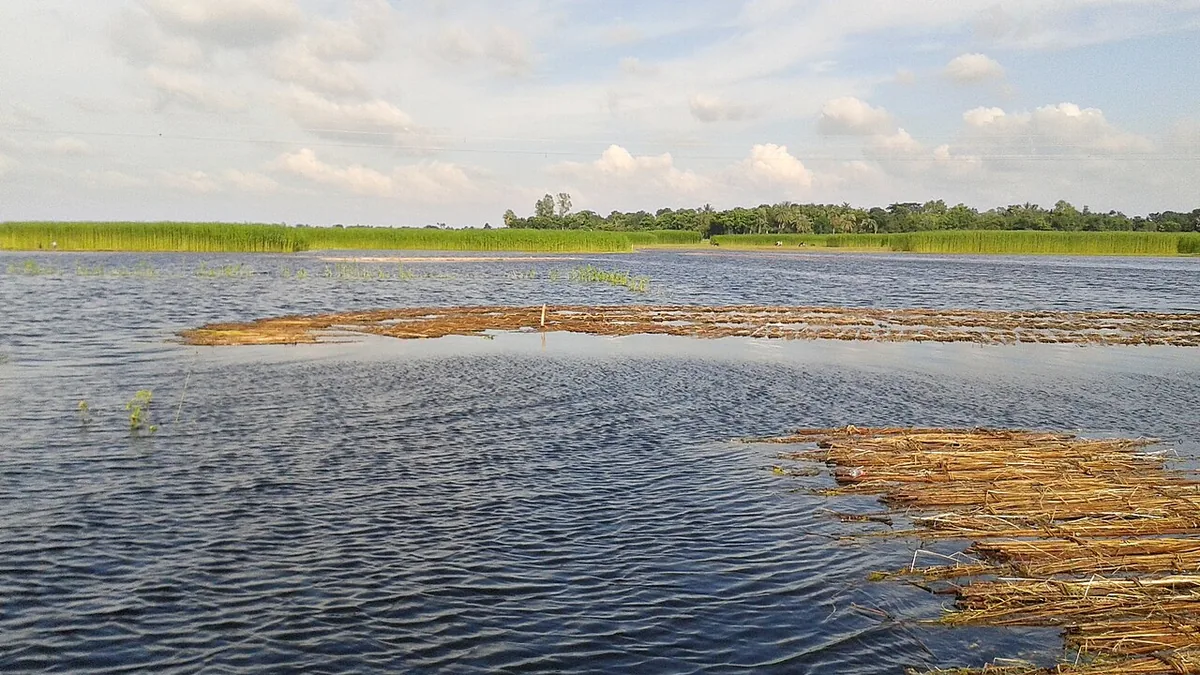
The line between the farm and the mill is drawn by the mill itself. The guide to the jute mill puts it plainly: the farm grows the jute and cuts it, and the miller takes the stalks from there. Bundles of tall, woody stems arrive at the mill gate on lorries, and what leaves the mill gate is something else entirely — clean, golden fibre, graded, dried and pressed into bales. The heart of that work is retting: jute stalks are steeped in water until the gum that binds the fibre to the woody core softens, and then the fibre is stripped out by hand, washed clean, dried in the yard and graded. So a jute farm installation startup buys fields, sowing kit, cutters and lorries, while a mill buys retting tanks, stripping lines and a bale press, and the two startups never buy the same kit.
This guide compares the nine AI tools a new jute farm installation startup needs first, in the order the season runs: siting and sowing, growing and cutting, bundling and selling. Each tool is judged on the jute farm build alone — open fields, a cut stalk crop, bundles sold to mills — and not on any mill, workshop or orchard job. One difference runs through the whole guide and is worth stating plainly at the start: flax is pulled, roots and all, because the full length of the stem is the fibre, but jute is cut at the base, because jute grows tall and woody and is harvested with a sickle or cutter, and the cut is the harvest step that defines this farm.
Key takeaways
- A jute farm grows a fibre crop for its stalks: choose fields, sow, weed, cut, bundle, haul the stalks to the mill, save seed, grade the lots, and keep the ledger.
- Jute is cut, never pulled — the opposite of flax, which is pulled roots and all — because jute is a tall woody stem crop harvested at the base.
- The farm ends at the mill gate: the mill rets the stalks, strips the fibre, washes it, dries it and presses it into bales, and the farm never does any of that.
- Buy the siting and sowing tools first, the cutting and bundling tools second, and the grading and ledger tools once the first stalks are sold.
- Retting tanks, stripping sheds and a bale press belong to the mill, and spinning and weaving belong further down the chain — none of them is farm kit.
What a jute farm installation startup actually builds
A jute farm installation startup builds a working fibre farm from bare ground. The pieces are fields with deep, fertile, well-drained soil, a sowing setup that places seed at an even rate and depth, a weeding plan that keeps the young stand clean, a cutting crew with sickles or a cutter that takes the crop at the base, a bundling setup that ties the cut stalks into firm bundles, lorries or carts that carry the bundles to the mill, a marked seed plot where a few plants are left to set seed, dry storage for the saved seed, and a grading and ledger setup for the stalk sales. There is no retting tank, no stripping shed and no bale press on a farm, because retting, stripping and baling are mill work, done after the stalks change hands.
The clearest way to see the farm is to set it against its neighbours. A flax farm that grows fibre for its stems is the closest planting trade, and the harvest is where the two part: flax is pulled out of the ground, roots and all, so the fibre runs the full length of the stem, while jute is cut at the base with a sickle, because jute stalks are tall and woody and the cut is quick, clean and suited to a crop that grows head-high in a wet season. A guava farm is the opposite kind of planting trade in this batch: a tropical fruit tree grown for fresh fruit and pulp, with varieties, pruning and ripening, while jute is an annual fibre crop sown in open fields and cut in one pass. A cotton farm picks bolls and gins them; a jute farm cuts stalks and never gins anything. A spinning workshop buys dressed fibre and turns it into yarn in a room; a jute farm grows the raw crop in fields and sells stalks.
That is why the startup’s money goes where it does. The expensive decisions are the field and the cut: which ground to sow, how thick to sow it, when to cut, and how to get the bundles to the mill before the stalks dry out and the fibre turns coarse. Get the sowing wrong and the stand grows thin and branchy, which is useless fibre. Cut too early and the fibre is weak; cut too late and the stalks turn woody and the gum sets hard, which makes the miller’s retting longer and the grade lower. The AI tools below exist to take the guesswork out of those decisions, and a founder who buys them in season order spends less and learns faster than one who buys everything at once.
Tools for siting, sowing and growing
The first three tools cover the start of the season: choosing the ground, sowing it, and watching the stand grow. Mistakes here cannot be fixed later in the year, so these are the tools to buy before the first bag of seed is opened.
1. JutePlot Survey AI: the best tool for siting jute fields
JutePlot Survey AI maps the ground before anything is sown. It takes soil records, drainage maps, slope and aspect, field history and rotation records, and turns them into a ranked list of fields that suit jute and fields that do not. Jute wants deep, fertile loam with free drainage and a warm, wet growing season, and it punishes waterlogged ground and ground that grew jute last year, because the crop draws hard on the soil and carries pests forward when it is sown on the same field season after season. The tool flags low-lying corners that will hold water, heavy patches that will stay cold at sowing, and fields still carrying weed seed from a bad rotation, and it draws the sowing plan field by field so the sowing crew never has to guess where to start.
For a startup the value is that it stops the most expensive mistake in the trade: sowing good seed on the wrong field. A field that looks fine from the gate can hide a wet hollow that drowns a strip of crop, and a strip lost at sowing is a strip lost for the year. JutePlot Survey AI also keeps the rotation honest, because a founder juggling rented ground can easily lose track of which field grew jute two years ago. It costs little against a season of seed, and it is the first tool to buy, weeks before sowing.
2. JuteSeed Sower AI: the best tool for setting seed rate and sowing depth
JuteSeed Sower AI sets the sowing. Jute fibre is a numbers game: sow too thin and the plants branch, grow short and produce coarse fibre; sow too thick and the stand lodges, falls flat in the first storm, and rots where it lies. The tool takes the seed lot, its germination rate, the field conditions from the survey, and the target stalk height, and gives a seed rate in kilos per hectare and a sowing depth in millimetres.
The practical test is the stand a month after sowing: even, upright, unbranched stalks standing close together like a green wall. JuteSeed Sower AI keeps a record of every field’s rate, depth, date and seed lot, so when one field outperforms another the founder can see why instead of guessing. It is a small tool with a large effect, because every kilo of seed saved and every centimetre of stalk gained is decided in the week of sowing, and nothing later in the season can add height to a stalk that grew short.
3. JuteStand Watch AI: the best tool for watching stand growth and lodging risk
JuteStand Watch AI watches the crop grow. It reads field photos, weather data and growth-stage records and reports stalk height, stand density, flowering progress and lodging risk field by field. Jute grows fast in the wet season and the window between full height and cutting is short, so a founder who walks every field every day wastes the season walking, while a founder who never walks misses the day the crop starts to lean. The tool flags the fields that are growing too tall and thin, the patches where the stand has thinned, and the corners where weeds are overtaking the crop, and it ranks fields by cutting readiness as the season closes.
The lodging warning is the feature that pays for the tool. A lodged jute crop — stalks bent flat by wind and rain — is hard to cut cleanly, tangles in the bundling, and grades down at the mill. JuteStand Watch AI watches wind forecasts against stalk height and warns a day or two before a risky blow, so the founder can cut the most exposed field early rather than lose it.
Tools for weeding, cutting and bundling
The middle three tools cover the heart of the season: keeping the stand clean, cutting the crop at the base, and tying it into bundles. This is the busiest fortnight of the year, and the tools earn their keep by keeping the cutters moving and the bundles firm.
4. WeedRow Scout AI: the best tool for spotting weeds and planning weeding passes
WeedRow Scout AI finds the weeds before they find the crop. It reads field photos and weeding records and maps weed pressure row by row, so the founder knows which fields need a weeding pass and which can wait. Young jute is a poor competitor: weeds that overtop the seedlings steal light and water, and a weedy field grows short, branchy stalks that the mill grades down. The tool ranks fields by weed load, sets the weeding order, and records which pass was done where, so no field is weeded twice while another is left to go to seed.
For a startup the tool matters because weeding is easy to leave too late and expensive to catch up. A crew sent to a clean field wastes a day, and a crew sent a week late to a weedy field fights weeds as tall as the crop. WeedRow Scout AI also keeps the seed bank honest: it flags the weed species that are setting seed, so the founder can cut that patch first and keep the weed seed out of next year’s fields. It is the quiet tool of the season, and it is the one that decides whether the stand that reaches cutting height is a clean stand or a weedy one.
5. CutTime Planner AI: the best tool for timing the cut and setting the cutters
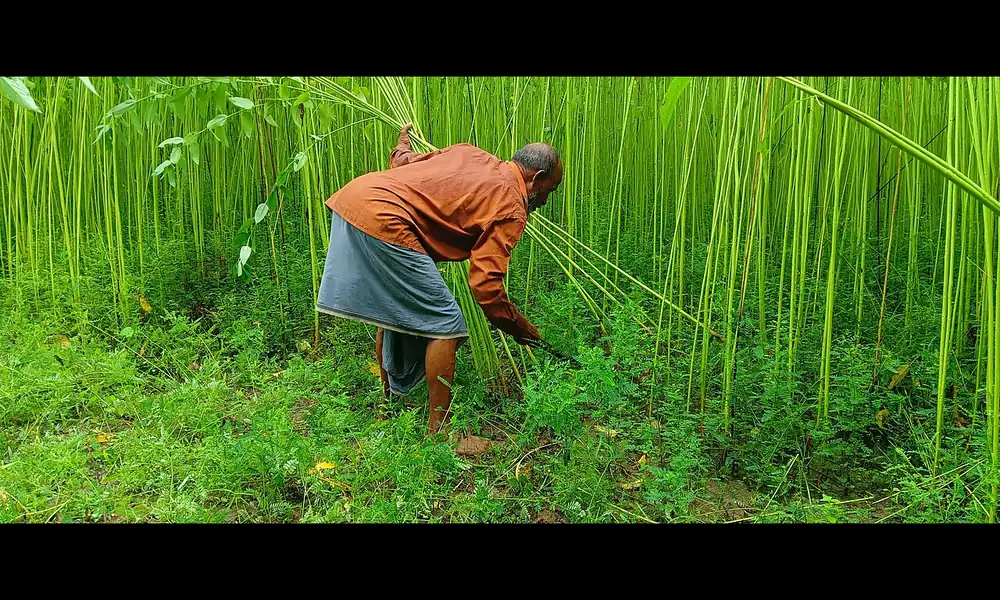
CutTime Planner AI plans the cut. It takes the readiness ranking from the growing season, the weather forecast, the cutting crew’s capacity and the transport available, and builds a day-by-day cutting order: which field first, which crew on which ground, and where the cut stalks go to be bundled. Cutting is the defining act of the trade — the crop is taken at the base with a sickle or a cutter, because jute is a tall woody stem crop and the cut is the harvest. The tool sets the cutting height and the crew pace for the stand it is entering, because a crew set for tall stalks will waste time on short ones and a crew set too low will leave fibre in the field.
The planner also handles the seed plot, which is the part of the harvest a new founder forgets. A strip of each field is marked and left standing so the plants set seed, and that seed is the next season’s sowing. CutTime Planner AI marks the seed plots on the field plan, keeps the cutters out of them, and records which plot’s seed was saved, how it was dried, and where it is stored. It also handles the weather gamble that decides the harvest: cut stalks left lying in rain start to stain, so the tool weighs the forecast against the readiness of each field and tells the founder when to hold a ready field for a dry spell and when to cut into a short gap and bundle fast.
6. StalkBundle Stack AI: the best tool for bundling cut stalks and stacking them dry
StalkBundle Stack AI plans the bundling and the stack. It takes the cutting order, the bundle size the mill wants, and the storage space available, and gives a bundling order, a bundle count and a stacking plan that keeps the stalks in good order until collection. Bundles that are too loose fall apart on the lorry; bundles that are too tight trap damp in the middle. The stack matters just as much: stalks stacked on bare ground draw damp from below, and stalks stacked without cover take the first rain on top. The tool lays out the stack on a dry base, under cover, with air gaps between rows.
The practical gain is fewer spoiled bundles and a tidier yard. A mill’s lorry arrives, loads from a clean dry stack, and leaves; a lorry that has to pick through a collapsed wet stack costs the farm time and the driver patience. StalkBundle Stack AI also counts the bundles as they are made, so the founder knows exactly how many bundles of which field are in the stack, and the count at collection matches the count on the invoice. It is unglamorous work, but the stack is where the season’s money sits, and a tool that keeps it in order earns its place.
Tools for hauling, grading and selling
The last three tools cover the end of the season: hauling the bundles to the mill, grading them for the buyer, and keeping the money records straight. A founder who hauls on time, grades honestly and invoices promptly gets paid in full and gets asked back; a founder who does none of those things gets one season.
7. StalkHaul Route AI: the best tool for planning lorry loads and mill-gate delivery
StalkHaul Route AI plans the haul. It takes the bundle counts from the stack, the lorry capacity, the road conditions and the mill’s intake days, and builds a loading order and a delivery schedule: which bundles go on which lorry, which mill gate they go to, and what time they arrive. Jute stalks are bulky and the bundles are heavy, so a lorry loaded badly carries air and makes two trips where one would do, and a lorry that arrives on a day the mill is not taking stalks waits at the gate with a load that is losing condition. The tool matches loads to lorries and lorries to intake days, so every trip is full and every arrival is expected.
For a startup the tool matters because transport is the cost that quietly eats the season. StalkHaul Route AI records every load against its field and its bundle count, so the delivery note at the mill gate matches the stack count at the farm, and a disputed load can be settled from the record instead of from memory. The farm’s job ends at the mill gate, and this is the tool that makes sure it ends cleanly.
8. StalkLot Grade AI: the best tool for grading stalk lots for mill buyers
StalkLot Grade AI grades the stalks before they are offered for sale. It takes stalk length, straightness, colour, cleanliness and moisture readings from each lot and gives a grade the mill will recognise, with a fair price range for that grade. The farm grades its own stalks first, because a founder who knows the grade of every lot can negotiate with the mill from knowledge instead of hope. The mill will grade the stalks again at its own gate — that is its job — but a farm-side grade that matches the mill’s grade builds trust, and trust is what turns a one-season sale into a standing order.
The tool also stops the commonest first-season error: mixing lots. Stalks from a tall even field and stalks from a short weedy corner are different grades, and bundling them together drags the good stalks down to the bad stalks’ price. StalkLot Grade AI keeps lots separate from the field to the stack to the lorry, and it records the grade of every lot sold, so the founder can see which fields earn the best prices and sow more of them next year. The stalks go on to mills, and a jute mill that rets and strips the stalks into fibre is the farm’s customer: it buys the stalks at the gate, steeps them, strips the fibre, washes it, dries it and grades it, and the farm never does any of that work itself.
9. JuteFarm Ledger AI: the best tool for costing, contracts and stalk sales
JuteFarm Ledger AI keeps the farm’s money records. It tracks the cost of every field — seed, sowing, weeding, cutting, bundling, storage and transport — against the price of every stalk lot sold, and it holds the contracts, delivery notes and buyer records in one place. A jute farm’s year is lumpy: most of the money goes out at sowing and at harvest, and most of it comes back in one or two stalk sales. The ledger shows whether the season made money or not, field by field, instead of leaving the founder to guess from the bank balance.
The contract records are the part a new founder underestimates. Mills buy on contract, with grades, delivery dates and dockage terms, and a founder who cannot find the contract cannot argue the grade. JuteFarm Ledger AI files every contract against the lots it covers, logs every delivery and every payment, and flags any lot that is still unpaid. It also carries the seed records forward: which seed was saved, which was sold, and what it cost. A startup that knows its cost per bundle and its price per bundle can quote the next season with confidence, and a linen mill that weaves line fibre into cloth shows where the chain ends up, two steps past the farm, after the mill has turned stalks into fibre and the weavers have turned fibre into cloth — which is why the farm’s customer is the mill, and why the grade that matters first is the mill’s grade.
Comparing the 9 tools at a glance
| Tool | Best for | Buy it |
|---|---|---|
| JutePlot Survey AI | Choosing and mapping fields for jute | Before sowing |
| JuteSeed Sower AI | Seed rate, depth and sowing calibration | At sowing |
| JuteStand Watch AI | Growth, flowering and lodging warnings | Through the growing season |
| WeedRow Scout AI | Weed mapping and weeding order | Through the growing season |
| CutTime Planner AI | Cutting order, crew pace, seed plots | Before harvest |
| StalkBundle Stack AI | Bundling, stacking and dry storage | At harvest |
| StalkHaul Route AI | Lorry loads and mill-gate delivery | At harvest |
| StalkLot Grade AI | Grading stalk lots for mill buyers | Before sale |
| JuteFarm Ledger AI | Costs, contracts and stalk sales | From the first sale |
Your first-season checklist
- Survey every field before sowing, and sow jute only on the fields the survey ranks suitable, with a clean rotation behind them.
- Calibrate the sowing kit for the actual seed lot, and record the rate, depth and date for every field on the day it is sown.
- Walk the stand weekly once it is up, weed the worst fields first, and cut the most exposed field early if the lodging warning says a hard blow is coming.
- Cut at the base, keep the seed plots standing, bundle only firm dry stalks, and never send retted fibre or baled fibre to the mill — the mill does the retting, stripping and baling.
- Stack the bundles off the ground under cover, count every bundle, and load full lorries on the mill’s intake days.
- Grade each lot separately, keep the lots separate to the lorry, and file the contract, delivery note and payment for every sale.
Frequently asked questions
What is a jute farm installation startup?
It is a startup that sets up a farm to grow jute as a fibre crop. The farm chooses fields, sows seed in the warm wet season, weeds and watches the stand, cuts the crop at the base, bundles the stalks, hauls them to the mill, saves seed from a marked plot, grades the stalk lots, and sells them to a mill. The startup installs the fields, the sowing kit, the cutting crew, the bundling setup, the transport and the AI tools that plan each step.
How is a jute farm different from a flax farm?
The harvest is different, and the harvest decides the tools. Flax is pulled out of the ground, roots and all, because the full length of the stem is the fibre and cutting would shorten every strand. Jute is cut at the base with a sickle or a cutter, because jute grows tall and woody and the cut is quick and clean. Both are fibre farms that sell stalks to mills, but one pulls and the other cuts, and a founder should never buy a puller for a jute farm or a sickle crew for a flax farm.
How is a jute farm different from a jute mill?
The farm grows the crop and the mill processes the stalks. A jute farm sows a field and cuts a crop; a jute mill never sows a field or cuts a crop, and it starts where the harvest ends, at the mill gate, with a lorry full of bundled stalks. The mill steeps the stalks in water until the gum softens, strips the fibre out, washes it clean, dries it in the yard, grades it and presses it into bales. The two jobs need different buildings, different machines and different buyers, and a startup should never buy mill kit for a farm or farm kit for a mill.
Why is jute cut instead of pulled?
Because jute is a tall, woody stem crop, and pulling it would be slow, hard work for no gain. Flax is pulled because its fibre runs the full length of a fine stem and the root end matters; jute fibre is taken from the bark of a thick stalk, and the cut at the base leaves nothing the mill needs behind. Cutting is faster, it suits a crop that grows head-high in a wet season, and the cut stalks bundle cleanly for the lorry to the mill.
What does a jute farm sell, and who buys it?
A jute farm sells stalks, in graded lots, to jute mills, and it sells its saved seed separately. The mill is the customer: it buys the stalks, rets them, strips the fibre, washes and dries it, grades it and presses it into bales, and the fibre then goes on to spinners and weavers. A spinning workshop buys dressed fibre, not field stalks, so it is not the farm’s customer — it sits two steps down the chain, after the mill. A founder who tries to sell raw stalks to a workshop will find no buyer, because a workshop has no use for stalks it cannot spin.
Which AI tool should a new jute farm installation startup buy first?
JutePlot Survey AI, before the first bag of seed is opened. Everything else in the season depends on the field: the sowing rate, the stand, the cut date and the stalk grade all follow from ground that suits jute. Buy the survey tool, then the sowing tool, and add the cutting, bundling, grading and ledger tools as the season reaches them. A founder who buys the ledger first and the survey never has tidy records of a bad crop; a founder who buys the survey first has a good crop to record.
The bottom line
A jute farm installation startup is a field trade, not a factory trade: choose the fields, sow in the warm wet season, weed and watch the stand, cut the crop at the base, bundle the stalks, haul them to the mill gate, save the seed, grade the lots, and keep the ledger. Buy the siting and sowing tools first, the cutting and bundling tools at harvest, and the grading and ledger tools when the stalks are ready to sell. Keep the farm’s job and the mill’s job apart, cut never pull, and let the grade of the stalks — not the hope of the season — set the price.

Keep what speaks to you.
Leave room for your own perspective.


