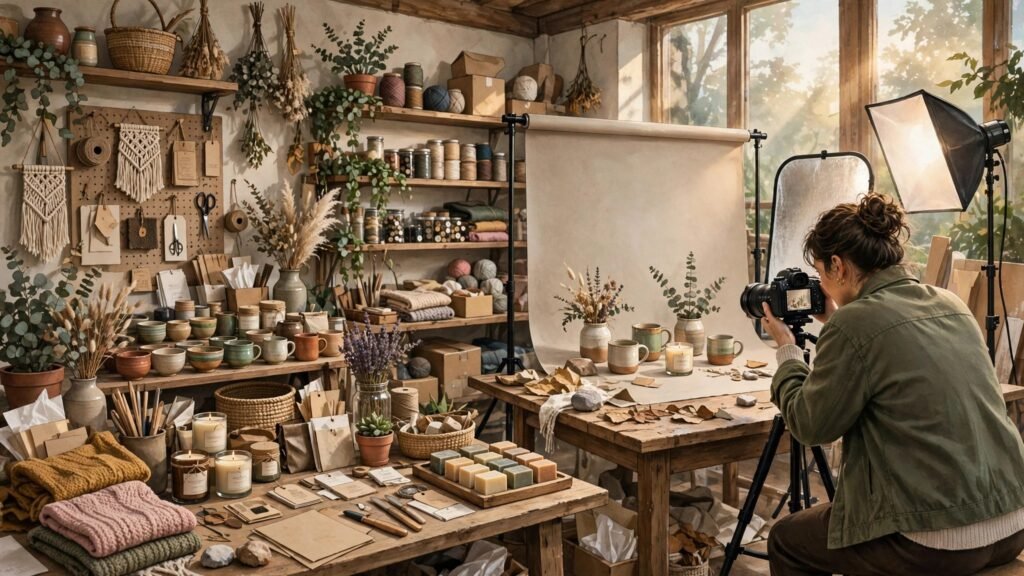
Every business you admire started as something smaller — often as a hobby done for the love of it. The potter selling mugs at a weekend market, the gamer streaming to ten viewers, the home baker whose friends kept asking for one more cake: all of them stood at the same crossroads you are standing at now. The question is never whether your hobby is good enough. The question is whether you can turn the thing you love doing into something people will happily pay for, again and again.
Turning a hobby into a business in 2026 is easier than it has ever been. You can open an online shop in an afternoon, reach customers on the other side of the world for free, and take payments from your phone. But the low barrier to entry is also the trap: thousands of people start, and most of them stall. They price too low, they sell to anyone instead of someone, or they burn out before the business ever pays them properly. The difference between a hobby that earns and a hobby that drains you is not talent — it is a plan.
This guide from Face Zem walks you through that plan step by step. You will learn how to test whether your hobby can really make money, how to find your first paying customers, how to price your work so it pays you fairly, how to build a brand people remember, and how to grow without losing the joy that made you start in the first place.
Key takeaways
- Validate before you invest: sell a small version of your hobby first and let real buyers prove the demand.
- Pick one specific customer, not everyone — a clear audience makes pricing, branding and marketing far easier.
- Price for profit, not just for sales: your price must cover materials, time, fees and a margin, or the business cannot survive.
- Your first ten customers matter more than a thousand followers — serve them brilliantly and they will bring the next hundred.
- Grow slowly and protect your energy: systems, boundaries and small steps beat burnout every time.
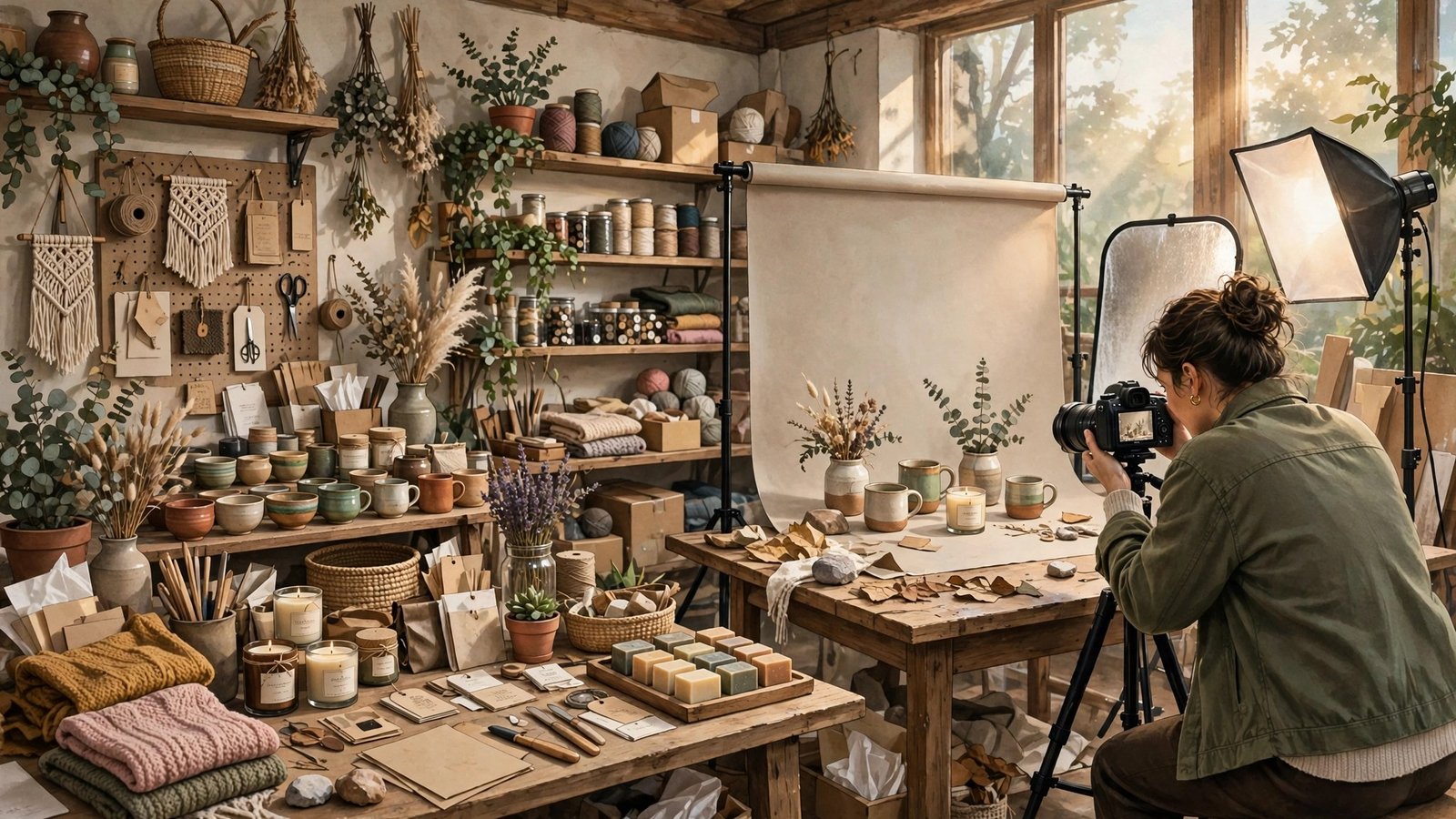
1. Start With an Honest Hobby Audit
Before you spend a single pound or dollar, take a hard look at your hobby. Not every hobby makes a good business, and that is not a judgement on the hobby — it is a fact about markets. A hobby you love for two hours on a Sunday may feel very different when a customer needs forty units by Friday. Ask yourself three honest questions: do I enjoy the boring parts too, am I willing to do this on a deadline, and would a stranger pay for it?
List everything your hobby involves, including the parts you usually skip. A candle maker does not just pour wax; they source jars, test scents, photograph products, answer messages, pack orders and handle returns. If you only love the pouring and hate the rest, you can still build a business — but you will need to budget time or money for the parts you dislike, or find a partner who enjoys them.
Also ask whether your hobby has a natural market. Hobbies that solve a problem, save time, decorate a home, mark a celebration or teach a skill are usually the easiest to sell. A hobby that only you enjoy is harder, but not impossible — it just means your audience is smaller and you must reach them precisely. The audit is not meant to discourage you. It is meant to show you exactly what you are signing up for, so you can build around your real strengths.
2. Validate the Idea Before You Invest
The biggest mistake new hobby businesses make is building the whole shop before anyone has bought anything. A beautiful website, a logo, a thousand business cards — none of it matters if nobody wants the product. Validation means getting a stranger to pay you, even a small amount, before you invest serious money or time.
Start with the smallest sellable version of your hobby. If you bake, sell a box of six cupcakes to neighbours before you rent a kitchen. If you make jewellery, list five pieces on a marketplace before you order a hundred clasps. If you teach guitar, offer three paid trial lessons before you record a full course. The goal is not profit yet; it is proof. One real sale teaches you more than a hundred compliments from friends.
Pay attention to what buyers actually say and do. Which item sold first? What did people ask about? Did anyone come back for more? If ten strangers buy and three return, you have something. If nobody buys after a fair test, the idea may need a different product, a different price or a different audience — and it is far better to learn that with fifty spent than with five thousand.
3. Find Your One Specific Customer
“Everyone” is not a customer. When you try to sell to everyone, your message becomes so vague that nobody feels it was made for them. The most successful hobby businesses pick one specific person and serve them brilliantly. Instead of “people who like candles”, think “busy professionals who want their flat to feel calm after work”. Instead of “people who like art”, think “new parents looking for a personalised nursery print”.
Write a short profile of your ideal customer: their age and situation, what they care about, what frustrates them, where they spend time online, and what they already buy. Then check that this person actually exists and can be reached. If your customer is “mothers of toddlers who love handmade toys”, you can find them in parenting groups and at school fairs. If your customer is “anyone who might like my thing”, you will not know where to look.
A narrow audience also makes every later decision easier. Your prices, your packaging, your photos and your words all become obvious once you know exactly who you are talking to. And a narrow start does not trap you — once you win one audience, you can expand to the next.
4. Price Your Work So It Pays You
Underpricing is the silent killer of hobby businesses. Most beginners set prices by looking at what others charge and then going a little lower, hoping cheap prices will win customers. What actually happens is that they work long hours for almost nothing, resent the business, and quit. Your price must cover four things: materials, your time, selling fees and a profit margin. If it does not, you do not have a business — you have an expensive hobby with customers.
Work out your true cost before you set a price. Add up materials per item, then add the hours you spend making, packing and answering messages, valued at a fair hourly rate. Then add platform fees, payment fees and delivery. Finally, add a margin of at least twenty to thirty percent. That margin is not greed — it is what pays for the slow months, the broken tools and the growth of the business.
Test your price with real buyers. If everything sells out instantly, your price is probably too low. If nothing sells, the problem may be the price — or it may be the product, the photos or the audience. Change one thing at a time and watch what happens. And remember: the right customers are rarely looking for the cheapest option. They are looking for the best value, and a fair price signals quality.
5. Build a Simple Brand People Remember
A brand is not a logo. It is the feeling people get when they think of you. For a hobby business, the brand is often you: your story, your taste, your standards. People buy handmade soap from a person they trust, not from a faceless shop. So start with your story — why you started, what you care about, what makes your work different — and let that story show up everywhere, from your packaging to your captions.
Keep the visible parts simple and consistent. Pick one name that is easy to spell and remember, two or three colours, and one style of photography. Use the same name and the same look on every platform, so a customer who finds you on social media recognises you instantly on your shop. Consistency builds trust, and trust is what turns a one-time buyer into a repeat customer.
Do not wait for perfection. A simple brand launched today beats a perfect brand that never launches. Your brand will evolve as you learn what your customers love — the candle maker who started with “natural candles” may discover her customers really buy “calm evenings”, and her whole brand can shift to match. Launch simple, listen hard, and refine.
6. Find Your First Ten Customers
Your first ten customers are the hardest and the most important. They are not just sales; they are your research team, your testimonial writers and your first marketers. Start with the people closest to your ideal customer, not just your closest friends. Friends buy out of kindness and rarely give honest feedback. Strangers who buy because they genuinely want the product will tell you the truth.
Where do your customers already gather? If you make pet treats, local dog parks and pet groups are full of them. If you design planners, productivity communities are waiting. If you sell art prints, home decor groups and local markets are your hunting ground. Go where they already are instead of shouting into the void and hoping they find you.
Make buying easy and risk-free. Offer a small starter product, clear photos, honest descriptions and a simple way to pay. Ask every buyer for feedback and, if they are happy, for a short review or a photo of the product in use. One genuine review from a real customer is worth more than a hundred likes. Serve those first ten people so well that they cannot help telling someone else.
7. Sell Online Without a Big Budget
You do not need an expensive website to start selling online in 2026. A shop on a marketplace, a simple storefront, or even a well-organised social media page can take your first hundred orders. The platform matters far less than the basics: clear photos, honest descriptions, fair prices and fast replies. Choose the place where your customers already shop, and start there.
Good photos are the single best investment you can make. You do not need a studio — natural daylight, a clean background and a phone camera are enough. Show the product in use, show its scale, and show the details that make it special. A candle photographed on a bedside table sells the feeling; a candle photographed on a white background sells the object. Sell the feeling.
Write descriptions that answer the questions a buyer would ask: what is it made of, how big is it, how do I use it, how long will it last, and when will it arrive? Be honest about handmade variation — customers of handmade goods expect small differences, and honesty builds trust. And always reply quickly. In a world of slow sellers, a fast, friendly reply is a competitive advantage all on its own.
8. Make Social Media Work for You, Not Against You
Social media can be your best marketing tool or your biggest time sink. The difference is whether you use it with a plan. Pick one platform where your customers actually spend time, and show up there consistently. A potter does well on visual platforms; a coach does well where people read long posts; a musician does well where people listen. Being everywhere badly is worse than being in one place well.
Share the process, not just the product. People love watching a cake being decorated, a chair being restored, a song being written. Behind-the-scenes content builds a connection that a product photo alone cannot. Mix your content: show the making, share a customer story, teach one small tip, and only then offer something for sale. If every post is “buy this”, people stop listening.
Set limits. Decide how much time you will spend on social media each day — say thirty minutes — and stop when the time is up. Batch your content: photograph five products in one session, write a week’s captions in one sitting. The business exists to serve your life, not to eat it. If posting starts to feel like a chore, simplify. One good post a week beats seven resentful ones.
9. Treat It Like a Business From Day One
The moment money changes hands, you have a business, even if it feels like a hobby. That means keeping records, separating your money, and understanding the rules where you live. Open a separate bank account or at least a separate tracking sheet for the business. Record every sale and every expense. It takes five minutes a week and saves hours of panic later — and it shows you, in black and white, whether the business is actually making money.
Learn the basics that apply in your country: whether you need to register, when you must declare income, what taxes apply, and whether you need any licence or insurance for what you sell. Food, cosmetics and children’s products often have extra safety rules, so check before you sell. This is not the exciting part of the journey, but it is the part that protects you. A hobby business built on solid foundations can grow; one built on ignored paperwork can collapse overnight.
Set a simple routine: one hour a week for admin, one hour for planning, and the rest for making and selling. Review your numbers monthly. Which products earn the most? Which take the most time? What would happen if you raised your price by ten percent? These small reviews are how a hobby becomes a business that lasts.
10. Grow Slowly and Protect Your Joy
Growth feels exciting, but growing too fast is how hobby businesses die. A sudden rush of orders can turn the thing you love into a production line you dread. Grow in small, deliberate steps: add one new product at a time, raise prices gradually, and only take on more work when your systems can handle it. Saying no to an order you cannot fulfil well is better than saying yes and disappointing a customer.
Build simple systems before you need them. A checklist for packing orders, a template for replying to common questions, a calendar for launches and restocks — these small systems save hours and keep quality steady when orders increase. When a task repeats itself for the third time, write down how you do it. That written process is the beginning of a business that can run without you doing everything yourself.
Most importantly, protect the joy. Schedule time to make things just for fun, with no customer and no deadline. Take days off. Remember why you started. The goal was never to turn your favourite thing into a second job you hate — it was to build a life where the thing you love also pays for itself. Growth that costs you your joy is not growth at all.
11. When to Go Full Time — and When Not To
The dream for many hobby sellers is quitting the day job. The rule of thumb is simple: do not quit until the business can pay your essential bills for at least three to six months in a row, and you have savings to cover a bad month. Passion pays no rent, and a business under financial panic makes bad decisions. Keep the job while the business grows, and let the numbers — not the excitement — tell you when it is time.
Watch for the real signs of readiness: consistent sales rather than one good month, repeat customers who come back without prompting, a waiting list or regular pre-orders, and a clear picture of your monthly profit after all costs. If those are in place, you can plan the leap carefully: pick a date, save a buffer, and tell your best customers what is coming. A planned leap is exciting; a panicked leap is frightening.
And know that staying part time is a perfectly good outcome. Many of the happiest hobby businesses stay small on purpose — a few hundred a month, flexible hours, no employees, no stress. Full time is not the only definition of success. A business that pays for holidays, covers the bills you choose, and still feels like yours is already a success story.
12. Hobby to Business: At a Glance
| Stage | What to do | What success looks like |
|---|---|---|
| Audit | List every task your hobby involves, including the boring parts | You know what you love, what you tolerate and what you need help with |
| Validate | Sell a small version to strangers before investing | Real buyers pay, and some come back |
| Audience | Choose one specific customer profile | Your marketing speaks to a real person, not “everyone” |
| Pricing | Cover materials, time, fees and a margin | Every sale earns a real profit |
| Brand | One name, consistent look, honest story | Customers recognise and remember you |
| First sales | Go where customers gather; ask for reviews | Ten happy customers who tell others |
| Selling online | Good photos, honest descriptions, fast replies | Orders arrive without constant chasing |
| Growth | Systems, small steps, protected joy | More sales without more stress |
Your Hobby-to-Business Checklist
- Audit your hobby honestly, including the boring and stressful parts.
- Validate with a small paid test before spending serious money.
- Write down your one ideal customer and where to find them.
- Price every product to cover materials, time, fees and profit.
- Set up one simple, consistent brand and one sales channel.
- Serve your first ten customers brilliantly and collect their reviews.
Frequently Asked Questions
How much money do I need to start turning my hobby into a business?
Most hobby businesses start with very little — often under the cost of one batch of materials. Validate with a small test first, reinvest the profit from early sales, and only spend more once real customers have proven the demand. A big upfront investment is rarely necessary and often wasteful.
How do I know if my hobby can actually make money?
The only reliable test is a stranger paying you. Compliments from friends do not count. List a small number of items at a fair price, give them a fair chance to sell, and watch what happens. Repeat sales and returning customers are the clearest sign you have a viable business.
Should I quit my job to focus on my hobby business?
Not until the business consistently covers your essential bills for several months and you have savings for a bad month. Keep the job while you grow, let the numbers guide the decision, and remember that a profitable part-time business is already a success.
What is the best platform for selling handmade products in 2026?
The best platform is the one your customers already use. Marketplaces are good for discovery, your own shop is good for control and profit, and social media is good for building a loyal audience. Many sellers start on a marketplace and add their own shop once sales are steady.
How do I price handmade products fairly?
Add materials, your time at a fair hourly rate, selling and payment fees, and a profit margin of at least twenty to thirty percent. If the total feels high, the answer is usually to find customers who value handmade work, not to cut your price until the work no longer pays you.
How can I avoid burning out when my hobby becomes work?
Set working hours, take days off, and keep making things purely for fun with no deadline attached. Build simple systems for repeated tasks, say no to orders you cannot fulfil well, and grow slowly. Protecting your joy is part of the business plan, not a luxury.
Bottom line
Turning a hobby into a business in 2026 is not about a grand launch or a viral moment. It is about a series of small, honest steps: test before you invest, serve one customer brilliantly, price your work fairly, and grow slowly enough to keep loving what you do. The people who succeed are rarely the most talented — they are the ones who kept going, listened to their customers, and treated the business with the same care they gave the hobby. Start small, start this week, and let your first real sale show you the way forward. If you want a head start, learn how to start a business with no money, explore the best online business ideas for 2026, or pick up side hustle ideas that fit around your studies.
Note: This guide is general information about starting a small business, not financial, legal or tax advice. Rules on registration, taxes and product safety vary by country, so check the requirements where you live before you start selling.

Keep what speaks to you.
Leave room for your own perspective.