That spare room at the end of the hall is already costing you money. You heat it, clean around it, and pay the mortgage on it, yet it earns nothing while it sits empty.
Renting out a room means letting someone live in a bedroom you are not using, while you stay in your own home. The tenant gets a furnished bedroom and shared use of the kitchen and bathroom, and you get steady extra income. This Face Zem guide covers pricing the room and choosing the right tenant.
It is not free money. Sharing your home takes planning, clear rules, and patience. Done well, a spare room can bring in hundreds of dollars a month for years.
Key takeaways
- A spare room is the easiest way to earn from your home: the space already exists.
- Price the room by checking similar rooms nearby, not by guessing.
- Meet tenants in person, check references, and put the agreement in writing first.
- Clear rules about guests, noise, cleaning, and bills prevent most problems.
- Long-term tenants mean steadier income; short stays pay more but take more work.
Is Renting Out a Room Worth It?
For most people with a spare bedroom, yes. The room is already there, so your costs are small: a little extra electricity and water, and some wear on shared spaces. The trade-off is privacy, since you will share your kitchen and bathroom with another person. If you are comfortable with a housemate, the extra income can change your month.
How Much Can You Earn From a Spare Room?
What you can earn depends on where you live. In a big city, or near a university or hospital, a furnished room often rents for $500 to $900 a month; in smaller towns, $300 to $500 is more realistic. Even $400 a month after costs is $4,800 a year. For a broader view, read our guide on the best ways to make money with your house.
Check the Rules Before You List the Room
First, check that you are allowed to rent out a room. If you rent your home, your lease may forbid a lodger, so ask your landlord first. If you own your home, check your mortgage terms and local regulations, since some cities limit short stays. Tell your insurer a lodger is moving in, and remember rent is income you may need to report and pay tax on.
Get the Room Ready on a Small Budget
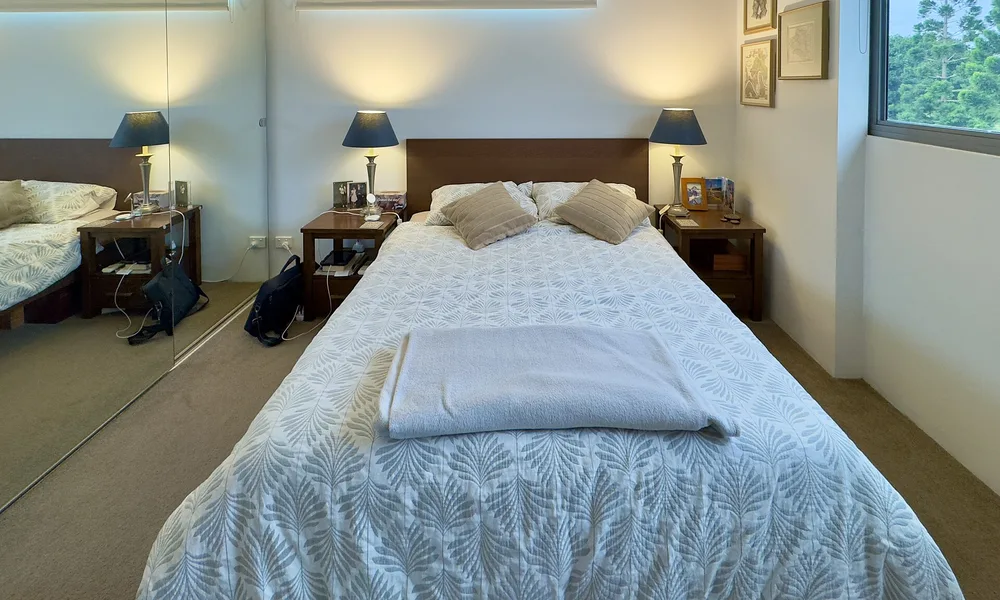
You do not need to renovate. You need a room that looks clean and bright, ready to sleep in, so start by deep-cleaning the windows, closet, and under the bed. Fresh bedding, a working light, and a curtain that closes matter more than new furniture. A good room needs a bed, storage, a small desk, and a chair. This is a different job from renting out your stuff: here the room itself is the product.
Set the Right Rent Price
Price the room for your area, not for your hopes. Search local listings for rooms like yours and note what they include: bills, internet, laundry, parking. If most rooms near you include utilities, yours should too. Start mid-range, not at the top: a fairly priced room fills faster, and an empty room earns nothing.
Long-Term Tenant vs. Short Stays: Which Pays More?
A long-term tenant pays monthly and usually stays six months or more. Short stays mean guests who pay per night, earning more per night but bringing cleaning, messages, and empty nights. Most first-time hosts do better with a long-term tenant, since it is simpler and steadier.
| Factor | Long-term tenant | Short stays |
|---|---|---|
| Typical income | Steady monthly rent | Higher nightly rate, less predictable |
| Your time | A few hours a month | Several hours every week |
| Cleaning | Tenant handles their own room | You clean between every guest |
| Empty nights | Rare once the room is filled | Common, especially off-season |
| Best for | Steady income, quiet home | Extra income, spare time |
Where to Find Tenants for Your Room
Start with the places tenants actually look. Room rental platforms such as SpareRoom and Roomster list rooms by area and budget, and local social media groups work well too, especially near universities and hospitals. Answer messages quickly, since good tenants contact several hosts at once. Avoid anyone who will not meet in person.
Write a Listing That Gets Replies
A good listing answers the questions a tenant will ask before they ask them. State the monthly rent, what is included, the deposit, and the earliest move-in date. Describe the room honestly: its size, furniture, light, and whether the bathroom is shared. Photos sell the room, so take them in daylight, with the bed made and curtains open.
Screen Tenants the Smart Way
Screening is where a good hosting experience is made. Ask every applicant the same questions: where they work or study, why they are moving, how long they plan to stay, and whether they have rented before. Ask for a reference from a previous landlord or employer, and always meet in person first to talk about daily life: work hours, guests, cooking, and noise.
Set House Rules That Actually Work
House rules are not about being strict. They are about agreeing on daily life before small irritations become arguments. Write the rules down and discuss them at the viewing. Cover the usual friction points: quiet hours, overnight guests, cleaning shared spaces, and splitting bills. Keep the rules short, since five rules everyone remembers beat ten that nobody reads.
Stay Safe When a Stranger Moves In
Most tenants are ordinary people who will treat your home with respect, but take sensible precautions anyway. Verify the tenant’s identity and put the agreement in writing, including the rent, the deposit, the notice period, and the house rules. Never hand over keys before the deposit and first rent are paid.
Before move-in day, run through this checklist:
- Agreement signed, with rent, deposit, notice period, and rules noted.
- Deposit and first month’s rent paid, with a receipt given.
- Room cleaned, bed made, and keys cut and tested.
- Photos taken of the room’s condition before move-in.
- Utility and internet details shared, payment date agreed.
- Emergency contacts exchanged, friend told about the new tenant.
Frequently Asked Questions
How much should I charge to rent out a room?
Price mid-range for similar rooms nearby. In many cities, a furnished room rents for $400 to $900 a month.
Do I need a written agreement with my tenant?
Yes. Cover the rent, deposit, notice period, and rules, and keep a signed copy each.
Can I rent out a room if I rent my home?
Only if your lease allows it. Ask your landlord before you list the room.
Is the rent I earn from a room taxable?
In most places, yes. Check the rules where you live.
Should I include bills in the rent?
Most tenants prefer one monthly payment including utilities and internet.
What if my tenant stops paying rent?
Talk to the tenant first: a missed payment is sometimes a mistake. If it continues, follow your agreement’s notice process.
Bottom line: A spare room is one of the simplest ways to earn extra income, because the space is already yours and the demand is real. Price it fairly, screen your tenant carefully, and agree on house rules in writing. It is also one of the most reliable ways to earn passive income without investing money you do not have.
Note: Renting rules, taxes, and tenant rights vary by place, so check your local laws and your lease or mortgage terms first. This guide is general information from Face Zem, not legal or financial advice.

Keep what speaks to you.
Leave room for your own perspective.