House sitting pays you to live in someone else’s home while they are away. You water the plants, collect the mail, and keep the house looking lived in — and in return you earn money, a free place to stay, or often both. For Face Zem readers wanting flexible income without a boss or commute, it is one of the most underrated side hustles around.
The work suits responsible, tidy people who are comfortable alone. No special qualifications, car, or experience is needed — just a trustworthy profile, a calm head when something small goes wrong, and patience to build reviews one sit at a time.
This guide covers the sites that pay, what the work really looks like, what it pays, and how to land your first sits safely — no hype, no promises of easy money.
Key takeaways
- Paid sits typically pay $25 to $100 a day; exchange platforms pay in free stays, not cash.
- TrustedHousesitters, HouseSitters America, MindMyHouse, Nomador, and HouseSitMatch are the main platforms.
- First sits come from a strong profile, fast replies, and a short video call.
- Most sits include pet care — usually the real job behind the free rent.
- Meet the homeowner on video, get the agreement in writing, and never pay to apply.
What House Sitting Actually Is
A house sitter looks after a home while the owner is away: bringing in the mail, watering plants, taking out the bins, and handling small problems like a leaking tap. Some sits last a weekend; others run for months. Paid sits pay a daily rate; exchange sits give free accommodation instead.
How Much Money Can You Really Make
Paid house sits in the United States typically pay $25 to $100 a day. A simple weekend sit sits at the lower end; a month-long sit in a large home with dogs, a garden, and a pool sits at the higher end. Regular clients can bring $1,000 to $2,500 in a good month. Exchange sits pay nothing in cash, but two weeks in a home that would cost $150 a night to rent is worth over $2,000 saved. It is one of the best side hustles that actually pay, with almost zero overhead.
The Sites That Pay House Sitters
Most sits come through dedicated platforms:
| Platform | How it pays | Best for |
|---|---|---|
| TrustedHousesitters | Free stays | Long sits, travel |
| HouseSitters America | Paid and exchange | Paid sits in the US |
| MindMyHouse | Free stays | Budget travellers |
| Nomador | Free stays | Europe |
| HouseSitMatch | Paid and exchange | UK, worldwide |
TrustedHousesitters is the largest, with the most listings and the most competition. HouseSitters America is the best-known option for paid sits in the US, and MindMyHouse charges one of the lowest fees. Terms change, so check current fees before joining.
Paid Sits vs. Free Stays: Which Model Fits You
Paid sits are real income, but harder to win: owners paying cash expect experience and reviews, and often rebook sitters they trust. Exchange sits are easier for beginners, since the owner offers a home rather than money. Need cash? Chase paid sits near home. Want cheap travel? Take exchange sits — many sitters mix both.
What the Work Really Looks Like Day to Day
A typical day is quiet. You feed the pets, open the curtains, water the plants, and bring in the mail. The rest of the day is yours to work, read, or explore. In the evening you lock up and switch a few lights on.
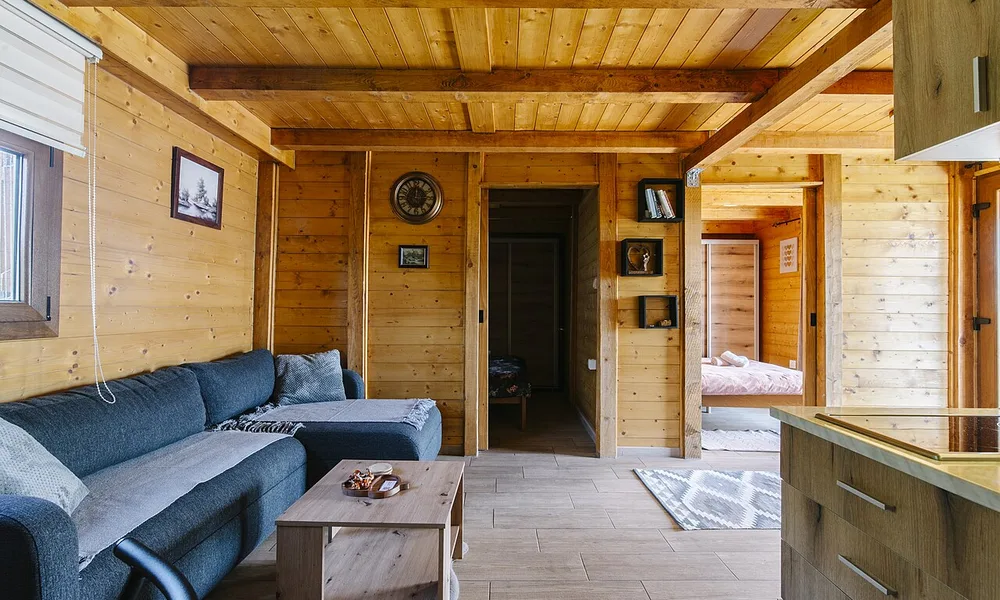
The work is rarely hard, but it is constant. You are responsible around the clock, and small problems land on you: a tripped fuse, a dog that will not eat, a neighbour asking questions. Good sitters stay calm, message the owner early, and fix what they can without drama.
The Hidden Costs Nobody Mentions
House sitting looks free, but it is not costless. Travel costs money, platforms charge an annual fee, and some add a background-check fee. You buy your own food, and a sit far from shops may need a car. Gaps cost money too: a week with no sit means paying for your own accommodation. Line up back-to-back sits and keep a buffer; in quiet weeks, renting out your stuff can cover the gap.
How to Get Your First Sits Without Reviews
Everyone starts with zero reviews. Apply for short sits close to home, where the owner can meet you and the risk feels low. Reply fast — owners often pick from the first few applicants. Mention anything relevant, from watching a friend’s flat to caring for your own pets. Ask for a video call and be calm, specific, and honest. Two or three good reviews will change everything.
Building a Profile Homeowners Trust
Your profile is your interview. Use a clear, friendly photo and a short bio saying who you are and why you enjoy looking after homes. Be specific about pets you have cared for and gardens you have kept alive. References matter most, so ask two or three people who trust you with their home or pets — a landlord, an employer, a friend — for a short reference. Add identity checks where offered, and keep your calendar current.
Safety and Trust: Protecting Yourself and the Home
House sitting runs on trust, and trust needs structure. Always video-call the homeowner first and get the details in writing: dates, duties, pet routines, emergency contacts, the vet, and what to do if something breaks. Never pay to apply, and be wary of owners who avoid video calls, hide their address, or rush you to decide. On arrival, photograph the home’s condition. Lock up every time you leave, and never invite strangers into a home that is not yours.
Frequently Asked Questions
Do I need experience to start house sitting?
No — reliability matters more than a long record. Start with short local sits, bring references, and build reviews one at a time.
How much do house sitters earn per day?
Paid sits pay $25 to $100 a day in the US. Exchange sits pay in free accommodation, worth even more on a long stay.
Is house sitting safe?
Yes, with structure: known platforms, a video call first, a written agreement, and never paying to apply. Walk away from anything that feels wrong.
Do I have to look after pets?
Most sits include dogs or cats, and pet care is often the main daily job. Pet-free sits exist but go fast.
Can I house sit with a full-time job?
Yes, if the sit allows it. Many sitters work remotely from the home — just check the pet routine first.
Do I need insurance to house sit?
Usually not — the homeowner’s insurance covers the property, and some platforms include liability cover. Check the terms first.
Your First-Sit Checklist
- Video-call the homeowner and save the written agreement.
- Get the Wi-Fi password, alarm code, and emergency contacts.
- Photograph the home’s condition on arrival and share a quick update.
- Confirm pet routines, vet details, and feeding times.
- Agree on who pays for anything that breaks or runs out during the sit.
- Leave the home cleaner than you found it and ask for a review.
Bottom Line
House sitting is a genuine way to make money and cut living costs, but it rewards reliability more than hustle. Start small, pick sits you can do well, and let good reviews do the heavy lifting. Within months you can have steady sits, lower rent, and income that fits your life. It also pairs with simple ideas such as selling your old stuff between sits, so the gaps pay too.
Note: Pay rates, fees, and terms change often. Treat the figures here as ranges, not promises, confirm each sit in writing, and never pay to secure a sit.

Keep what speaks to you.
Leave room for your own perspective.