
Every backyard pool turns green, cloudy, or full of leaves sooner or later, and most owners would rather pay someone else to deal with it.
The appeal is the repeat work. A pool needs attention every week through the warm months, so one happy customer can mean twenty or more paid visits a year.
This Face Zem guide explains how to make money by cleaning pools: what the work involves, what to charge, the kit to buy, and how to build a full route of regulars.
Key takeaways
- Pools pay per visit, so a weekly route of regulars is the real income.
- Start with a basic kit: net, brush, vacuum head, test kit, chemicals.
- Charge per pool, not per hour, by size, condition, and extras.
- Clear water is the product: test, balance, record.
- One happy owner who books weekly beats ten one-off cleans.
What Pool Cleaning Work Actually Looks Like
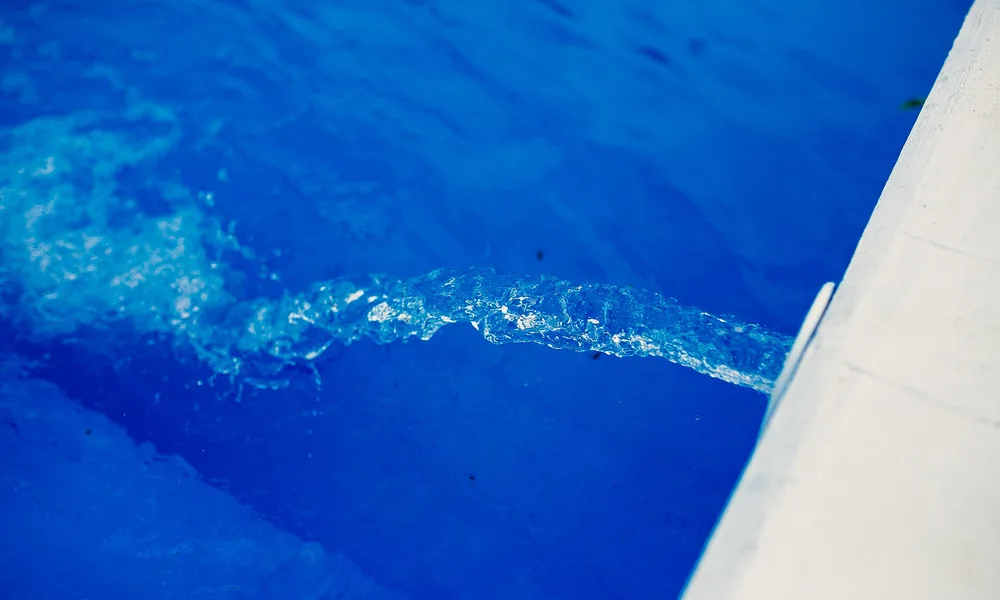
You visit at an agreed time each week and work through the same routine: skim leaves off the surface, brush the walls and steps, vacuum the floor, and test the water. A well-kept pool takes 30 to 45 minutes. It is local, physical, outdoor work, much like the routine in our guide to how to earn money by cleaning houses, except your tools are nets and test kits.
How Much Pool Cleaners Earn
A weekly clean of a standard backyard pool pays roughly $40 to $65 per visit, while larger pools and pools under heavy trees pay $70 to $100. Ten pools a week is useful extra income; twenty pools is close to a full-time wage. Hours are flexible, which is one reason pool cleaning appears among the best side hustles for single parents.
What Decides Your Rate
Five things decide your rate: pool size, how dirty it is, the pool type, how often you visit, and whether chemicals are included. Never quote flat sight unseen.
| Service | Typical price | Time needed |
|---|---|---|
| Weekly clean, standard pool | $40 to $65 | 30 to 45 minutes |
| Weekly clean, large or tree-heavy pool | $70 to $100 | 45 to 60 minutes |
| First clean of a neglected pool | $120 to $250 | 2 to 3 hours |
| Green pool recovery | $200 to $400 | Several visits |
| Filter clean and backwash | $25 to $50 extra | 15 to 30 minutes |
The Kit You Need to Start
You can start with a basic kit for well under $200: a leaf skimmer net on a telescopic pole, a pool brush, a vacuum head with a hose, a water test kit or test strips, a bucket, and a small stock of chlorine and pH chemicals. Keep chemicals stored safely, upright, dry, and away from children and pets.
Pool Types You Will Meet
Most of your work will be on in-ground concrete or vinyl-liner pools and above-ground pools. Concrete pools need more brushing because algae grips rough plaster. Vinyl liners need a softer brush and a gentler touch, because a stiff brush can tear the liner. Above-ground pools are smaller and quicker, but their pumps and filters are weaker, so they clog faster.
Chemicals and Water Balance Basics
Clear water is chemistry, not luck. The three numbers that matter most are chlorine, pH, and alkalinity. Chlorine kills bacteria and algae. The pH decides whether the chlorine can do its job at all. Test the water at every visit and write the readings down. Never guess a dose: too much chlorine irritates skin and eyes, and too little lets algae take hold.
Building a Weekly Route
A route is what turns pool cleaning from odd jobs into a real income. Group your pools by neighbourhood so you drive minutes, not miles, between stops. Short trips close together beat long drives across town, as our guide to how to make money by washing cars shows. Every visit follows the same six steps:
- Skim the surface and empty the baskets.
- Brush the walls, steps, and waterline.
- Vacuum the floor and check the filter pressure.
- Test the water and record the readings.
- Add chemicals only as the tests require.
- Leave a note saying what was done.
Finding Your First Clients
Your first clients are closer than you think. Start on your own street: a short note through the door, a post in a local community group, or a word with neighbours whose pools you can already see turning green. Offer the first clean at a fair price and the weekly service at your normal rate, and ask every happy customer to tell one neighbour.
Setting Your Rates and Getting Paid
Charge per pool, not per hour, once you know how long a clean takes. A per-visit price is simple for the customer, and it rewards you for getting faster. Monthly billing works best for regulars: four weekly visits on one invoice, paid in advance or by direct debit, so you are not chasing small payments after every visit.
Keeping Clients Coming Back
Retention is the whole business. A pool owner who books weekly for a whole summer is worth far more than a string of one-off jobs, so the work after the clean matters as much as the clean itself. Turn up on the same day each week and leave the pool area tidy.
Mistakes That Cost Pool Cleaners Money
The most expensive mistake is underpricing the first clean. A green pool can take three visits to recover, and if you quoted a weekly-clean price for that job, you have worked for almost nothing. Always price the first clean separately: recovery is a different job from maintenance.
Frequently Asked Questions
Do I need a licence to clean pools for money?
In most places you do not need a special licence to clean residential pools, Check local rules, and consider basic liability insurance.
How long does it take to learn pool cleaning?
The basic routine takes a few weeks of regular practice to learn well. Water chemistry takes longer: learn the safe ranges in your first month.
Can I clean pools in winter?
Yes, but there is less work. In colder areas, offer opening and closing services in spring and autumn, plus monthly winter checks, to keep some income coming in through the off-season.
What if a pool turns green after I clean it?
Go back, test the water, and fix it. Algae can bloom after heavy rain, hot weather, or heavy use,
Should chemicals be included in my price?
Either way works, as long as it is clear. Including basic chemicals in a monthly price is simpler for the customer. Agree the arrangement before the first visit.
How many pools can one person clean in a day?
A solo cleaner with a tight route can usually handle eight to twelve standard pools in a full day, depending on driving time and pool condition.
Bottom line: cleaning pools pays because the work repeats every week. Start with a basic kit, price the first clean properly, and build a tight local route one happy pool owner at a time.
Note: prices here are general starting points. Always follow the instructions on the chemical products you use.

Keep what speaks to you.
Leave room for your own perspective.


