Every street has a dozen small jobs waiting for someone practical: a door that sticks, a tap that drips, a fence panel down after a storm, a shelf that needs hanging properly. Homeowners happily pay a reliable person to fix them.
This guide follows the order that works. Take stock of what you can already do, get the tools and cover you need, find your first paying jobs, price them so the maths works, and grow from odd jobs into a business.
Key takeaways
- Handyman work pays for reliability: turning up on time matters as much as the repair.
- Start with the jobs you can already do well — small repairs, hanging, basic plumbing and painting.
- Price by the job, not by the hour, once you know how long things take.
- Insurance and a written quote protect you from the two most common disputes.
- Most work comes from repeat customers and neighbours — one good job leads to the next.
Take stock of what you can already do
Write down every practical job you have actually done, not the ones you think you could do. Fitting a shelf, changing a tap washer, patching plaster, hanging a door, assembling flat-pack furniture, fixing a leaking toilet — these are the jobs homeowners pay for every week. Be honest about your limits too: gas, mains electrics and structural work belong to licensed trades, and taking them on without the right ticket risks lives as well as lawsuits.
Your first jobs should sit comfortably inside your skills. A job done well earns a review; a job done badly costs you both. If a task needs a skill you do not have, learn it on your own home first, or shadow a friend who does it for a living. The work that pays best is the work you can do cleanly, quickly and without a callback.
Get the tools and cover you need
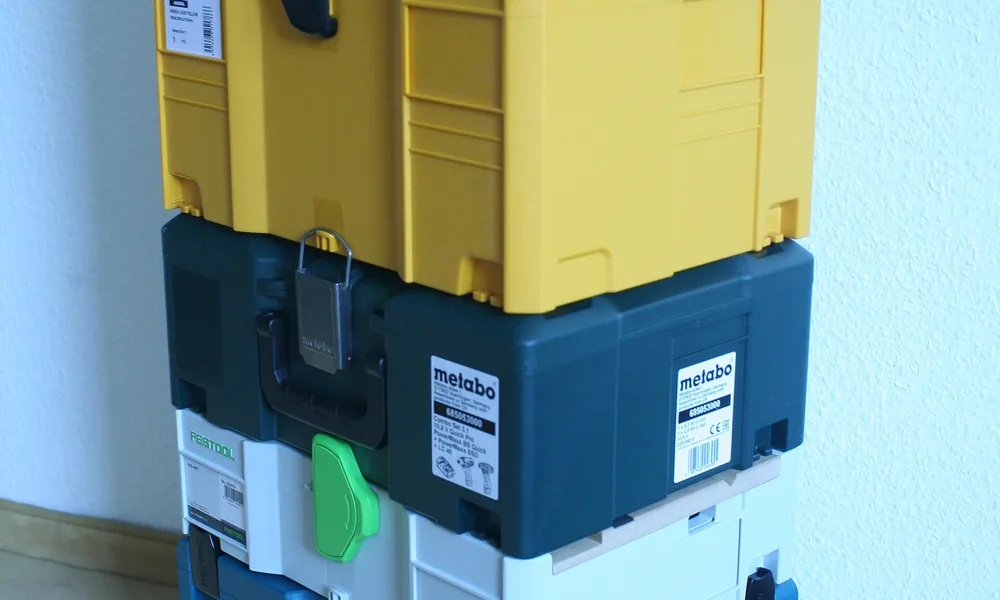
You do not need a van full of tools to start. A solid drill, a set of screwdrivers, a spirit level, a handsaw, pliers, a hammer, a tape measure and a good toolbox cover most small jobs. Buy decent tools once rather than cheap ones twice, and keep them organised — time spent hunting for the right bit is time you are not earning.
Before your first paid job, get public liability insurance. It costs less than most people expect and it covers the accident everyone dreads: a drill through a pipe, a scratched floor, a shelf that falls. A simple written quote for every job is the other protection — it states the work, the price and what is not included, so a small job cannot grow into an argument.
Find your first paying jobs
Start with people you know. Tell friends, family and neighbours what you do, and ask them to mention you when someone complains about a broken something. Community noticeboards, local social media groups and neighbourhood apps are where small jobs get posted, and
Offer your first five jobs at a fair but modest price, and ask every happy customer for two things: a short review you can quote, and the name of one person with a job waiting. A handyman lives or dies on local reputation, and five good reviews in your own neighbourhood are worth more than any advert. Trades next door to yours are good allies too — making money as a house painter overlaps with handyman work on almost every job, and the best ways to make money as a carpenter show the same pattern — tradespeople pass work to people they trust.
Price your jobs so the maths works
Beginners usually charge by the hour, which is fair while you learn how long jobs take. Once you know your pace, switch to pricing by the job: a fixed price for hanging three shelves, fixing a door or replacing a tap. Customers prefer fixed prices because there are no surprises, and you earn more as you get faster.
A useful rule is to charge for the job, the materials and the travel separately, so the customer can see what they are paying for. Add a minimum call-out fee — a small charge that makes a twenty-minute job worth the trip. Quote before you start: a price agreed in advance is a dispute that never happens.
Do the job like a professional
Professionalism in this trade is mostly small things: turn up when you said you would, protect the floor before you start, clean up properly when you finish, and explain what you did. Customers remember the clean-up as much as the repair, and they tell their neighbours about both.
Take a photo of the finished job and keep a simple record of every customer, what you did and what you charged. That record becomes your price list and portfolio. A short message a month later — asking whether the repair is holding up — turns one job into a repeat customer, and repeat customers are the cheapest marketing there is.
Grow from odd jobs into a business
Once you have twenty or thirty jobs behind you, patterns appear. You will know which jobs you enjoy, which pay best and which customers come back. Lean into those: say so on your profiles and turn down the work you dislike. Specialists earn more than generalists, even in a trade built on variety.
Raise your prices a little each season, keep your reviews coming, and consider a simple website with photos of your work and a clear list of services. The same first steps apply to any service trade, and the honest path is the same as when you start a small business with little money: prove the idea cheap, then invest in growth. A handyman who turns up, does clean work and charges fairly rarely needs to advertise for long.
Your handyman checklist
- List the practical jobs you can already do well — and your limits.
- Buy a solid basic toolkit and public liability insurance.
- Tell everyone you know; take your first five jobs at a fair price.
- Quote every job in writing before you start, with a call-out fee.
- Clean up properly and photograph the finished work.
- Ask every happy customer for a review and one referral.
Frequently asked questions
Do I need a licence to work as a handyman?
Most small repair work needs no specific licence, but gas, mains electrics and structural work do — leave those to licensed trades. Check your local rules before you start, and carry public liability insurance from your first paid job.
How much can a handyman earn?
A beginner charging hourly might earn a modest income from part-time work. An established handyman with regular customers and fixed job prices can earn a full-time living,
What is the best first job for a new handyman?
Small, visible jobs you can finish in an hour or two: hanging shelves, fixing doors, changing tap washers, assembling furniture. They are easy to price, hard to get wrong, and they earn the reviews that bring bigger work.
The bottom line
Handyman work pays for practical skill, reliability and clean finishes — qualities most homeowners cannot find easily and will pay for gladly. Start with the jobs you can already do, insure yourself, quote in writing, and let each good job bring the next customer. Do that for a year, and the person who once fixed a neighbour’s door for free becomes the one the whole street calls first.

Keep what speaks to you.
Leave room for your own perspective.