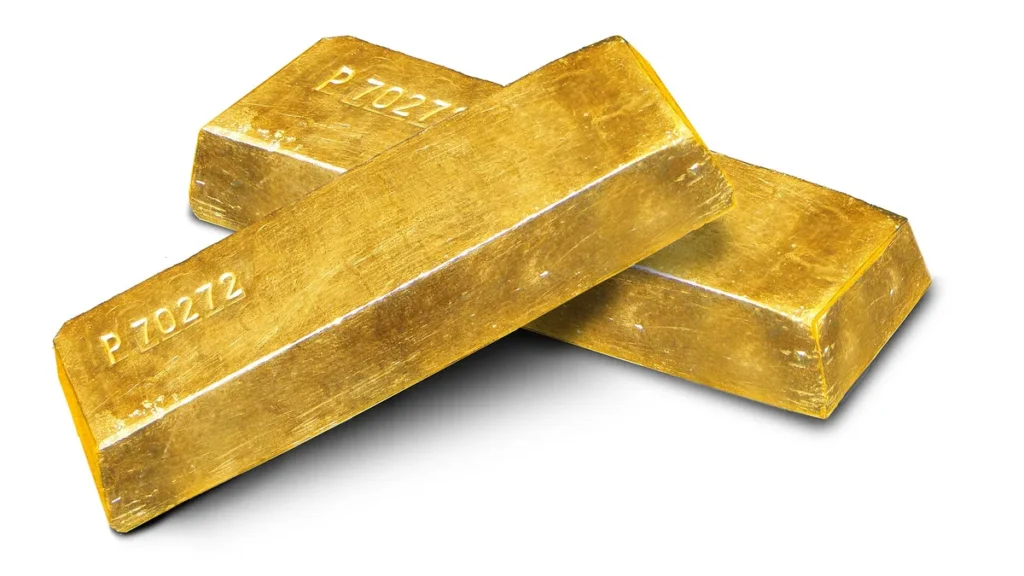
Gold has been trusted as money for thousands of years. When prices rise or markets turn rough, people look at gold and see something solid they can hold.
This guide from Face Zem covers the beginner path: the three ways to own gold, how to compare them, where to buy safely, and how to store it.
The key idea: gold is a supporting player, not the whole team. It can steady a portfolio, but it pays no interest, rent, or dividend.
Key takeaways
- Gold is a store of value and an inflation hedge, not a growth investment.
- Coins suit small first buys, bars suit larger amounts, ETFs suit hands-off investors.
- Compare the premium over the spot price, and buy only from established dealers.
- Storage, insurance, and dealer spreads are real costs.
- Keep gold a small slice of your portfolio, and never buy on pressure or hype.

Why Beginners Look at Gold
Beginners come to gold for one reason: they want something that holds value when other things do not. Shares can fall hard, cash loses buying power, and gold has no company that can fail.
When markets panic, gold has often held its ground or risen. It is no guarantee, but over decades it has kept pace with rising prices.
What Gold Actually Does in a Portfolio
Think of gold as insurance, not an engine. Shares build wealth because businesses earn profits, while gold earns nothing. Its job is to protect what you have.
Most advisers suggest a small allocation, often five to ten percent. If you are new to investing, read our guide to the best ways to invest for beginners so gold sits inside a wider plan.
Gold Coins: The Classic First Buy
Coins are the natural first step, in sizes from a tenth of an ounce upward. Sovereigns, Britannias, and Krugerrands are recognised worldwide and easy to sell.
Coins cost more per gram than bars, since minting adds a premium of five to ten percent above spot. Buy sealed coins where possible, keep the receipt, and check weight and purity first.
Gold Bars: Bigger Pieces, Lower Premiums
Bars suit larger amounts. A one-ounce bar from a recognised refiner carries a premium of only one to three percent above spot, far less than coins. The trade-off is flexibility, since you cannot sell half a bar.
Stick to refiners on the London Bullion Market Association good delivery list, sealed with an assay certificate. Our guide on how to invest in index funds explains the low-cost option many beginners pair with gold.
Gold ETFs: The Easiest Way to Start Small
A gold exchange-traded fund, or ETF, lets you own gold exposure through an ordinary investment account, without handling metal. You buy fund shares, the fund holds gold in a vault, and your shares track the price minus a small fee.
ETFs are the cheapest and simplest route for most beginners. There is no dealer premium, storage bill, or insurance to arrange, and you can sell in seconds. The trade-off is that you own paper, not metal.
Coins, Bars and ETFs Compared
The right form depends on how much you want to spend and whether you want metal you can hold.
| Feature | Gold coins | Gold bars | Gold ETFs |
|---|---|---|---|
| Smallest buy | Tenth of an ounce | One gram upward | One share |
| Premium over spot | Five to ten percent | One to three percent | Almost none |
| Storage needed | Yes, home or vault | Yes, home or vault | None |
| Easy to sell | Very easy | Easy | Easiest |
| Ongoing costs | Insurance, storage | Insurance, storage | Small annual fee |
| Best for | Beginners | Larger holdings | Hands-off buyers |
How Much Gold Should a Beginner Own?
Start with money you can leave alone for years, not money you might need next month. For most people, that means a few hundred dollars, or a small monthly amount into a gold ETF.
Keep gold between five and ten percent of your total investments. Below five percent it barely changes your results, and above ten it starts to drag on growth in long bull markets.
Where to Buy Gold Safely
Buy from established dealers with a long trading history, published prices, and clear buy-back terms. A reputable dealer shows the live spot price, states the premium plainly, and buys back what it sells.
Avoid auction sites, social media sellers, and strangers offering bargains. Counterfeits are a real problem, and a deal far below market price is almost always a trap. Before opening an account to buy an ETF, read our explainer on what a brokerage account is and how it works.
Storing Your Gold: Home, Bank or Vault
A small home safe bolted to the floor works for a few coins, but check your home insurance first, since many policies cap valuables or exclude gold unless declared. Keep the location private and never post about your holdings.
For larger amounts, use professional storage. Bank boxes are a classic option, while specialist vaults offer allocated storage in your name, with insurance included. Expect to pay around half a percent to one percent of the value yearly.
The Real Costs of Owning Gold
The spot price is not the price you pay. Dealers add a premium, delivery costs extra, and physical gold carries yearly storage and insurance costs. On a small coin, the premium alone can be five to ten percent.
ETFs look cheaper, but the small annual fee compounds quietly. Selling has a cost too, since dealers buy back below spot. Treat gold as a long-term holding, where one-off costs fade over years of ownership.
Mistakes to Avoid Before You Buy
Most beginner losses come from avoidable mistakes, not the gold price. Check this list honestly before you spend anything.
- Buying more gold than you can leave untouched for five years.
- Paying a big premium without comparing three dealers first.
- Buying from an unknown seller because the price looked cheap.
- Storing gold at home without telling your insurer.
- Expecting gold to pay income or rise every year.
- Letting a salesperson rush you into a rare coin.
Frequently Asked Questions
Is gold a good investment for beginners?
Gold can be a good first step because it is simple, but it works best as a small part of a wider portfolio, since it pays no income.
How much money do I need to start investing in gold?
Under fifty dollars through a gold ETF, or a few hundred for a small coin. Regular small purchases often beat one large buy.
Are gold coins or gold bars better for a beginner?
Coins are usually better first, since they come in small sizes and are easy to sell. Bars win for larger amounts, with a lower premium.
Do I pay tax when I sell gold?
In many countries, profit from selling gold is taxed as a capital gain. Rules differ for coins, bars, and ETFs, so check where you live.
Is it safe to keep gold at home?
A small amount in a fitted safe can be fine, but tell your insurer, keep the location private, and consider a bank box as your holding grows.
Can gold lose value?
Yes, gold can fall sharply and stay down for years. Keep it a small slice of your portfolio and hold it for the long term.
Bottom line: Gold rewards patient beginners who start small, buy from trusted dealers, and keep it a modest part of a wider plan.
Note: This article is for general education only and is not financial advice. Gold prices can fall as well as rise, so speak to a qualified adviser before investing.

Keep what speaks to you.
Leave room for your own perspective.


