Most homes hold more money than their owners realise. Cupboards, drawers and garages fill up quietly, and much of what sits there has not been touched in months. Selling those unused things is a simple way to earn extra cash: it needs no new skill, no upfront investment and no long wait.
This guide covers the whole process, from deciding what to sell to pricing it fairly, photographing it well and handing it over safely. Follow the steps in order: list your first items today and make your first sale this week.
Start With a Simple Clear-Out
Begin with one room, not the whole house. A single wardrobe, a bookshelf or one kitchen cupboard is enough for a first round. Small areas keep the job manageable and give you a quick win.
Pick up each item and ask three questions. Have you used it in the last year? Would you buy it again today? Would you miss it if it were gone? If the answer to all three is no, put it in the sell pile.
Put unsure items in a separate box. Seal it, date it and store it out of sight. If you do not open it within three months, sell what is inside. Sort the sell pile into groups: clothes, electronics, home goods, books and toys.
What Sells Best
Almost anything in good condition can find a buyer, but some categories move faster. Focus on these first: quick sales build confidence.
Clothes and Accessories
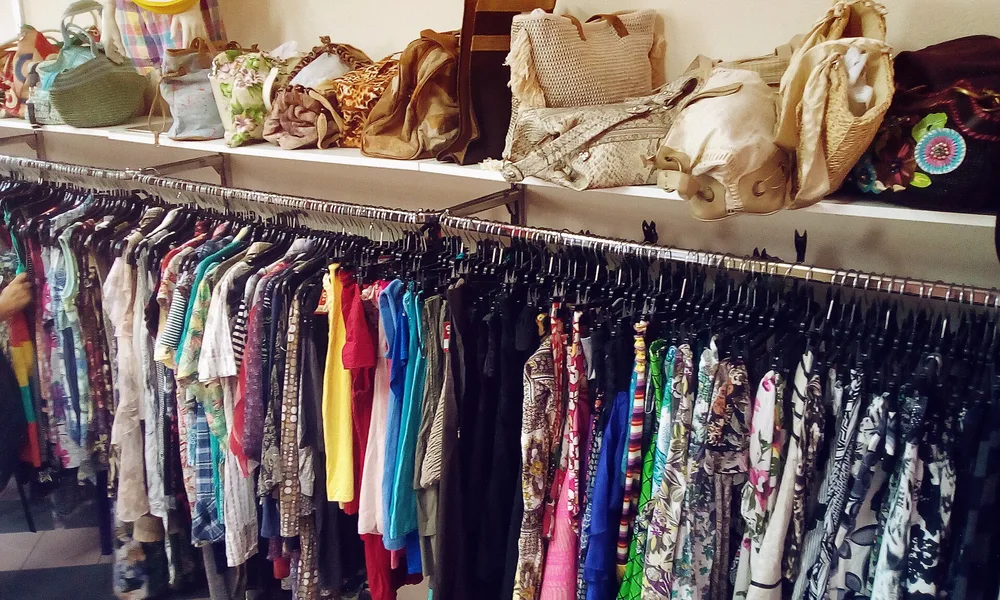
Clothes sell well when clean, current and honestly described. Coats, jackets, dresses, branded trainers and handbags do best. Wash and iron everything, and state the size, brand and condition clearly.
Electronics and Gadgets
Phones, tablets, laptops, headphones and game consoles hold their value well. Charge each device fully, reset it to factory settings and include the charger. A working device with its original box sells faster.
Home Goods and Furniture
Small furniture, lamps, kitchen equipment and tools are popular with people furnishing a first home. Large furniture takes longer to sell, so start with items one person can carry. Clean each piece before photographing it.
Books, Toys and Collectibles
Books sell steadily in bundles, especially children’s books, popular novels and textbooks. Toys in good working order and board games with all their pieces can surprise you. Check that games are complete before listing them.
Where to Sell Your Things
The best place to sell depends on the item and how quickly you want the money. Marketplaces reach the most buyers, local groups suit bulky items, and specialist sites pay better for certain categories.
| Channel | Best For | Effort |
|---|---|---|
| Online marketplaces | Clothes, electronics, home goods | Medium |
| Local groups | Furniture and bulky items | Low |
| Specialist resale sites | Branded fashion, collectibles | Medium |
| Car boot sales | Many small items at once | High |
| Trade-in services | Phones and gadgets | Low |
Start with one or two channels rather than listing everywhere at once. Managing the same item on five platforms leads to double sales and unhappy buyers. Once you know which channel works, expand from there.
How to Price Things So They Actually Sell
Pricing is where most sellers go wrong. Price too high and the item sits unsold for weeks; too low and you give away money. Check what similar items have actually sold for. Sold listings show the real market price.
Ask about half to two-thirds of the original price for items in very good condition, and a quarter to a third for items with wear. If an item gets views but no messages after a week, lower the price by ten to fifteen percent. Bundle slow items: three books for the price of two often sells when single items do not. Selling things you no longer use works well as a steady habit, and it pairs well with other ways to make extra money on weekends without a second job.
Take Photos and Write Listings That Get Clicks
Buyers decide in seconds whether to open a listing, and the photo stops them scrolling. Good photos and an honest description beat any clever title.
Photograph Every Item Properly
Use natural daylight and a plain background. Take four photos: the front, the back, a close-up of any label, and any wear or damage. Showing a small scratch honestly builds trust. Clean your phone lens, and skip filters that change the colour.
Write a Clear, Honest Description
Start with the key facts: what it is, the brand, size, colour and condition. Add one line about why it is worth buying, such as hardly used. Finish with what is included and whether you can deliver locally. Short, factual sentences beat long paragraphs.
Stay Safe When You Sell
Most buyers are honest, but a few precautions protect you. Never share your home address in a public listing. For local sales, meet in a busy public place during the day and take someone with you when you can.
Use tracked delivery and keep the receipt until the buyer is happy. Use the marketplace payment system where one exists: it records the transaction and protects both sides. Avoid unusual payment requests such as gift cards, and never hand over an item before payment clears. If a buyer pressures you to move off the platform, walk away.
Your First Sale Checklist
Use this checklist before you list your first batch.
- Pick one room; sort items into sell, keep and unsure piles.
- Clean items; test electronics.
- Check sold prices.
- Photograph each item from four angles in daylight.
- List size, brand and condition honestly.
- Start with one selling channel.
- Agree safe payment and a public meeting place.
- Track sales; list the next batch the same week.
Frequently Asked Questions
How much money can I make?
It depends on what you own. A first clear-out of clothes, books and small electronics often brings in a useful sum. The best returns come from quality items in good condition, priced fairly.
What should I sell first?
Start with items that are easy to photograph, easy to post and clearly in demand: clothes in good condition, recent electronics and popular books. Leave bulky furniture until you have experience.
Should I sell online or locally?
Sell small, light items online, where the audience is largest and posting is cheap. Sell large or heavy items locally, where the buyer collects and you avoid delivery costs.
What if my item does not sell?
Check the photos and the price first. Blurry photos and prices above similar sold items are the usual reasons. Improve the main photo and lower the price slightly. If it still does not sell, try another channel.
Do I need to pay tax on what I sell?
Rules vary by country and earnings. Occasional sales of personal belongings are treated differently from running a business. If sales grow into a regular income, check the rules where you live.
How do I avoid scams?
Use the marketplace payment system and keep conversations on the platform. Be wary of buyers who overpay or push unusual payment methods. Never send an item before payment clears, and never share bank details or codes.
Turn Clutter Into Cash, One Sale at a Time
Selling things you do not use is less about any single sale and more about the habit. Each item frees up space, puts cash back in your pocket and teaches you what buyers want. Start small and price honestly.
Once the clutter is gone, you may enjoy the extra income. Build on it by learning how to earn money with a skill you already have, or by exploring ways to earn passive income. The first step is simple: open a cupboard and list something today.

Keep what speaks to you.
Leave room for your own perspective.