
Becoming a content creator in 2026 is an open career. You do not need a degree, a studio, or a large budget to start. You need a clear topic, a phone or a laptop, and the willingness to publish regularly while you learn what your audience actually wants. The creators who succeed are rarely the most talented on day one. They are the ones who keep showing up, study their results, and get better at one format on one platform before they try to be everywhere at once.
This guide walks through the whole path, from choosing a niche to earning your first income. It covers the platforms that matter in 2026, the equipment you need, a realistic first thirty days, and the monetisation thresholds the platforms publish, so you can plan around real numbers instead of guesswork.
Key Takeaways
- Pick one niche and one platform first, and publish short video on a schedule you can keep for months.
- YouTube ad revenue needs 1,000 subscribers plus 4,000 watch hours in twelve months or 10 million Shorts views in ninety days.
- TikTok Creator Rewards needs 10,000 followers and 100,000 views in thirty days, with videos longer than one minute.
- Start with the phone you already own, good light, and clear audio, and upgrade only when a limit is holding you back.
- Most creators earn from a mix of platform payouts, brand deals, affiliate links, and their own products, not from one source.
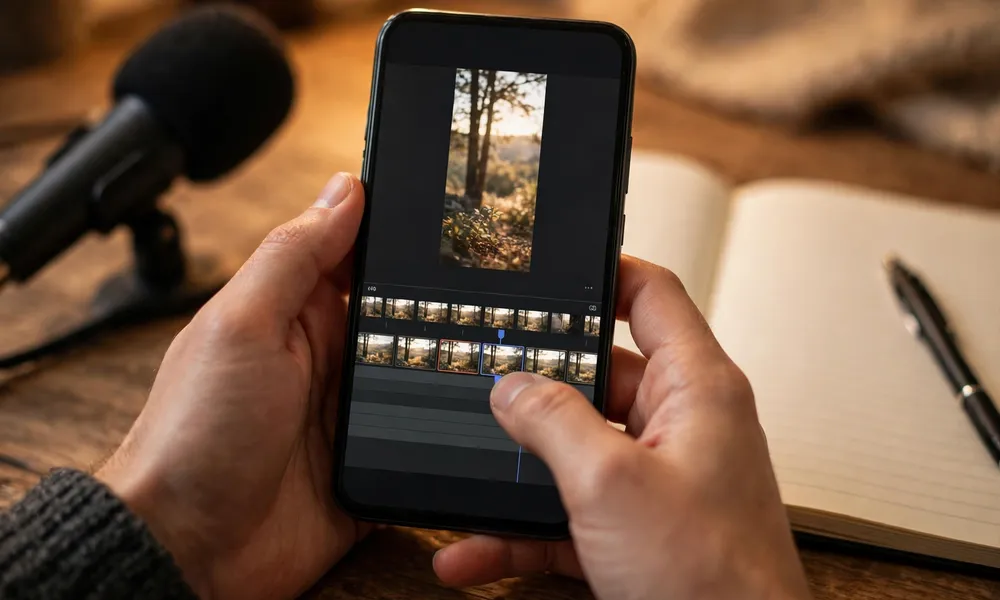
What Is a Content Creator?
A content creator makes and publishes content for an audience they build over time. That content can be short video, long video, photos, writing, audio, or live streams, and it can live on YouTube, TikTok, Instagram, a blog, a newsletter, or a podcast feed. The job is a loop you repeat every week: find an idea, make it clearly, publish it, read the results, and make more of what worked.
Creation is also a business, even when it starts as a hobby. The audience is the asset, and trust is what turns attention into income. A creator with ten thousand loyal viewers who trust their recommendations can earn more than one with a hundred thousand casual viewers who scroll past. That is why the best creators answer comments, read what people ask for,.
Choose Your Niche Before You Choose Your Gear
Your niche is the topic you can talk about for a year without running out of things to say. It should sit where three things meet: something you know or enjoy, something people search for or watch, and something that can eventually earn money, through products, services, or sponsors. Cooking, personal finance, fitness, home repair, gaming, beauty, travel, and career advice all work. The narrower you start, the faster you stand out.
Instead of a broad topic like fitness, start narrower, such as home workouts for busy parents, or strength training for beginners over forty. A narrow angle makes it obvious who the video is for, which helps the platform show it to the right people. Test the niche with ten videos before you judge it. One video tells you almost nothing, but ten show you which ideas get watched, saved, and ignored.
Pick One Platform First
Every platform rewards a different kind of content, and trying to master all of them at once is the fastest way to burn out. Start where your audience already spends time and where your format fits. Short vertical video works on TikTok, Instagram Reels, and YouTube Shorts, because those feeds show your videos to people who do not follow you yet. Long, searchable video belongs on YouTube, where a good tutorial can keep bringing in viewers for years.
Once you have a rhythm on one platform, reuse the same material elsewhere. A long YouTube video can be cut into three short clips, and a short clip can become a written post. The table compares the main platforms and their published monetisation thresholds, as of late 2026. Check the official page in your own account before you plan around a number, because platforms change these rules.
| Platform | Main format | First way to earn | Published threshold |
|---|---|---|---|
| YouTube | Long and short video | Ad revenue | 1,000 subscribers plus 4,000 watch hours in 12 months or 10 million Shorts views in 90 days |
| YouTube fan funding | Long and short video | Memberships and Super Thanks | 500 subscribers plus 3,000 watch hours in 12 months or 3 million Shorts views in 90 days |
| TikTok | Short vertical video | Creator Rewards | 10,000 followers and 100,000 views in 30 days, age 18 or older, videos over one minute |
| Reels and photos | Gifts and subscriptions | Gifts from 500 followers, subscriptions from 10,000 followers | |
| X | Short posts and video | Creator revenue share | 500 verified followers and 500,000 impressions from verified users in 90 days |
Notice how different the bars are. YouTube asks for watch time, TikTok asks for followers and recent views, and Instagram has no open programme you can simply apply to by hitting a number. Most creators earn their first money from brand deals or affiliate links long before they qualify for platform payouts, because a small, trusted audience is already valuable to a brand.
Equipment You Actually Need
You already own the most important piece of equipment: a modern phone shoots video that is good enough to grow an audience. Spend your first money on light and sound, not on a new camera. Film facing a window during the day, or buy a simple ring light, and record in a quiet room. Viewers forgive an ordinary picture far more easily than audio they cannot understand, so a small clip-on microphone is the best early upgrade.
For editing, free tools are enough to start. CapCut handles short video on a phone, and free desktop editors handle longer videos with cuts, captions, and music. Add captions to every video, because many people watch with the sound off. Keep your setup simple enough that you can film and publish in one session.
Your First 30 Days as a Creator
The first month is for learning, not for going viral. Aim to publish three short videos a week, or one longer video a week, and keep a simple record of what you made and how it performed. After ten videos, you will know which topics your audience wants more of, and which ones to drop.
Each video should follow a simple structure. Open with the promise in the first three seconds, so a viewer knows why they should stay. Deliver one clear idea, with one example, instead of five ideas in a rush. End with a single next step, such as asking a question in the comments. Strong openings matter more than fancy editing, because the first seconds decide whether the platform keeps showing the video.
How to Grow an Audience
Growth comes from making videos people finish, save, and share. Study your analytics every week and look for the videos with the highest retention, not just the highest views. A video with modest views and high retention is a better model for your next video than a viral video nobody finished.
Talk to your audience like they are in the room. Reply to comments in the first hours after you publish, because early comments signal that the video is worth showing to more people. Ask a real question at the end of each video, and make the next video from the best answer you receive. Collaboration also helps: a video with another creator in your niche introduces you to an audience that already likes the topic.
How Content Creators Make Money
Most creators earn from several sources at once, and the mix changes as they grow. Platform payouts are rarely the largest source for a small creator. Brand deals pay a creator to feature a product, affiliate links pay a commission when a viewer buys through the link, and digital products such as courses and guides pay the creator directly. The best online courses for making money in 2026 show how many creators turn what they know into a product their audience can buy.
Brand deals deserve care. Only promote products you would use yourself, and tell your audience clearly when a video is sponsored. A single dishonest recommendation can cost you more trust than the payment was worth. Set a simple rate based on your average views and the work involved, and put every deal in writing, including what you will deliver, when it is due, and how you will be paid. Keep records of every payment, because you will need clean records at tax time.
Do not wait for a large audience to start earning. A creator with a thousand engaged followers can earn from affiliate links, a small digital product, or a service such as coaching or editing. The best freelance jobs in 2026 overlap closely with creator skills, and many creators fund their early months with freelance work in writing, editing, or design.
Turning Content Into a Full-Time Income
Going full time is a financial decision, not just a creative one. Before you leave a job, build a buffer of several months of expenses, and check that your creator income has been steady for at least a few months, not just one good month. Income from platforms and brands can rise and fall with seasons and algorithm changes, so the safest path is to have at least two income sources, such as platform payouts plus affiliate income, or brand deals plus a digital product.
Working from home is part of the job for most creators, and the routine matters as much as the talent. The best remote jobs for beginners in 2026 share the same lesson: a fixed work block, a clear daily target, and a separate space for work make a real difference. Treat creation like a job with hours, deadlines, and a weekly review. That discipline separates creators who last from those who burn out.
Common Mistakes to Avoid
The first mistake is copying a bigger creator instead of finding your own angle. The second mistake is publishing rarely and in bursts, then disappearing for weeks. A modest schedule you can keep beats an ambitious one you abandon. The third mistake is chasing every trend. A trend can bring views, but if it has nothing to do with your niche, those viewers will not stay.
The fourth mistake is ignoring the numbers. If you never look at your analytics, you will keep making the videos that fail without knowing why. The fifth mistake is spending money before you have an audience. A new camera will not fix a weak idea, and a fancy studio will not fix a video nobody finishes. Spend on the idea, the script, and the sound first.
Frequently Asked Questions
How long does it take to become a content creator?
You can start today with a phone and a free account. Earning a steady income usually takes much longer, often a year or more of regular publishing, because the audience and the trust behind it take time to build.
Do you need a lot of followers to make money?
No. Platform payouts need the thresholds above, but brand deals, affiliate links, and digital products can earn money with a small, engaged audience.
What is the best platform to start on in 2026?
It depends on your format. Short vertical video grows fastest on TikTok, Reels, and Shorts, while long, searchable video belongs on YouTube. Pick the platform where your audience already spends time, and master that one first.
Do content creators need expensive equipment?
No. A modern phone, good light, and clear audio are enough to start. Upgrade your microphone first, then your lighting, and only buy a dedicated camera when a specific limit is holding your videos back.
Can you be a content creator part time?
Yes, and most creators start that way. Three short videos a week, or one longer video a week, is enough to learn and grow while you keep a job. Expand it only when the income and the audience justify more hours.
The Bottom Line
Becoming a content creator in 2026 is a practical path, not a lottery ticket. Choose one niche you can sustain, publish on one platform on a schedule you can keep, and study your results every week. Start with the phone you own, invest in light and sound, and earn your first income from affiliate links or a small product while the audience grows. The creators who succeed are the ones still publishing and improving a year later, when most beginners have stopped.

Keep what speaks to you.
Leave room for your own perspective.


