Your car already drives to work, to the shops, and to school. Car advertising turns those same trips into income: a brand pays to put its message on your car, and you keep driving as normal. No extra job, no extra hours, no passengers. The car becomes a moving billboard.
It is not a fortune: most drivers earn a modest monthly amount, and the best campaigns go to busy-city drivers who cover a lot of miles. Always check insurance first, and never pay to join a platform.
How Car Advertising Actually Works
A brand wants its message seen. Instead of renting a billboard, it pays drivers who already spend time there. A wrap company matches brand with drivers, fits the vinyl, and tracks the car with GPS. Campaigns last one to six months. Your pay depends on where you drive, how far, and how much of the car is covered.
1. A Full Vehicle Wrap Through a Platform
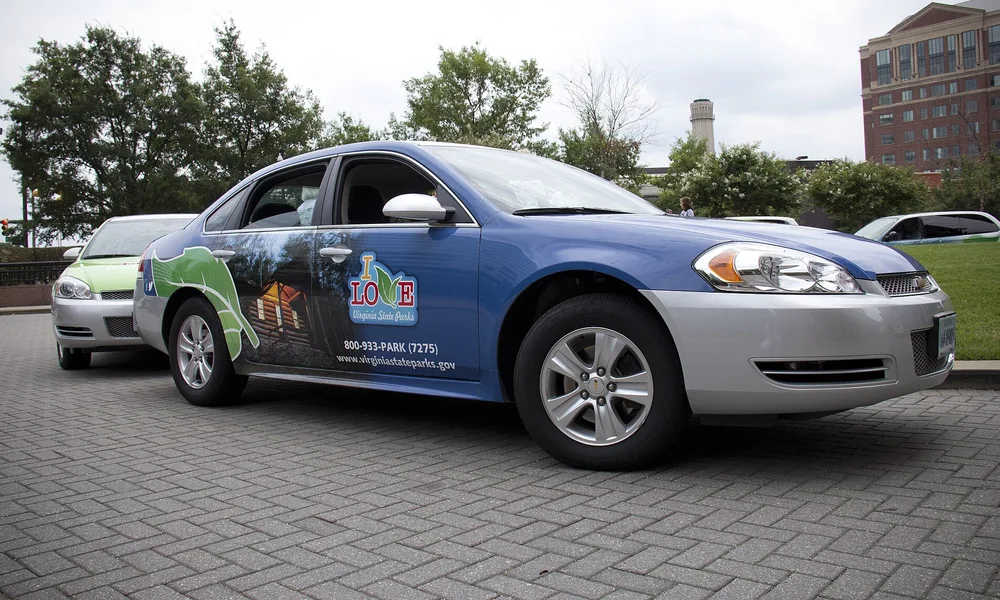
A full wrap covers almost the whole car in a brand design, and it pays the most of any car advertising option, typically in the middle hundreds per month. The highest rates go to drivers in large cities who drive long distances daily. To qualify, your car needs to be fairly new and clean, with a clean driving record and regular mileage in the campaign area.
2. A Partial Wrap on Doors and Panels
A partial wrap covers the doors, the rear panels, or the bonnet, and leaves the rest of the car plain. It pays less than a full wrap, in the low hundreds per month, but it is easier to get and easier to live with. Eligibility is wider: platforms often accept older cars, and some accept cars with small marks.
3. Rear Window Advertising
Rear window advertising uses a see-through vinyl on the back window. You can still see out of it from inside, but from behind the car it shows a full advert. Fitting and removal each take minutes, and it suits almost any car. Pay is modest, a small monthly amount, because only drivers behind you see it. Requirements are the lowest of any wrap option: older cars and low mileage are often fine.
4. A Roof-Top Advertising Display
Roof-top displays are the small lit panels you see on top of taxis and some city cars. They show rotating adverts and are paid per campaign, often at a rate similar to a partial wrap. They work best in dense city traffic, where the sign is at eye level for pedestrians and other drivers. The display is fitted and removed by the company. The catch is availability: these programmes run in far fewer places than wraps.
5. Magnetic Signs and Removable Decals
Magnetic signs and removable decals are the flexible end of car advertising. You stick them on when you want to earn and take them off when you do not. Pay is lower, often a small amount per campaign or per day, but you keep full control of your car. This suits drivers who only want advertising part of the time, or who share the car with family.
6. A Direct Deal With a Local Business
You do not have to go through a platform. A local business may pay you directly to carry its name on your car, especially if you drive past its shop or park near it every day. A restaurant, a gym, or a trades business that wants local visibility can be a good match. These deals are smaller, a modest monthly amount or a fixed fee for a few months, but they can be steadier, and you set the terms yourself. Put the deal in writing.
7. Short Campaign Wraps for Events and Launches
Some brands only need a car for a few days or weeks, around a launch, a festival, or a local event. These short campaigns pay a fixed fee rather than a monthly rate, and they often need cars parked in one visible place. This is the best option for drivers who do not want a long commitment: carry a wrap for a single weekend, get paid, and go back to a plain car on Monday.
What You Can Realistically Earn
Rates vary by city, car, and campaign, but the pattern is consistent: a full wrap in a busy city can pay several hundred a month, a partial wrap often pays in the low hundreds, and a rear window advert pays a small monthly amount. It adds little to your fuel bill, since you drive the same routes, but count extra cleaning and any insurance change. For a wider look at how car income compares, see this guide to making money from your car.
Who Gets Picked and Why
Advertisers want cars seen by the right people, in the right places, often. The drivers picked first have a clean, newer car, a regular route through a busy area, and high weekly mileage. A car parked on a busy street is worth more than one parked in a closed garage. Platforms also check your licence and driving record, since a clean record tells the brand its advert will be driven responsibly.
Insurance and the Fine Print
Always tell your insurer before a wrap goes on. A standard personal policy may not cover a car used for advertising. Get the answer in writing before you agree. If your insurer charges more, count that against the campaign pay first. Read the contract before the fitting: campaign length, who pays for removal, early-ending terms, and who covers paint damage.
Scams to Avoid
Car advertising attracts scams, because it sounds like easy money. The most common one is a fake company that sends a cheque for more than the agreed amount, then asks you to send the extra back or pay a fitter they recommend. The cheque then bounces, and the money you sent is gone. A real campaign never asks you to handle extra money or pay anyone.
How to Get Picked for the Best Campaigns
Apply to more than one platform, since each runs different campaigns in different areas. Keep your profile honest and up to date: car model and year, usual routes, weekly mileage, and where you park. Platforms match drivers from these details, so a thin profile gets skipped. Keep your car clean and photograph it well. The best campaigns fill fast, so be ready to say yes quickly. For more ideas that fit around driving, these side hustles that actually pay show how it compares with other flexible ways to earn.
Frequently Asked Questions
Do I need special insurance to advertise on my car?
Tell your insurer; you may need a policy change, since a wrapped car can count as business-use.
Will a wrap damage my car paint?
A professionally fitted and removed wrap should not damage sound paint. The risk rises on old or damaged paint, so tell the fitter about weak spots first.
Bottom Line
Car advertising is one of the simplest ways to earn from a car you already own. A full wrap pays the most, a partial wrap is the best balance of pay and comfort, and window stickers and magnets are the easiest way to start. The drivers who earn best have a clean car, a busy route, and a little patience. Start with one application, read the contract, and never pay to join. And if you want to cut the cost of those routes too, here are the best ways to save money on transport.
Note: Earnings vary by city, car, and campaign, and insurance and tax rules differ by country. Check your local rules and your insurance policy before you start.

Keep what speaks to you.
Leave room for your own perspective.