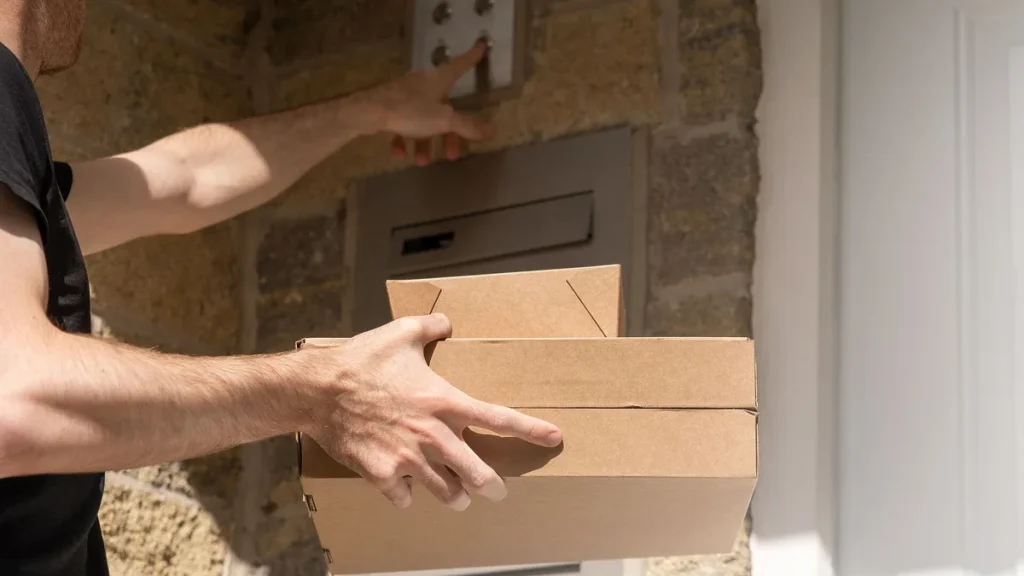
Delivery driving is one of the most flexible ways to earn money with a vehicle you already own. Yet most drivers only ever try one kind of delivery, usually food, and leave money on the table. Parcels, groceries, and courier work all pay differently, peak at different hours, and suit different vehicles. The drivers who earn the most treat delivery as a menu of options, not a single app.
This guide covers the best ways to make money as a delivery driver across every type of work, how the apps compare, and how to plan your hours so the quiet parts of the day still pay. For typical pay figures by employer and state, see our guide to delivery driver salary in 2026.
1. Deliver food orders
Food delivery is the easiest way to start. Sign-up is fast, orders are constant at meal times, and tips can make up a large share of your pay. Dinner, roughly 5:30pm to 9pm, is the peak, with lunch a steady second. Short trips in busy neighbourhoods usually beat long ones, because more deliveries per hour means more pay per hour.
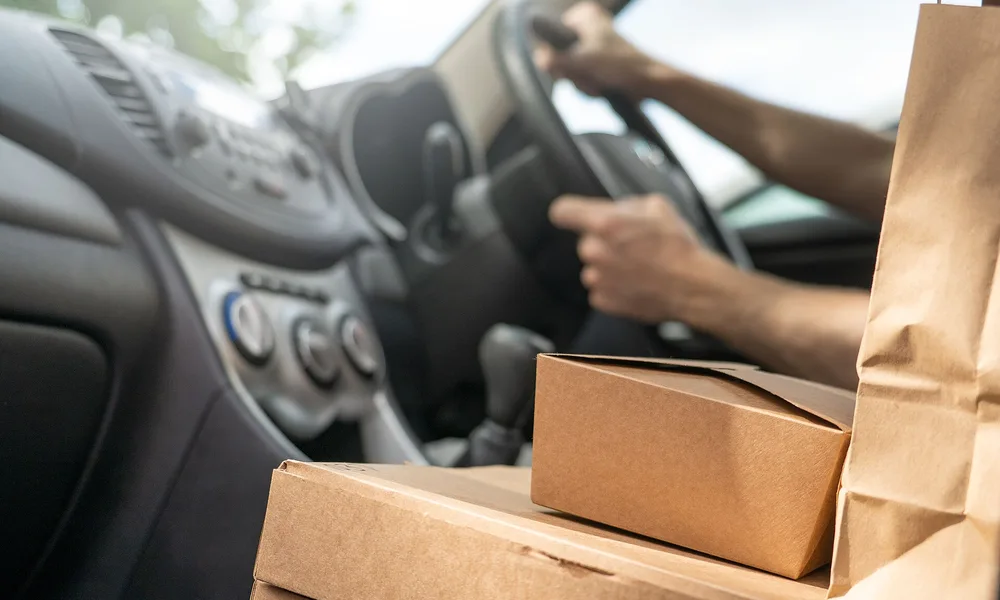
The trade-off is that food work is concentrated into a few hours a day, and a slow restaurant can eat into your earnings. It works best as part of a wider mix rather than your only income. Our full guide to how to make money by delivering food covers the apps, the busy hours, and the habits that raise your hourly rate.
2. Run parcel routes
Parcel delivery pays by the route, not the meal. You collect a batch of parcels from a depot or pickup point and deliver them across a set area, often 80 to 150 stops in a shift. Pay is steadier than food delivery, and there is no waiting around for tips, though tips are rare.
Parcel work suits drivers who like a predictable day and do not mind lifting boxes and walking between drops. Some routes come from gig apps, while others come from local courier firms that need cover drivers. A larger vehicle helps here, and route experience matters: knowing an area well can cut an hour off a shift.
3. Deliver groceries and retail orders
Grocery delivery sits between food and parcels. Orders are bigger, with several bags per customer, and customers often tip for careful handling. The busiest windows are late afternoon and early evening, when people order dinner ingredients, and weekend mornings, when households stock up.
Some grocery apps ask you to shop the order as well as deliver it, which pays more per job but takes longer. Batching helps: two or three orders going to the same neighbourhood can be delivered on one trip, which lifts your pay per mile more than any other trick in grocery work.
4. Take courier and same-day jobs
Courier work is the highest-paid type of delivery per trip, and the least predictable. A customer needs a document, a part, or a package moved across town today, sometimes within the hour, and pays a premium for speed. Medical samples, legal papers, and urgent retail stock are common loads.
These jobs usually come through courier apps or local courier companies rather than the big food platforms. You need to be ready to move quickly and to handle items with care, but a single urgent run can pay what several food deliveries pay. Keep notifications on: the best courier jobs go to the driver who accepts first.
5. Work a regular route for a delivery company
If gig work feels too uneven, a regular route with a delivery company offers a fixed schedule and a fixed wage. Parcel carriers, supermarket chains, and pharmacy delivery services all hire drivers for set shifts, and some provide the van.
The hourly rate is often lower than a great gig shift, but the income is reliable, fuel may be covered, and you avoid the dead hours between orders. Many drivers combine the two: a part-time employed route for a steady base, plus gig apps in the evenings for extra earnings.
6. Compare the apps before you commit
No single app pays best everywhere, and each type of delivery has its own leading platforms. Judge them on your own numbers by testing two or three for two weeks and comparing your real earnings per hour after fuel.
| Delivery type | Peak hours | What drives the pay |
|---|---|---|
| Food | Lunch and dinner | Tips and bonuses |
| Parcels | Morning to afternoon | Stops per hour |
| Groceries | Afternoons and weekends | Order size and batching |
| Courier | Business hours | Urgency and distance |
Sign up for more than one app in your chosen type, and ideally across two types. When one app goes quiet, another may be busy, and that switch is the simplest way to lift your hourly rate.
7. Build a full-day schedule around busy hours
The biggest advantage of knowing all four delivery types is that their busy hours do not overlap. A driver who only delivers food works the meal rushes and sits idle in between. A driver who mixes types can earn across the whole day.
A practical pattern is parcels in the morning, groceries in the early afternoon, food at lunch and again at dinner, and courier jobs whenever an urgent run appears. Track your earnings per hour for each slot for two weeks, then drop the weakest slot and add hours to the strongest.
8. Pick the right vehicle for the work
Your vehicle decides which delivery types are open to you. A bike or scooter is fast and cheap in a dense city centre, where parking is hard and trips are short. A small car is the most flexible choice, able to carry food, parcels, and grocery orders. A van opens up parcel routes and bigger courier jobs, but costs more to run.
Match the vehicle to the work, not the other way round. If you plan to run parcel routes, a van pays for itself; if you plan to work evenings only, a car you already own is enough. For a wider look at earning options with your vehicle, read how to make money from your car.
9. Stack delivery types to fill dead hours
Dead hours are the hidden cost of delivery driving. The time between a lunch rush ending and a dinner rush starting can be two or three unpaid hours. The fix is to fill them with a different type of delivery instead of waiting.
Accept a grocery batch after lunch, take a courier run while food apps are quiet, or pick up a parcel route on weekend mornings before the dinner rush. The goal is fewer empty miles and more paid drops per hour.
The costs that decide your real pay
Gross pay is not profit. Fuel is the obvious cost, but wear on your vehicle often costs more: tyres, brakes, oil changes, and depreciation all speed up when you drive every day. Set aside a small amount per delivery for maintenance, so a repair never wipes out a week of earnings.
Tax is the cost most new drivers forget. Gig drivers usually count as independent contractors, so no tax is taken from your pay and you must set money aside yourself. Keep every receipt, log every mile, and check your insurance covers delivery work.
Bottom line
The best way to make money as a delivery driver is to stop thinking of it as one job. Food pays best at dinner, parcels pay best in the morning, groceries peak in the afternoon, and courier jobs pay a premium whenever they appear. Learn all four, compare the apps on your own numbers, and build a day where the busy hours never stop. Start with one extra delivery type this week and track what it pays per hour.

Keep what speaks to you.
Leave room for your own perspective.