A chef’s skills are worth money far beyond the restaurant line. If you can cook food people love, cost a dish and plate something beautiful, you already hold the core of several businesses. The question is not whether your cooking can earn, but which way of earning fits your time, your kitchen and the life you want.
Some chefs earn best face to face, others online, and many mix two or three routes into a steady income no single employer controls. This guide covers the best ways to make money as a chef, with honest earning ranges and first steps for each one. For a sense of what employed kitchen roles pay, see our guide to Chef Salary 2026.
Key takeaways
- Private cooking pays the most per hour, often $50 to $150 per guest, and needs almost no startup money.
- Catering, meal prep and classes turn cooking into repeat income from the same customers week after week.
- Online courses, recipes and videos take longer to build but can keep earning with very little ongoing work.
- Start with one service, price it properly, and check local food business rules before you sell anything.
- Your reputation is your best marketing: happy eaters and photos of your food bring the next booking.
1. Private Chef for Dinner Parties
Cooking in a client’s home for a birthday, anniversary or date night is one of the highest-paying ways to use your skills. You plan the menu, shop, cook on site and serve each course, then leave the kitchen clean. Charge per guest or per event, take a deposit at booking, and expect $400 to $1,200 per evening depending on the menu and your city.
2. Personal Chef for Busy Families
As a personal chef you cook a week’s worth of meals for a household and leave them ready to heat. Families pay for the time you save them, so reliability matters more than showy dishes: simple, healthy food they want to eat, delivered on the same day each week. Typical pay is $300 to $600 per client per week, and five regular clients can replace a full-time wage.
3. Small-Event Catering
Catering covers office lunches, christenings, baby showers, small weddings and community gatherings, usually for 20 to 100 guests. It pays well because you cook in bulk, but it needs planning: a menu that travels well, exact numbers and a helper for the day. Typical pay is $25 to $75 per guest, and one weekend event can bring $1,000 to $3,000; our guide to the Best AI Tools for Catering Startups covers tools for menus, quotes and bookings.
4. Cooking Classes in Person
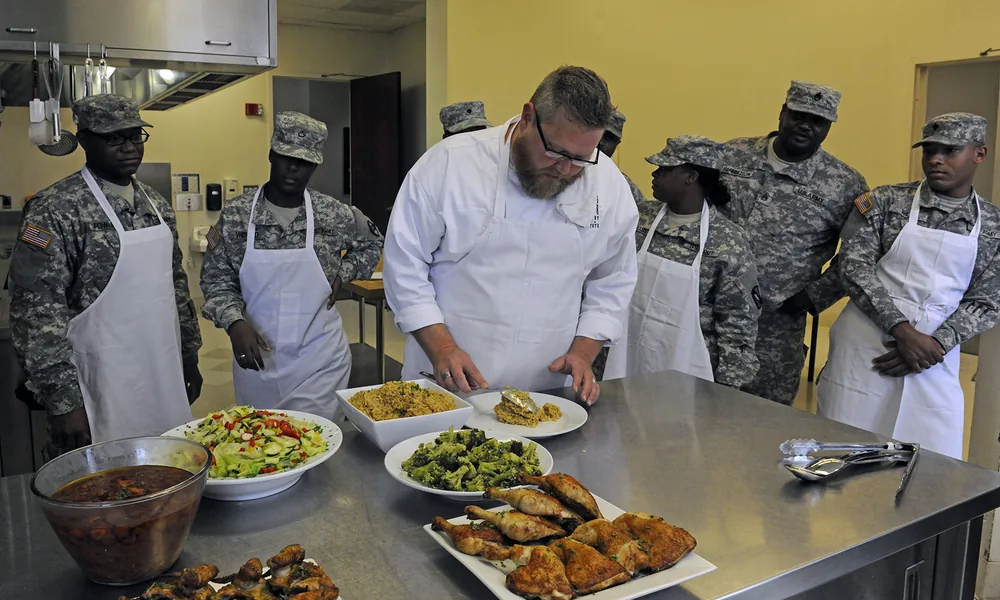
Teaching people to cook is steady, enjoyable work, and you do not need a fancy studio to start. Run small group classes in your own kitchen, a rented space or a client’s home, teaching dishes people actually want to learn: knife skills, fresh pasta, Thai curries or sourdough. Group classes typically earn $40 to $90 per person, while private lessons bring $75 to $150 an hour.
5. Online Cooking Courses and Videos
An online course lets you teach once and sell the lesson again and again. Film a short course on one clear skill, such as knife work or baking from scratch, and sell it on a course platform or your own site. Typical pay starts small, then grows to $500 to $5,000 a month for a course that finds its audience; compare platforms in our guide to the Best Online Course Platforms 2026.
6. Weekly Meal Prep Service
Meal prep is catering with a subscription: customers order meals each week, you cook them in one or two big sessions, and they collect or get delivery. Pick one niche, publish a fixed weekly menu, and keep portions and prices consistent so customers know exactly what they get. Typical pay is $10 to $15 per meal, and 50 regular customers ordering five meals a week is a serious income.

7. Baked Goods and Speciality Food Products
If your strength is baking or preserving, sell the product itself. Celebration cakes, sourdough, hot sauces, spice blends, jams and pickles all sell well at farmers markets, online and to local cafes. Custom cakes command the highest prices, often $150 to $500 each, while sauces and spice blends earn less per unit but sell in volume and can be posted anywhere.
8. Recipe Development and Food Writing
Brands, magazines, websites and food companies pay chefs to develop recipes that work first time and write about food with real authority. Build a small portfolio of your own tested recipes with good photos, then pitch food editors and brands directly. Typical pay is $100 to $500 per recipe, plus extra for photos or video, and published work brings clients to your other services.
9. Menu Consulting for Restaurants and Cafes
New restaurants and cafes often need a chef’s eye before they open: a menu that fits their kitchen, dishes costed for profit, and staff trained to cook each dish the same way. As a consultant you sell judgement, not hours in a kitchen, so charge a day rate or a fixed fee for a project. Typical pay is $300 to $800 a day, or $1,500 to $5,000 for a full menu and launch project.
10. Pop-Up Dinners and Supper Clubs
A pop-up dinner is a ticketed evening built around a theme: a seasonal menu, a regional cuisine, a tasting menu in an unusual space. You set the menu, sell the seats in advance, and cook for a room full of people who came for your food. Typical pay is $60 to $120 per seat, and a sold-out evening for 30 guests can earn $1,800 to $3,600 before costs.
How to Price Your Cooking
Most chefs undercharge when they start. Price with a simple formula: ingredients, plus your time at a fair hourly rate, plus overheads such as travel, packaging and equipment wear, plus a margin for profit. Check what other chefs in your area charge, set your prices at the same level or above, and raise them as your diary fills.
Frequently Asked Questions
Do I need culinary school to make money as a chef?
No. Clients pay for the food on the plate, not for a diploma. Culinary school helps with technique and contacts, but a strong portfolio, good photos and happy customers matter more. Do get a food hygiene certificate and check your local rules before selling food.
How much can a chef make outside a restaurant?
It varies widely. A few private dinners a month might add $1,000 to $2,000, while a full personal chef round or a busy catering diary can match or beat a restaurant salary. The highest earners mix routes: regular weekly clients for stability, plus events and online income on top.
What is the easiest way for a chef to start earning?
Start with the service closest to what you already do well. If you love dinner parties, offer private chef evenings to friends and local groups. If you love teaching, run one small class. Take a deposit on every booking, photograph everything, and ask every happy customer to recommend you.
The Bottom Line
A chef’s income does not have to come from one kitchen or one employer. Private cooking pays the best per hour, catering and meal prep bring repeat customers, and classes and courses turn your knowledge into income. Pick the route that fits your life, price it properly, and build it one happy customer at a time.

Keep what speaks to you.
Leave room for your own perspective.