
Learning about money does not have to cost money. Some of the best financial education in the world is free, sitting in libraries, podcast feeds, online classrooms and simple phone apps, waiting for anyone willing to spend a little time instead of a lot of cash. The trick is knowing where to look and how to tell the genuinely useful material from the noise.
This guide gathers the best free ways to learn about money, from books and podcasts to courses and practical tools. None of them ask for a credit card. All of them teach real skills you can use the same week: budgeting, saving, paying off debt and understanding investing. Pick one, start today, and let the learning compound just like the money will.
1. Free Books That Teach Real Money Skills
Books remain the cheapest deep education on money that exists, and most of them cost nothing at all if you borrow rather than buy. A single well-chosen book can change how you think about spending, saving and earning for decades, and the public library makes that knowledge free to everyone.
Borrow From Your Local Library
Your library card is the most underrated money tool you own. Most libraries lend physical books, ebooks and audiobooks through their free apps, so you can read on your phone during a commute or listen while you cook. Ask a librarian for the personal finance section and start with the classics on budgeting, simple investing and the psychology of spending.
Start With the Fundamentals
Begin with books that explain the basics clearly: how compound interest works, why an emergency fund matters, how to tell good debt from bad debt and what a sensible long-term plan looks like. Avoid anything that promises overnight riches. The books that hold up are the ones that teach patient habits, not shortcuts. For a shortlist of beginner-friendly titles, see our guide to the best books about money for beginners.
2. Podcasts You Can Learn From on the Go
Podcasts turn dead time into learning time. A commute, a workout or a walk with the dog becomes a free money lesson, and the conversational style makes complicated topics feel approachable. The best shows explain ideas in plain language and bring on guests who have actually done what they are teaching.
Choose Shows That Teach, Not Just Entertain
Look for podcasts that focus on one clear topic per episode: how to build a budget that sticks, how index funds work, how to negotiate a bill or a salary, how to pay off a credit card. Shows that answer listener questions are especially useful, because the questions are usually the same ones you have. Skip shows that spend most of their time selling courses or promoting products.
Build a Listening Habit
One episode a day is enough. Listen while you do something you already do, so the habit attaches itself to an existing routine. After each episode, note the single most useful idea and try it within the week. If you want a place to start, our list of the best personal finance podcasts for beginners covers shows that explain things clearly without assuming you already know the jargon.
3. Free Online Courses Worth Your Time
Structured courses are the closest thing to a free classroom. Universities, nonprofits and government financial education programs publish full courses online at no charge, covering everything from basic budgeting to retirement planning. A course gives you something books and podcasts often do not: a clear order to learn things in.
Start With a Beginner Course
Search for free introductory personal finance courses from universities and nonprofit educators. The good ones are self-paced, take a few hours in total and include short quizzes or worksheets so you can check what you have learned. Begin with a general course that covers budgeting, saving, debt and investing in one place, then move on to a specialist course on the topic that matters most to you.
Use Free Lessons From Trusted Institutions
Central banks, financial regulators and consumer protection agencies in many countries publish free guides and short lessons about borrowing, saving and avoiding scams. These are written to educate, not to sell, which makes them some of the most trustworthy free material available. Pair one of these guides with a course and you will have a solid, unbiased foundation before you ever spend a cent on advice.
4. Free Tools That Make the Lessons Stick
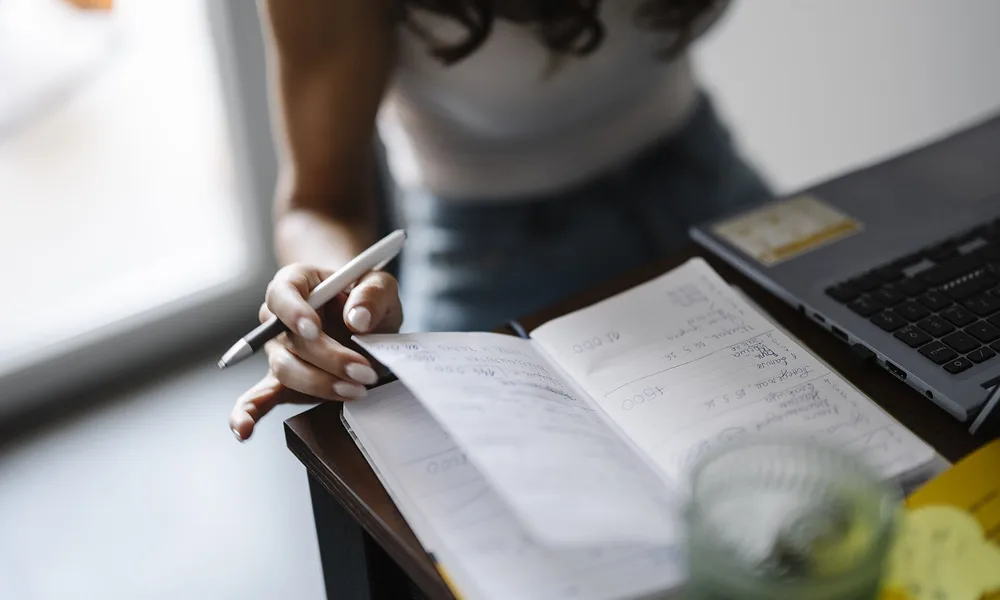
Knowledge fades fast without practice. Free tools turn what you have read and heard into daily habits: tracking spending, watching savings grow and testing a budget in real numbers. The best tools are simple, and the simplest ones are usually free.
Try a Free Budgeting App
A budgeting app shows you where your money actually goes, which is often very different from where you think it goes. Free apps let you link accounts or enter spending by hand, sort it into categories and set monthly limits. After a month of tracking, most people find one or two surprises: a subscription they forgot, a habit that costs more than they guessed. We compared the simplest options in our guide to the best budgeting apps for beginners.
Use Free Calculators and Simulators
Compound interest calculators, debt payoff planners and retirement estimators are free on many educational and government websites. Plug in your own numbers and watch what changes when you save a little more each month or pay a little extra toward a debt. Seeing the long-term difference makes small choices feel worth making, which is exactly the motivation most people need.
5. How to Build a Free Money-Learning Routine
The best free resources in the world are useless without a routine. The good news is that a routine does not need to take much time. Fifteen to thirty minutes a day is enough to build serious money knowledge within a few months, as long as the habit is regular.
Pick One Format and Start There
Do not try to read books, listen to podcasts and take a course all in the same week. Choose the format that fits your life right now: books if you like quiet evenings, podcasts if you commute, courses if you like structure, tools if you are a hands-on learner. Master one format first, then add a second when the first feels easy.
Set a Small Daily Goal
Ten pages, one episode or one lesson a day is a goal you can keep on a busy day, and keeping it matters more than the size of it. Link the habit to something you already do, like your morning coffee or your evening walk, so it happens without a decision. Miss a day and simply start again the next day; a broken streak is not a failed plan.
The Bottom Line
You do not need an expensive course or a paid adviser to learn about money. Free books from the library, thoughtful podcasts, structured online courses and simple budgeting tools cover everything a beginner needs, and they cover it well. The real cost is not money but attention: a little time each day, a notebook for what you learn and the willingness to act on it. Start with one free resource today, apply one idea this week, and let the habit grow from there.

Keep what speaks to you.
Leave room for your own perspective.


