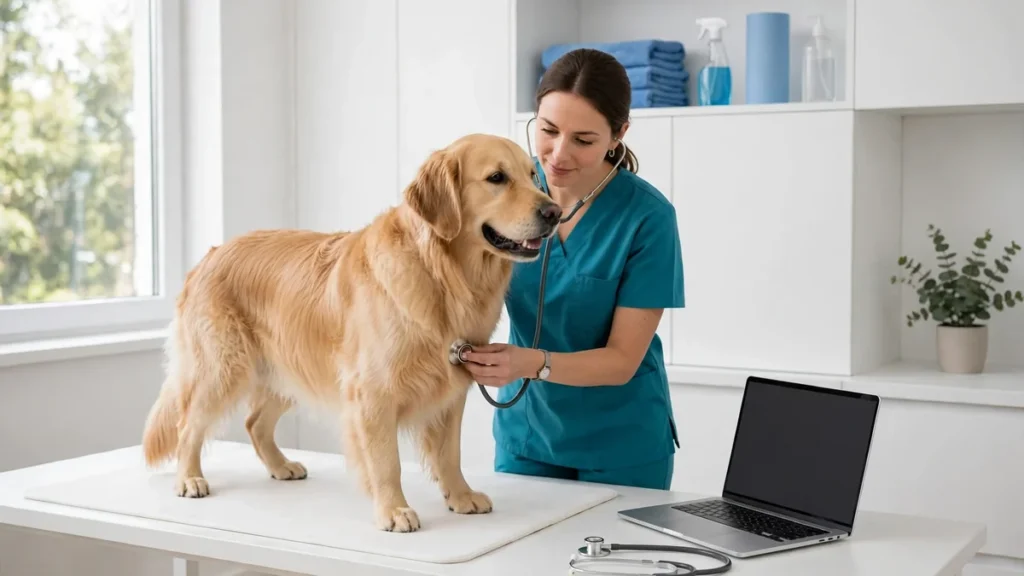
The best AI tools for veterinary clinic startups in 2026 decide whether a new clinic opens calmly or spends its first year buried in phone calls, half-finished records, and invoices that never quite get sent. A veterinary clinic is a small medical business with a front desk that never stops ringing, and the software a founder chooses in the first weeks becomes the daily routine of the whole team. When appointments, patient records, lab results, billing, reminders, and marketing all run through connected tools, a team of two vets and a handful of nurses can serve a full appointment book without working late every night. When those jobs run on paper, memory, and separate apps that never talk to each other, the same team spends its evenings catching up instead of resting.
Starting a veterinary clinic means building two businesses at once: the clinical side, where animals are examined and treated, and the operations side, where appointments are booked, owners are reminded, records are completed, and bills are paid. Founders naturally focus on the clinical side first, because that is the work they trained for, yet it is the operations side that decides whether the clinic survives its first year. A missed reminder becomes an empty appointment slot, a record finished three days late becomes a billing dispute, and a phone that rings unanswered at lunchtime becomes a new client for the clinic down the road. The tools in this guide fix those operational leaks, and they do it without asking a small team to learn complicated software. For a broader clinical view of the same decision, the best AI tools for veterinary startups cover practice management, diagnostics, and surgery workflows in more depth, while this guide stays firmly on the operations stack a new clinic needs to open its doors and keep them open.
This guide compares nine tools that suit a veterinary clinic startup, chosen for the jobs that eat the most time in a new practice: running the appointment book, answering the phone, keeping patient records complete, collecting payment, reminding owners, and bringing in new clients. Each tool is judged as a startup purchase, not as a feature list, which means weighing setup time, monthly cost, how well it connects to the practice management system, and whether it helps a small team or only pays off at scale. Prices change often and usually depend on team size, so treat every cost note as a starting signal rather than a quote, and ask each supplier for a startup price before committing. Whether you are opening a small neighbourhood clinic or a larger multi-vet practice, the goal is the same: choose a small set of tools that work together, keep the front desk calm, and leave your team more time for the animals.
Key takeaways
- Choose your practice management system first, because every other tool must fit around appointments, patient records, and billing, and changing it later is the most expensive mistake a new clinic can make.
- Protect the phone and the appointment book before anything else, since unanswered calls and empty slots cost a startup clinic more in its first year than any other single problem.
- Use an AI scribe and an AI receptionist from day one, so records are complete on the same day and owners always get an answer, even when the front desk is busy with the patient in front of them.
- Make paying easy with online payment and payment plans, because a bill that is simple to pay is a bill that gets paid on time, and a startup clinic cannot afford slow cash flow.
- Measure appointment fill, no-show rate, and record completion for thirty days before adding another tool, and keep only the software that saves time, fills the book, or brings owners back.

Best AI Tools for Veterinary Clinic Startups at a Glance
Use this table to see the whole startup stack before you read the detail. Every row earns its place by saving time, filling the appointment book, or getting bills paid faster, and the best new clinics usually pick one strong tool from each row rather than buying everything at once.
| Tool | Best for | Key AI feature | Starting point |
|---|---|---|---|
| Hippo Manager | Cloud practice management | Smart scheduling and patient records | Monthly plan per vet |
| Digitail | Practice management and AI front desk | Tails AI receptionist and reminders | Monthly plan per clinic |
| Vetstoria | Online appointment booking | Real-time booking that fills empty slots | Monthly plan, free trial |
| Weave | Phones, messaging, and payments | AI call handling and review requests | Monthly plan per location |
| Freed | AI consultation notes | Voice-to-note records in minutes | Monthly plan per clinician |
| Scratchpay | Client payment plans | Instant financing decisions at checkout | No clinic cost, pay per plan |
| VetSuccess | Practice analytics and retention | Reminders driven by patient data | Monthly plan per clinic |
| Airvet | After-hours virtual triage | AI-guided triage and video visits | Monthly plan per clinic |
| VetCT | Imaging second opinions | Specialist radiology reports within hours | Per-study pricing |
Why a Veterinary Clinic Needs Operations AI First
A veterinary clinic startup fails on operations long before it fails on medicine. The vets are usually excellent, the equipment is new, and the premises are freshly fitted, yet the appointment book has gaps, the phone rings while the receptionist is checking in a nervous cat owner, and the records from Tuesday are still unfinished on Friday. None of those problems is a medical problem, and none of them is fixed by buying a better ultrasound machine. They are fixed by software that handles the repetitive work of running a clinic, so the people in the building can focus on the animals in front of them.
The second difference is that clinic clients are worried owners, not casual shoppers. A person booking a vet appointment is often anxious about a pet they love, and the way the clinic answers the phone, confirms the booking, and follows up after the visit shapes whether that owner ever comes back. A booking page that works at midnight, a reminder that arrives at the right time, and a follow-up message that checks how the patient is doing all build trust, and trust is what turns a first visit into a ten-year relationship. The tools below were chosen because they protect that trust while removing work, not because they add clever features a busy clinic will never use.
The Best AI Tools for Veterinary Clinic Startups in Detail
Each tool below solves a different part of the clinic day. Read them in order, note the ones that match your size and your plans, and remember that a clinic with two vets needs different software from a clinic with ten. Start with the practice management system, then add booking, phones, notes, and billing as the gaps appear.
1. Hippo Manager: Cloud Practice Management for a New Clinic
Hippo Manager is a cloud practice management system built for small and growing clinics, and it suits a startup because it covers the whole appointment in one place without a long setup project. Patient records, appointment scheduling, treatment plans, estimates, invoices, and reminders all live in the same system, so a small team does not need three separate apps to run a single consultation. The interface is clean, the workflow follows the way a real appointment runs from check-in to discharge, and because it runs in the browser there is no server to maintain in a back room.
For a founder, the practical advantage is speed. A new clinic can be running on Hippo Manager within days, with appointment types, price lists, and reminder rules set up before the first patient arrives. The scheduling view shows the whole day at a glance, the patient record keeps weight, history, vaccinations, and lab results together, and the built-in reminders cut no-shows without anyone remembering to send them. The system also handles inventory for the medicines and supplies a clinic dispenses, with stock levels and expiry alerts that stop a busy team from running out of a common treatment on a Friday afternoon.
2. Digitail: Practice Management With an AI Front Desk
Digitail is a cloud practice management platform with an AI assistant called Tails built into the front desk, and it suits a startup clinic because it answers the phone problem on day one. Tails handles appointment requests, answers common questions, and books owners into the right appointment type around the clock, so a call at eight in the evening or on a Sunday morning still ends in a booked slot rather than a voicemail nobody returns. For a new clinic with one receptionist, that difference alone can fill the first month of the appointment book.
Beyond the AI receptionist, Digitail covers the core practice management jobs: patient records, scheduling, treatment plans, invoicing, and client communication in one system. The record keeps the whole patient story together, the schedule is easy to rearrange when an emergency walks in, and the messaging tools send reminders and follow-ups without a member of staff typing each one. The platform is designed for modern clinics that want owners to book, pay, and message online, which matches how most pet owners now expect to deal with every other service in their lives.
3. Vetstoria: Online Booking That Fills Empty Slots
Vetstoria is an online booking platform built specifically for veterinary clinics, and it earns its place in a startup stack because it turns the clinic website into a booking desk that never closes. Owners choose the reason for the visit, see real availability, and book a slot that fits the clinic diary, without a phone call and without the back-and-forth that eats reception time. For a new clinic, that matters twice over: it captures the owners who search at night after work, and it frees the receptionist to look after the owner standing at the desk.
The booking flow is designed around veterinary work rather than generic appointments. Owners answer a short set of questions about the pet and the reason for the visit, so the team knows before the appointment whether it is a vaccination, a post-operative check, or a new problem that needs a longer slot. That short intake saves time in the consulting room and stops the common startup mistake of booking a twenty-minute problem into a ten-minute gap. Vetstoria also sends automatic confirmations and reminders, which cut no-shows, and it can offer waiting-list slots when a cancellation opens up, so empty time in the diary gets filled instead of wasted.
4. Weave: AI Phones, Messaging, and Payments in One Place
Weave is a communication platform for clinics and small medical practices that combines phones, text messaging, reminders, review requests, and payments in one system, and it suits a veterinary startup because the phone is where new clinics lose the most business. When the receptionist is busy, calls go unanswered, and an owner who cannot get through will often try the next clinic on the list. Weave answers with an AI assistant that can take messages, answer common questions, and book or reschedule appointments, then hands over to a human when the question needs one.
The messaging side is just as useful day to day. Appointment reminders go out by text at the right time, owners can reply to confirm or reschedule without calling, and follow-up messages after a visit check how the patient is doing and invite a review while the experience is still fresh. Because Weave also handles payments, an owner can settle a bill by text after a consultation, which suits a startup clinic that wants cash flow without chasing invoices. The review requests matter more than they look: a new clinic with twenty honest five-star reviews in its first months will win searches that an older clinic with no reviews will lose.
5. Freed: AI Consultation Notes That Finish the Record
Freed is an AI scribe that listens to a consultation and drafts the clinical note, and it earns its place in a veterinary startup because records are the job that most often spills into the evening. A vet who sees thirty patients in a day cannot write thirty complete notes from memory after the last appointment, yet the record is what the next vet reads, what the insurer asks for, and what protects the clinic if an owner questions a decision. Freed turns the spoken consultation into a structured draft in minutes, so the vet reviews, corrects, and approves the note before the next patient walks in.
The strength of a good AI scribe is that it organises the note the way a clinic already works, separating history, examination, assessment, and plan without being told, and it remembers drug names, dosages, and common abbreviations. That structure matters for a startup, because a new clinic has no long patient history to fall back on, and every record it creates must be complete from the first consultation. The vet stays in charge throughout: the draft is a starting point, the vet checks it, and nothing is filed until a human approves it. That human check is not optional, because a wrong dose or a wrong weight in a record is a clinical risk, not a typing error.
Freed charges a monthly plan per clinician, which makes it easy to start with one vet and add the second when the diary fills. A founder should run a short trial with real consultations, check that the drafts match the clinic record format, and agree a simple rule that no note is filed without review. The best AI tools for veterinarians show the same pattern across working clinics: the scribes that save the most time are the ones that fit the consultation rather than forcing the vet to change how they talk to owners. Best for a busy founding vet who spends more time writing records than they would like, and a practice where same-day records have become a real problem.
6. Scratchpay: Payment Plans That Stop Bills Becoming Barriers
Scratchpay offers payment plans for veterinary care, and it belongs in a startup stack because the cost of treatment is the most common reason owners delay or decline it. A new clinic that can offer a simple payment plan at the front desk will treat animals that would otherwise go home untreated, and it will do so without carrying the credit risk itself. The owner applies in minutes, gets an instant decision, and the clinic is paid, while the owner repays Scratchpay over time.
For a founder, the practical advantage is cash flow and trust. A startup clinic cannot afford to carry large unpaid balances, and it cannot afford the awkward conversations that come with chasing them either. A payment plan offered early, before the bill becomes a surprise, keeps the conversation about the animal rather than the money, and it protects the relationship with an owner the clinic hopes to keep for years. Scratchpay costs the clinic nothing to offer in most cases, with the plan provider taking its fee from the financing, so a founder should check the exact terms and which plans are available in their area before promoting it.
7. VetSuccess: Analytics and Reminders Driven by Patient Data
VetSuccess is a practice analytics and client retention platform that reads the data already inside a clinic system and turns it into reminders, reports, and follow-ups, and it suits a startup because a new clinic has no feel yet for its own numbers. Which clients have not been back in a year, which patients are overdue a vaccination, which appointment types fill and which sit empty, and how many new clients stay after a first visit are all questions a founder needs answered in the first months, and VetSuccess answers them from the record rather than from guesswork.
The reminder side is where the tool pays for itself. Instead of a receptionist working through a list by hand, VetSuccess flags overdue patients and sends reminders for vaccinations, check-ups, and follow-up visits at the right time, which brings owners back without a phone campaign. The reporting side shows the health of the business in plain terms: new client numbers, retention, average visit value, and appointment fill, so a founder can see whether a quiet week is a seasonal dip or a real problem. That visibility matters in year one, when a small change in reminder timing or recall can be worth more than a month of advertising.
8. Airvet: After-Hours Triage and Virtual Visits
Airvet is a virtual care and triage platform for veterinary clinics, and it earns its place in a startup stack because pet problems do not keep office hours. An owner whose dog is sick at nine in the evening needs to know whether it can wait until morning or needs an emergency clinic now, and a startup that can answer that question well will win a client for life. Airvet gives owners a video visit or a chat with a vet, guided by triage questions that sort urgent problems from routine ones, and it connects that conversation back to the clinic record.
For a small founding team, the value is that after-hours care does not have to mean a vet on call all night. Airvet can handle the first conversation, advise the owner, and book the patient into the next available slot when the problem can wait, which protects the team from burnout while still looking after clients. It also suits follow-up visits that do not need an examination room, such as checking a wound by video or reviewing how a patient is settling on a new treatment, which frees consulting room time for the patients who need to be seen in person.
9. VetCT: Specialist Imaging Reports Without a Specialist on Staff
VetCT is a teleradiology service that gives clinics specialist reports on X-rays, CT scans, and other imaging within hours, and it belongs in a startup stack because a new clinic cannot employ a radiologist. When a vet takes an X-ray and is unsure about a shadow, a fracture line, or a chest film, waiting days for an opinion slows treatment and worries the owner, while guessing risks a missed diagnosis. VetCT sends the images to a specialist who reports back quickly, with the findings written clearly enough to share with the owner.
The service is priced per study, which suits a startup because the clinic only pays when it uses it, and there is no monthly fee sitting on the books in a quiet month. That pay-as-you-go shape also makes it easy to start: a founder can use VetCT for the difficult cases in the first weeks and build it into the routine as the caseload grows. The reports support the clinic vet rather than replacing them, and the vet stays responsible for the final decision and the conversation with the owner, which is exactly how a second opinion should work.
How to Build Your Clinic Stack Without Overspending
The most common mistake a veterinary startup makes with software is buying everything at once. A founder reads a list like this one, signs up for nine tools in a week, and then spends the first month learning software instead of seeing patients. The team gets confused about which system holds the truth, owners get duplicate reminders from two tools, and the monthly bill quietly grows past the point where any of it pays for itself. A better approach is to build the stack in three stages, and to let each stage prove itself before the next one is bought.
Stage one is the foundation, and it should be in place before the first patient arrives: a practice management system, online booking, and a way to answer the phone. Hippo Manager or Digitail covers the first job, Vetstoria covers the second, and the AI receptionist inside Digitail or a tool like Weave covers the third. Those three decisions shape everything else, so take time over them, run a trial with real appointment types, and check that bookings flow into the diary without anyone copying them by hand. If the foundation is wrong, every tool added later will fight it.
Stage two comes in the first month of trading, once the diary is filling: the AI scribe, the payment plan, and the reminder analytics. Freed takes the record-writing load off the vet, Scratchpay removes cost as a barrier to treatment, and VetSuccess makes sure overdue patients come back. Stage three comes when the clinic is busy enough to need it, usually in the second or third month: after-hours triage through Airvet and specialist imaging through VetCT. By that point the team knows its real gaps, because the numbers will show them, and the money spent will fix a problem the clinic actually has rather than one it imagined.
Checklist: Choosing AI Tools for Your Veterinary Clinic Startup
Use this checklist before you sign any contract. If a tool fails more than one item, wait until the clinic is busier, or choose a simpler option that passes them all.
- It connects to your practice management system without manual copying, so bookings, records, reminders, and invoices all share the same patient data.
- It can be set up and running within a week, with appointment types, price lists, and reminder rules ready before the first patient arrives.
- It saves a named person a named number of hours each week, and you can say in one sentence whose job gets easier and how.
- It handles worried owners kindly, with a human handover for anything medical, and no owner is ever left talking only to a machine about a sick pet.
- Its monthly cost is clear, with no hidden per-message or per-user charges, and you have asked for a startup price in writing before committing.
- It passes a thirty-day trial on real clinic work, measured on appointment fill, no-show rate, and record completion, before you sign a longer contract.
The same operations thinking applies beyond clinics. A pet business that sells daytime care rather than medical treatment faces a different booking problem, and the best AI tools for dog daycare startups show how playgroup scheduling, vaccination checks, and owner updates shape a completely different stack, which is a useful contrast when you are deciding where your own clinic begins and ends.
Frequently Asked Questions
What is the first AI tool a veterinary clinic startup should buy?
The practice management system comes first, because every other tool must fit around appointments, patient records, and billing. Choose Hippo Manager or Digitail before the first patient arrives, set up appointment types and reminder rules, and only then add booking, phones, and notes. A clinic that buys a scribe or a marketing tool before it has a reliable diary will spend its first month fixing the foundation instead of seeing patients.
How much should a new veterinary clinic spend on AI tools each month?
A small startup clinic usually spends a few hundred dollars a month on its core stack once the foundation is in place, with the practice management system as the largest single cost and per-case tools such as VetCT paid only when used. Start with the foundation, add one tool at a time, and measure each one for thirty days before adding the next. If a tool does not save time, fill the book, or bring owners back, cancel it and spend the money on the gap that the numbers show instead.
Can AI answer the clinic phone?
Yes, and for a startup clinic it often should, because unanswered calls are lost clients. An AI receptionist can answer common questions, take messages, and book appointments around the clock, and it should hand over to a human whenever the question touches on a sick animal or a worried owner. The rule is simple: the machine handles the routine, the person handles the worry, and no owner is ever left without a way to reach a human quickly.
Do AI scribes replace the vet writing records?
No, and they should never be used that way. An AI scribe drafts the record from the consultation, the vet reviews it, corrects anything that needs fixing, and approves it before it is filed. The vet stays responsible for every word in the record, and a wrong dose or a wrong weight must be caught in that review. Used properly, a scribe turns fifteen minutes of typing into a one-minute review, and the record is finished on the same day instead of three days late.
How do payment plans help a new veterinary clinic?
Payment plans remove cost as a reason for owners to delay or decline treatment, which means more animals get treated and the clinic is still paid on time. The owner applies in minutes and repays the plan provider over time, while the clinic receives payment without carrying the credit risk or chasing unpaid balances. Offer the plan early and kindly, with an honest estimate before treatment, so the conversation stays about the animal rather than the money.
Should a startup clinic offer after-hours virtual care?
It should once the daytime diary is full, usually in the second or third month. After-hours triage through a service like Airvet lets owners get advice in the evening, sorts urgent problems from routine ones, and books the patient into the next available slot when the problem can wait. It protects a small team from burnout while still looking after clients, and it turns the hours when the clinic is closed into a service rather than a gap.
The Bottom Line
The best AI tools for veterinary clinic startups are the ones that keep the front desk calm, the records complete, and the appointment book full, without asking a small team to learn complicated software. Start with a practice management system, add online booking and an AI receptionist, then bring in a scribe, payment plans, and reminder analytics as the diary fills. Measure each tool for thirty days on appointment fill, no-show rate, and record completion, keep only the software that earns its place, and spend the time it saves on the work that matters most: the animals in front of you and the owners who trust you with them.

Keep what speaks to you.
Leave room for your own perspective.


