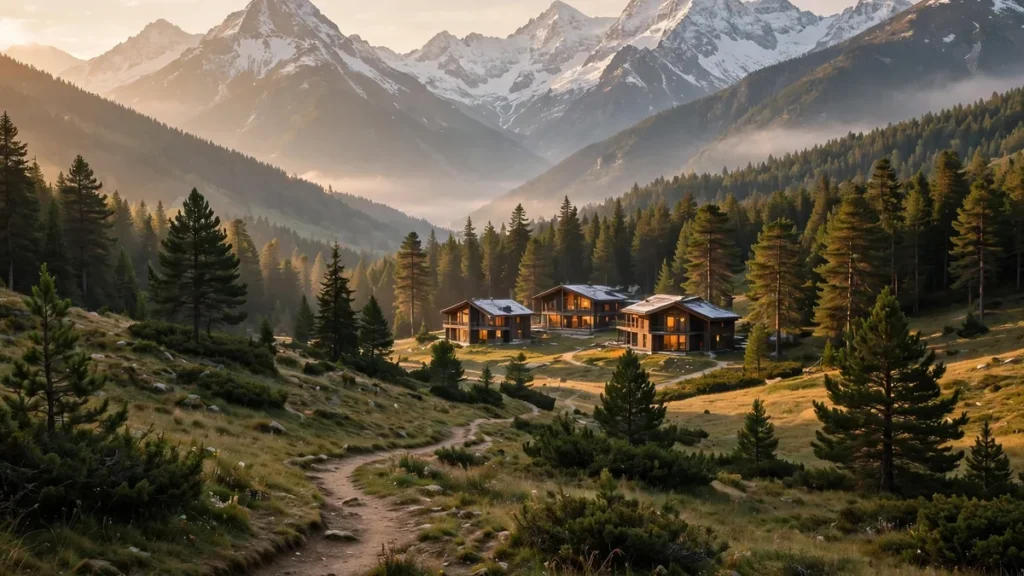
A mountain retreat startup sells something no city hotel can copy: thin clean air, a trailhead outside the front door, and a view that makes guests put their phones away. The business behind that feeling is harder than it looks. Seasons swing sharply between a packed summer of hiking and a quiet shoulder season, altitude affects everything from guest health to kitchen planning, and a single guided trek needs guides, gear, weather checks, transport, and lunch packs lined up on the same morning.
The best AI tools for mountain retreat startups in 2026 handle that combination rather than treating the property like a generic hotel. They book multi-day stays with activities attached, price nights around mountain seasons and local events, answer guest questions about altitude, trails, and weather at any hour, and keep a tiny team organised when the nearest town is an hour down the valley. The nine tools in this guide were chosen for exactly those jobs, and each one was judged on how well it fits a retreat built around altitude stays, hiking bases, guided treks, and seasonal mountain demand.
This guide is written for a founder launching or running a mountain retreat, whether the property is a small lodge high in the hills, a cluster of cabins near a national park, or a converted farmhouse that hosts week-long walking holidays. The tools cover reservations, trek booking, pricing, guest messaging, route planning, marketing, and automation, so a small team can run a professional operation without hiring an office full of staff. If your property is closer to a traditional lodge with a dining hall and a mixed activity programme, the AI tools for lodge startups are a useful companion read, but the tools below are picked for the mountain retreat itself.
Key takeaways
- Start with one retreat booking system, one trek and activity booking tool, and one dynamic pricing tool. Those three carry most of the revenue for a new mountain retreat startup.
- Choose tools built for multi-day stays plus guided activities, because software that only manages beds will leave treks, guides, and gear disconnected from the room list.
- Price every night on its mountain value, not on a fixed seasonal rate, because a peak hiking weekend that sells out early and a quiet shoulder week need very different prices.
- Plan every trek around weather, altitude, and group fitness, and let AI draft routes, packing lists, and guest briefings while a human guide approves anything that affects safety.
- Measure success in occupancy, direct bookings, trek revenue, guest safety, response time, and review scores, not in how many features a tool lists.
The Best AI Tools for Mountain Retreat Startups at a Glance
The table below gives a fast comparison of all nine tools before the detailed reviews. Use it to shortlist two or three tools for your stack, then read the matching sections to check the fit for your property, your seasons, and the size of your team.
| Tool | Best for | Standout strength | Starting point |
|---|---|---|---|
| Rezdy | Guided treks and activity bookings | Real-time availability for hikes, treks, and multi-day tours | Free trial, then monthly plans |
| Checkfront | Multi-day mountain retreat reservations | Flexible booking for stays, packages, and add-on activities | Free trial, then monthly plans |
| Sirvoy | Mountain property management | Simple booking engine, channel manager, and payments in one place | Free trial, then monthly plans |
| Little Hotelier | Small retreat properties | All-in-one system built for small hotels, lodges, and retreats | Free trial, then monthly plans |
| Atomize | AI revenue management for seasonal rates | Night-by-night rates tuned to demand, weather, and events | Custom pricing |
| Gaia GPS | Guided trek route planning | Detailed offline maps, routes, and waypoints for mountain trails | Free plan, paid from around $40 per year |
| eviivo | Direct bookings and channel management | One calendar for direct, Airbnb, and Booking.com reservations | Monthly plans |
| Jasper | AI marketing content for retreats | Fast, on-brand copy for retreat pages, emails, and trek descriptions | Free trial, then monthly plans |
| Zapier | Automation across the whole stack | Connects bookings, email, messaging, and spreadsheets without code | Free plan, paid from around $20 per month |
1. Rezdy: Best for Guided Treks and Activity Bookings
Rezdy is built for tour and activity operators, which makes it a natural fit for a mountain retreat where guided treks are a core product rather than an afterthought. Guests can see real-time availability for each hike, choose a departure time, pick a difficulty level, and book a place on a guided group without phoning the retreat. The system handles the details that make mountain activities complicated: limited group sizes, different prices for adults and children, minimum numbers before a trek runs, and cut-off times for booking the night before an early start.
What it does well
Rezdy handles the messy reality of mountain activities better than a generic booking form. It manages availability by seat rather than by room, so a trek that is full at ten guests stops selling even if the retreat still has beds free. It supports vouchers, gift bookings, and agent commissions, which matter when local hotels and travel agents send guests up the mountain. The booking pages are clean on a phone, which is how most guests book a trek after arriving, and the system sends automatic reminders with meeting points, start times, and packing lists that reduce no-shows and late arrivals at the trailhead.
Where it falls short
Rezdy is an activity platform first, so it does not manage rooms, meals, or housekeeping on its own. A retreat that books stays and treks together will need a property system alongside it, and the two systems must be connected so a guest who cancels a room also cancels a trek place. The monthly cost can feel high before the trek programme is earning, and the range of settings takes time to learn. Start with two or three signature treks, set clear group limits and cut-off times, and add more routes only when the first ones run smoothly.
2. Checkfront: Best for Multi-Day Mountain Retreat Reservations
Checkfront is a flexible booking system that handles the packages a mountain retreat actually sells: a four-night stay with three guided hikes, a weekend walking break with breakfast and a packed lunch, or a week-long retreat with yoga at dawn and a summit day in the middle. Guests choose a package, pick their dates, add extras such as a private guide or a massage, and pay a deposit online. That package logic is the difference between a retreat booking system and a hotel booking engine, because the price depends on the combination of nights, activities, and extras rather than on a room rate alone.
What it does well
Checkfront is strong on the guest-facing side. The booking flow is short, the package options are clear, and guests can see exactly what is included before they pay. Behind the scenes, the calendar shows every arrival, departure, and activity in one place, which helps a small team plan guides, meals, and transport for the week ahead. Automated emails confirm the booking, collect arrival times and dietary needs, and remind guests about check-in, so the retreat team spends less time chasing information and more time on the mountain.
Where it falls short
Checkfront is not a full property management system, so housekeeping, maintenance, and detailed room inventory need another tool or a careful manual process. The reporting is useful for bookings and revenue but light on the deeper analysis a growing retreat may want, such as which packages earn the most per guest or which seasons need a price change. Pricing is monthly, and the cost rises with features, so a new retreat should start on a simple plan, sell its core packages well, and upgrade only when the booking volume justifies it.
3. Sirvoy: Best for Mountain Property Management
Sirvoy is a straightforward property management system that suits a small mountain retreat with a handful of rooms and a small team. It combines a booking engine for the retreat website, a channel manager that syncs availability to the big booking sites, and a payment system in one place. For a property where the owner also leads hikes and cooks breakfast, that simplicity matters: one login shows the rooms, the arrivals, and the payments, without a week of training or a consultant to set it up.
What it does well
Sirvoy is easy to learn, which counts when seasonal staff arrive and need to check guests in within a day. The dashboard is clear, the rates and availability grid is simple to update, and the system sends automatic confirmation and pre-arrival emails. It handles multiple room types, from dormitory beds to private suites, and it supports extras such as packed lunches and guided walks as add-ons to a booking. The price is modest for a small property, and the free trial gives a new retreat time to test it through a real booking cycle before committing.
Where it falls short
Sirvoy is deliberately simple, so a larger retreat with complex packages, multi-day itineraries, and detailed activity scheduling will outgrow it. It does not manage guided treks in depth, and its reporting is basic compared with larger systems. The design options for the booking engine are limited, so a retreat that wants a highly branded booking page may need a developer or a different tool. For a startup with under twenty rooms and a focus on direct bookings, though, Sirvoy covers the essentials well and leaves the team free to run the mountain programme.
4. Little Hotelier: Best for Small Retreat Properties
Little Hotelier is an all-in-one system built for small hotels, guesthouses, and retreats, and it fits a mountain property that needs reservations, a website booking engine, and a channel manager without buying three separate tools. The front desk view shows arrivals, departures, and room status for the day, while the booking engine takes direct reservations from the retreat website. A small team can run the whole property from one screen, which matters when the same person checks guests in, answers the phone, and leads the afternoon walk.
What it does well
Little Hotelier is designed for owners rather than for revenue managers, so the learning curve is short and the daily workflow is clear. The channel manager keeps availability in sync across the major booking sites, and the direct booking engine is easy for guests to use on a phone. The system sends automatic emails for confirmations, pre-arrival information, and post-stay thanks, which keeps guests informed without adding to the team workload. Support is geared toward small properties, so help is practical rather than enterprise-focused.
Where it falls short
Little Hotelier is not built for complex multi-day itineraries or detailed trek management, so a retreat with a heavy guided programme will still need a dedicated activity tool alongside it. The pricing tools are simpler than a dedicated revenue system, and a retreat that wants night-by-night dynamic pricing will need to add a specialist tool. The website templates are clean but limited, so a retreat with a strong brand may eventually want a custom site. For a startup property finding its feet, though, it covers the core jobs in one affordable package.
5. Atomize: Best for AI Revenue Management for Seasonal Rates
Atomize is an AI revenue management system that sets nightly rates based on demand, booking pace, local events, and competitor prices. For a mountain retreat, that matters more than for a city hotel, because demand is driven by seasons, weather, trail conditions, and a handful of peak weekends that can make or break the year. A fixed seasonal rate leaves money on the table when a hiking festival fills the valley, and it leaves rooms empty when a quiet shoulder week is priced like a peak week. Atomize adjusts each night individually, raising prices when demand is strong and suggesting discounts early enough to fill quiet dates.
What it does well
Atomize is strong on the logic behind each price. It explains why a rate moved, whether demand, a local event, or the booking pace caused the change, so a founder can learn the market rather than blindly trusting a black box. The interface is clear, the recommendations update daily, and the system works with common property management tools so rates flow to the booking channels without manual entry. For a seasonal mountain property, the ability to price shoulder weeks aggressively and protect peak weekends is worth more than any single marketing campaign.
Where it falls short
Atomize is a specialist pricing tool, so it needs a property system and a channel manager alongside it, which adds cost and complexity for a very small retreat. The pricing is custom and aimed at properties with enough rooms and revenue to justify it, so a tiny retreat with four rooms may find the return slower. It also needs booking history to learn from, so the first season will rely more on market data than on the retreat own patterns. Start with a trial period, compare the recommended rates against the rates that actually sold, and judge the tool on revenue per available room rather than on the number of features.
6. Gaia GPS: Best for Guided Trek Route Planning
Gaia GPS is a mapping and route planning tool that mountain guides rely on for detailed topographic maps, offline navigation, and route sharing. A retreat startup can use it to plan every guided trek before the season starts: plot the route, check the distance and elevation gain, mark water sources and rest points, and note the escape routes if weather turns. Those planned routes can then be shared with guests as a preview and with guides as the working plan for the day, so everyone walks the same route with the same expectations.
What it does well
Gaia GPS offers detailed topographic, satellite, and trail maps that cover mountain regions far better than a general mapping app. Routes can be planned on a computer and synced to a phone, waypoints can be added for springs, shelters, and viewpoints, and tracks can be recorded and shared with the team. The app works fully offline once maps are downloaded, and the recorded data helps a retreat build a library of tested routes with honest timings and difficulty grades. That library becomes a real asset, because guests return for routes they trust.
Where it falls short
Gaia GPS is a mapping tool, not a booking system, so it does not handle reservations, payments, or guest messaging. The interface has a learning curve, and a guide who is new to digital mapping will need practice before leading a group with it. The free plan is limited, and the paid plans are priced per user, so a retreat with several guides needs to budget for each one. It also depends on the quality of the underlying map data, which varies by region, so routes should always be walked and checked by a guide before they are sold to guests.
7. eviivo: Best for Direct Bookings and Channel Management
eviivo is a booking and property management suite built for independent properties, and it suits a mountain retreat that takes bookings from its own website, from Airbnb, and from Booking.com at the same time. The system keeps one calendar for every channel, so a direct booking blocks the room on the big platforms automatically, and a platform booking blocks it on the retreat website. That single source of truth is essential in the mountains, where a double booking can mean a guest arriving after a long drive to find no room ready.
What it does well
eviivo is strong on the practical side of running a property. The calendar is clear, the channel connections are reliable, and the guest messaging tools keep arrivals informed about check-in times, directions, and mountain road conditions. The system supports upsells such as guided hikes, breakfast, and transfers, and it shows which channels bring the most bookings so a founder can decide where to spend marketing effort. The mobile app lets a small team manage bookings from the trail or the kitchen rather than from a desk.
Where it falls short
eviivo is a property system, not an activity platform, so guided treks still need a dedicated booking tool for group limits, guide assignments, and route planning. The monthly cost is higher than a basic channel manager, which can stretch a new retreat budget before bookings build up. Some of the advanced features take time to set up, and a retreat that only needs a simple calendar may find the system larger than necessary. For a property that sells across several channels and wants to grow direct bookings, though, it is a solid foundation.
8. Jasper: Best for AI Marketing Content for Retreats
Jasper is an AI writing tool that helps a small retreat team produce the marketing content a mountain property needs: retreat pages that sell the view and the trails, trek descriptions that set honest expectations, emails that fill shoulder-season weeks, and social posts that keep the retreat visible between seasons. A founder who is also the guide, the cook, and the receptionist rarely has time to write, and Jasper turns a short brief into a usable first draft in minutes.
What it does well
Jasper is fast and consistent. It keeps the retreat voice steady across pages, emails, and social posts, and it can rewrite one piece of content for different uses, such as turning a trek description into a short social post and a longer email. The templates for landing pages, emails, and product descriptions save time, and the brand voice settings help the copy sound like the retreat rather than like generic travel marketing. For a team with no dedicated marketer, that consistency is valuable.
Where it falls short
Jasper writes drafts, not finished copy, and every claim about a trail, a view, or a facility must be checked by someone who knows the mountain. The tool can invent details when the brief is thin, so vague prompts produce vague or inaccurate copy. The monthly cost is an extra line in a tight startup budget, and the value depends on how much content the retreat actually publishes. Use it for volume and speed, keep a human in charge of facts, and never publish an AI draft about a route that no guide has walked.
9. Zapier: Best for Automation Across the Whole Stack
Zapier connects the tools in this guide so they work as one system without custom code. When a guest books a trek in Rezdy, Zapier can add the booking to a spreadsheet, send a message to the guide group, and create a task to prepare the packed lunches. When a new booking arrives in Checkfront, it can trigger a welcome email, update the guest list, and notify the kitchen about dietary needs. Those small automations save hours every week and prevent the mistakes that happen when information is copied by hand between systems.
What it does well
Zapier is flexible and quick to set up. Most automations take minutes to build, and the library of ready-made workflows covers the common jobs a retreat needs, from booking notifications to guest follow-ups. It works with the booking, email, and spreadsheet tools a small business already uses, and it keeps a log of every automation so a failed step can be found and fixed. The free plan covers a small number of tasks, which is enough to test the most useful automations before paying.
Where it falls short
Zapier is only as reliable as the tools it connects, so a booking system that changes its data or goes offline can break an automation at the worst moment. Complex workflows with many steps can become hard to follow, and the paid plans are priced by the number of tasks, so a busy retreat with thousands of automated steps can face a larger bill than expected. It also cannot fix bad data: if guest information is entered inconsistently, the automation will copy the inconsistency everywhere. Keep the automations simple, test them with real bookings, and check the log each week.
How to Choose the Right AI Tools for Your Mountain Retreat Startup
Start with the three jobs that earn the money: taking retreat bookings, selling guided treks, and pricing nights correctly. Pick one tool for each job, get those three working well together, and add the rest only when a clear problem appears. A retreat that books reliably, prices every night on its value, and runs safe, well-organised treks will fill its calendar; a retreat with ten tools and no bookings will not.
Think about the shape of your property before you buy. A retreat built around structured programmes, daily schedules, and group activities has different needs from a property that simply offers rooms near good trails, and the AI tools for wellness retreat startups show how programme-led retreats organise their bookings and guest journeys. A mountain retreat sits between those two models: it needs the room management of a small hotel, the activity booking of a tour operator, and the route planning of a guiding company. Choose tools that cover that middle ground rather than tools built for only one side of it.
Your Launch Checklist
- Walk every guided route with a guide before selling it, record the track, and set honest distance, elevation, and difficulty ratings.
- Set up one booking system for stays, one tool for treks, and one pricing tool, and connect them so a cancelled room also cancels a trek place.
- Write the guest briefing for altitude, weather, and packing, and automate it so every guest receives it before arrival.
- Test the booking journey on a phone from enquiry to payment, and fix every step where a guest could get stuck.
- Plan the seasonal calendar early, with clear opening dates, peak weekends, and shoulder-season offers that fill quiet weeks.
- Check the automation log weekly, confirm that bookings, messages, and guide assignments all fired correctly, and fix any broken step before the next arrivals.
Frequently Asked Questions
What is the best AI tool for a mountain retreat startup?
There is no single best tool, because a mountain retreat needs three different jobs done well: retreat bookings, guided trek bookings, and pricing. Start with Checkfront or Sirvoy for stays, Rezdy for treks, and Atomize for pricing, then add guest messaging, route planning, and automation as the programme grows. The right stack is the smallest one that covers bookings, treks, and pricing without double bookings or missed guides.
How much do AI tools for mountain retreat startups cost?
A starter stack usually costs a few hundred dollars a month once the free trials end, plus booking fees or a share of revenue on some tools. The exact total depends on the number of rooms, the volume of trek bookings, and which tools charge per booking rather than per month. Trial each tool, measure the revenue it protects or creates, and drop any tool that does not earn its place within one season.
Can AI tools handle guided treks safely?
AI tools can plan routes, manage group sizes, send packing lists, and brief guests, but they cannot replace a qualified guide on the mountain. Weather, trail conditions, and group fitness change on the day, and only a guide on the ground can judge whether a route is safe to walk. Use the tools for planning and organisation, keep a human guide in charge of every safety decision, and never let an automated message override a guide judgement about turning a group back.
Do mountain retreats need dynamic pricing?
Yes, because mountain demand is sharply seasonal and driven by weather, trail conditions, and a small number of peak weekends. A fixed rate either leaves money behind on a busy hiking weekend or leaves rooms empty in a quiet shoulder week. A pricing tool that adjusts each night on demand and booking pace will usually earn back its cost within a season, provided the retreat reviews the recommendations and keeps a minimum stay on the busiest dates.
How do I keep guests safe at altitude?
Brief every guest before arrival about altitude, hydration, and the signs of altitude sickness, and repeat the briefing on arrival in person. Plan treks with a gradual gain in height, build rest days into multi-day itineraries, and keep a clear plan for descending quickly if a guest feels unwell. The AI tools for cabin rental startups cover remote stays and guest messaging that also help here, because clear, automated messages about check-in, directions, and emergency contacts reach guests even when the team is out on the trail. Keep emergency contacts, the nearest clinic, and the evacuation route written down where every guide can find them.
Should a mountain retreat automate guest messaging?
Yes, for the routine messages that arrive at all hours: booking confirmations, arrival times, directions, packing lists, and checkout reminders. Automation answers guests in minutes and frees the team for the work that needs a person, such as planning a trek or helping a guest who is unwell. Keep refunds, complaints, and safety questions manual, and make it easy for a guest to reach a real person whenever the message matters.
The Bottom Line
The best AI tools for mountain retreat startups in 2026 are the ones that understand what a mountain retreat actually is: a small property in a remote place, selling multi-day stays built around guided treks, seasonal demand, and guests who need clear information about altitude, weather, and trails. Start with one booking system for stays, one tool for treks, and one pricing tool, then add route planning, marketing, and automation as the programme grows. Keep the stack small, keep a human guide in charge of safety, walk every route before you sell it, and let the tools handle the admin so the team can spend its time on the mountain with the guests.

Keep what speaks to you.
Leave room for your own perspective.


