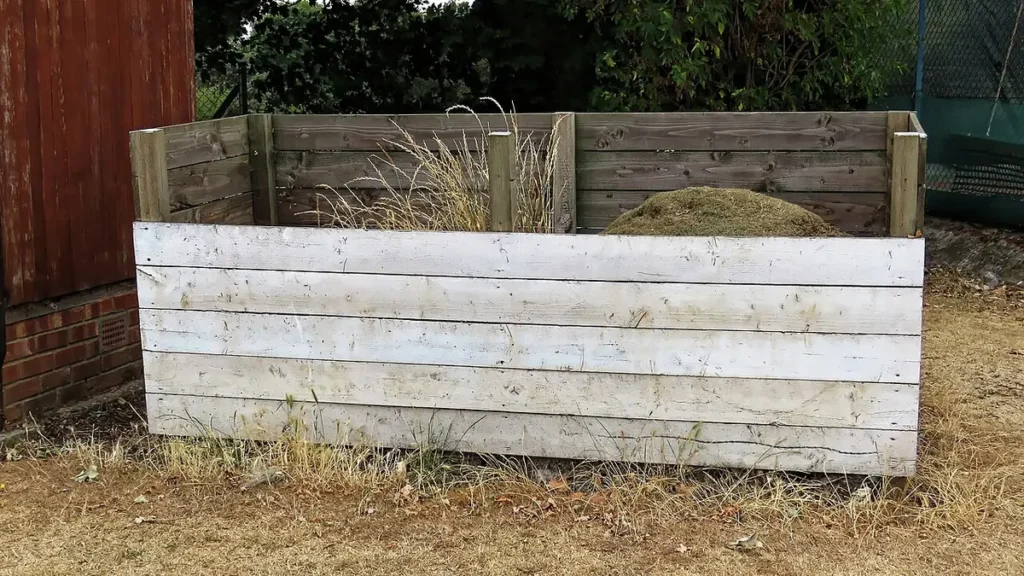
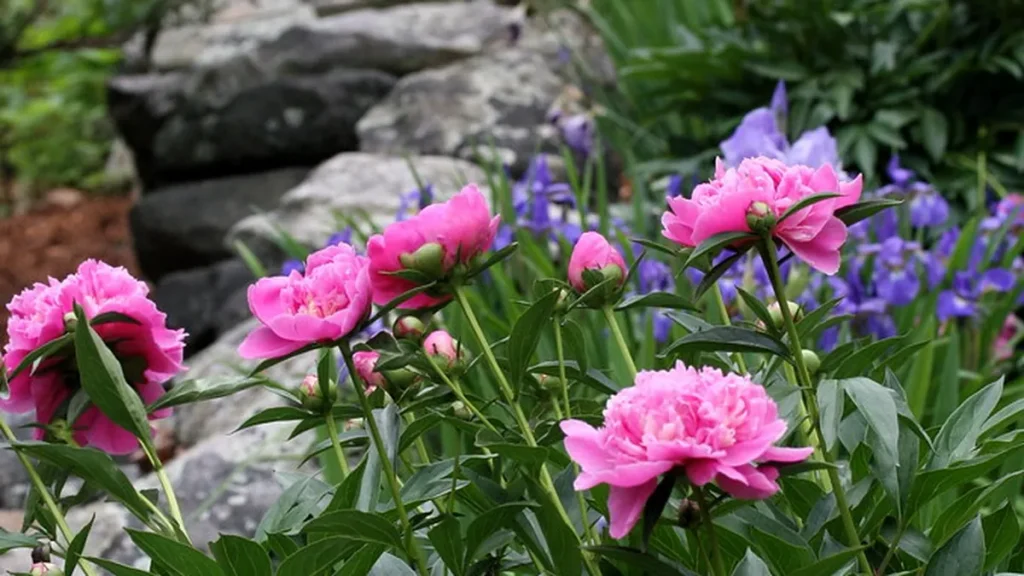
The best AI tools for herb garden installation startups in 2026 turn a sunny patch of garden, a client who cooks with fresh basil and rosemary, and a van full of soil and pots into a booked, priced and finished herb garden. A herb garden looks simple from the kitchen window and turns fiddly the moment the site is inspected, because a bed that should take one afternoon can take two days when the only sunny spot is shaded by a fence after three o’clock, the soil underneath is heavy clay that drowns rosemary, or the client wants twenty herbs in a space that fits eight.
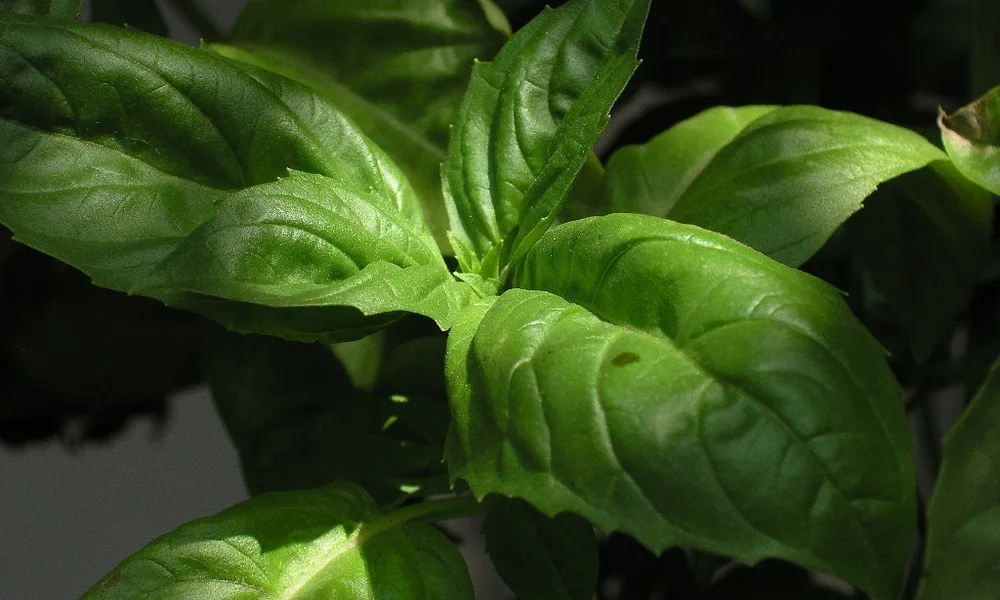
Herbs are not like other garden plants. Basil wants heat, steady water and rich soil, while rosemary, thyme and sage want sun, sharp drainage and soil that is almost poor. Mint will take over a whole bed if it is planted loose in the ground, and parsley is slow to germinate and quick to bolt in a hot spell. The right tools keep those differences straight, so a small crew can plan each bed herb by herb and hand over a garden that still looks alive in August.
The tools in this guide are chosen for the herb trade specifically. They help with sun mapping, soil choice, watering schedules, planting calendars, herb identification and the running of a small installation business. Some are free apps, some are paid kits and planners, and one runs the quoting and scheduling side of the job. Together they form a starter stack a new herb garden startup can afford, learn in a week and use on every job from a two-pot balcony setup to a full kitchen garden for a restaurant.
Key takeaways
- Herbs have opposite needs, so plan each bed herb by herb: basil and parsley want water and rich soil, while rosemary, thyme and sage want sun and sharp drainage.
- Sun comes first. Map the sun across the site before choosing plants, because most culinary herbs need six or more hours of direct sun a day.
- Start with free or cheap apps for plant identification, watering reminders and planting dates, and spend money first on the tools that win jobs and keep clients watering.
- Mint always goes in a pot, even inside a bed, and a herb garden needs a written watering and harvest plan at handover, not just a planting list.
- Price by the job, not by the plant. Site visits, soil work, sun mapping and aftercare are the real service, and the plants are the smallest part of the bill.

What makes a herb garden installation startup different
A herb garden installation business is really several small services sharing one van, one phone number and one reputation. Every week brings a different mix of work: a small bed of culinary herbs beside a kitchen door, a set of pots on a sunny balcony, a raised bed full of herbs for a keen home cook, a larger kitchen garden for a cafe or restaurant, and indoor herb kits for clients with no garden at all. Each job is small, each client cooks differently, and each garden has to keep producing leaves the client will actually pick and use.
The planting knowledge matters more here than in most garden trades. A client who asks for basil, mint, rosemary, thyme, sage, parsley, chives and coriander in one bed is asking for eight plants with different water, soil and sun needs, different growth speeds and different harvest habits. Coriander bolts in heat, basil sulks in cold wind, mint spreads by runners underground, and rosemary dies in wet winter soil. An installer who knows these habits can group herbs by need, keep the thirsty ones together, keep the spreaders contained and place the sun lovers where the light actually falls.
Herb gardens also sit close to other garden work, so it helps to know where the edges are. A bed of herbs in a timber frame shares skills with raised garden bed installation, but the plant list, the soil mixes and the watering plan are herb-specific, and the client judges the job by flavour and harvest, not by the carpentry. A herb garden is a working kitchen, not a display bed, and the tools that matter most are the ones that keep the right herb alive in the right spot.
How to choose AI tools when money is tight
Start with the job, not the app store. The first tools a new herb garden startup needs are the ones that answer questions on a real site visit: which herbs will grow here, how much sun does this spot get, what is wrong with this soil, and when should each herb be planted. Free apps cover most of that ground. Pay for a tool only when it saves an hour on every job, wins a quote you would otherwise lose, or stops a client from killing a garden you just planted.
Test each tool on a real job before it becomes part of your quotes. Take the sun app to a shaded garden and see if it matches what you can see with your own eyes at three in the afternoon. Ask the watering app to build a schedule for a bed with basil and rosemary side by side and check whether it knows they need different amounts of water. Run the planner through a real client brief, with a real budget and a real shaded corner, and see if the plan it produces is one you would be happy to plant. If a tool passes those tests, keep it. If it does not, drop it and move on.
Comparison table: the best AI tools for herb garden installation startups at a glance
| Tool | Best for | Standout strength | Starting price |
|---|---|---|---|
| AeroGarden | Indoor herb gardens | Countertop herb kits with grow lights | Paid kits |
| Click and Grow Smart Garden | Effortless indoor herbs | Self-watering pods with built-in light | Paid kits |
| PictureThis | Herb identification | AI photo identification and diagnosis | Free with paid plan |
| From Seed to Spoon | Planting calendars | Herb dates by location and frost | Free with paid plan |
| Planter | Bed layout | Companion planting for herb beds | Free with paid plan |
| Sun Seeker | Sun mapping | Sun path and shade tracking on site | Paid app |
| Gardenize | Client care records | Photo journal of each herb garden | Free with paid plan |
| Greg | Watering reminders | Per-herb watering schedules | Free with paid plan |
| Housecall Pro | Running the business | Quotes, scheduling and invoicing | Paid plans |
The 9 best AI tools for herb garden installation startups
Each tool below is judged on the same questions: does it help with real herb work, does it fit a small installation crew, and is it worth its price in the first month. The order runs from the garden itself to the business around it, starting with the kits that grow herbs where there is no garden at all.
1. AeroGarden: the best tool for indoor herb gardens
AeroGarden makes countertop hydroponic gardens that grow herbs indoors under a built-in grow light, with seed pods, a water reservoir and a control panel that tells the user when to add water and nutrients. For a herb garden installation startup, it is the answer to the client who has no outdoor space, a dark kitchen or a long winter. A small unit grows basil, parsley, chives and mint on a worktop, and a larger one handles six or nine pods for a household that cooks every day.
Installers use AeroGarden as a product they supply and set up, not just as a gadget they recommend. The job is to choose the right size, place it where the client will see it and use it, fill the reservoir, plant the pods, set the light timer and show the client how the reminders work. The sale is simple to explain, the setup takes under an hour, and the client sees green growth within a fortnight, which is faster feedback than any outdoor bed can give. It also creates a natural follow-up visit: refill pods, replace a failed pod, add nutrients and check the pump.
2. Click and Grow Smart Garden: the best tool for effortless indoor herbs
Click and Grow makes a self-watering smart garden that grows herbs in pre-seeded pods under an LED lamp, with a water tank that lasts for weeks and a float that shows when a refill is due. The pods contain the seeds and the growing medium, so the client plants a pod, adds water and waits. Basil, mint, thyme, rosemary and parsley all have pod options, and the system is designed for people who have killed every houseplant they ever owned.
For an installation startup, the Smart Garden is the lowest-friction indoor product to sell. There is no soil to spill, no timer to program and almost nothing to explain, which makes it ideal for flats, offices, care homes and clients who travel. The installer chooses the model, places it on a desk or worktop, fills the tank, inserts the pods and shows the client the water float. The whole visit can fit inside half an hour, and the client gets a living herb garden the same day.
3. PictureThis: the best tool for herb identification and diagnosis
PictureThis is an AI plant identification app that names a plant from a photo and gives care advice, watering guidance and a diagnosis when a plant looks sick. Point the phone at a seedling, a leaf or a whole plant, and the app returns a likely identification with a confidence note, plus information on light, water and common problems. For herb installers, the identification feature is useful on sites where the client has already planted herbs and cannot remember what is what, or where seedlings of basil, mint and lemon balm look confusingly alike.
The diagnosis side is where the app earns its place on a job. A basil plant with brown leaf edges, a rosemary stem turning black at the base, a mint plant covered in white spots or a parsley plant that has suddenly gone yellow all have different causes, and a wrong guess wastes a week. PictureThis gives a starting diagnosis in seconds, and the installer can then check the soil, the watering and the light to confirm it. It is not a substitute for experience, but it is a fast second opinion in the client’s garden, and it helps the installer explain the problem in plain language.
4. From Seed to Spoon: the best tool for herb planting calendars
From Seed to Spoon is a garden planning app that builds planting dates for herbs and vegetables from the user’s location, using frost dates and local conditions to say when to sow indoors, when to transplant and when to harvest. It covers the common culinary herbs, tracks what is planted where, and sends reminders for the jobs that matter in each week of the season. For a herb garden startup, it turns the vague question of when to plant into a dated plan the crew can follow.
The app is most useful at the planning stage of a job. A client who wants basil in April in a cold climate needs to hear that the basil waits until after the last frost, while the parsley and chives can go out earlier. From Seed to Spoon gives those dates without the installer having to look them up for every postcode, and it keeps the plan consistent across the whole season. That matters when a crew is planting a dozen gardens in the same month and each client wants to know why their neighbour’s basil went in two weeks earlier.
5. Planter: the best tool for herb bed layout and companion planting
Planter is a garden planning app that lets you draw a bed to scale, place herbs and vegetables in it, and check which plants grow well together and which should be kept apart. It shows spacing, so a bed that looks generous on paper does not end up with twenty herbs fighting for the same square metre, and it flags companion combinations, such as basil near tomatoes or chives near herbs that benefit from them. For a herb installer, it is the sketchpad that turns a client wish list into a plantable bed.
The layout step is where most herb gardens go wrong. Clients ask for every herb they have ever cooked with, and without a scale plan the bed ends up overcrowded, with mint swallowing the thyme and the parsley shading the basil. Planter forces the numbers: each herb gets its spacing, the bed gets its real dimensions, and the plan shows the gaps before a single plant is bought. The installer can then agree the final list with the client on the screen, move a plant, drop a duplicate and print or share a plan the crew can follow on the day.
6. Sun Seeker: the best tool for mapping sun on a herb site
Sun Seeker is a sun-tracking app that shows the path of the sun across a specific site at any time of day and any time of year, using the phone camera and compass to overlay the sun’s arc on the real garden. For herb installers, it answers the most expensive question on the job: will this spot actually get enough sun. Most culinary herbs need six or more hours of direct sun, and a bed that looks sunny at ten in the morning can be in deep shade by three in the afternoon when a fence or a house blocks the light.
The app is used on the survey visit, before any plant is chosen. Stand where the bed will go, check the sun path for midsummer and for spring, and see when the shadows arrive. That reading decides whether the bed goes against the south-facing wall, whether the tall rosemary goes at the back so it does not shade the basil, and whether the client needs pots that can be moved instead of a fixed bed. It also gives the installer evidence for an honest conversation when the only available spot is too shady for basil and the client needs to hear that mint, parsley and chives are the realistic choice.
7. Gardenize: the best tool for client herb garden records
Gardenize is a garden journal app that records what was planted, where it was planted and how it grew, with photos, notes and reminders for each plant. For a herb garden installation startup, it is the memory of the business. Each client garden gets its own record: the herb list, the soil mix used, the watering plan, the sun reading and a photo of the finished bed, all in one place that the crew can open on the next visit.
The record matters because herb gardens change fast and clients forget fast. A client will ring in July and ask why the basil has gone woody, and the answer is different if the basil was planted in May in rich soil or in June in a shady corner. Gardenize shows the planting date, the variety and the photo from installation day, so the installer can answer from the record instead of from memory. It also makes aftercare visits quicker, because the crew can see what was planted where before they arrive, and it makes warranty conversations fairer, because both sides can see what the garden looked like on day one.
8. Greg: the best tool for herb watering reminders
Greg is a plant care app that builds a watering schedule for each plant from its species, pot size, light and location, and sends reminders when a plant is due for water. For herb gardens, the per-herb schedule is the point. Basil in a sunny pot can need water every day in summer, while rosemary in the same garden wants to dry out between waterings, and a single schedule for the whole bed will kill one of them. Greg keeps those schedules separate and adjusts them as the season changes.
Installers use Greg at handover. Set up the client’s herbs in the app, check the first schedule together, and show the client how to mark a watering as done and how to snooze a reminder after rain. That ten-minute handover is often the difference between a herb garden that thrives and one that is dead by August, because most herb deaths are watering deaths. The app also helps the installer on aftercare visits, since the watering history shows whether the client has been watering at all, and how often.
9. Housecall Pro: the best tool for quoting, scheduling and invoicing herb jobs
Housecall Pro is field service software that handles estimates, scheduling, invoicing and customer messages for small trade businesses. A herb garden startup uses it to send a quote the same day as the survey, book the installation visit, remind the client by text, take payment on the day and send the aftercare sheet with the invoice. It keeps the job, the client and the money in one place, which matters when the diary holds a dozen small jobs a week and each one is worth a few hundred pounds rather than a few thousand.
The quoting side is where it earns its fee. A herb garden quote has many small lines: site visit, soil and compost, plants, pots or timber, a watering timer, the planting labour and the handover visit. Housecall Pro turns those lines into a clean estimate the client can accept on their phone, and it follows up automatically if the client does not reply. That speed wins jobs, because a client who asked three installers for a herb bed will usually book the one who replies first with a clear price.
The installation workflow, step by step
A good herb garden installation follows the same order on every job, whether it is a two-pot balcony setup or a full kitchen garden. First comes the survey: walk the site, map the sun, check the soil and ask the client which herbs they cook with and how often. Second comes the plan: agree the herb list, draw the bed to scale, group the herbs by water and sun need, and price the job with the soil, plants and aftercare included.
The same workflow stretches to bigger jobs without changing shape. A restaurant kitchen garden needs more beds, more soil and a harvest plan tied to the menu, but it still starts with sun and soil and ends with a care sheet. A greenhouse installation can extend the herb season through winter, and a herb garden beside it can supply the kitchen all year, but the herb plan itself stays the same: the right herb, in the right spot, with the right water. Keep the workflow written down, use it on every job and improve it after every visit that reveals a problem.
What a herb garden job should cost
Herb garden installation is usually priced as a small project, not by the hour alone. A simple job, such as a few pots planted and set up on a balcony, can be a short visit with a modest bill. A bed of culinary herbs with soil improvement, a watering timer and a care sheet costs more, and a full kitchen garden for a household or a restaurant is a bigger project still, with beds, soil, plants, watering and aftercare priced as one package. The plants themselves are the cheapest part of every one of those jobs.
Price the service, not the seedlings. The site survey, the sun mapping, the soil work, the planting plan, the sourcing of healthy plants and the handover visit are what the client is paying for, and they are what make the garden survive. Quote those items plainly, so the client can see why two installers charging different prices are not selling the same job. A quote that lists only plants invites the client to compare it with a garden centre bill, and that comparison always makes the installer look expensive.
Checklist: launching a herb garden installation startup
- Choose a herb list you can plant well, and learn the water, sun and soil needs of each herb on it before you sell it.
- Set up the free apps first: a plant identification app, a watering reminder app and a planting calendar, and test them on your own herb bed.
- Buy a sun-tracking app and use it on every survey, keeping a screenshot of the sun path in each job file.
- Write a standard quote template that lists the survey, soil work, plants, watering setup and handover visit as separate lines.
- Build a handover sheet for every client, with the watering and harvest notes for each herb in their garden.
- Plan an aftercare package for the growing season, and offer it at handover while the garden looks its best.
Mistakes new herb garden installation startups make
The most common mistake is planting every herb in the same soil and watering them all the same way. Rosemary and sage rot in rich, wet soil, basil wilts in dry soil, and a bed watered for the basil will drown the rosemary within weeks. Group herbs by need, keep the thirsty ones together, keep the dry lovers in sharp, free-draining soil, and write the watering plan herb by herb instead of bed by bed.
The second mistake is planting mint loose in a bed. Mint spreads by underground runners and will take over a bed in a single season, crowding out the slower herbs and disappointing the client who wanted a tidy kitchen garden. Always plant mint in a pot, even when the pot is sunk into the bed, and tell the client why. The same care applies to any vigorous herb: give it room, or give it a container, and never assume it will stay where it was planted.
The third mistake is ignoring the shade. A bed that gets morning sun and afternoon shade will not grow basil well, and a client who was promised a sunny herb garden will blame the installer when the basil stays small. Map the sun before promising anything, and be ready to change the herb list or the bed position when the reading is poor. A cold frame installation can stretch the season for tender herbs in a cool spot, but it cannot fix a bed that never sees the sun, and an honest survey is cheaper than a replant.
Frequently asked questions
How much does a herb garden installation cost?
It depends on the size of the job. A small set of pots on a balcony is a short visit with a modest bill, a bed of culinary herbs with soil work and a watering timer costs more, and a full kitchen garden for a household or restaurant is priced as a project. The plants are the cheapest part of the job; the survey, soil work, planting plan and handover visit are what the client is paying for.
Which herbs are easiest for a new herb garden?
Parsley, chives, mint and thyme are forgiving for most beginners, because they cope with a range of conditions and recover well from picking. Basil is the herb clients want most, but it needs warmth, sun and steady water, so it suits a sunny, sheltered spot. Rosemary and sage are easy once they are in sunny, free-draining soil, but they die quickly in wet winter ground.
How much sun does a herb garden need?
Most culinary herbs need six or more hours of direct sun a day to grow well and taste their best. Basil, rosemary, thyme and sage all want full sun. Parsley, chives and mint cope with a little less, but they still grow slowly in deep shade. Map the sun across the site before choosing plants, and move the bed or switch the herb list if the sun reading is poor.
Can a herb garden be installed on a balcony?
Yes, and balconies are some of the best herb gardens, because pots warm up quickly and the herbs are close to the kitchen. Choose pots with drainage holes, use a free-draining compost, group the herbs by water need, and keep mint in its own pot. An indoor smart garden kit is the alternative for a balcony with no sun or a flat with no outdoor space at all.
How often should herbs be watered?
There is no single answer, because basil and parsley want steady moisture while rosemary, thyme and sage prefer to dry out between waterings. Pots dry out much faster than beds, and summer watering can be daily for a sunny pot. Water the soil, not the leaves, water in the morning where possible, and let a per-herb reminder app keep the schedule straight.
When is the best time to plant a herb garden?
Hardy herbs such as parsley, chives, thyme and sage can go out in spring once the soil has warmed, while tender basil waits until after the last frost and warm nights have arrived. Autumn is a good time to plant rosemary and sage in mild areas, so they settle in before winter. A planting calendar app gives the dates for your area, and a local frost date is the number that matters most.
The bottom line
A herb garden installation startup succeeds on the details other garden trades can afford to ignore: the sun on one corner of a garden, the drainage in one bed, the difference between watering basil and watering rosemary, and the handover that teaches a client to pick and water with confidence. The AI tools in this guide support those details. They map the sun, name the plant, set the watering reminder, plan the bed and run the quotes, but the garden itself still depends on the installer who walks the site, reads the soil and plants the right herb in the right place.
Start small, start with the free apps, and build the stack as the jobs grow. Take the sun reading on every survey, keep mint in a pot, group herbs by water need, and hand over a care sheet on every job. Do that, and the herb gardens you plant in spring will still be feeding your clients’ kitchens in late summer, which is the only review that matters.

Keep what speaks to you.
Leave room for your own perspective.