
The best AI tools for egress window installation startups in 2026 help a small crew do work that used to need a full office behind it: measure a basement wall, work out whether a code-compliant opening will fit, price the excavation and the window well, file the permit, book the concrete cutting, and keep the homeowner informed until the inspector signs off. An egress window is not a simple swap. It is a hole cut through a foundation wall, a well dug outside, drainage and a ladder fitted, and a window sized so a person can climb out in an emergency.
That is why software matters so much in this trade. A new egress window business usually starts with one founder, one or two installers, and a second-hand saw. There is no estimator in an office, no permit clerk, and no project manager chasing the inspector. AI tools that take measurements from photographs, build an estimate from a takeoff, or turn site photos into a progress record quietly carry the office work, so the crew spends its hours cutting, fitting, and finishing instead of typing.
This guide looks at nine tools that fit the real work of an egress window startup: pricing a job that mixes excavation, concrete cutting, drainage, and glazing; proving the opening meets the local escape rules; managing permits and inspections; and running a small diary of jobs that each take several days. It compares them side by side, explains where each one earns its keep, and finishes with a starter stack, a checklist, and answers to the questions new owners ask most often.
Key takeaways
- Start with one estimating tool, one permit and drawing tool, and one job management platform. Those three carry most of the office work for a new egress window startup.
- Measure the opening once and reuse the numbers everywhere. The same dimensions should flow into the estimate, the permit drawing, the window order, and the cutting plan without anyone retyping them.
- Quote speed wins egress jobs. A clear, itemised quote sent the same day beats a perfect quote sent three days later, especially when the homeowner is comparing three firms.
- Prove compliance before you cut. A drawing that shows the clear opening, the sill height, the well size, and the ladder position saves more money than any discount on materials.
- Keep one record per household. Every measurement, photo, permit, inspection note, and message in the same place stops costly errors and forgotten follow-ups.
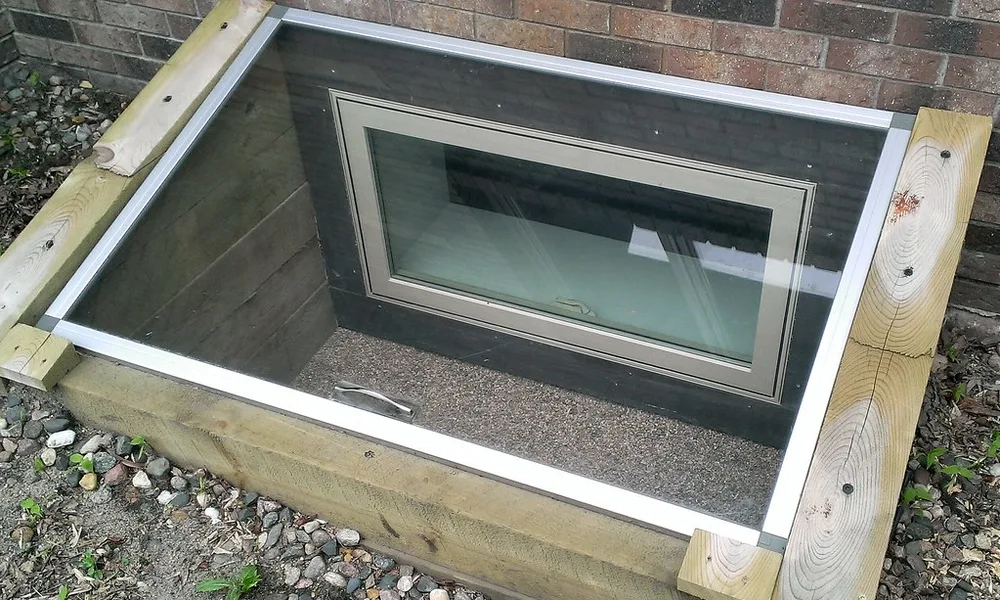
Best AI tools for egress window installation startups compared
The table below gives a quick view of the nine tools in this guide. Read it as a starting point, not a final decision. A tool that is excellent for estimating may be weak at scheduling, and a strong project platform may need a separate permit service. The right combination matters more than any single product.
| Tool | Best for | Main strength | Watch out for |
|---|---|---|---|
| ProEst | Detailed egress estimates | Cost databases and clear itemised quotes | Takes time to set up egress price lists |
| STACK | Takeoffs from plans and photos | Fast quantity measurement from drawings | Needs accurate plans or photos to work well |
| Bluebeam Revu | Permit drawings and markups | Precise drawing markup and measurement | A learning curve for new users |
| PermitFlow | Permits and approvals | Permit research, filing, and tracking | Coverage varies by town and county |
| Buildertrend | Running the whole job | Scheduling, budgets, and client updates | More than a one-van startup may need at first |
| ServiceTitan | Dispatch and customer records | Booking, dispatch, and invoicing in one place | Pricing suits growing firms better than solo founders |
| Matterport | 3D basement scans | Accurate digital twins of basements | Needs a camera or a good phone scan |
| OpenSpace | Site photo records | Automatic photo capture tied to floor plans | Best on larger or multi-day jobs |
| SafetyCulture | Compliance and safety checks | Checklists, inspections, and audit trails | Only as good as the checklists you build |
Why egress window installation is different from other window work
An egress window job starts with a rulebook, not a catalogue. The window must give a bedroom occupant a way out in a fire, so the clear opening has a minimum width and height, the sill cannot sit too high above the floor, and the window well outside must be wide and deep enough for a person to climb out, usually with a permanently fixed ladder when the well is deep. Those numbers change from one town to the next, and the inspector measures them with a tape.
The work itself is heavier and messier than most window jobs. A crew cuts through a concrete or block foundation wall, which means dust, noise, water control, and temporary support for the wall above. Then comes excavation: soil has to come out of the well, drainage has to be planned so the well does not fill with rain, and the spoil has to go somewhere. The window itself is only one part of the job. The well, the ladder, the cover, the drainage, the flashing, and the interior finish all have their own materials and labour, and an estimate that forgets the drainage stone or the haulage of excavated soil is an estimate that loses money.
Homeowners also buy an egress window for a different reason than they buy other windows. They are usually finishing a basement bedroom, selling a house, or fixing a problem an inspector has already flagged. The purchase is tied to a deadline: a basement that cannot legally be called a bedroom, or a sale that cannot complete. That makes the buyer anxious and time-sensitive, and clear communication worth as much as good cutting.
This is also a trade where the best AI tools for window replacement startups only go part of the way. A replacement crew swaps a unit in an existing opening and moves on the same day. An egress crew creates a new opening, and the job spans excavation, cutting, drainage, glazing, and inspection over several days. The tools in this guide were chosen for that longer, heavier job: measuring an opening that does not exist yet, proving it meets the rules, and pricing work that mixes digging and glazing.
How we judged the tools in this guide
Every tool below was judged against the same five tests, all drawn from the daily work of a small egress window startup. First, does it handle egress-specific work, such as opening sizes, well dimensions, ladders, and drainage, or is it a general tool that has to be bent to fit? Second, can a founder with two to six installers set it up and use it without hiring an administrator? The tools here are meant for people who are on site most days, not for a head office.
Third, does it connect the measurements to the money? The numbers taken on site should flow into the estimate, the order, and the invoice without being typed three times. Every retyped number is a chance to order the wrong window or quote the wrong price. Fourth, does it help with permits and inspections, which are where egress jobs most often stall? A tool that produces a clear drawing, tracks a permit, or records an inspection is worth more here than in trades where nobody checks the work. Fifth, does it keep the homeowner informed without adding phone calls? Egress jobs make homeowners nervous, and a short photo update prevents the worried calls that interrupt a cutting crew.
Price was considered, but not as the deciding factor. The cheapest tool is not the best if it misses the permit or underprices the excavation, and the most expensive tool is not the best if a two-person crew only uses a tenth of it. Where a tool offers a free trial, use it on a real job, because a real basement wall and a real inspector will expose weaknesses that a sales call never will.
The best AI tools for egress window installation startups in detail
The nine tools below cover the full journey of an egress window job, from the first site visit to the final inspection. They are grouped in the order you will use them: estimating and measuring first, then drawings and permits, then running the job and proving the work. No startup needs all nine on day one.
1. ProEst: The best tool for detailed egress estimates
ProEst is a cloud estimating platform built for construction, and it earns its place here because egress estimates are genuinely complicated. A single job mixes excavation, concrete cutting, window supply, well supply, drainage, ladder fitting, flashing, interior finishing, and waste removal, and each of those lines has its own labour rate and material cost. ProEst keeps a cost database that you can shape into egress-specific assemblies, so a standard basement window becomes a repeatable price built from its real parts rather than a number guessed on the drive home.
The practical benefit is an itemised quote the homeowner can understand. Instead of one large figure, the quote shows the cutting, the well, the window, the drainage, and the finishing as separate lines, which makes it easier to accept and easier to defend. When the price of cutting or drainage stone changes, you update the database once and every future quote reflects it. The trade-off is setup time: building good egress assemblies takes a few evenings. Start with one standard assembly, use it on every quote for a month, and refine it from what the real jobs cost.
2. STACK: The best tool for takeoffs from plans and photos
STACK is a cloud takeoff and estimating tool that lets you measure quantities from drawings and photographs, and it fits egress work because so much of the job is measured before anything is cut. From a basement plan or a set of site photographs, you can measure wall lengths, work out the opening size, estimate the excavation volume for the well, and count the materials for drainage and finishing.
For a startup, the value is speed and consistency. Two different people measuring the same plan should arrive at the same quantities, and STACK makes that more likely than a tape measure and a notebook. It is also useful when the homeowner sends photographs before the site visit: you can get a rough sense of the wall, the ground level, and the space for a well before you drive out. The limitation is that the takeoff is only as good as the plan or photograph, so always confirm the critical dimensions on site with a tape before ordering the window.
3. Bluebeam Revu: The best tool for permit drawings and markups
Bluebeam Revu is the drawing markup standard on construction sites, and for an egress startup its job is to turn measurements into a drawing an inspector can read. You can mark up a basement plan with the new opening, show the clear opening dimensions, the sill height, the well size and depth, the ladder position, and the drainage detail, and add notes that answer the questions a permit reviewer will ask.
The reason Revu matters for egress work is that the permit is the gate. A clear drawing with the escape dimensions labelled gets approved faster than a rough sketch, and a drawing that already shows the ladder and the drainage leaves the reviewer with less to query. On site, the same drawing becomes the cutting plan, and the inspector can compare the finished opening against it without argument. Revu does have a learning curve, so learn the markup and measurement tools first, build one good egress drawing template, and reuse it on every job.
4. PermitFlow: The best tool for permits and approvals
PermitFlow is a permit management platform that researches local requirements, prepares applications, files them, and tracks them through approval. For an egress startup, that is valuable because permit rules for escape windows vary widely: one town wants a simple drawing, the next wants structural details, drainage calculations, and a separate excavation notice.
PermitFlow helps by turning permit work into a tracked process instead of a pile of phone calls. You can see which permits are filed, which are waiting for a correction, and which inspections are due, and the platform flags the documents each authority expects. That visibility matters because an egress job cannot start cutting until the permit is in hand, and a week lost to paperwork is a week the crew is not earning. The watch-out is coverage: the depth of service varies by town and county, so check that your main working area is well covered before you rely on it.
5. Buildertrend: The best tool for running the whole egress job
Buildertrend is a construction project management platform, and it suits egress work because each job is a small project with several stages: survey, permit, excavation, cutting, well and window installation, drainage, finishing, and inspection. Buildertrend holds the schedule, the budget, the documents, and the client messages in one place, so the founder can see at a glance which jobs are waiting for a permit, which are ready for cutting, and which are waiting for the inspector.
The platform also helps with the money side. Budgets track the real cost of each stage against the quote, so you learn quickly whether excavation or finishing is where the margin disappears. Change orders are recorded properly, which matters on egress jobs where the wall often hides a surprise that changes the price. The drawback is size: Buildertrend is a full project system, and a one-van startup may find it more than it needs at first. Use the schedule, the budget, and the client portal first, and switch on the deeper features only when the diary grows past what a notebook can hold.
6. ServiceTitan: The best tool for dispatch and customer records
ServiceTitan is a field service platform built for home service businesses, and its strength for an egress startup is keeping the customer record, the diary, and the invoice in one system. Egress jobs stretch over several days with gaps for permits and inspections, so a simple diary entry is not enough. ServiceTitan tracks each job from the first enquiry through the site visit, the quote, the cutting days, and the final inspection, with every call, message, and photograph attached to the same household record.
The dispatch and scheduling tools help a small crew plan cutting days around weather, inspector availability, and concrete curing times, and the invoicing keeps deposits and final payments tied to job stages. The AI-assisted call handling and follow-up features help a startup that cannot afford a full-time office person: missed calls get answered, quotes get chased, and review requests go out after the inspection passes. The honest watch-out is price. ServiceTitan is built for growing firms, and a solo founder may find the monthly cost hard to justify until the diary is reliably full.
7. Matterport: The best tool for 3D basement scans
Matterport creates detailed 3D digital twins of interior spaces, and for an egress startup its value is a precise record of the basement before anyone cuts into it. A scan captures the wall, the floor, the ceiling height, the existing services, and the exact position of the proposed opening, all in a model you can measure and revisit from the office.
The scan is also a useful sales and record tool. A homeowner can walk through the digital model and see where the new window will sit and how much light the room will gain, which makes the decision easier. After the job, the scan becomes part of the record: before and after models show what was changed, which helps if an inspector or a future buyer asks questions. The cost is the catch, so use it selectively: scan the basements where the opening is tight or the layout is awkward, and rely on photographs and a tape for the straightforward ones.
8. OpenSpace: The best tool for site photo records
OpenSpace turns a walk through the site with a camera into a photo record tied to the floor plan, and it fits egress work because the evidence matters. The cutting, the excavation, the drainage, and the finished well all happen in stages, and once the well is backfilled or the interior is finished, the earlier work is hidden. OpenSpace captures photographs automatically as you walk the site and pins them to their position on the plan.
The AI organisation is what makes it practical: photographs are sorted by location and date without anyone sitting down to label them, and the progress record can be shared with the homeowner or the inspector in a link. For a startup, that is both protection and marketing. It protects the business when a dispute arises about what was done, and it gives the homeowner confidence because they can see the work progressing even when they are not at home. Use it on the jobs where the wall, the drainage, or the inspection is most likely to be questioned.
9. SafetyCulture: The best tool for compliance and safety checks
SafetyCulture, formerly known as iAuditor, is a checklist and inspection platform, and it earns the last place in this guide because egress work is full of checks that must not be skipped. Before cutting, the crew needs to confirm the opening dimensions, the structural support, the services in the wall, and the dust and water controls. After installation, someone needs to check the clear opening with a tape, the sill height, the well dimensions, the ladder fixing, the drainage, and the cover fit.
The value is consistency. A checklist means the same checks happen on every job, even when the crew is tired or the day is running late, and the audit trail shows the inspector or the homeowner that the work was verified rather than assumed. The platform also covers the safety side: cutting concrete creates dust and noise, and excavation creates a hole that must be guarded. The honest limitation is that SafetyCulture is only as good as the checklists you build, so spend an afternoon writing checklists for your real process: pre-cut checks, opening checks, well and drainage checks, and final inspection checks.
A sensible starter stack for an egress window installation startup
A new egress startup does not need nine subscriptions. It needs three tools that cover the three places where jobs most often go wrong: pricing, permits, and running the job. Start with ProEst for estimating, because an egress quote that forgets the excavation or the drainage is a quote that loses money. Pair it with Bluebeam Revu for the permit drawing, because a clear drawing with the escape dimensions labelled is the fastest route through approval. Then add Buildertrend to hold the schedule, the budget, and the client messages in one place.
That stack costs real money each month, but it replaces the most expensive alternative: a founder spending evenings retyping measurements and chasing permit offices. Once the diary is steady, add PermitFlow to take the permit chasing off the founder’s desk, and SafetyCulture to make the pre-cut and final checks consistent on every job.
Many egress jobs arrive as part of a larger lower-level project, so the best AI tools for basement finishing startups are worth reading alongside this guide when the homeowner wants a bedroom, a bathroom, and a window in one contract. And if a job also involves fixing an existing unit rather than cutting a new opening, the best AI tools for window repair startups cover that side of the trade. The point of a stack is not to own every tool; it is to own the few tools that keep your quotes accurate, your openings compliant, and your customers calm.
Mistakes to avoid when choosing AI tools
The first mistake is buying software before writing down the process. A tool cannot fix a business that has no standard way of measuring an opening, pricing a well, or checking a ladder. Write the process on one page first: how you survey, how you price, how you file the permit, how you check the finished opening. Then buy the tool that fits that page. The second mistake is choosing a tool because it is popular in another trade. A roofing or plumbing platform may be excellent, but if it cannot show an escape opening on a drawing or price an excavation, it will fight you on every job.
The third mistake is letting measurements live in three places. If the opening size is in a notebook, the estimate is in a spreadsheet, and the permit drawing is in a different file, they will disagree sooner or later, and the disagreement will surface when the window arrives and does not fit. The fourth mistake is underpricing the hidden work: excavation, spoil removal, drainage, and making good are where egress estimates most often go wrong.
The fifth mistake is ignoring the permit until the cutting day. Egress permits take time, and a crew booked for a cutting day that cannot start because the permit is not in hand is a crew being paid to wait. Treat the permit as the first milestone of the job, not as paperwork to finish later. The sixth mistake is buying every tool at once. Nine subscriptions on day one is a monthly bill a new business does not need, and a team learning nine systems at once will learn none of them well.
Egress window installation startup checklist
- Write your standard egress process on one page, from survey to final inspection, before buying any software.
- Build one estimate template that prices the cutting, the excavation, the well, the ladder, the drainage, the window, and the finishing as separate lines.
- Create one permit drawing template that labels the clear opening, the sill height, the well size, and the ladder position.
- Set up one customer record per household that holds the measurements, the photographs, the permit, and every message.
- Put a pre-cut checklist and a final inspection checklist in place, and make the crew complete them on site with photographs.
- Review the first ten jobs against their estimates, and fix the price list where the real costs differed from the quote.
Frequently asked questions
What is the best AI tool for an egress window installation startup to buy first?
Buy an estimating tool first, and ProEst is the strongest choice in this guide for that job. An egress quote has more moving parts than most window quotes, and getting the price wrong on excavation or drainage is the fastest way to lose money on a job that otherwise went well. Once the estimates are reliable, add a drawing tool such as Bluebeam Revu for the permit, and then a job management platform to hold the schedule and the customer record.
Can AI really measure an egress opening accurately?
AI measurement tools can get close, but they should not be trusted for the final cutting dimensions. Tools that measure from photographs or 3D scans are excellent for a first estimate, for checking whether an opening will fit, and for planning the well and the excavation. The final numbers must still be confirmed on site with a tape measure, because the wall may not be square and the ground level outside may have changed since the photographs were taken.
How much should an egress window installation startup spend on software each month?
A sensible starting budget is the cost of the three core tools: estimating, drawings, and job management. For most small startups that lands in the low hundreds of dollars a month once the team is using the tools properly. The right way to judge the spend is against the cost of the mistakes it prevents: one failed inspection, one wrongly ordered window, or one week lost to permit delays costs far more than a month of software.
Do I need a permit for every egress window?
In almost every area, yes. Cutting a new opening in a foundation wall and creating a bedroom escape route is structural work that the local authority wants to check, and the rules for the opening size, the sill height, the well, and the ladder are set by the local code. A few areas allow a simpler process when an existing window is enlarged, but a brand-new opening almost always needs a permit and an inspection.
How long does a typical egress window installation take?
The cutting and installation itself usually takes two to four days on site: one day for excavation and preparation, one day for cutting and fitting the window and the well, and a further day for drainage, finishing, and making good. The full job takes longer because the permit and the window order sit in front of the site work, and the inspection sits behind it. A realistic promise to a homeowner is two to four weeks from agreement to sign-off.
Will AI tools replace egress window installers?
No. AI tools can measure, price, file, and record, but they cannot cut a concrete wall, judge whether the concrete is sound, dig a well in wet ground, or fit a window so it seals and opens smoothly. What the tools replace is the office work that used to keep the founder up late: retyping measurements, chasing permits, and hunting for photographs.
The bottom line
An egress window startup succeeds on accuracy, compliance, and calm communication. The opening has to be the right size, the well and the ladder have to meet the rules, the price has to cover the excavation and the drainage as well as the window, and the homeowner has to know what is happening and when. The nine tools in this guide each help with one part of that, but the three that matter most at the start are an estimating tool, a drawing tool for the permit, and a job platform that holds the schedule and the customer record. Buy those three, build one good estimate template and one good drawing template, and let the first ten jobs tell you what to add next.

Keep what speaks to you.
Leave room for your own perspective.


